

From investing and transportation to food and fashion, generational preferences are creating two distinct consumer economies under the same roof.
A generational divide is reshaping the American shopping experience, with Millennials prioritizing transparency, sustainability, and digital convenience, while Baby Boomers remain loyal to traditional brands with established reputations. This shift is forcing legacy companies to adapt to a new era or risk being left behind.
There is a massive generational divide currently unfolding in the American shopping aisle. Millennials are flocking toward brands that emphasize transparency and digital convenience above all else. These younger shoppers prioritize values like sustainability and ethical sourcing over long-standing brand loyalty. This shift has left many legacy companies scrambling to reinvent themselves for a new era.
On the other side of the fence, Baby Boomers often remain loyal to the household names they have trusted for decades. They value physical presence and established reputations that have stood the test of time. The brands that Millennials find refreshing can often seem confusing or even unnecessary to their parents. It is a fascinating study in how different life stages and cultural shifts shape our daily spending habits. Let us explore the specific companies that are currently splitting the generations.
Robinhood
Robinhood brought stock trading to the masses with its user-friendly app and commission-free trades. Millennials embraced the platform to take control of their financial future from their phones. It sparked a massive wave of retail trading that changed the economic landscape forever.
Many Boomers are wary of the platform’s simplified approach and the lack of face-to-face financial advisors. They are more comfortable managing their money through an app without needing traditional office visits. Older investors generally hold their wealth in established brokerage firms that offer more traditional advisory services.
Oatly
This Swedish company has taken the dairy alternative world by storm with its bold marketing and creamy texture. Millennials appreciate the brand for its commitment to reducing the environmental footprint of the morning coffee.
It has become a staple in urban cafes and trendy kitchen pantries across the country. The quirky packaging and self-deprecating humor resonate perfectly with a younger audience.
Many Boomers find the idea of milk made from grain to be strange and unappealing. Oat milk retail sales in the U.S. have previously risen by more than 50% during periods of strong plant‑based demand. This creates a clear divide in the refrigerator of the modern American home.
Allbirds
Allbirds has redefined the footwear industry by using natural materials like wool and eucalyptus fibers. Millennials love the minimalist design and the fact that the shoes are fully machine-washable. These sneakers have become the unofficial uniform.
Older generations often prefer shoes with more traditional structure and leather finishes. Allbirds’ customer base is primarily made up of younger adults, with many first‑time buyers falling in the mid-20s to mid-30s age range.
This reflects a lifestyle choice that prioritizes casual comfort over formal or heavy footwear. Boomers often stick to established brands that offer more specialized arch support and classic aesthetics.
Glossier
Glossier is a beauty brand built entirely on social media and community feedback. The brand focuses on enhancing natural features rather than covering them up with makeup. It represents a shift toward a more effortless beauty standard.
Many Boomers find the lack of a traditional retail counter to be a significant barrier to entry. Reports on beauty marketing show that this brand successfully turned a blog into a community-driven empire.
Younger shoppers enjoy a mobile travel through the digital shopping experience, where peers provide the most trusted reviews. Older consumers typically prefer the personalized service and tactile testing found at a high-end department store.
HelloFresh
Meal kits have transformed how young professionals approach cooking. HelloFresh offers pre-portioned ingredients and simple recipe cards delivered right to the doorstep.
Millennials appreciate the reduction in food waste and the escape from grocery store decision fatigue. It allows them to experiment with new flavors without buying full-sized condiment bottles.
Older generations often view the cost of meal kits as an unnecessary premium for basic cooking. Demographic data show that a large share of meal kit buyers are younger, with about 63.7% in the Millennial category. This efficiency is a significant selling point for a generation balancing multiple side hustles.
Tesla
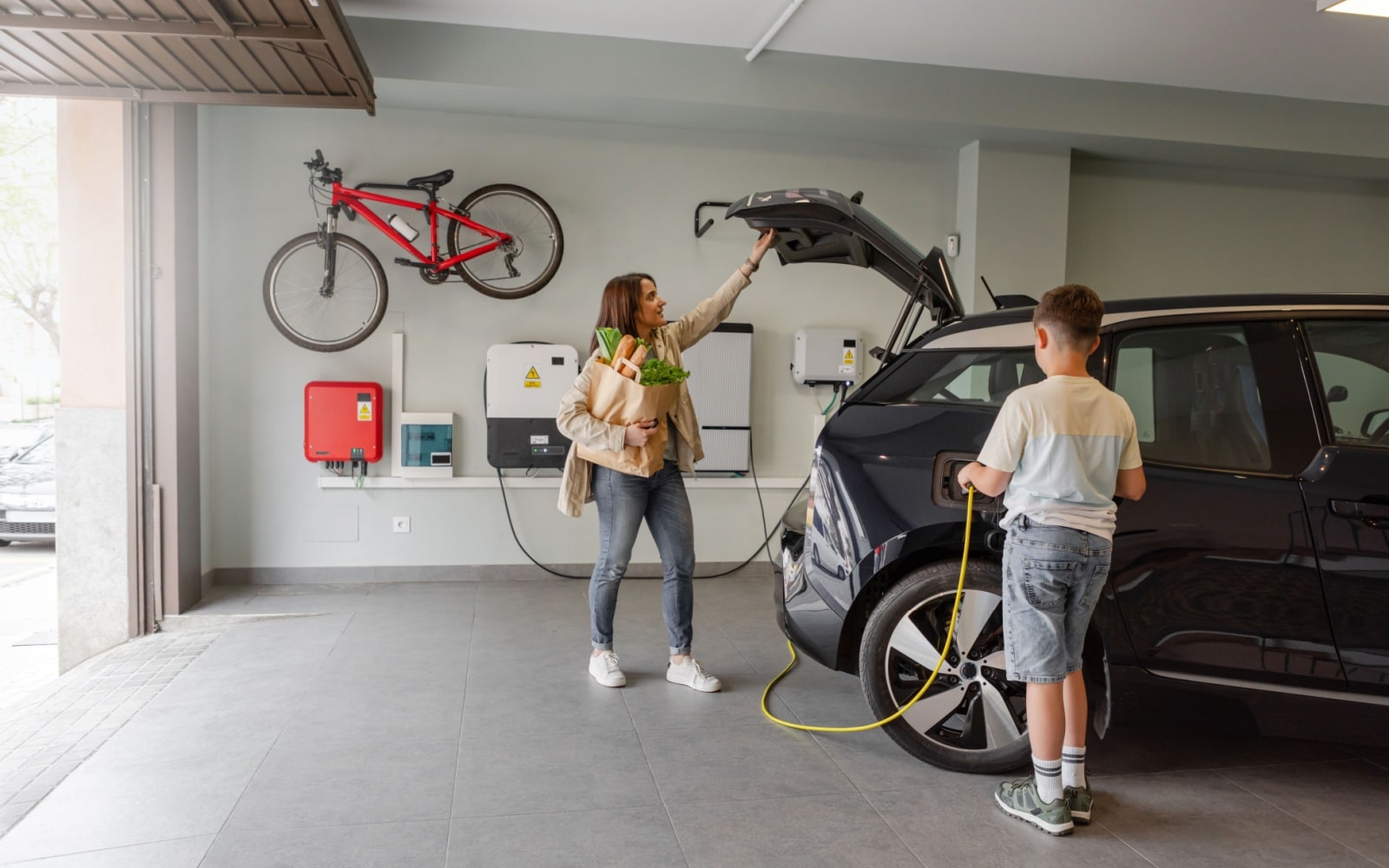
Tesla has become more than just an automotive company; it is a status symbol for the tech-savvy. Millennials are attracted to the sleek software and the promise of a zero-emission future. For many, the brand represents a bold step away from the internal combustion engine.
Save this article
Some Boomers remain skeptical of the charging network and the long-term reliability of a purely electric car. Recent quality rankings show that the brand has made significant improvements in owner satisfaction and technical refinement.
Younger drivers are much more comfortable with a vehicle that operates like a high-performance smartphone. Older motorists often stick to legacy luxury brands that offer a wider network of familiar service centers.
Airbnb
Airbnb has changed the way people think about accommodation by offering unique homes and local experiences. Millennials often prefer a cozy apartment in a residential neighborhood over a sterile hotel room.
They value the ability to cook their own meals and to live like locals during their trips. This platform has made exotic destinations feel more accessible and personal to younger travelers.
Boomers often prefer the consistency and security provided by established hotel chains. Analysis of Airbnb users shows that about 70% of guests fall in the 25–40 age bracket. While the younger crowd seeks novelty, the older generation often seeks the peace of mind that a concierge provides.
Away
Away has turned luggage into a high-tech fashion accessory for the frequent flyer. The brand uses social media to show how well its suitcases fit into the modern jet-set lifestyle. It represents a move toward high-quality gear that is designed to last through many adventures.
Older travelers often find the direct-to-consumer model and innovative features unnecessary additions. Contemporary reviews highlight that they are durable and have a chic aesthetic.
This highlights a lifestyle where even a suitcase is an extension of a person’s digital and visual identity. Boomers often stick to the reliable nylon luggage they have used for the last several decades.
Key Takeaways
Millennials are driving the success of brands that prioritize digital accessibility and ethical production over traditional corporate reputations. Baby Boomers often prefer the consistency and established trust of legacy companies that offer physical retail locations and specialized service. This generational gap is forcing many industries to maintain two distinct marketing strategies to capture both segments of the market.
More articles:
- 11 reasons why Millennials may be better prepared for the next recession than anyone else
- 14 financial habits Millennials wish they had mastered before turning 30
- 11 surprisingly effective ways Millennials are crushing credit card debt
Millennials are ditching the suburbs faster than Gen X

For a generation raised to chase the suburban ideal, the quiet realization is settling in that space and silence can carry a surprisingly heavy price.
The American dream used to mean a white picket fence and a quiet street away from the city noise. Many folks thought Millennials would follow right in the footsteps of previous generations once they had kids. Things took a completely different turn over the past few years as young adults reevaluated their living situations. Now we see a massive wave of thirty-somethings packing up their lawnmowers and heading straight back to urban centers. Learn more.
10 habits from an older generation that clash with millennial culture

Generational divides are nothing new, but the speed of technological change has turned small cracks into canyons. While Boomers and Gen X hold onto traditions that signal respect and stability, Millennials often view these same habits as inefficient.
It takes a willingness to see that what one group calls rude, another calls a practical lifestyle choice. Bridging this gap starts with identifying the specific behaviors that cause the most friction in our daily relationships. Learn more.
11 things boomers need to understand about their millennial kids
Ever notice how your Millennial kids seem to care more about traveling or attending live concerts than buying the latest gadgets or fancy cars? Well, you’re not imagining it; there’s actually some solid reasoning behind it. According to Eventbrite’s research, 78% of Millennials prefer spending their hard-earned cash on experiences like travel or cultural events rather than on material possessions.
So, if you’re wondering why their closet isn’t packed with new clothes or why they’re always planning their next adventure, it’s all part of the shift in priorities. Keep reading to learn more about the mindset driving this generation and why it might surprise you! Learn more.





