

As inflation bites worldwide, a new ranking reveals the cities where simply getting by now costs a small fortune.
Curiosity about the cost of living often leads us to wonder just how far our paychecks would stretch in different corners of the globe. With inflation tightening its grip globally, the price of essentials like housing, transport, and even a simple morning espresso has skyrocketed in major metropolitan hubs. For many American families, watching these financial trends offers a fascinating, if somewhat shocking, glimpse into the global economy.
This list compiles the locations where wallets are drained the fastest, based on the most recent data from human resources consulting firm Mercer. While some usual suspects make the cut, a few entries might surprise you with their exorbitant price tags for everyday goods. From the shimmering skyscrapers of Asia to the historic streets of Europe, these urban centers demand a serious premium for the privilege of residency.
Hong Kong
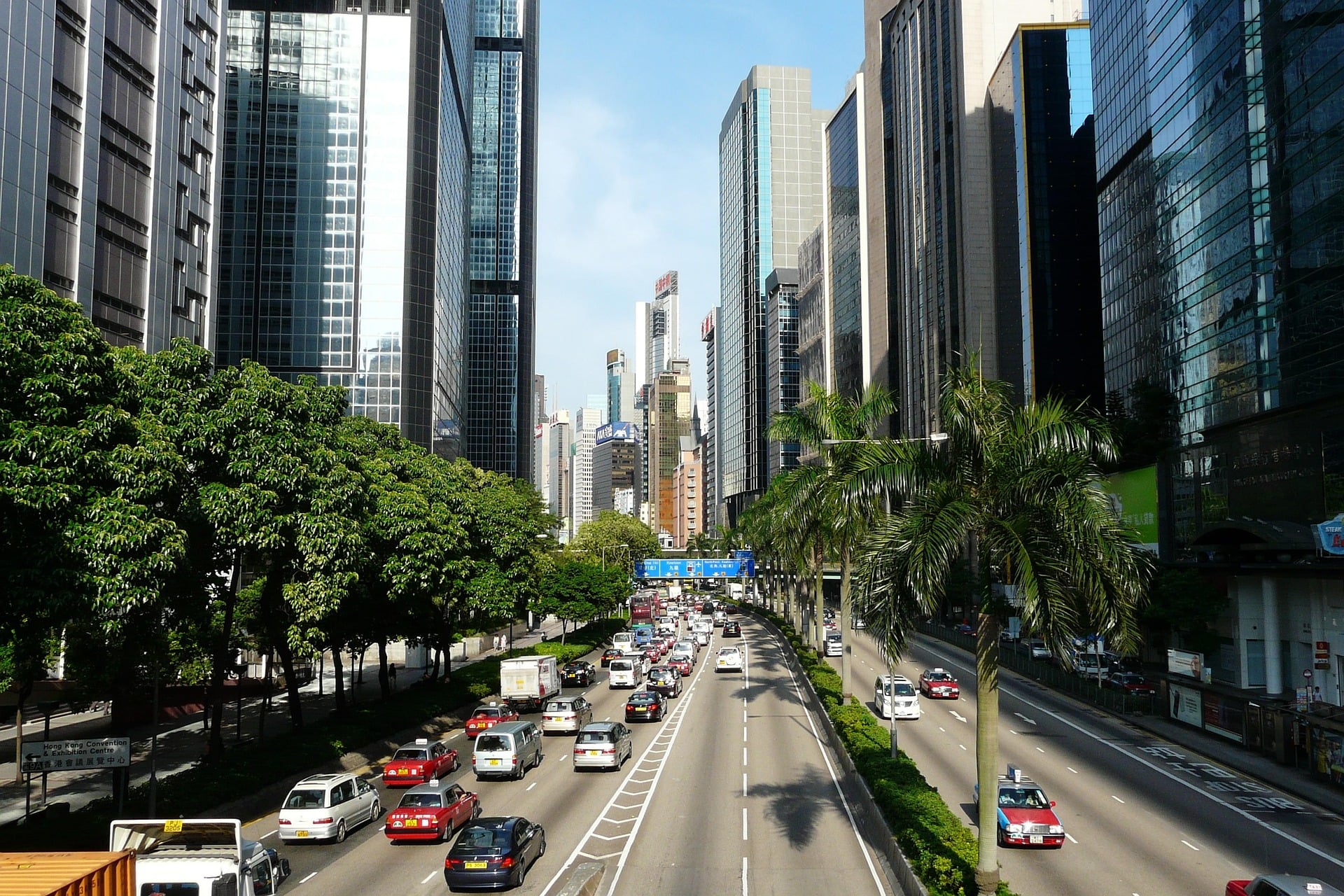
Hong Kong continues to dominate the rankings as a financial powerhouse where the cost of living is notoriously steep for expatriates and locals alike. Space is at such a premium here that even a modest apartment can command a fortune, pushing many residents to look for creative housing solutions. Motorists face a particularly grueling reality, with the price of gas hitting over $16 per gallon in early 2026.
The city remains a magnet for international business, yet the day-to-day expenses can be overwhelming for those without a generous compensation package. Basic groceries and leisure activities often come with price tags that would make the average shopper do a double-take. Despite the financial strain, the city’s vibrant culture and strategic location keep drawing people in, even if they have to pay dearly for it.
Singapore
Singapore has firmly established itself as a playground for the wealthy, with a highly competitive real estate market driving up costs significantly. The demand for housing in this island nation has surged, leading to rental prices that rival the most exclusive neighborhoods in the West. Relocity statistics show the median monthly rent for private residential properties hovering around $4,300, a figure that swallows a large chunk of an average salary.
Beyond housing, the cost of owning a car is prohibitively expensive due to government certificates designed to limit traffic congestion. Residents often rely on the efficient public transport system, though dining out and entertainment can still burn a hole in one’s pocket. Living in this pristine, futuristic garden city offers undeniable safety and luxury, but it requires a very deep bank account to fully enjoy.
Zurich
Zurich is synonymous with high-end banking and an impeccable quality of life, but this Swiss perfection comes at a staggering monetary cost. Daily expenses here are among the highest in Europe, with services and dining out priced well above what visitors might expect. To illustrate the daily pinch, a single cup of cappuccino in this Swiss hub now averages around $6.77, making a caffeine habit a costly affair.
The city offers stunning views of the Alps and a pristine environment, yet the price of admission is reflected in everything from health insurance to cinema tickets. Residents benefit from high wages, which somewhat offset the sticker shock found in supermarkets and boutiques. However, for an outsider looking in, the price tags on even the most mundane items can seem almost theatrical.
Geneva
Geneva serves as a global diplomatic center, hosting numerous international organizations that bring in a steady stream of well-paid diplomats and officials. This influx of high-earning professionals keeps prices elevated across the board, particularly in the housing and hospitality sectors. Dining in the city is a luxurious experience, but the bill at the end of the night often reflects the high status of its clientele.
The cost of goods in Geneva is influenced by high Swiss wages and the importation of many products, keeping the baseline for survival quite high. Finding affordable accommodation is a constant struggle, with competition for decent apartments remaining fierce year-round. Those living here often cross the border into France for their weekly shopping to escape the relentless Swiss pricing structure.
Basel
Basel might be less famous than its Swiss cousins, but it is no less punishing on the bank balance due to its thriving pharmaceutical industry. The city attracts a highly skilled workforce, which in turn drives up the demand for high-quality housing and services. Rents have climbed steadily, fueled by the high salaries of the professionals who call this cultural hub home.
Save this article
Located where the Swiss, French, and German borders meet, Basel offers a mix of cultures, yet the cost of living remains distinctly Swiss. Leisure activities, such as visiting museums or dining by the Rhine, come with the expected heavy price tag. Residents enjoy a top-tier standard of living, but they pay for it with some of the highest consumer prices on the continent.
Bern
Bern may be the political capital of Switzerland, but it certainly does not offer any bureaucratic exemptions from the country’s high cost of living. The city is known for its high quality of public services and well-preserved medieval architecture, both of which contribute to its desirability and expense. Even a simple lunch at a mid-range restaurant can set you back a significant amount, often surprising tourists who are unprepared for the bill.
The rental market in Bern is tight, and while it may be slightly cheaper than Zurich, it is still miles ahead of most other global cities. Utilities and mandatory health insurance premiums add another layer of fixed costs that residents must account for in their monthly budgets. Life moves at a relaxed pace here, but the speed at which money leaves your wallet is anything but slow.
New York City
New York City remains the undisputed king of high costs in the United States, with inflation and demand pushing expenses to record levels. The housing market is particularly brutal, with fierce competition for even the smallest living spaces in desirable boroughs. In Manhattan, the median rent for a one-bedroom apartment hit an all-time high of $5,268 in early 2026, forcing many to find roommates or move further out.
Beyond the astronomical rent, the price of groceries, dining, and entertainment in the Big Apple is significantly higher than the rest of the country. Locals have to be savvy to survive, often trading space and comfort for the opportunity to live in the cultural capital of the world. It is a city of immense opportunity, but the cover charge for entry is steeper than it has ever been before.
London

London continues to be a notoriously expensive place to call home, with a property market that has long been detached from the reality of average earnings. Renters and buyers alike face prices that force many to commute from distant suburbs just to make ends meet. The average house price in the British capital now stands at approximately $850,000, a barrier that keeps homeownership out of reach for the vast majority.
Public transportation, while extensive, is another major drain on resources for the average Londoner trying to get to work. Commuters are bracing for further strain as transport fares are set to rise by an average of 4.6% in 2025. Despite the financial hurdles, the allure of London’s history and job market keeps the population growing, ensuring prices remain sky-high.
Nassau
Nassau appears on this list as a surprise to some, but the cost of living in the Bahamas is driven up by the necessity of importing nearly everything. As an island nation, goods that would be cheap elsewhere carry a heavy premium due to shipping and customs duties. Utilities like electricity are also exceptionally pricey, adding a substantial burden to the monthly expenses of island residents.
The city attracts wealthy expatriates and tourists, creating a two-tier economy in which prices in popular areas are inflated to match foreign wallets. Housing in safe and desirable neighborhoods is scarce and expensive, mirroring the costs seen in major mainland cities. Living in paradise comes with a hefty price tag that goes far beyond the cost of a plane ticket.
Los Angeles
Los Angeles rounds out the top ten, proving that the West Coast lifestyle comes with a financial intensity that rivals the East Coast. Housing costs have surged, and the city’s sprawling nature makes owning a car almost mandatory, adding gas and insurance to the budget. While New York is 74% more expensive than the national average, Los Angeles is rapidly closing that gap with its own soaring living costs.
The price of entertainment and dining in L.A. reflects its status as the entertainment capital of the world. From trendy health food stores to exclusive clubs, there is no shortage of ways to spend money quickly. For those chasing the Hollywood dream, the reality often involves balancing multiple jobs just to cover the basic cost of existence in this sun-soaked metropolis.
Disclaimer: This list is solely the author’s opinion based on research and publicly available information. It is not intended to be professional advice.
Like our content? Be sure to follow us.





