

With 2.66 million visitors chasing the same stretches of coast, Costa Rica’s hidden beaches are becoming its rarest luxury.
Costa Rica is having a moment that feels both triumphant and uneasy. In 2024, the country welcomed about 2.66 million international visitors, the highest total in sixteen years, according to the Costa Rican Tourism Board, Instituto Costarricense de Turismo. Roughly 60 percent arrived from the United States, a dominance that reflects how firmly Costa Rica has embedded itself in the American imagination as a place of beaches, biodiversity, and easy escape. Success, however, has weight. Well-known surf towns like Jacó, Tamarindo, Playas del Coco, and Manuel Antonio are beginning to strain under the pressure of crowds, traffic, and the souvenir economy.
For travelers, this is not a reason to give up on Costa Rica. It is an invitation to look sideways. Beyond the headline, beaches are places where daily life still sets the rhythm, where tourism exists but does not dominate, and where the coast feels like a community before it feels like a product.
Playa Esterillos Oeste
Between Jacó and Manuel Antonio, Playa Esterillos Oeste sits quietly on the Central Pacific, a long stretch of dark sand framed by pastureland and low hills. Despite its strategic location near Carara National Park and the Rainmaker conservation area, it has avoided the dense development that defines its neighbors, retaining what local planning documents describe as a rural coastal profile.
Life here is deliberately sparse. A few sodas serve casados and fresh fish, surfers watch the tides, and visitors tend to talk more with Costa Ricans than with other travelers. The waves can be strong, which keeps the beach oriented toward surfers rather than casual swimmers, and that selective appeal has preserved its calm.
Playa Los Suecos or Playa Cuevas
At the southern tip of the Nicoya Peninsula, Playa Los Suecos, also called Playa Cuevas, rests beside the small fishing village of Malpaís. The nearby Cabo Blanco Absolute Nature Reserve, Costa Rica’s first protected area established in 1963 by the National System of Conservation Areas, sets the tone for the coast.
Malpaís lives in the shadow of Santa Teresa’s global surf fame, and that shadow has been a gift. Fishing boats still line the shore, guesthouses remain small, and the beach itself feels hidden, shaped by rocky coves and tide pools where rays, turtles, and octopus appear close to shore.
Playa Quesera
Playa Quesera lies within the orbit of the Curu Wildlife Refuge, a private conservation area on the Nicoya Peninsula known for its dry forest ecosystems and resident wildlife. The refuge operates daily and allows visitors to stay in simple cabins, according to its own management guidelines, emphasizing education and low-impact tourism.
Access to the beach is intentionally limited, often by boat or through refuge arrangements. That constraint has preserved an atmosphere visitors frequently describe as deserted, with white sand, calm water, and the sounds of birds carrying farther than voices. Encounters here are as likely to be with local guides as with other travelers.
Playa Calzón de Pobre
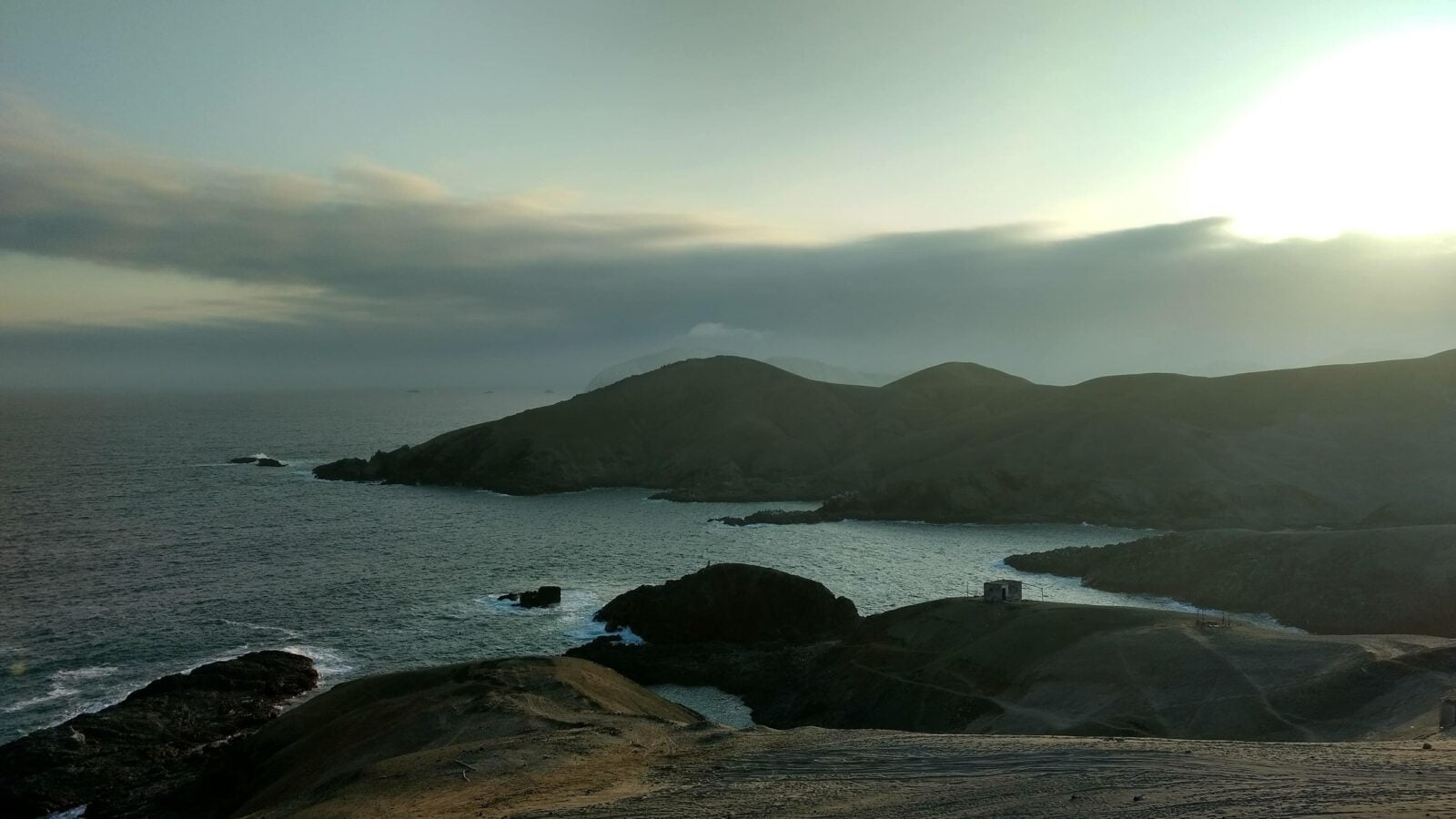
In the Gulf of Papagayo, near Playas del Coco, Playa Calzón de Pobre hides behind an unpaved hill that discourages casual traffic. Its name translates loosely to poor man’s underwear, a reminder that Costa Rican beach culture often mixes humor with geography.
While nearby Coco pulses with nightlife and tour boats, this small cove remains quiet, reached by Four Wheel Drive or by boat from town. Families from the region come here for the calm water and shade, and visitors find themselves sharing the sand rather than claiming it.
Playa Chiquita
On the South Caribbean coast near Puerto Viejo de Talamanca, Playa Chiquita reflects a different Costa Rica, one shaped by Afro Caribbean history and language. The Ministry of Culture recognizes this region as a center of Caribbean cultural heritage, and that influence is present in food, music, and pace.
The beach itself is broken into small bays with jade colored water and palm shade. Horses graze nearby, jungle presses close, and even in high season, the shoreline can feel empty. Meals tend to be coconut rice, fried fish, and plantains, cooked by families who have lived here for generations.
Playa Arrecife and Punta Uva
South of Puerto Viejo, Playa Arrecife sits near Punta Uva, a quieter corridor of the Caribbean coast where development remains modest. Local zoning plans emphasize small-scale businesses, and the result is a beach with gentle water, palms, and long, undeveloped stretches.
Save this article
From Punta Uva, visitors can kayak upriver into the jungle, often guided by residents who grew up navigating these channels. Sloths, toucans, and turtles appear not as attractions but as neighbors, part of a landscape that still belongs first to those who live there.
Cahuita
Cahuita is both a town and a national park, joined so closely that the boundary often disappears. Cahuita National Park protects coral reefs, beaches, and rainforest, and unlike most parks in the country, it operates on a donation-based entry system, as outlined by the National System of Conservation Areas.
This model keeps the park woven into daily life. Locals walk the trails, fishermen pass by the reef, and visitors share space rather than consume it. The town itself remains small, Caribbean in character, and grounded in routines that predate tourism.
Key Takeaway
As Costa Rica’s tourism numbers climb, confirmed by Instituto Costarricense de Turismo arrival data, the most rewarding travel increasingly happens away from the spotlight.
The country’s quieter beaches offer not just relief from crowds but a deeper encounter with place, proving that the future of travel here may depend less on where everyone goes and more on where daily life still leads the way.
More articles:
- 12 cruise dress code rules that spark debate every time
- 16 things you should never leave in your cruise cabin on port days
- 13 Hidden Cruise Risks Most Travelers Don’t Realize Until It’s Too Late
10 Insanely Fast Trains That Make Air Travel Look Slow

Rail travel has come a long way from the slow chugging of steam engines. Today, the race for the fastest train has become a high-speed pursuit of groundbreaking technology, pushing the boundaries of what’s possible on rails. From maglev marvels to sleek bullet trains, these trains don’t just break records; they redefine them. Here’s a look at the 10 fastest trains on Earth, each moving faster than most airplanes. Learn more.
8 financial mistakes travelers should avoid in Mexico

Traveling through Mexico can feel effortless, from booking boutique hotels to paying for street tacos on the go. Yet money mistakes can quietly turn a dream trip into an expensive lesson. Many travelers focus on flights and itineraries but overlook everyday financial decisions that shape their budget once they arrive. Exchange rates, payment methods, and local banking norms differ from those at home, and misunderstandings can drain funds faster than expected.
The stakes are higher than most people realize. According to data from the Consumer Financial Protection Bureau, international travelers can lose money on each transaction. Losses typically range from 3 to 10 percent when foreign transaction fees, poor exchange rates, and ATM charges are combined. Learn more.
10 travel scams targeting tourists

Vacations are supposed to be carefree, but a single clever scam can empty your wallet faster than any overpriced souvenir.
Planning a vacation is usually the highlight of the year, but falling for a scheme can ruin the fun before it even starts. Scammers are getting smarter and using advanced technology to trick even the most experienced globetrotters into handing over their hard-earned cash. You need to stay alert because these criminals often target distracted visitors who are just trying to relax. Learn more.





