

Vacations are supposed to be carefree, but a single clever scam can empty your wallet faster than any overpriced souvenir.
Planning a vacation is usually the highlight of the year, but falling for a scheme can ruin the fun before it even starts. Scammers are getting smarter and using advanced technology to trick even the most experienced globetrotters into handing over their hard-earned cash. You need to stay alert because these criminals often target distracted visitors who are just trying to relax.
The rise of digital booking platforms has made travel easier, but it has also created new opportunities for fraud. From fake websites to street-level hustles, the variety of traps waiting for unsuspecting travelers is wider than you might think. Learning about these common tricks is your best defense against losing money and having your trip spoiled.
Fake Hotel Booking Sites

Cybercriminals are now using artificial intelligence to build copycat websites that look exactly like legitimate hotel booking platforms. They offer incredible rates for luxury stays that do not actually exist, and once you pay, they disappear with your money. According to the BBC, travel scams have increased by 900% over the last 18 months, largely due to AI tools.
These fake sites often appear at the top of search results because scammers pay for premium ad space to look authentic. You might receive a confirmation email that looks real, but when you arrive at the hotel, the front desk will have no record of your reservation. Always verify the website URL carefully before entering your credit card details to avoid this headache.
The Broken Taxi Meter

Drivers in many tourist-heavy cities will tell you their meter is broken the moment you get into the car. They usually claim this just as you pull away from the curb, forcing you to negotiate a flat rate that is much higher than the standard fare. This is one of the oldest tricks in the book, yet it remains incredibly effective against tired travelers.
If you agree to the flat rate, you will likely pay double or triple what the ride should actually cost. The driver is banking on your lack of knowledge about local prices and your desire to just get to your hotel quickly. Insist on using the meter or get out and find another taxi that follows the rules.
Currency Exchange Rip-offs

Currency exchange booths in high-traffic areas often advertise “zero commission” to lure you in, but they hide their fees in terrible exchange rates. You might think you are getting a deal, but you end up with significantly less local cash than you should have received. A recent report from Lloyds Bank shows that holiday purchase scams have risen 7% over the past year.
Another variation involves the “dynamic currency conversion” option when paying by card at restaurants or shops. The terminal asks if you want to pay in your home currency or the local one, and choosing your home currency often triggers a terrible exchange rate. Always choose to pay in the local currency to let your own bank handle the conversion fairly.
The Free Vacation Robocall

You pick up the phone and hear a recorded message excitedly telling you that you have won a free cruise or a luxury resort stay. All you have to do is pay a small processing fee or taxes to claim your prize, which seems like a small price for a big reward. One in five Americans has experienced a travel scam while booking a trip, according to McAfee.
Once you provide your credit card information for the “small fee,” the scammers will charge you, and the vacation will never materialize. Sometimes they will even steal your identity using the personal details you provided during the verification process. Hang up immediately if you receive an unsolicited call promising a free trip that sounds too good to be true.
Fake Wi-Fi Hubs
Save this article
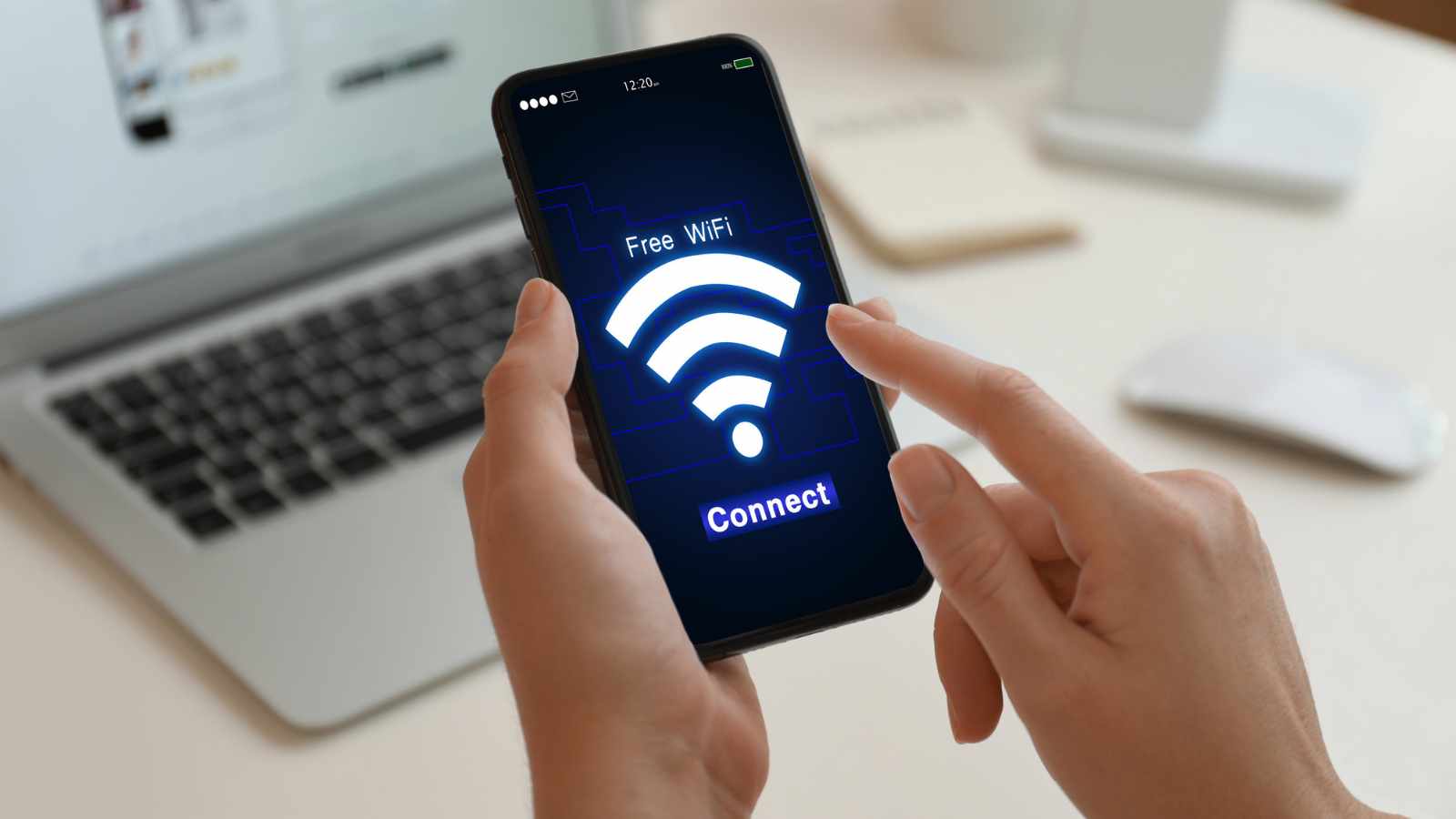
Hackers set up unsecured Wi-Fi hotspots in airports, cafes, and hotels with names that sound official, like “Airport_Free_WiFi.” When you connect to these networks, criminals can easily intercept your data, including passwords and banking information. A CBS report says that the FTC notes that online travel fraud accounted for $274 million in U.S. consumer losses.
These “evil twin” networks allow scammers to see everything you are doing online in real-time. It is safer to use your own mobile data or a virtual private network (VPN) to encrypt your connection while traveling. Avoid checking your bank account or logging into sensitive sites while connected to public networks.
The Friendly ATM Helper

A stranger might approach you while you are struggling with a foreign ATM, offering to help you avoid fees or understand the language. They are actually trying to get a look at your PIN code while a partner installs a skimmer or distracts you to swap your card. McAfee research found that 8% of travel scam victims provided their payment details on a fake site or compromised terminal.
This scam relies on creating a sense of confusion and then offering a quick solution to lower your guard. The “helper” might even be wearing a uniform that looks like it belongs to bank security to gain your trust. Cover the keypad with your hand when entering your PIN and never let a stranger get close to you at an ATM.
Rental Damage Scams

You rent a scooter, jet ski, or car, and when you return it, the operator claims you caused scratches or dents that were already there. They will demand an exorbitant amount of cash immediately to cover the repairs, threatening to call the police if you refuse. McAfee also reported that a third of scam victims lost between $500 or more, and one in ten lost over $5,000.
They often hold your passport or a large deposit as collateral, giving you little choice but to pay up to get your documents back. This leaves you feeling helpless and angry, often right before you need to catch a flight home. Take detailed photos and videos of any rental vehicle from every angle before you drive it off the lot.
The Spilled Sauce Distraction

Someone “accidentally” spills coffee, ice cream, or sauce on your shirt and profusely apologizes while offering to help clean it up. While they are dabbing at the stain and creating a scene, an accomplice picks your pocket or swipes your bag. Action Fraud data reveals that people lost over £12 million to holiday fraud in 2023, which includes theft.
This technique works because your brain is focused on the mess and the social interaction rather than your valuables. The scammers are experts at misdirection and can vanish into a crowd within seconds of taking your wallet. Step back immediately if someone spills something on you and keep a firm grip on your belongings.
Fake Police Officers

Two men in uniforms might stop you on the street, flash a badge, and ask to see your passport and wallet to check for “counterfeit currency.” They will look through your wallet, expertly palm some of your cash, and return it to you without you noticing the missing bills. These impostors prey on the natural respect and fear most tourists have for local law enforcement.
Real police officers will rarely ask to check your wallet for counterfeit money on the street. These scammers count on you being too flustered to question their authority or check your cash immediately. Politely ask to see their identification again or offer to go to the nearest police station to resolve the issue.
Disclaimer: This list is solely the author’s opinion based on research and publicly available information. It is not intended to be professional advice.
Like our content? Be sure to follow us.





