Eating out should be convenient, tasty, and ideally healthy, but some menu items quietly pack calories, sodium, or hidden costs that make them less appealing.
According to U.S. Department of Agriculture data, average restaurant meals contain nearly 20% more sodium than recommended daily limits, and high-calorie sauces or add-ons can inflate a dish’s caloric content by hundreds.
Nutritionists warn that many seemingly harmless menu selections contribute to long-term health and financial costs. “Consumers often underestimate how ingredients and preparation methods impact both nutrition and cost,” says registered dietitian Sarah Johnson.
These 12 menu picks are ones to skip or approach with caution when dining out.
Fried Mozzarella Sticks
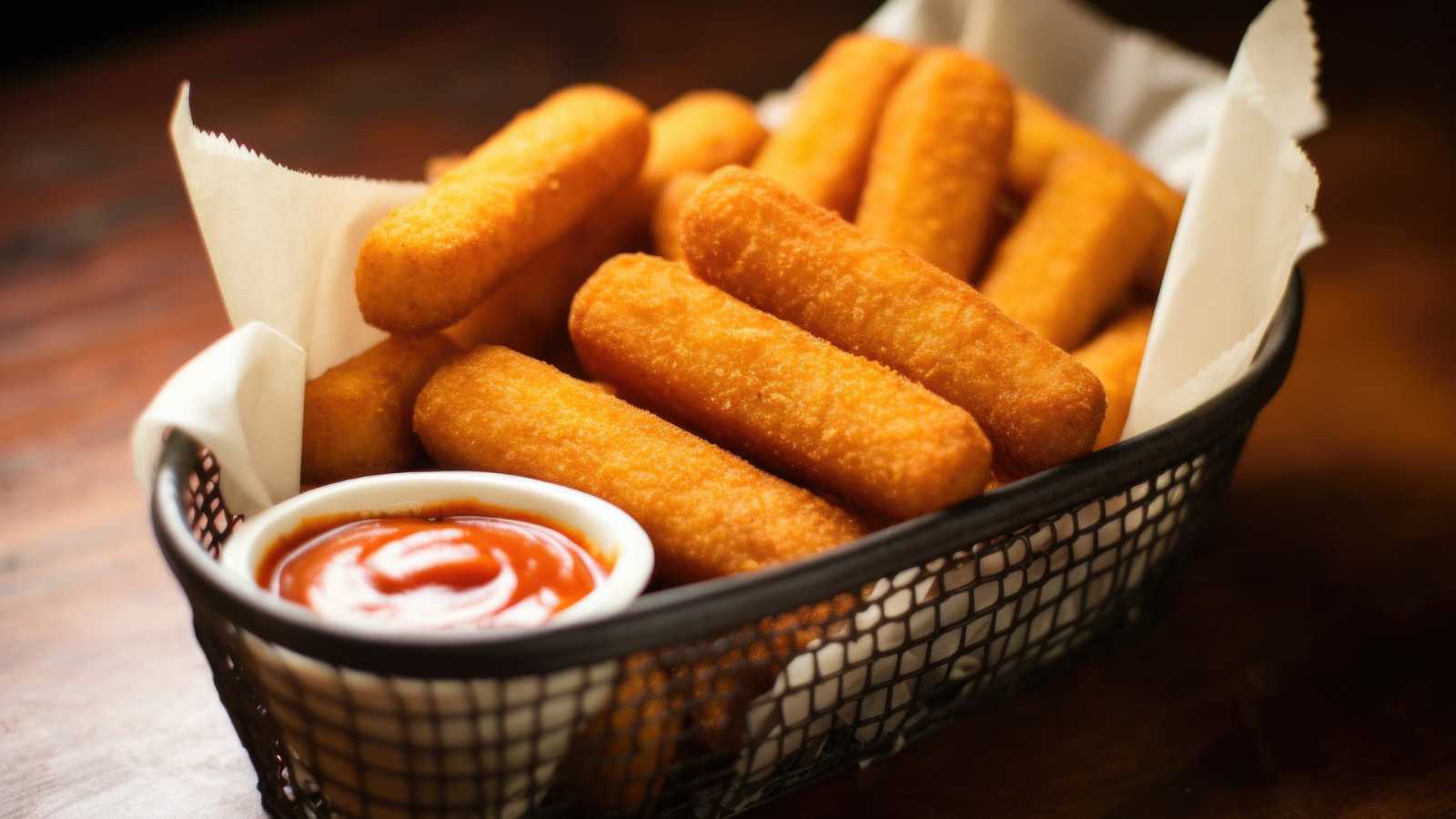
Fried mozzarella sticks are a classic appetizer that hides a calorie and fat bomb. USDA nutrition data shows a standard serving can exceed 500 calories and 25 grams of saturated fat, almost 125% of the recommended daily allowance for a single snack.
Many restaurants pair them with high-sodium marinara sauces, adding extra sodium and sugar. Consumers increasingly opt for alternatives like roasted veggie platters, hummus dips, or baked cheese bites.
Nutritionists highlight that choosing a lighter appetizer can significantly reduce the caloric impact of the entire meal without sacrificing taste.
Cream-Based Soups

Cream-based soups, such as clam chowder or broccoli cheddar, often contain hidden saturated fats and sodium. According to the USDA, a cup of cream soup can carry 300-400 calories and over 1,000 mg of sodium, nearly half the recommended daily intake.
Diners often pair these soups with bread or rolls, compounding carbohydrate and caloric load. Many health-conscious patrons now opt for broth-based or vegetable-based soups that provide flavor and nutrients without excessive fat or sodium, making the meal more balanced and easier to digest.
Loaded Nachos
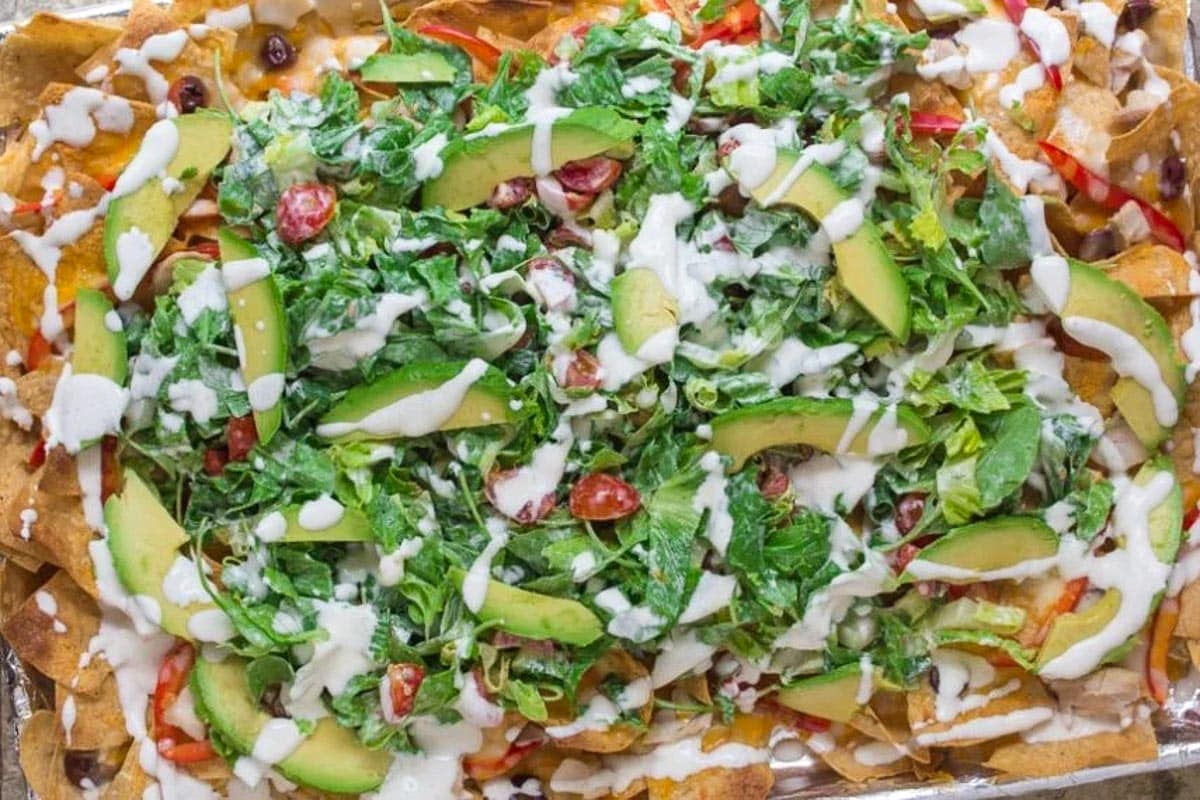
Nachos topped with cheese, sour cream, and processed meats are a notorious calorie trap. Nutrition analysts report that a single large plate often exceeds 1,200 calories, along with high levels of saturated fat and sodium.
Sharing plates can reduce intake, but many restaurants serve portions designed for multiple people, yet individuals frequently eat the entire dish. Substitutes like black bean tacos, grilled veggie platters, or salsa-and-veggie bowls provide flavor without the hidden caloric burden.
Experts note that reducing high-fat cheese and fried toppings immediately improves the nutritional profile.
Fried Chicken Sandwiches

Fried chicken sandwiches continue to dominate menus but carry substantial fat, sodium, and refined-carb loads due to deep-fried breading and sauces. USDA data shows that an average sandwich can exceed 700 calories with 1,200 mg of sodium.
Consumers seeking similar satisfaction often choose grilled chicken sandwiches, which maintain protein content while slashing fat and calorie counts nearly in half.
Registered dietitians recommend avoiding fried breading and opting for whole-grain buns or lettuce wraps to improve nutrient density.
Creamy Pasta Dishes
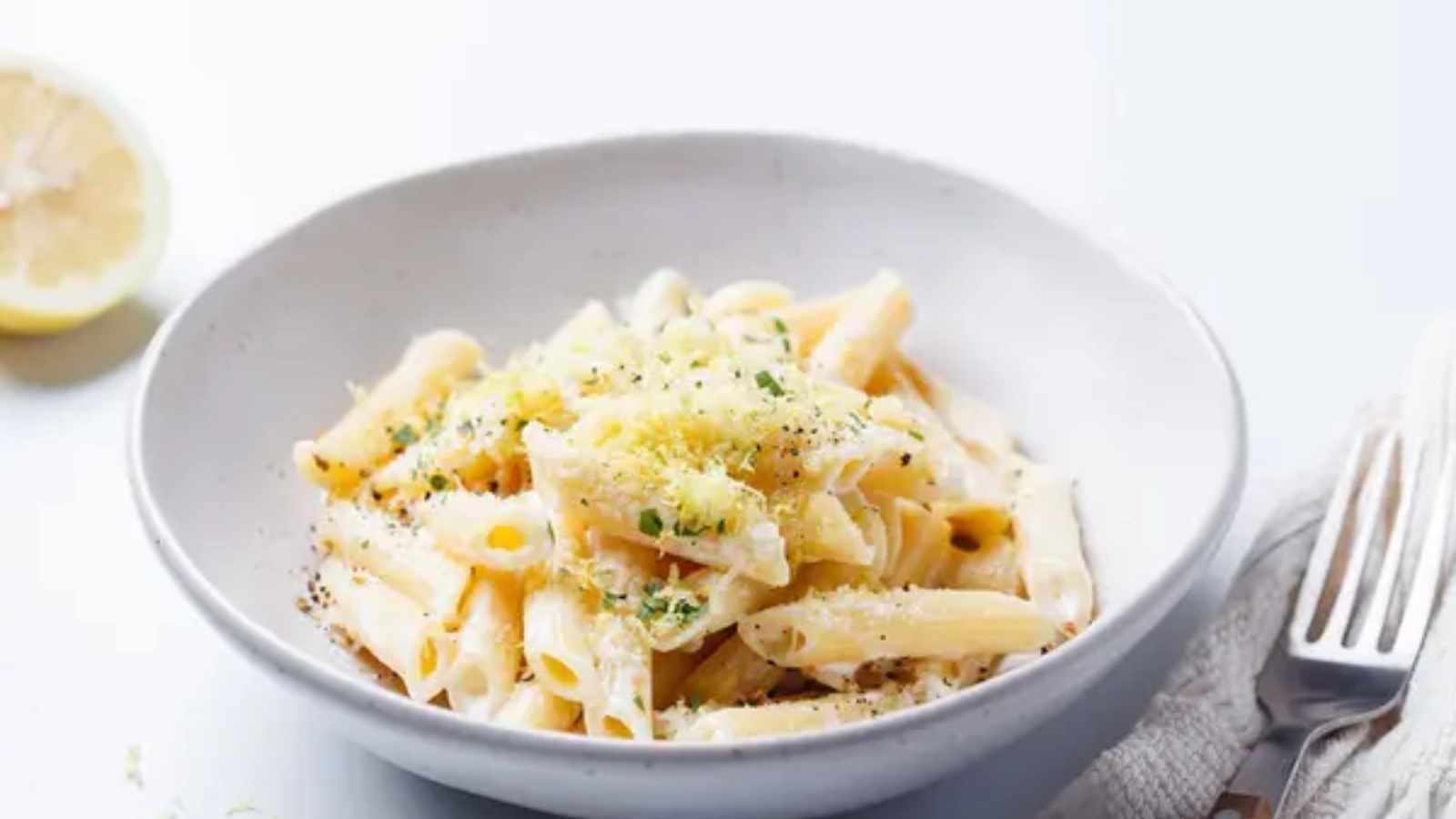
Alfredo, carbonara, and other cream-heavy pasta dishes are rich in calories and saturated fat. USDA reports a single restaurant serving of fettuccine alfredo can reach 1,200-1,400 calories.
Adding meat, cheese, or bread further inflates totals. Diners increasingly choose tomato-based sauces, vegetable-loaded pastas, or whole-grain noodles to reduce caloric intake while maintaining flavor and portion satisfaction.
Nutritionists emphasize portion control and vegetable incorporation as critical strategies to enjoy pasta without compromising health.
Cheeseburgers with Bacon
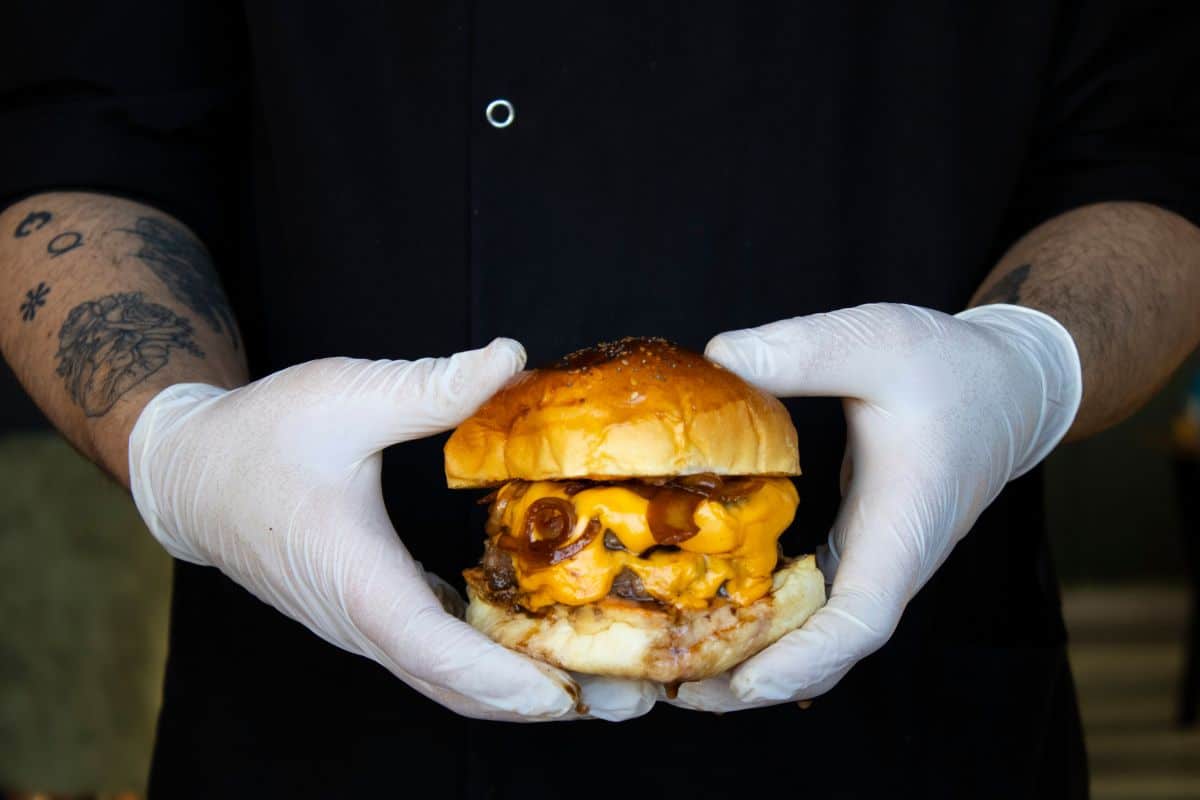
While iconic, cheeseburgers with bacon pack saturated fat, sodium, and calories. USDA nutrition estimates show a single bacon cheeseburger can contain 800+ calories and over 1,000 mg of sodium.
Many diners add fries or soda, pushing total meal calories beyond 1,500. Healthier alternatives include lean protein sandwiches, turkey burgers, or veggie burgers paired with side salads.
Save this article
Experts note that swapping ingredients like bacon or heavy cheese for lighter toppings dramatically improves nutritional outcomes.
Deep-Fried Appetizer Samplers
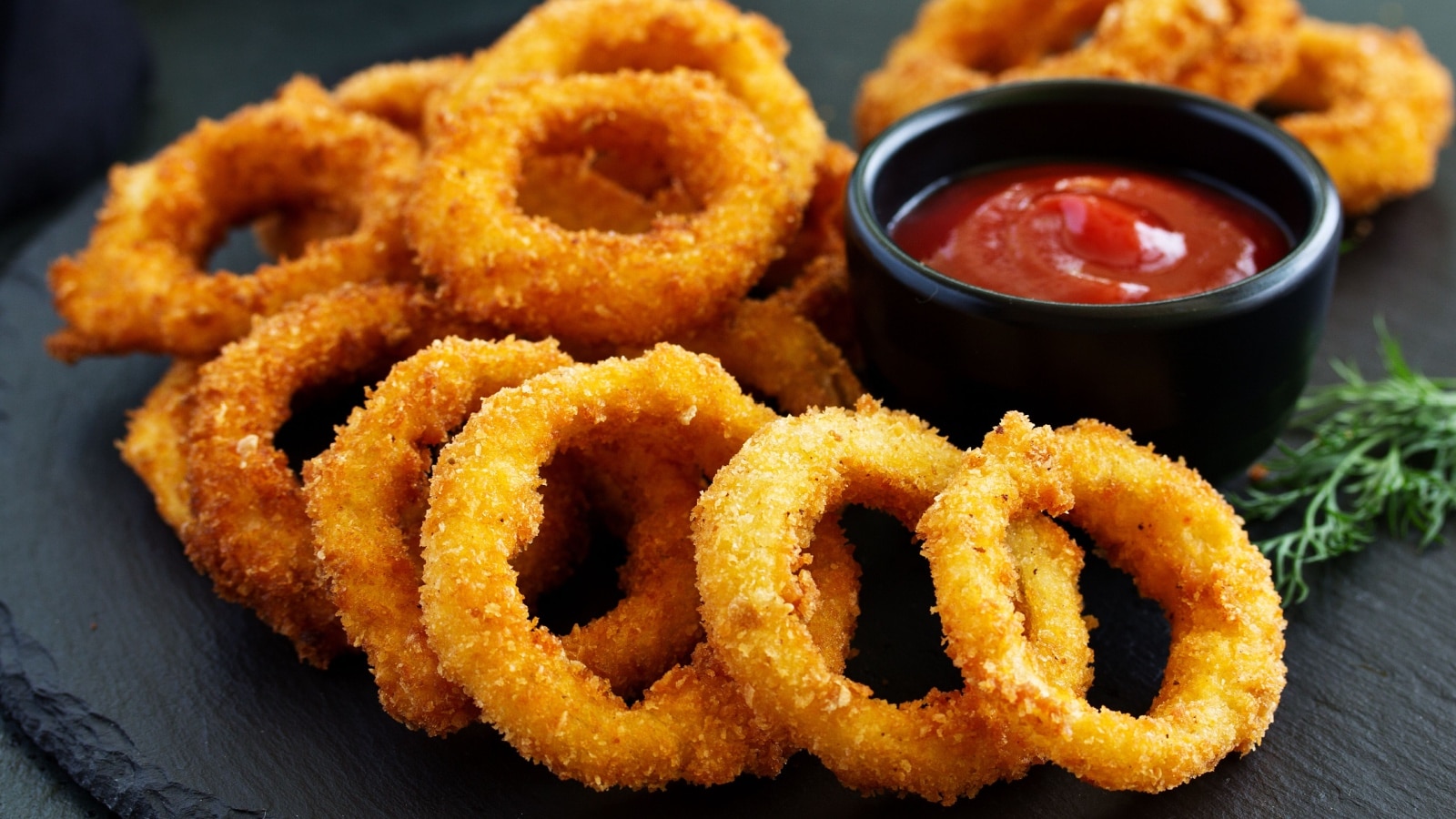
Appetizer platters featuring fried items like onion rings, mozzarella sticks, and chicken tenders are convenient but calorie-dense. One sampler plate can exceed 1,200 calories and 40 grams of fat, and sodium levels often surpass 2,000 mg.
Consumers increasingly split these with friends or substitute with grilled or roasted appetizer options. Nutritionists suggest that sharing and opting for vegetable-forward starters reduces unnecessary caloric and sodium intake while still providing a social dining experience.
Pancake or Waffle Breakfast Combos

Breakfast combos that include pancakes or waffles with butter and syrup, alongside bacon or sausage, can surpass 1,000 calories before coffee additives.
Nutrition data shows sugar content can reach 60-70 grams, more than double the daily recommended limit. Health-conscious diners often swap for oatmeal, egg-white omelets, or avocado toast.
Registered dietitians note that reducing sugar-laden breakfast items improves energy levels and curbs mid-morning cravings.
Milkshakes and Dessert Drinks

Milkshakes, frappes, and dessert-style drinks contribute excessive calories, sugar, and fat. USDA data estimate that a single large milkshake can exceed 600-900 calories and contain over 90 grams of sugar.
Many consumers replace these indulgences with fruit smoothies, protein shakes, or unsweetened iced coffee drinks to maintain flavor and refreshment without overwhelming sugar intake.
Experts warn that frequent indulgence in sugary beverages is a major contributor to metabolic risk over time.
Loaded Fries

Fries topped with cheese, bacon, chili, or sauces drastically increase calorie and sodium intake. One loaded fries serving can reach 1,000 calories, according to nutrition analysts, with fat content near 50 grams.
Swapping to baked fries, roasted vegetables, or sweet potato fries reduces both calories and sodium. Restaurants increasingly offer these alternatives, and savvy diners capitalize on them to enjoy a crunchy side without dietary guilt.
Deli-Style Sandwiches With Processed Meats

Sub sandwiches or hoagies stacked with processed meats like salami, bologna, or pepperoni carry high sodium and saturated fat. USDA data indicates that a single sandwich may exceed 1,000 mg of sodium, nearly half of the daily intake.
Consumers now opt for lean proteins such as turkey, chicken breast, and plant-based alternatives. Adding vegetables and whole-grain bread improves nutrition without sacrificing portion satisfaction.
Restaurant Salads With Creamy Dressings

Salads can appear healthy but become high-calorie traps when loaded with creamy dressings, cheese, croutons, or fried toppings. Nutrition data shows a restaurant Cobb or Caesar salad can reach 800-1,000 calories once toppings and dressing are included.
Consumers increasingly request dressing on the side or choose vinaigrettes, while swapping fried proteins for grilled options. Experts emphasize that salads are only beneficial when mindful ingredient choices preserve their nutrient density.
Key Takeaways

• Many classic restaurant dishes quietly exceed recommended calorie and sodium limits.
• Swapping fried, creamy, or heavily processed items for grilled, roasted, or plant-based alternatives drastically improves health outcomes.
• Portion awareness, ingredient swaps, and mindful condiments allow diners to enjoy flavor without excess.
• Being intentional with menu choices helps maintain long-term wellness without sacrificing convenience or enjoyment.
Disclaimer: This list is solely the author’s opinion based on research and publicly available information. It is not intended to be professional advice.
Like our content? Be sure to follow us