

Data from the National Poll on Healthy Aging shows that more than 1 in 3 Baby Boomers say they feel lonely or invisible regularly, yet almost no one around them knows.
As Baby Boomers age, they face challenges that often go unnoticed. While admired for their work ethic and resilience, many of their struggles, ranging from health issues to financial pressures, remain hidden behind closed doors. These unspoken difficulties impact their quality of life and contribute to feelings of isolation and vulnerability.
Behind their outward strength, Boomers silently cope with struggles that are rarely visible to others. As they navigate the later stages of life, these challenges weigh heavily on their physical, mental, and emotional well-being, often kept private due to pride or fear of being a burden. Here are 13 quiet struggles Boomers face that are often overlooked by younger generations.
Coping with Physical Decline
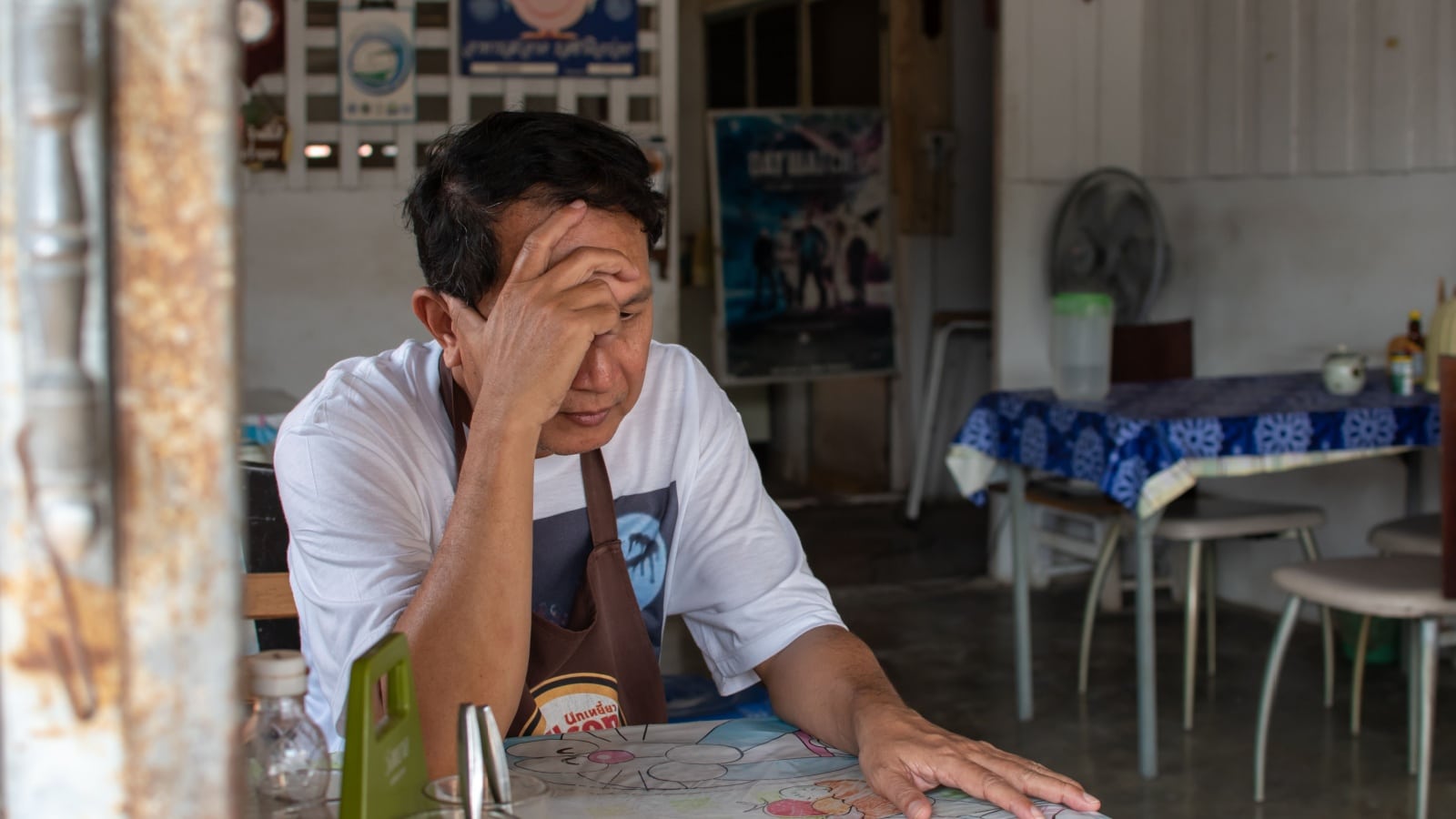
One of the most significant struggles Boomers face is the gradual decline of their physical health. As the body ages, it becomes more susceptible to chronic conditions such as arthritis, osteoporosis, and heart disease. The once-active generation now finds it increasingly difficult to engage in physical activities they once enjoyed, leading to frustration and a loss of independence.
The fear of becoming dependent on others is a constant concern for many Boomers. While some are fortunate enough to manage their conditions with medication or physical therapy, others face daily pain and limitations that affect their ability to perform simple tasks. This struggle is often kept private, as many Boomers are reluctant to admit how much their physical health has deteriorated.
Managing Mental Health Challenges

Mental health is another quiet struggle for many Boomers. As they age, the risk of cognitive decline and mental health issues such as depression and anxiety increases. The pressure to maintain a sense of mental sharpness and independence can be overwhelming, especially when they experience memory lapses or difficulty concentrating.
Boomers may feel ashamed or embarrassed to seek help for mental health concerns, as the stigma surrounding mental illness remains strong in many communities. This can lead to isolation, as they avoid reaching out for support or discussing their feelings. The fear of losing mental clarity is a burden that many Boomers carry silently, making it even harder for them to ask for help.
Struggling with Financial Insecurity

While many Boomers were once financially stable, the reality of retirement often brings new financial challenges. With the rising cost of living, health care, and unexpected expenses, many Boomers find themselves struggling to make ends meet on a fixed income. Even those with savings and pensions may find their money running out faster than anticipated.
The economic shifts of the past few decades, such as the collapse of pension plans and rising housing costs, have left many Boomers feeling financially insecure. This can lead to anxiety about their future, particularly as they face the prospect of outliving their savings. The struggle to maintain financial independence and security is a constant concern for Boomers, one they often keep to themselves.
Facing the Loss of Loved Ones

The loss of friends, family members, and spouses is an inevitable part of aging. For Boomers, the frequency of these losses can lead to a profound sense of grief and loneliness. The emotional toll of losing people they’ve known for decades can be overwhelming, and the sense of isolation grows as they find themselves more and more alone.
While some Boomers can cope with these losses through faith or support from others, many face the challenge of grieving privately. The pain of loss is often compounded by the absence of close family members who may be busy with their own lives, leaving Boomers to navigate the difficult emotions of loss without much-needed support.
Dealing with Loneliness and Isolation

Loneliness is a quiet struggle that many Boomers face as they age. As children grow up and move away, and as friends pass away or become less mobile, Boomers can find themselves feeling increasingly isolated. Social circles shrink, and the daily interactions that once provided comfort and connection may dwindle.
While technology offers some opportunities to stay connected, many Boomers feel disconnected from the digital world. This can make it even more difficult for them to stay in touch with family and friends, further exacerbating feelings of loneliness. The stigma surrounding the need for help or companionship can also prevent Boomers from reaching out, leaving them to face these challenges alone.
Managing Caregiving Responsibilities

Many Boomers find themselves in the role of caregivers for aging parents, spouses, or even grandchildren. The emotional and physical demands of caregiving can be overwhelming, yet Boomers often shoulder this responsibility with little external support. The stress of balancing caregiving duties with their own needs can lead to burnout and exhaustion.
Boomers who care for loved ones may feel as though their own needs and desires are put on hold. While they may feel pride in being able to provide for their loved ones, the toll it takes on their health and well-being is often hidden. These caregivers often struggle in silence, afraid to ask for help or admit the emotional strain they are under.
Navigating Technological Barriers

While younger generations grow up with technology at their fingertips, many Boomers are struggling to keep up with the rapid pace of technological change. From smartphones to social media, the digital world can feel overwhelming and alienating. Boomers may feel left behind as technology becomes increasingly essential to daily life.
Save this article
This disconnect can lead to feelings of frustration and inadequacy. While some Boomers embrace technology, many find it challenging to master the tools and platforms that are so pervasive in modern society. The lack of confidence in navigating technology can also contribute to isolation, as Boomers may feel disconnected from younger family members who rely heavily on digital communication.
Struggling with Retirement Adjustments

Retirement is a significant life changer, and for many Boomers, it presents challenges they may not have anticipated. The sudden loss of a structured routine, the loss of the purpose work provided, and the shift to a more relaxed lifestyle can leave some Boomers struggling with their new identity. Without the structure and fulfillment that work provides, many Boomers feel adrift, unsure how to fill their time.
For some, retirement can bring a sense of loss and confusion, especially if they have been working for decades. The sudden transition from a life of productivity to one of leisure can be jarring, and many Boomers struggle to find new hobbies, passions, or ways to feel fulfilled. This quiet struggle is often overlooked, as society tends to view retirement as a time of relaxation and enjoyment rather than adjustment and uncertainty.
Overcoming Ageism

Boomers are often subjected to ageism in the workplace or in social settings. This discrimination can manifest in subtle ways, such as being overlooked for job opportunities or dismissed as irrelevant in conversations about modern trends. The frustration of being undervalued because of their age can lead to feelings of resentment and a diminished sense of self-worth.
Despite decades of experience, many Boomers find their contributions often disregarded in favor of younger perspectives. This constant underestimation can erode their confidence and make them feel invisible. The quiet burden of ageism is one that Boomers must navigate without much support, and it can have long-lasting effects on their mental and emotional well-being.
Coping with Changing Family Dynamics

The traditional family structure has changed over the years, and many Boomers are finding themselves at the center of evolving family dynamics. With more adult children living far from home, the breakdown of traditional family structures, and changing social norms, Boomers often feel disconnected from their children and grandchildren. This shift can lead to feelings of sadness and confusion, as they struggle to adapt to the new family dynamics.
While some Boomers have embraced the changes, many find it difficult to accept the fact that their role in the family has shifted. The absence of close-knit family gatherings and the increasing distance between generations can be a source of quiet pain. Boomers may struggle with the loss of family traditions and the difficulty of maintaining strong relationships with their loved ones.
Dealing with a Changing Social Landscape

Boomers grew up in a world that was very different from the one we live in today. As they age, they often struggle with rapid societal changes, from shifts in political ideologies to the pace of cultural change. These shifts can leave Boomers feeling disconnected or out of touch with the world around them.
The growing generational divide and the evolution of social norms can make Boomers feel they no longer fit in. They may struggle to understand or adapt to the values and behaviors of younger generations, and this disconnect can contribute to feelings of alienation. For many, navigating these changes quietly behind closed doors becomes an ongoing challenge.
Managing Health Care Costs

Health care costs are a constant concern for many Boomers, especially as they age. Despite having insurance, many Boomers face high out-of-pocket expenses for medications, treatments, and doctor visits. The financial burden of health care can leave them feeling financially strained and stressed, particularly when their retirement incomes are limited.
With health care being such a significant part of their financial picture, many Boomers worry about how they will afford the care they need in the future. The fear of facing a medical crisis without sufficient financial resources is a constant source of anxiety. This struggle is often kept hidden, as Boomers don’t want to burden their families with the realities of their financial or health care concerns.
Fearing for the Future

The future can be a daunting prospect for many Boomers, who worry about what their later years will look like. Concerns about their health, finances, or the well-being of their loved ones can weigh heavily on their minds. Many Boomers fear becoming a burden to their families or being left without the support they need as they age.
This quiet fear often goes unspoken, as Boomers may not want to appear weak or helpless. However, the reality of an uncertain future is a struggle that many face in their private moments. It’s a burden carried in silence as Boomers navigate the complex emotions of aging without the reassurance they may need.
Key Takeaway

The struggles Boomers face are often invisible to the outside world, but they are no less real or impactful. From health challenges and financial pressures to emotional struggles and societal shifts, Boomers are grappling with a wide range of difficulties as they navigate the later years of their lives.
It’s crucial for society to acknowledge these struggles and provide support where needed, allowing Boomers to live their golden years with dignity, strength, and the respect they deserve. As the world continues to change, we must recognize the quiet challenges Boomers face and offer the compassion and understanding they need to overcome them.
Disclaimer: This list is solely the author’s opinion based on research and publicly available information. It is not intended to be professional advice.
Like our content? Be sure to follow us.