

Airline meals have evolved from being a simple perk to a key factor shaping passengers’ overall travel experience. According to a 2022 report by the Airline Passenger Experience Association, travelers are increasingly seeking healthier in-flight options, including plant-based dishes, meat alternatives, and nutrient-rich snacks, driven by a growing focus on immunity and well-being.
This health-conscious trend often sparks cabin conversations, with flight attendants sharing candid opinions on which meals are truly worth ordering at 30,000 feet. While nutritionists and airline caterers continuously revamp menus to meet travelers’ health needs, some classic and new meal options still divide opinions among crew and passengers alike.
Here are 12 airline food choices flight attendants secretly judge.
The Cold Pasta Salad That Makes Flight Attendants Cringe

You might spot this on less expensive international or domestic economy flights, and crew will often roll their eyes privately when it’s chosen as a “main meal.” Cold pasta salads often arrive lukewarm and minimally seasoned, which passengers sometimes leave untouched, especially since surveys show that 30% of food waste on flights is linked to taste dissatisfaction.
Airline food researchers report that bland or poorly textured dishes can directly impact passenger satisfaction and waste rates, with taste being the most perceptible factor in negative reviews.
Flight attendants will tell you that passengers often pick this option, assuming it’s “safe,” but in reality, it’s one of the highest‑waste items and consistently underperforms in taste tests.
The Vegan Sandwich That Ends Up in the Bin

Plant‑based dishes are on the rise, and special meal requests, including vegan options, have jumped 112% since 2021, but implementation still lags on some carriers. That gap explains why stories about unappetizing vegan sandwiches have gone viral, including complaints of veggies past their prime and severely dry bread.
In a widely shared cabin debate this year, vegan meals were dismissed by busy attendants as “the least popular special meal” because, even when demand exists, limited onboard preparation and storage make them inconsistent.
Given that many airlines only stock specific special‑meal numbers (no extras), attendants often watch these orders go uneaten or be traded away, and they judge.
The “Mystery Meat” Dinner That Sparks Whispered Comments
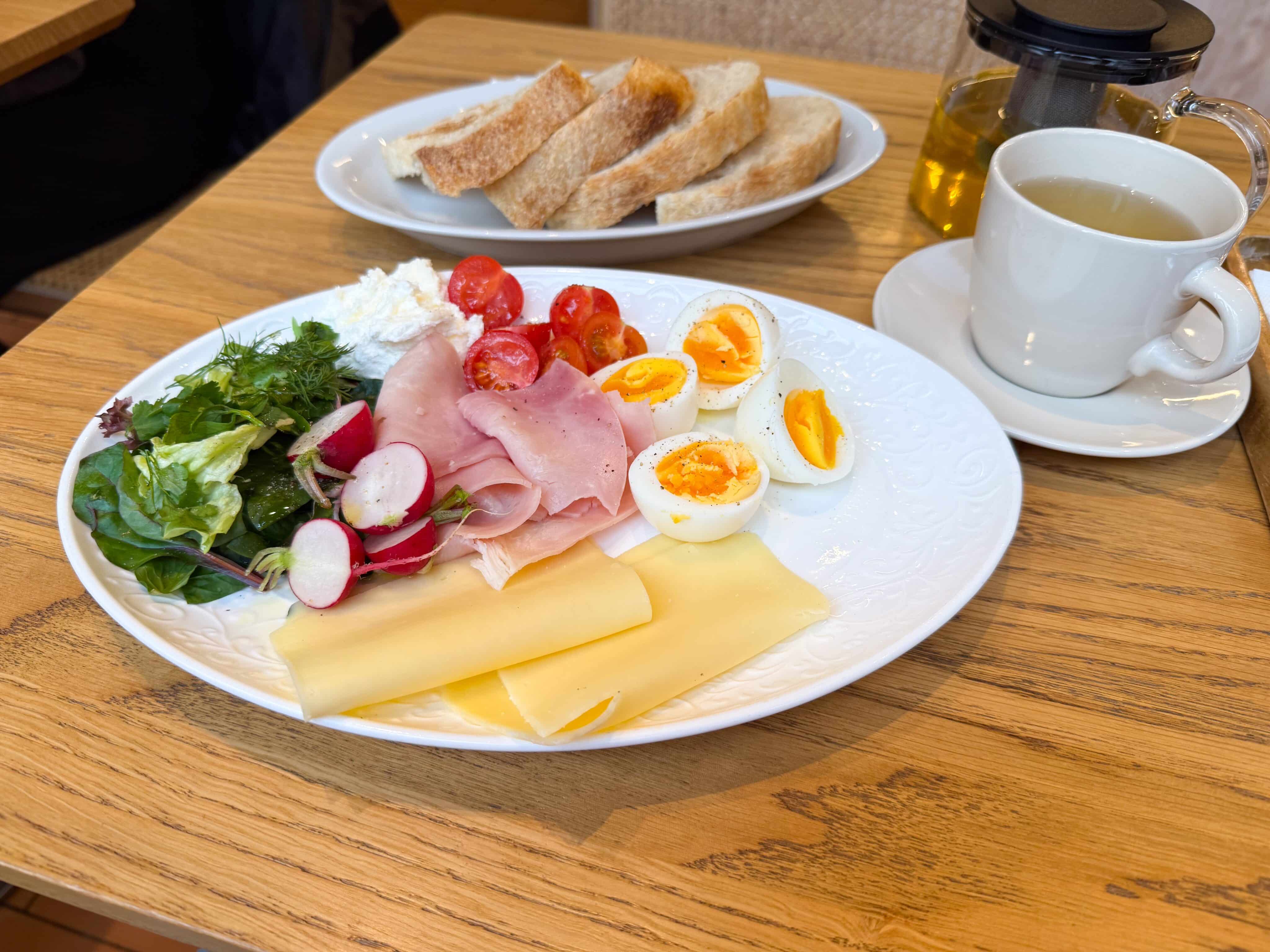
When flight attendants peek inside the foil and can’t tell what protein they’re about to serve, that’s not a good sign for passengers either.
Long‑haul economy entrees with ambiguous beef or chicken are often criticized in passenger surveys, and they generate the most jokes among crews because the flavor often disappears at altitude and reheating dulls seasoning.
While many international airlines are upping gourmet offerings, a significant portion of low‑cost carriers still rely on processed proteins, which flight crews quietly agree are the least memorable and often the least enjoyed.
The Supersized Breakfast Burrito That Nobody Should’ve Ordered
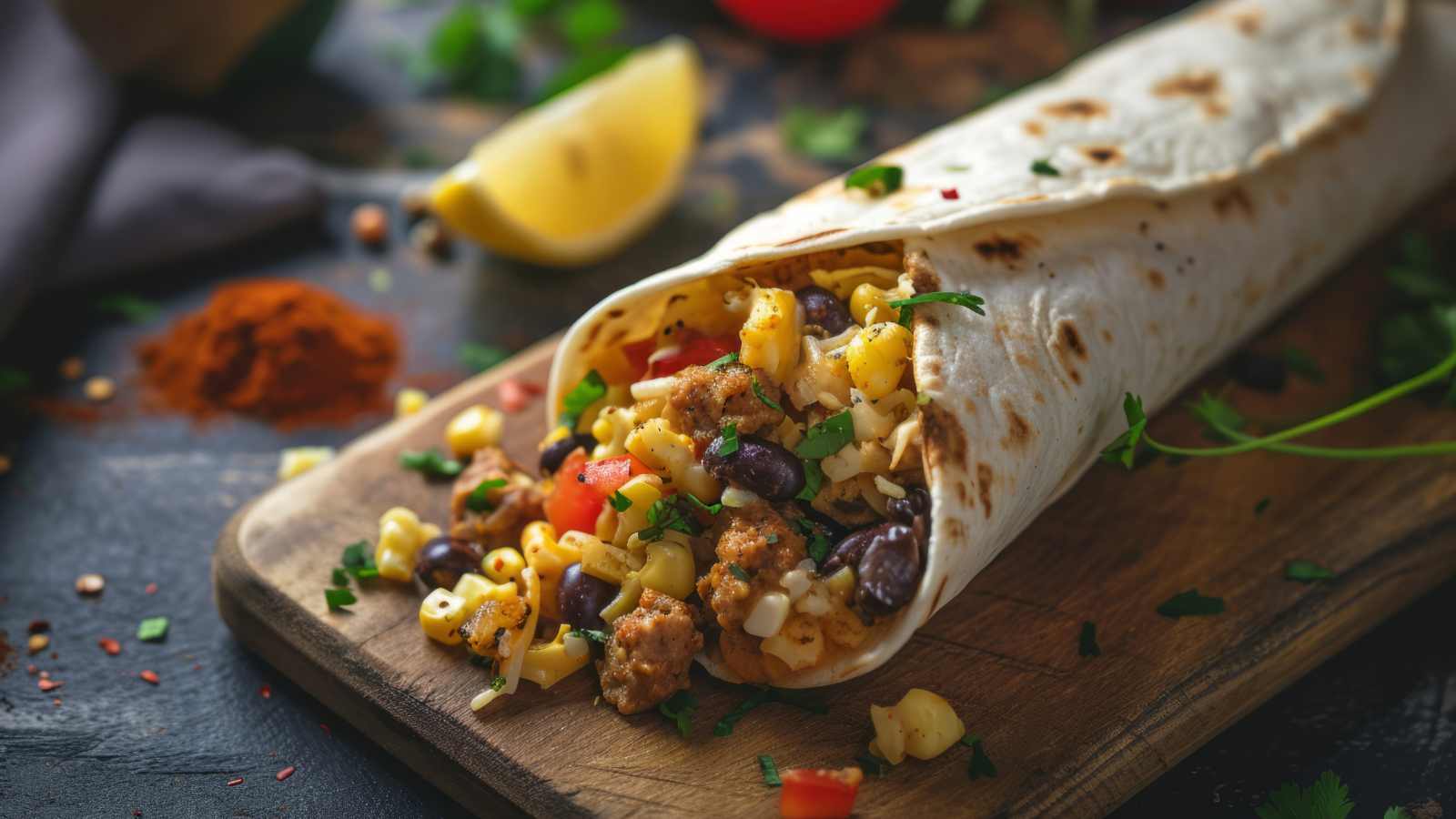
Some carriers think oversized breakfast burritos will feel luxurious after takeoff, but attendants know better: too large, too heavy, and too prone to sogginess by service time.
While breakfast options are often seen as tasty, especially with fruit and yogurt in certain regions, crews note that oversized burritos are “a mistake in packaging” because steam builds up and texture suffers.
Airline catering surveys support this, showing that breakfast overall varies passenger‑to‑passenger, with some preferring lighter fare. Looking at overall meal trends, breakfasts that align with the time of day, with lighter choices earlier in travel, tend to score higher in satisfaction.
The Endless Salad That Rolls Onto the Tray Table

Salads can be refreshing, but flight attendants often judge this choice when they see iceberg‑heavy leaves with minimal dressing or toppings. Survey data suggests that while plant‑based choices are popular, not all salads satisfy, because many end up soggy, small, or unseasoned.
Flight attendants report that these meals are frequently returned to the carts uneaten, and with about 90% of premium travelers now prioritizing healthy options, airlines face the challenge of balancing freshness with in-flight practicality.
The Plain Cheese Sandwich That Disappears Fast on Purpose

Simple sandwiches, especially plain cheese or turkey, have become frequent short‑haul staples because they’re easy to prepare. Flight attendants, however, quietly note that passengers only pick them when they’re hungry but lacking enthusiasm.
Minimal seasoning and repetitive patterns make these choices forgettable, and because airlines often prepare them in bulk, crews see them circulate back to the galley when passengers trade or refuse them.
Save this article
Recent trends show that passengers prefer quality over quantity, with 75% willing to accept fewer meal options if the food itself is genuinely good.
The Tiny Snack Box on a Long Flight That Triggers Side‑Eye

A short snack box might be acceptable on flights under 3 hours, but serving one on a transcontinental or international trip triggers whispered judgments. Frequent flyers on routes with long-haul schedules expect more substantial meals, and airline satisfaction charts confirm that snack‑only service on these flights drops overall enjoyment by double‑digit points.
Flight attendants often sympathize with passengers who expected hot meals but instead received pretzels and a cookie, because they’ve seen the social media backlash that follows.
The Generic Inflatables That Look Better in Ads Than Reality

Airlines often advertise regional or seasonal menus, describing them as fresh and inspired. Crew members know that reality can be “shockingly standard” because up to 60% of airline meals are sourced from centralized kitchens rather than local farms, especially for economy-class service.
Airline meal surveys reveal that while regional cuisine increases satisfaction, poorly executed versions of these items are frequently passed over by passengers and silently judged by attendants, who hear endless “Is this supposed to be [local dish]?” comments in the cabin.
The Over‑Sauced Pasta That Falls Apart at Altitude

Pasta with too much sauce seems hearty on paper, but in-flight it quickly turns into a soggy or congealed mess when reheated. Flight attendants regularly hear passengers say it tastes “mushy” or “one‑noted,” and airline catering experts warn that sauces change texture at cabin pressure.
While surveys find that Mediterranean and Italian offerings are popular on the ground, at altitude, these dishes can lose points, and crews note that when a pasta dish smothers any flavor contrast, it often becomes the most disliked entree on a menu rotation.
The Minimal Dessert That Disappoints the Sweet Tooth

Dessert looms large in customer satisfaction studies. If the main meal fails but dessert lands well, satisfaction can bounce back; but a too‑small brownie or tasteless pudding sends riders straight to review boards after landing.
Flight attendants coin terms like “dessert disappointment” when sweet choices lack flavor or substance, and these choices often get traded for snacks from flight carts.
Data show that improving beverage and dessert selection can increase overall meal satisfaction by nearly 30%, underscoring how important the endnote of a meal really is.
The Exotic Dish That Misses the Mark

Cultural or regional specialties can wow passengers on the ground yet fizzle at 30,000 ft. Flight attendants often critique dishes that carry spices or textures passengers aren’t expecting in-flight, because airline research shows that palates adjust differently at altitude.
Even though global menus featuring Asian, Mediterranean, or Latin cuisine now account for 40% of popular choices, crews report that if a dish arrives with too strong or unfamiliar flavors, it gets skipped in favor of safer sweets or snacks, and that such selections draw raised eyebrows.
The Pricey Upgrade That Isn’t Worth It

Many flyers will pay extra for premium meals, surveys indicate about 70% of travelers are willing to pay more than $3 for protein upgrades, but not all upgrades live up to expectations.
Flight attendants regularly debate the value of enhanced meals when they see passengers request the same tired chicken or fish option with a minimal premium.
Industry analysts warn that unless upgraded meals significantly improve taste and presentation, they won’t sway satisfaction scores, and attendants often share that sentiment, observing the disconnect between price tags and actual enjoyment.
Key Takeaways

• Healthier, fresher meals are trending, with special requests up dramatically in recent years.
• Many choices judges flight attendants aren’t about snobbery, they’re about what actually flies well at altitude and gets eaten.
• Planning ahead with pre‑orders or choosing meals with bold flavors and fresh ingredients often leads to better experiences.
Disclaimer: This list is solely the author’s opinion based on research and publicly available information. It is not intended to be professional advice.
Like our content? Be sure to follow us





