

Research increasingly links modern eating habits, from sugary drinks to ultra-processed foods, with the rising global burden of liver cancer.
Liver cancer, mostly hepatocellular carcinoma (HCC), is one of the deadliest cancers, with over 850,000 new cases diagnosed annually worldwide.
In the U.S., liver cancer rates have been climbing steadily, and experts predict this trend could continue over the next decade. But here’s the catch: many of the eating habits that increase your risk of liver cancer are under your control.
While no single food or drink will directly cause liver cancer, combining poor diet habits with pre-existing conditions like obesity or viral hepatitis can significantly elevate your risk.
In fact, the American Cancer Society reports that liver cancer survival rates remain low, largely because it often goes undetected until the later stages. Here are 12 eating habits that you might want to rethink to protect your liver.
Drinking Sugary Beverages Every Day
It’s no surprise that sugary drinks can wreak havoc on your waistline, but did you know they also significantly increase your liver cancer risk?
A U.S. study tracking 90,000 postmenopausal women found that those who drank just one sugar-sweetened beverage daily had a 78% higher risk of developing liver cancer compared to those who consumed fewer than three sugary drinks per month. This is a massive increase, given that sugary beverages increase insulin resistance, promote liver fat accumulation, and trigger inflammation.
“Our findings suggest sugar-sweetened beverage consumption is a potential modifiable risk factor for liver cancer,” says Longgang Zhao, lead author of the study. It’s a stark reminder that those soda refills may be quietly contributing to more than just a sugar rush.
Overdoing Alcohol
A cold beer or a glass of wine can be an enjoyable part of life, but chronic alcohol use is a leading factor in liver cancer risk. In a Taiwanese study, researchers found that habitual alcohol drinking raised the risk of liver cancer, regardless of hepatitis infection or exposure to aflatoxins.
Chronic alcohol intake accelerates liver fibrosis and promotes oxidative stress, both key processes in liver cancer development. If you regularly drink more than the recommended daily intake (1-2 drinks for most adults), it’s time to reassess. Alcohol and liver health don’t mix well, and the effects are more pronounced when combined with obesity or viral hepatitis.
Regularly Eating Moldy or Poorly Stored Grains, Nuts, or Corn
You probably don’t think about mold when you’re snacking on nuts or nibbling on grains, but certain molds, like aflatoxin B1, can be highly carcinogenic, particularly when these foods are improperly stored.
A Shanghai cohort study found that high exposure to aflatoxin metabolites was linked to a 2.4-fold increase in liver cancer risk. The biggest offenders? Corn, peanuts, and other grains that are stored improperly. Even small amounts of these contaminants can build up in your body over time and lead to liver damage.
A 2019 review noted that aflatoxin exposure plus hepatitis B creates a “double whammy” for liver cancer risk.
Living on Ultra-Processed Foods
Sometimes, convenience wins out. But reaching for that bag of chips or frozen meal can come with consequences. A 2024 prospective study linked higher consumption of ultra-processed foods (like processed meats, sugary cereals, and packaged snacks) to a significant increase in liver cancer risk.
These foods are often high in refined carbs, industrial fats, and additives, all of which promote insulin resistance, fatty liver, and obesity. This kind of diet, especially when paired with high alcohol intake, sets the stage for liver disease.
High Red and Processed Meat Intake
Red meat might be a staple in your diet, but eating too much of it could be detrimental to your liver. A 2020 meta-analysis found that red meat intake is positively associated with several cancers, including liver cancer, while processed meats were directly tied to colorectal cancers and liver issues.
Red meat is rich in heme iron, which can drive oxidative stress in the liver, while processed meats often contain nitrosamines, compounds that damage liver cells.
Experts recommend cutting down on red meat and opting for plant-based proteins or lean poultry.
More articles:
- Common spices linked to colon cancer prevention
- Potato chips may be linked to higher colon cancer risk, here’s why
- 13 Superfoods for Digestive Health You Can’t Ignore
Chronically Overeating and Maintaining Obesity
It’s no secret that obesity is a huge risk factor for liver disease, but it’s especially tied to a condition called Metabolically Dysregulated-Associated Steatotic Liver Disease (MASLD), which often progresses to liver cancer.
In a Taiwanese study, obese individuals had a 5.1 times higher risk of liver cancer compared to those with a healthy weight. Excess fat, particularly visceral fat (fat around your organs), creates a breeding ground for inflammation and fatty liver. If you’re carrying extra weight, shedding a few pounds could lower your liver cancer risk.
Eating Very Little Fruit, Vegetables, and Whole Foods
A diet that’s low in fruits and vegetables and high in processed foods is a recipe for disaster when it comes to liver health. A study by the Harvard T.H. Chan School of Public Health found that people who regularly consume fruits and vegetables have significantly lower risks of liver disease.
The fiber, antioxidants, and anti-inflammatory compounds found in these foods help reduce oxidative stress and support the liver in metabolizing fats. So, a diet rich in plant foods doesn’t just keep you healthy; it helps keep your liver functioning optimally.
Constant High-Sugar, High-Glycemic Eating
That midday sugar rush from a candy bar or sugary snack might be satisfying at the moment, but it’s doing your liver no favors. High sugar and refined starches like white bread and desserts are notorious for promoting insulin resistance and fatty liver.
Save this article
Over time, this creates the perfect environment for liver cells to become damaged, raising your liver cancer risk. Studies have shown that even moderate consumption of these foods increases the risk of fatty liver disease and liver cancer.
Heavy Salted, Smoked, and Pickled Foods

Smoked and salted foods aren’t just bad for your heart; they’re also harmful to your liver. Nitrosamines, which form when meat is smoked or preserved with salt, are potent carcinogens. They can lead to chronic liver injury, especially when combined with hepatitis infections.
A review published in Liver Cancer Research suggests that the oxidative damage caused by high-salt, smoked, and pickled foods contributes to liver cancer development. Limiting these foods and opting for fresh produce is a safer choice for liver health.
Relying on Supplements or Herbs Instead of a Healthy Diet
Many people turn to supplements and herbal products in search of a quick fix, but some unregulated herbal supplements and high-dose pills can harm the liver.
A study in Hepatology Reports highlighted cases where unregulated “detox” supplements caused liver injury and, in rare cases, liver failure. When combined with unhealthy eating habits, these supplements can elevate your risk for liver cancer.
Experts recommend a food-first approach: a balanced diet rich in whole foods is the safest way to keep your liver healthy.
Ignoring Viral Hepatitis While Eating a High-Risk Diet

If you’re living with chronic hepatitis B or C, adding risky food habits like alcohol consumption, processed foods, and sugary drinks only multiplies your liver cancer risk.
Research by the World Health Organization (WHO) confirms that 80% of liver cancer cases worldwide are linked to viral hepatitis. If you have hepatitis, it’s crucial to avoid high-risk foods and focus on a liver-friendly diet. This includes plenty of vegetables, whole grains, and healthy fats.
“Doing Nothing” After Being Told You Have a Fatty Liver
Finally, ignoring fatty liver disease (FLD) can be your worst mistake. If your doctor tells you that you have MASLD, doing nothing about it can increase your liver cancer risk exponentially.
Studies have shown that fibrosis and cirrhosis, often resulting from untreated fatty liver, significantly increase the risk of liver cancer. The solution? Early lifestyle interventions like weight loss, reduced alcohol intake, and a balanced diet can prevent the progression of fatty liver to more severe liver conditions.
Key Takeaways
Liver cancer is one of the deadliest cancers, and it’s largely preventable with the right diet. Avoiding sugary drinks, excessive alcohol, and ultra-processed foods while incorporating more fruits, vegetables, and whole foods can significantly reduce your risk.
Regular screening for viral hepatitis and maintaining a healthy weight are key. By making small, conscious dietary changes, you can protect your liver and lower your risk for liver cancer.
Disclosure: This article was developed with the assistance of AI and was subsequently reviewed, revised, and approved by our editorial team.
Like our content? Follow us on Newsbreak.
15 foods centenarians eat to live to 100

Living to 100 is less about rare genes and more about the everyday foods quietly shaping your health right now.
Reaching the age of 100 might seem like winning a genetic lottery to many people, but research suggests your grocery list plays a massive role. Those vibrant communities known as Blue Zones, where people frequently live past a century, rely heavily on what they put on their dinner plates. We have compiled a list of specific ingredients that act as fuel for a long, healthy life, without needing a magic potion. Learn more
10 foods with more blood pressure benefits than beets
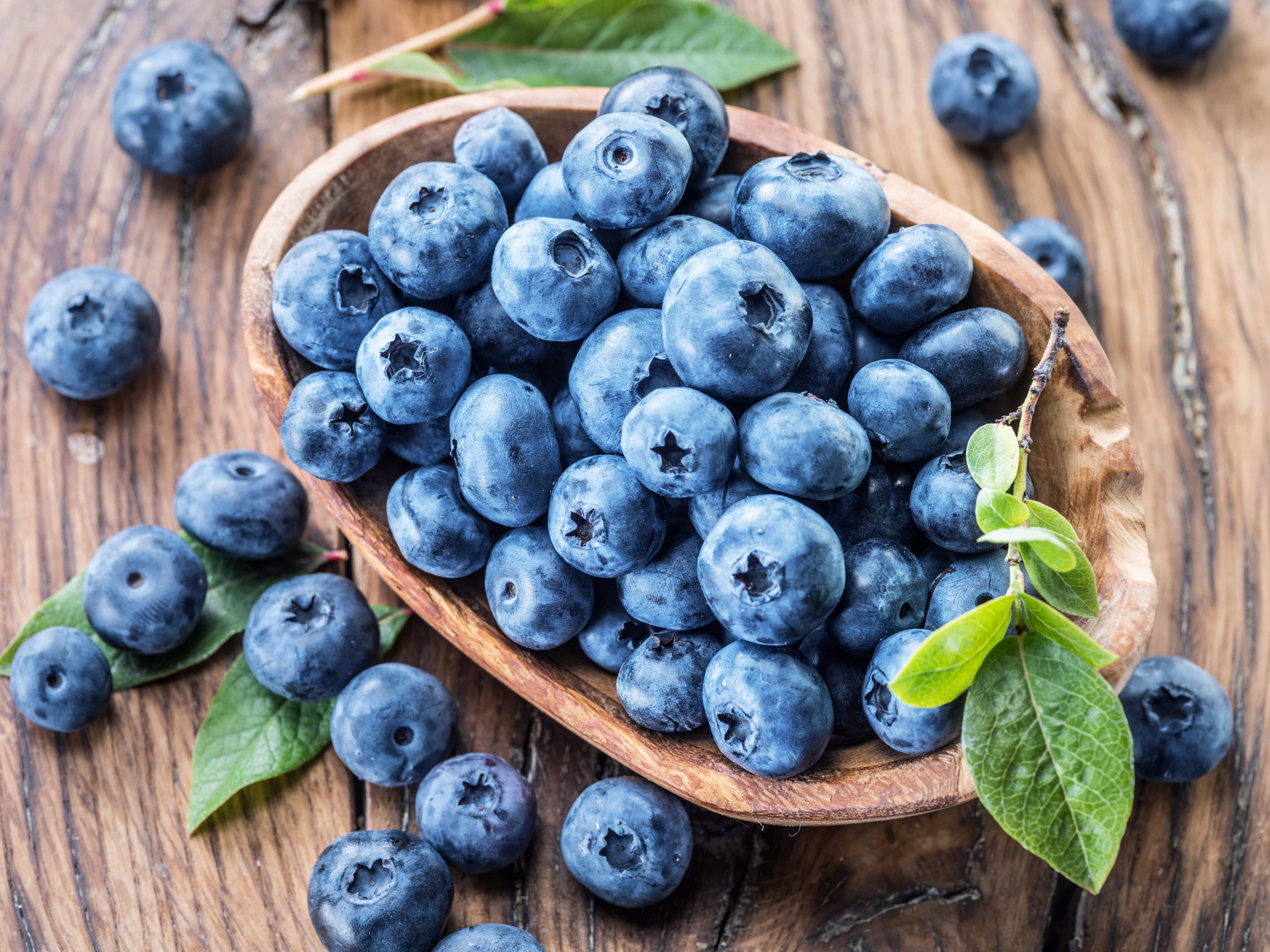
Beets get all the credit for lowering blood pressure, but they’re far from the best option.
We have all heard the hype about beet juice being the miracle elixir for hypertension, and the science technically supports it. However, relying solely on beets is like patching a tire with duct tape because the effects are incredibly temporary and often vanish within a single day. While beets can offer a quick fix, they do not provide the sustainable, long-term support your cardiovascular system needs to stay stable. Learn more.
15 eating habits that can help improve hormone balance after 45
Hormones often feel like the wild card of midlife. In women past 45, hormone levels begin to fluctuate and can have an impact on things as varied as mood and metabolism. Do you know that the World Health Organization says most women experience menopause between the ages of 45 and 55 years?
This normal change reduces the amount of estrogen in your body and alters your physiology. It is estimated that approximately ¾ of women experience menopausal symptoms connected to the hormonal fluctuations that affect energy levels and weight. Learn more.





