

Your gut has become one of the busiest neighborhoods in modern health talk, and for good reason. Digestive health is no longer a side conversation tucked away in pharmacy aisles or in probiotic ads.
It is a fast-growing industry, with a Grand View Research estimate putting the global market for digestive health products at about $51.62 billion. Dairy products still account for the largest share, and probiotics dominate the ingredient side of the business.
People want better digestion, better energy, less bloating, and a happier bathroom routine, but many still miss the food basics that shape the gut every single day. So this list is about the foods and tools that keep showing up in the research, the grocery cart, and real life.
Fermented Dairy

If digestive health had an everyday workhorse, yogurt and kefir would be right near the front of the line. A 2025 review in Nutrients described fermented dairy products as “precision modulators” of the gut microbiota because they can bring live microbes, short-chain-fatty-acid-related effects, bioactive peptides, and a food matrix that people already know how to eat.
That same review linked fermented dairy intake with greater microbial diversity, stronger gut barrier function, and improvements in markers such as fasting glucose, blood pressure, lipids, and inflammation in some clinical settings.
The business side tells the same story in plain English: Grand View Research says dairy products accounted for about 74% of digestive-health-product revenue in 2023, which shows this is not a fringe wellness habit. It is mainstream behavior.
If you want a gentle, realistic starting point, a cup of plain yogurt with fruit or a glass of kefir does more for most people than buying a random supplement they will forget in a week.
High-Fiber Whole Grains

Whole grains do not get the same glamorous treatment as kombucha or probiotic gummies, yet they may be doing some of the heaviest lifting on this whole list. Oats, barley, rye, and true whole-wheat foods help close the fiber gap that still defines modern digestive health.
A 2021 intervention study found that when healthy adults increased their fiber intake by about 25 grams a day for two weeks, their gut microbiome changed in measurable ways, including increased growth of fiber-degrading bacteria.
Reviews published in 2022 and 2024 also link higher-fiber, whole-food eating patterns with greater microbial richness and lower risk of inflammatory diseases. This is the part people often skip because it sounds ordinary, but ordinary is exactly the point.
Your gut microbes do not care that chia pudding got more social media likes than oatmeal. They care that you fed them fermentable fiber on Tuesday and did it again on Wednesday. Whole grains are less of a trend and more of a dependable daily vote for a steadier digestive system.
Kiwi
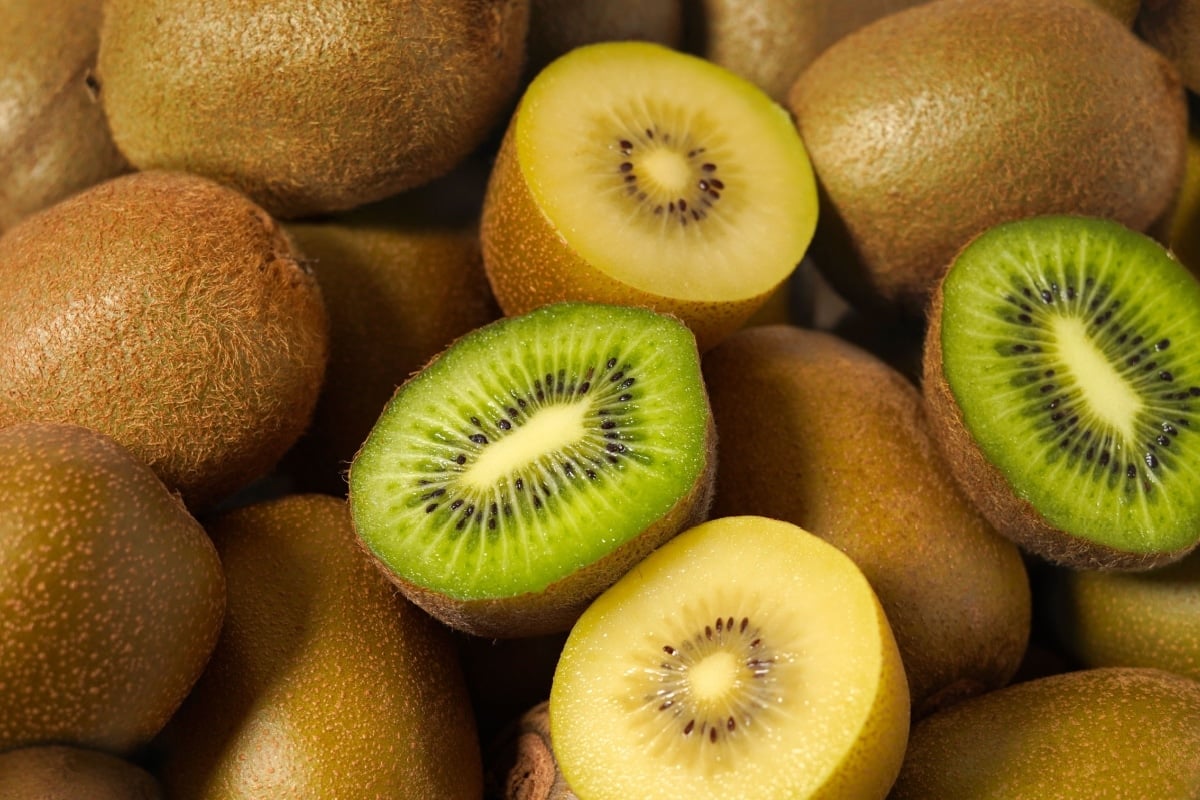
Kiwi has quietly built one of the strongest resumes in the fruit aisle for constipation relief, and it did it without the loud wellness branding that usually follows “superfoods.”
A 2023 multicenter randomized crossover trial found that eating two green kiwifruits a day improved constipation and abdominal comfort in people with functional constipation and IBS-C. A 2022 systematic review and meta-analysis also found that kiwifruit increased stool frequency and improved symptom scores in functional constipation. That matters because people often want something more natural than powders, laxatives, or heavily marketed fiber drinks.
Kiwi fits real life beautifully: slice it into yogurt, blend it into a smoothie, or just eat it over the sink like a person trying to get through a Tuesday. It feels low drama, but the data are solid. If your digestion tends to slow down the minute life gets hectic, kiwi is one of the easiest “food first” moves you can make without turning your kitchen into a supplement shelf.
Prunes and Other High-Fiber Fruits

Prunes have spent years being treated like a punchline, which is a little unfair given how often they appear in serious digestive-health research. The 2022 fruit-and-constipation review found that fruits like prunes, kiwifruit, apple fiber, and orange can help with stool frequency, transit time, and the bacterial patterns linked with smoother bowel habits.
That same body of research suggests fruits are not interchangeable little sugar bombs. Some pull more weight than others. Prunes, citrus, and kiwi keep surfacing because they bring a mix of fiber, sorbitol or fermentable compounds, and microbiome effects that seem stronger than what many lower-fiber fruits can offer.
So if your snack routine leans hard on grapes, melon, or whatever looked shiny at the store, swapping in a few prunes or a more fiber-dense fruit can change the texture of your whole week, not just your breakfast. Digestive health often looks boring in practice. That is not a flaw. It is usually a sign that something actually works.
Fermented Vegetables

Fermented vegetables have moved from “that thing your adventurous cousin eats” to one of the clearest trend stories in the gut-health world. In the 2024 What’s Trending in Nutrition survey of 564 registered dietitian nutritionists, fermented foods topped the superfood list. The science gives that trend some backbone.
A 2025 review in Nutrients described fermented foods as complex microbial ecosystems that can enhance microbial diversity, barrier function, and anti-inflammatory processes, while Stanford’s well-known fermented-food trial found that a 10-week diet high in fermented foods increased microbiome diversity and lowered multiple inflammatory proteins.
Stanford microbiologist Justin Sonnenburg called that result “a stunning finding.” That line landed because it captured the study’s surprise: food shifted the gut in a way people could actually measure. Kimchi, sauerkraut, and fermented pickled vegetables are still salty foods, so they are not a free-for-all, but a modest serving alongside regular meals can bring a lot more to the table than flavor alone.
Legumes
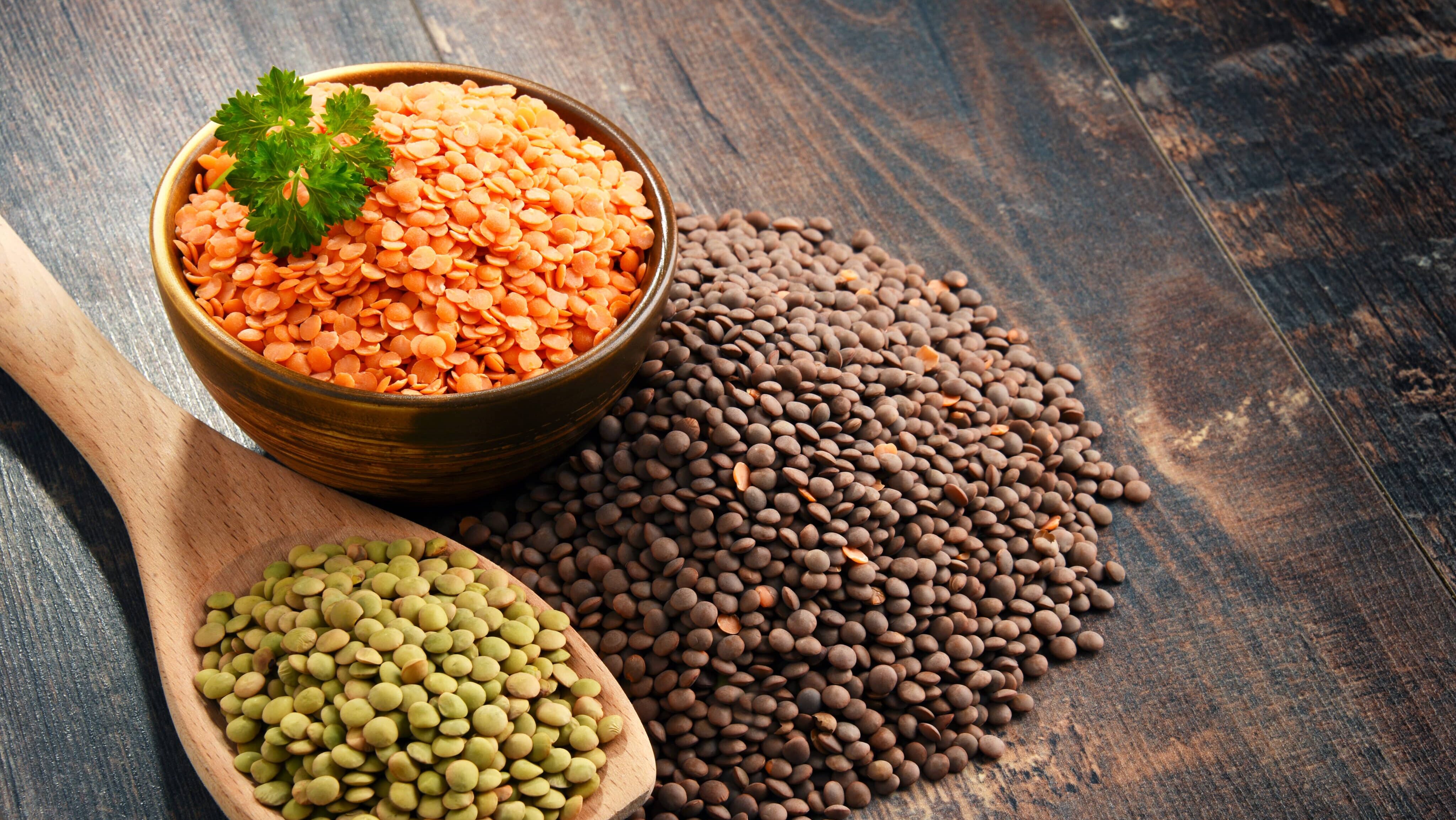
Legumes deserve far more attention in digestive-health writing because they are practical, cheap, filling, and deeply useful to the microbiome. Lentils, chickpeas, black beans, and their cousins feed gut bacteria with soluble fiber, insoluble fiber, and resistant starch, which in turn help generate short-chain fatty acids like butyrate.
Those compounds support colon cell health, barrier integrity, and reduced inflammatory signaling. Reviews of high-fiber diets and plant-forward microbiome patterns keep circling back to this same point: diets built around legumes and other minimally processed plant foods support richer microbial communities than standard low-fiber Western diets.
This is not abstract science for lab coats alone. It is chili, lentil soup, bean tacos, chickpea pasta salad, hummus bowls, and pantry dinners that cost less than takeout. Many people say they want better gut health, then skip one of the cheapest and strongest tools available because beans don’t feel glamorous. Your microbiome is not chasing glamour. It is a substrate-chaser, and legumes provide plenty of it.
Peppermint, Especially Enteric-Coated Oil

Peppermint sits in a different lane from yogurt or oats because it is not a “superfood” in the eat-it-every-day sense. It is more of a condition-specific helper, especially for people dealing with IBS-type symptoms.
A 2019 meta-analysis that pooled 12 randomized trials involving 835 patients found that peppermint oil improved global IBS symptoms and abdominal pain compared with placebo. The American College of Gastroenterology later said that peppermint oil may help relieve global IBS symptoms, though it graded the evidence as low quality. That is the nuance people need.
Peppermint is not some magical reset for every digestive complaint under the sun. It is a targeted option that appears most useful for the cramping, pain, and discomfort side of IBS, especially in enteric-coated form, which is designed to reach the gut rather than dissolving too early. If you deal with IBS flares, peppermint oil is not hype-free, but it is more than folklore, too.
Save this article
Ginger
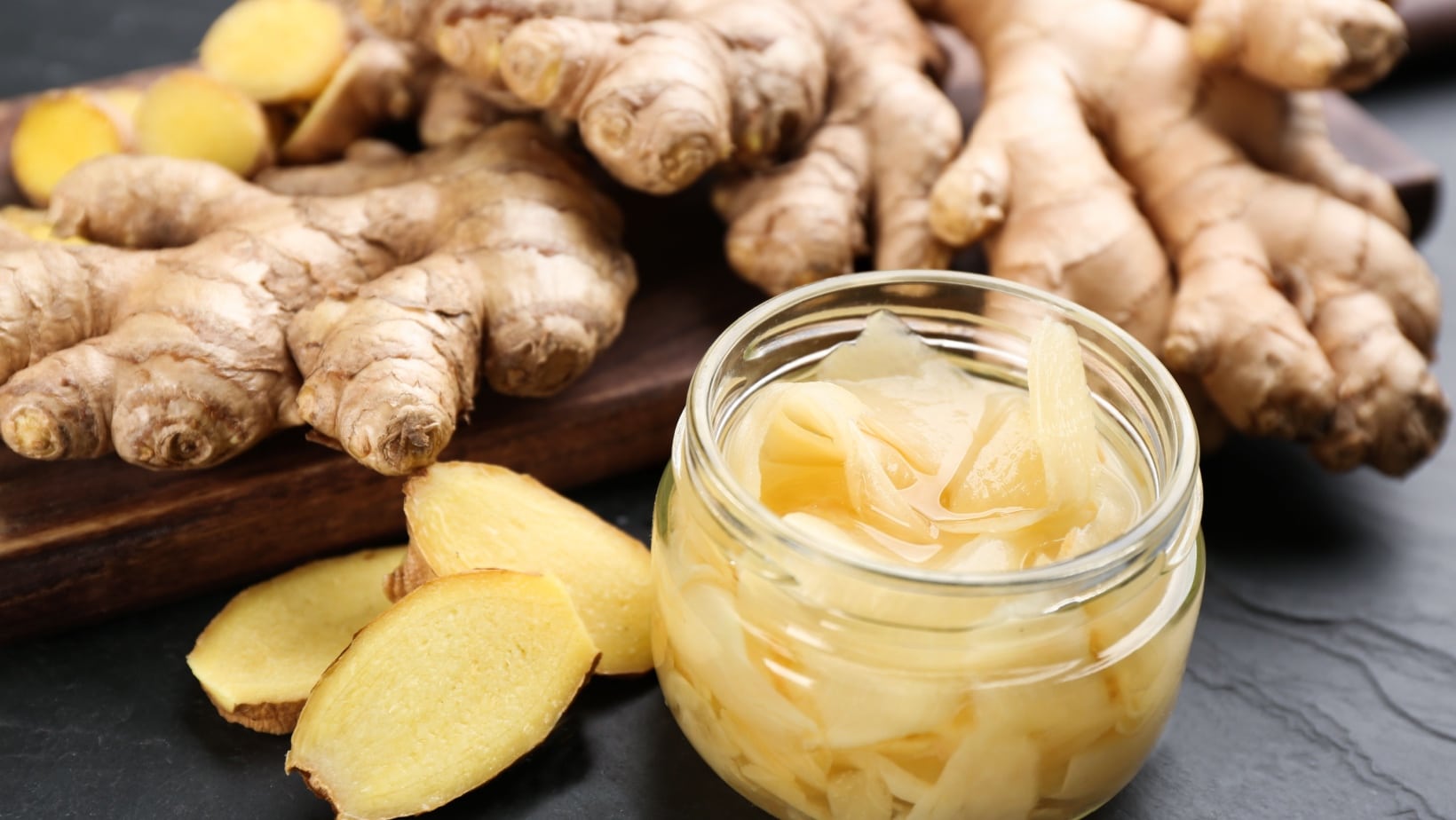
Ginger is one of those ingredients people reach for almost instinctively when the stomach starts acting up, and science partly supports that habit. The catch is that the evidence is mixed once you move from nausea and general digestive discomfort into the IBS world.
A 2014 pilot trial found that ginger was well tolerated in patients with IBS but did not outperform placebo, which is important because the placebo response in IBS studies is notoriously high. A 2024 review still argued that ginger may help with bowel disorders through anti-inflammatory and motility-related effects, but it also stressed that the evidence base remains uneven and insufficient to make ginger a one-size-fits-all digestive fix.
That makes ginger a useful supporting player, not the main character. It works beautifully in tea, stir-fries, broths, and soothing meals, and it may help people with nausea or mild digestive discomfort. It just deserves a little less hype and a little more honesty than it usually gets online.
Citrus, Berries, and Other Polyphenol-Rich Fruits

Fiber gets most of the attention in fruit conversations, but colorful fruits also carry polyphenols that act like little microbial coaches inside the gut. The 2022 fruit-and-constipation review found that fruit interventions could increase beneficial bacteria such as Bifidobacterium and Lactobacillus acidophilus, with pome fruits, citrus, and berries showing especially interesting effects.
That matters because gut health is not just about moving your bowels faster. It is also about shaping the kinds of microbial activity in the colon and the byproducts those microbes produce. Oranges, berries, and apples provide fermentable fiber and polyphenols in one neat package, making them more useful than a simple “sweet but healthy” label suggests.
This is a gentle nudge to add more color if your daily fruit routine feels repetitive or low-effort. Blueberries, oranges, raspberries, and apples are not exotic. That is part of their beauty. They are easy to find, easy to eat, and much more influential than their familiar look suggests.
Prebiotic Fibers

Prebiotics sound technical, but the real-life version is simple: these are fibers that feed the microbes you already have instead of trying to add new ones from a capsule. Reviews published in 2025 on “biotics” and in 2022 on dietary fiber and inflammation both show that prebiotic fibers can shift the microbiome toward short-chain fatty acid producers, thereby improving gut barrier function and immune signaling.
You can find them in chicory root, onions, garlic, asparagus, legumes, green bananas, and even cooled potatoes or rice, which form resistant starch after cooking. This is where digestive health starts to feel beautifully ordinary again. It is not always a boutique product with a pretty label. Sometimes it is leftover potato salad, a bowl of lentils, or a pan of roasted onions. If that sounds underwhelming, good.
The most useful gut-health foods often look like dinner, not a promise. Consistent prebiotic intake gives the microbiome a reason to stay metabolically active, and that steady pattern tends to matter more than one random “gut reset” weekend.
Traditional Fermented Drinks

Fermented drinks are riding the same cultural wave that pushed kimchi into supermarket coolers and kefir into the breakfast aisle. They are convenient, portable, and easy for people who like the idea of gut-friendly foods but do not want to cook anything else.
The science here is still growing, but the 2025 fermented-food review says kombucha and other fermented beverages may modestly enrich SCFA-producing taxa and support gut barrier and immune function, especially as part of a broader fermented-food pattern. The bigger story may be behavioral, though.
Drinks fit modern life. They travel, they feel easy, and they appeal to younger shoppers who are more likely to reach for a bottle than a bowl of sauerkraut. That makes them a realistic entry point into fermented foods, with one caution: labels matter.
Some kombuchas and drinkable gut products contain far more sugar than their earthy branding suggests. A fermented drink can help, but it works best as a smart addition to a fiber-rich eating pattern, not as a sweet little shortcut around it.
Justin Sonnenburg, PhD, associate professor of microbiology and immunology at Stanford Medicine, says,“It provides one of the first examples of how a simple change in diet can reproducibly remodel the microbiota across a cohort of healthy adults.”
Probiotic Supplements

Supplements deserve real space in this conversation because people clearly care about them. Market reports show probiotics still hold the largest ingredient share in digestive-health products, with estimates around 87.6% in 2023 and about 88.2% in 2024, depending on the report.
That dominance reflects a powerful belief that better digestion can be bottled. The problem is that science stays stubbornly specific. Some randomized trials show real benefit in targeted situations, but others do not.
A 2023 randomized controlled trial in Huntington’s disease gene carriers found probiotic intervention did not improve gut dysbiosis, cognition, mood, or GI symptoms over six weeks. A 2023 safety review also highlighted a harder truth: probiotics are not always harmless background players, and some evidence suggests they can delay the microbiome’s return to baseline after antibiotics in certain cases.
That is why family physician and probiotic researcher David Merenstein and colleagues argue for a more tailored, strain-specific view. Probiotics can help, but they are tools, not magic.
Fiber Itself

After all the capsules, cultures, fruits, herbs, and market reports, we end up back at the least glamorous answer on the page: fiber itself may be the most powerful digestive superfood in the room.
Adults in North America still average about 17 grams a day, far below common guidance, and that shortfall shapes the microbiome in ways that ripple into inflammation, bowel regularity, and chronic disease risk. Higher-fiber patterns built around fruits, vegetables, whole grains, legumes, and other minimally processed plant foods are linked to richer microbial diversity and more favorable metabolic signaling.
That means the healthiest gut strategy is not chasing one perfect item. It is building a week’s worth of meals that repeatedly feed your microbes the fiber they need. If that sounds less exciting than a flashy supplement ad, I get it.
But sometimes the most powerful fix is the one that looks ordinary enough to stick. Your gut does not need a dramatic makeover. It needs dinner, breakfast, lunch, and snacks that keep showing up.
Key Takeaways

Digestive health has gone mainstream, but fiber still lags. Market estimates put the digestive health products market at about $57.4 billion in 2024, yet adults in North America still average only about 17 grams of fiber daily, leaving the gut underfed before any supplement even enters the chat.
Whole Foods keeps posting the strongest results. Fermented dairy, fermented vegetables, legumes, kiwi, prunes, colorful fruits, and whole grains all show evidence of microbial diversity, increased stool frequency, increased SCFA production, or reduced inflammatory signaling.
The best gut-health plan still looks wonderfully simple. Eat more diverse plant fiber, use fermented foods on purpose, keep supplements in the “targeted tool” category, and give the strategy enough time to matter.
Disclaimer –This list is solely the author’s opinion based on research and publicly available information. It is not intended to be professional advice.
Like our content? Be sure to follow us





