

Living to 100 is less about rare genes and more about the everyday foods quietly shaping your health right now.
Reaching the age of 100 might seem like winning a genetic lottery to many people, but research suggests your grocery list plays a massive role. Those vibrant communities known as Blue Zones, where people frequently live past a century, rely heavily on what they put on their dinner plates. We have compiled a list of specific ingredients that act as fuel for a long, healthy life, without needing a magic potion.
These dietary staples are surprisingly simple, affordable, and likely sitting on your local supermarket shelves right now waiting for you to pick them up. Adopting these eating habits can feel like a small change today that pays off with extra decades of vitality down the road. Let us look at the pantry of the world’s oldest people to see what keeps them going strong year after year.
Beans And Legumes
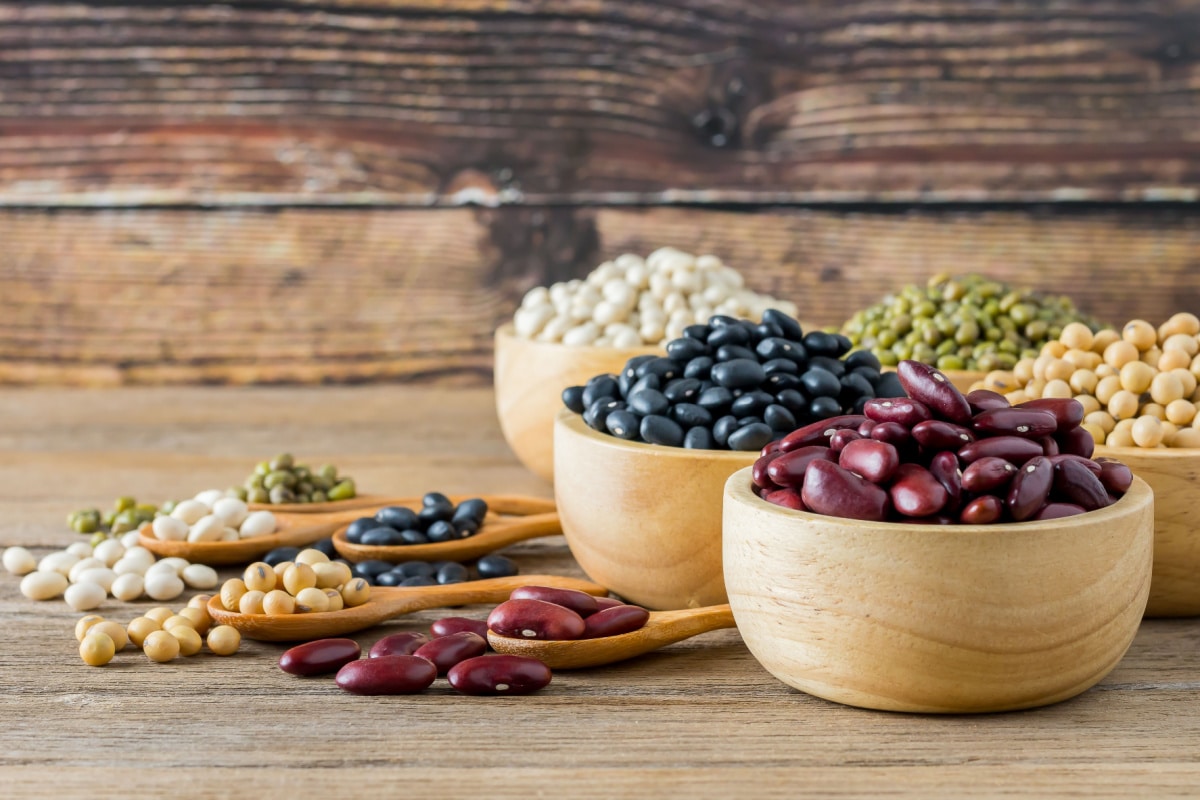
Beans are practically the cornerstone of the superfood for almost every long-lived culture from Costa Rica to Italy because they are packed with fiber and plant protein. A pivotal study 403 published in the Asia Pacific Journal of Clinical Nutrition found that for every 20-gram increase in daily legume intake, the risk of death dropped by 8%. You might want to swap out meat a few times a week for a hearty black bean soup or a lentil stew to mimic this longevity habit.
These humble pulses are also incredibly cheap and versatile, making them an easy addition to any meal plan regardless of your budget or cooking skills. They provide a slow and steady release of energy that keeps your blood sugar stable and your energy levels consistent throughout the day. You can toss them into salads or mash them into dips to easily boost your nutrition without overthinking dinner.
Walnuts And Almonds

Snacking on a handful of nuts is a common habit among the world’s oldest people who need a quick energy boost between their daily activities. Research published in BMC Medicine indicated that people who ate nuts at least three times a week had a 39% lower risk of premature death compared to non-eaters. It turns out that carrying a small bag of almonds in your pocket is a smarter move than grabbing a bag of chips.
Nuts are loaded with healthy fats and essential nutrients that support heart health and help keep inflammation in check as you age. Just a small handful is enough to reap the benefits without going overboard on calories since they are quite dense and filling. You can sprinkle chopped walnuts on your morning oatmeal or just eat them plain for a satisfying crunch.
Extra Virgin Olive Oil

People in the Mediterranean region practically bathe their food in olive oil, and their low rates of heart disease prove they are onto something big. A 2022 study in the Journal of the American College of Cardiology showed that consuming more than half a tablespoon of olive oil daily lowers the risk of dying from cardiovascular disease by 19%. Using this liquid gold for cooking or drizzling over fresh vegetables is a delicious way to protect your arteries.
This oil is rich in monounsaturated fatty acids and antioxidants that help fight oxidative stress, a contributor to aging. Switching from butter or vegetable oils to quality olive oil is one of the simplest upgrades you can make for your kitchen and your body. It enhances the flavor of almost anything it touches while silently working to keep your cells functioning longer and younger.
Wild Caught Salmon

While many centenarians rely heavily on plants, those in places like Okinawa and Italy often enjoy fish as a treat or a regular staple. Fatty fish like salmon provide high levels of omega-3 fatty acids that are essential for maintaining brain function and reducing the risk of heart attacks. You do not need to eat it every day, but having fish on the menu a couple of times a week provides distinct protective benefits.
The protein in fish is easier for the body to digest than that in red meat, which becomes important as our digestive systems slow down with age. Eating grilled or baked salmon lets you get high-quality protein without the saturated fat found in steak. It pairs perfectly with roasted vegetables for a meal that feels light yet keeps you full for hours.
Purple Sweet Potatoes

In Okinawa, Japan, the purple sweet potato is not just a side dish; it has been a survival food and a staple for generations. These vibrant tubers are packed with complex carbohydrates and anthocyanins, which are powerful antioxidants that give the potato its deep purple color. They digest slowly to prevent insulin spikes and provide a steady stream of energy to get you through the afternoon slump.
The nutritional profile of these potatoes supports a strong immune system and helps lower blood levels of inflammation markers. Swapping your regular white baked potato for this colorful variety adds a sweet flavor and a massive nutritional punch to your dinner plate. You can roast them whole or cube them into stews for a comforting meal that fights aging from the inside out.
Oatmeal

A warm bowl of oats is the breakfast of choice for many Americans living in Loma Linda, California, a famous longevity hotspot. According to a study in the Journal of Nutrition, eating 3 servings of whole grains daily was linked to a 25% lower risk of heart disease-related death. Starting your morning with this fiber-rich grain sets a healthy tone for the rest of the day and keeps cholesterol levels in check.
Oats contain a specific type of fiber called beta-glucan that is famous for its ability to sweep bad cholesterol out of your system. You can dress up your morning bowl with fresh fruit and cinnamon to make a heart-healthy meal taste like a treat. It is a simple habit that takes only minutes to prepare but offers lasting protection for your cardiovascular system.
Garden Fresh Tomatoes

Tomatoes are a non-negotiable ingredient in the Sardinian diet, often appearing in sauces and salads alongside homemade sourdough bread. These red gems are our best source of lycopene, an antioxidant that helps protect the skin from sun damage and reduces the risk of certain cancers. Cooking tomatoes actually increases the availability of lycopene, so enjoy that marinara sauce without guilt.
They also provide a solid dose of vitamin C and potassium, which are vital for immune health and blood pressure regulation. Adding fresh or cooked tomatoes to your daily meals brings a burst of acid and brightness that makes healthy eating enjoyable. You can grow them in a pot on your porch or buy them on the vine to get the best flavor and nutrient density.
Dark Leafy Greens

Save this article
If you look at the garden of a centenarian, you will almost always find rows of kale, spinach, chard, or collard greens growing wildly. Greens are incredibly nutrient-dense, offering a huge volume of vitamins and minerals for very few calories. They act as a natural multivitamin that supports everything from bone strength to vision health as you get older.
Incorporating greens into your diet is easier than you think, since they shrink down significantly when you cook them. You can sauté a large bag of spinach with garlic, and it will reduce to a small side dish that you can finish in a few bites. This makes it simple to get a massive dose of nutrition without feeling like you are grazing on a pasture.
Fresh Blueberries

Berries are among the few sweet treats longevity experts universally recommend for their incredible brain-protecting properties. A study published in the Journal of Clinical Nutrition found that daily consumption of blueberries improved cognitive function and blood vessel function in healthy older adults. Toss them into your yogurt or smoothie to help keep your mind sharp and your memory clear.
They have one of the highest antioxidant levels of any common fruit and fight the free radicals that damage DNA and accelerate aging. Freezing berries does not damage their nutritional value, so you can keep a bag in the fridge to enjoy them year-round. They are nature’s candy that fights back against the wear and tear of time.
Green Tea

While Americans love coffee, many people in East Asian Blue Zones sip on green tea throughout the day for hydration and health. CORDIS reports that research in the European Journal of Preventive Cardiology found that habitual tea drinkers had a 20% lower risk of incident heart disease and stroke compared to non-drinkers. Swapping your second cup of coffee for green tea could be a calming ritual that saves your life.
This beverage contains catechins, natural compounds that support cell repair and may help prevent cancer growth. Drinking it plain without added sugar is the best way to get the full benefits without unwanted calories spiking your insulin. It offers a gentle caffeine lift without the jitters, making it perfect for sustaining focus.
Garlic Cloves

Garlic does more than just ward off vampires; it wards off sickness and chronic disease in almost every longevity diet around the globe. It contains allicin, a compound released when garlic is crushed that has been shown to lower cholesterol and blood pressure. You should let chopped garlic sit for 10 minutes before cooking to maximize its potent health compounds.
Using garlic allows you to add intense flavor to food without relying on excess salt or heavy sauces that aren’t good for your heart. It acts as a natural antibiotic and immune booster, helping the body fight off minor infections before they become major problems. A clove or two in your daily cooking is a small habit with massive protective potential.
Firm Tofu

Soy products like tofu are a primary source of protein for women in Okinawa, who are famous for living longer than almost anyone else on Earth. A 2020 study in JAMA Internal Medicine showed that replacing just 3% of animal protein with plant protein, such as soy, reduced the risk of death by 10%. Tofu absorbs the flavor of whatever you cook it with, making it a culinary chameleon for healthy meals.
It is also rich in isoflavones, which may offer protection against hormone-related cancers and help maintain bone density after menopause. You can stir-fry it with vegetables or blend silken tofu into soups for a creamy texture without the cream. This plant-based staple proves you do not need steak to build a strong and resilient body.
Turmeric Spice

This bright yellow spice is a staple in Okinawan tea and curries, celebrated for its powerful anti-inflammatory abilities. The active compound, curcumin, reduces joint pain and inflammation, acting somewhat like a natural pain reliever. Adding black pepper to your turmeric increases your body’s ability to absorb it.
Chronic inflammation is a root cause of many age-related diseases like Alzheimer’s and arthritis, so keeping it low is key to longevity. Sprinkling turmeric into scrambled eggs or roasted vegetables adds a warm color and a health boost to your meal. It is an easy way to turn ordinary food into medicine that protects your long-term mobility.
Sourdough Bread

Bread gets a bad rap in modern diets, but the sourdough eaten in Ikaria, Greece, is different from the sliced white bread in American stores. Real sourdough is fermented, which lowers the glycemic index and makes the gluten much easier for your body to digest. This means you can enjoy a slice with your meal without suffering from the massive blood sugar spike associated with commercial breads.
The fermentation process also creates healthy bacteria that support your gut microbiome, which is linked to everything from immunity to mood. Eating high-quality sourdough with a meal helps you feel satisfied and nourished rather than bloated and sluggish. It is about choosing the right type of grain product rather than cutting carbs completely.
Squash And Pumpkin

In Nicoya, Costa Rica, squash is one of the “Three Sisters” of agriculture alongside beans and corn, forming a perfect nutritional triad. Squash provides high levels of vitamin A and carotenoids, which are essential for maintaining healthy vision and skin as you age. The flesh is sweet and filling, while the texture holds up well in soups and roasts.
Because it is hearty and stores well, it provides a reliable source of nutrition throughout the year for people in rural longevity zones. Roasting squash brings out its natural sugars, making it a comfort food you can feel good about eating. It is a brilliant example of how simple, unprocessed foods can sustain a life spanning a century.
Disclaimer – This list is solely the author’s opinion based on research and publicly available information. It is not intended to be professional advice.
Disclosure: This article was developed with the assistance of AI and was subsequently reviewed, revised, and approved by our editorial team.
Like our content? Be sure to follow us.





