

Even as air travel rebounds, unruly passenger incidents remain roughly twice pre-pandemic levels, reshaping what it means to work at 35,000 feet.
Flying used to feel routine, even predictable. Today, many flight attendants describe a very different reality, one where tension builds quickly, and small conflicts can escalate without warning. What passengers see as isolated incidents often reflect a broader shift in behavior, one that crews now navigate on almost every trip. The job has not just become more demanding. It has become more unpredictable.
According to data from the Federal Aviation Administration, there were more than 2,000 reports of unruly passengers in 2023 alone. Incident levels remain roughly double what they were before 2020. Industry reports also show that disruptive behavior surged dramatically during the pandemic and has not fully returned to earlier norms.
For flight attendants, that trend shows up in daily interactions, from verbal abuse to outright defiance of safety instructions. This creates a work environment that feels more volatile than it did just a few years ago.
“We start each day already braced”
In the jumpseat, they trade warnings like weather. According to the Association of Flight Attendants survey of nearly 5,000 crew in 2021, more than 85 percent had dealt with unruly passengers in just six months. Over half had five or more run-ins. Almost one in five had a physical incident.
That survey reads like a private diary. Flight attendants describe arriving at work tense before the cabin lights ever dim. Small requests land on frayed nerves. A forgotten mask, a late bag, a missed connection turn into a fight they will carry home on their shoulders. The job did not change. The passengers did.
A record era of air rage
The skies entered a new era in 2021. The Federal Aviation Administration recorded 5,973 unruly passenger incidents that year. FAA tallies say that it was more than 400 percent higher than in 2019. Business Insider notes that total reports since 2021 have passed 12,900.
The surge never really left. FAA data cited by TravelPulse puts 2,031 unruly passenger reports in 2023, up from 1,161 in 2019 and 889 in 2018. Simple Flying reports 2,102 incidents in 2024, a slight increase again. Flight attendants now treat outbursts as background noise. A quiet flight feels like the exception, not the rule.
When “mask rage” never fully landed
During the pandemic, cabin air turned political. The FAA’s own breakdown says almost 6,000 unruly incidents in 2021 coincided with mask mandates. About 4,290 cases involved masks directly. Business Insider notes that the term “mask rage” emerged from this period.
But when the masks came off, the anger did not. The International Air Transport Association reports that in 2022, there was one unruly incident for every 568 flights, up from one in 835 flights in 2021. IATA records physical abuse incidents rising 61 percent that same year. The rules changed. The temperature in the cabin stayed hot.
“One in every 480 flights”
To a passenger, an outburst is a story. To a crew, it is a ratio. IATA’s 2023 analysis, drawing on more than 24,500 incident reports, found one unruly passenger incident for every 568 flights in 2022. In 2023, that worsened to one in every 480 flights.
Global numbers hide the texture. IATA lists noncompliance as the most common behavior. Verbal abuse and intoxication follow. The safety organizations IFALPA and IFATCA now call this pattern a “persistent and growing safety concern”. For flight attendants, it means bracing, statistically, for trouble several times a month.
The quiet toll of verbal abuse
Most incidents never go viral. They simply wear people down. In the Association of Flight Attendants survey, 58 percent of crew reported at least five unruly encounters in the first half of 2021 alone. Seventy-one percent of those who filed reports said management never followed up.
IATA’s breakdown names verbal abuse and refusal to follow instructions as the dominant categories worldwide. Fortune’s reporting on air rage notes that alcohol and packed flights amplify ugly moods in the cabin. The result is a slow erosion of trust. Flight attendants learn to expect raised voices in their office at 35,000 feet.
Alcohol at altitude
The drinks trolley now feels like a loaded question. IATA’s 2022 and 2023 incident reviews identify intoxication as a common factor in unruly cases. Fortune reports that air rage incidents increased 61 percent in one recent year, with alcohol cited as a key driver on crowded summer flights.
Cabin crews describe a familiar choreography. A double whiskey at the bar before boarding. Another round was ordered immediately after takeoff. Masks, delays, tight seats, and jet lag mix with hard liquor. The metal tube becomes a pressure vessel. For attendants, every drink they serve now carries a mental risk calculation alongside the plastic cup.
The violence that crosses a line
Most bad behavior is loud. Some of it is violent. In the 2021 Association of Flight Attendants survey, 17 percent of respondents reported at least one physical incident with a passenger that year. Business Insider repeats that figure and notes that these cases range from shoves to serious assaults.
IATA’s 2022 data records physical abuse as rare but rising, with a 61 percent increase over 2021. The rate reached one physical incident every 17,200 flights. Those numbers may sound small. For the person on the receiving end, they are not abstract. They are bruises, police reports, and a lingering fear that the next argument could turn into something else.
Zero tolerance, still high anxiety
Regulators have tried to catch up. The FAA introduced a “zero tolerance” policy for unruly passengers in 2021. Simple Flying reports that the agency opened 512 investigations in 2024, about 24 percent of reported incidents. Of those, 402 led to enforcement actions.
Save this article
The fines are steep. Simple Flying notes $7.5 million in penalties issued in 2024. Reuters reports that the FAA said incidents had fallen over 80 percent from the peak, yet still remained about double pre-pandemic levels. Flight attendants now brief passengers with the law at their back. The fear, however, has not fully left their voices.
Full planes, frayed tempers
Crowding is its own accelerant. Reuters quotes the Transportation Security Administration saying it screened 2.95 million travelers on a single day in May 2024, a record high. Fortune reports airlines expecting 4.35 billion passengers worldwide in 2023.
IATA links that surge to behavior. When flights are packed, overhead bins fill, tempers shorten, and every delay feels personal. Flight attendants describe aisles that never clear, bathrooms with permanent lines, and a cabin where small frictions multiply. In that environment, one rude comment can ripple. The whole metal room hears it.
Crew as de facto bouncers
In theory, flight attendants are safety professionals. In practice, they often become bouncers with wings. The FAA notes that it referred 39 of the most serious unruly passenger cases to the FBI in 2023. A later FAA update counted more than 1,240 such cases in 2024.
The Association of Flight Attendants says many crew members never see meaningful follow-up from their own airlines when they file reports. That gap leaves workers feeling exposed. They must de-escalate conflicts in tight aisles. They must protect other passengers. Yet the consequences for aggressors remain far from guaranteed. The imbalance deepens the sense that the cabin is a stage for impunity.
The emotional labor no one sees
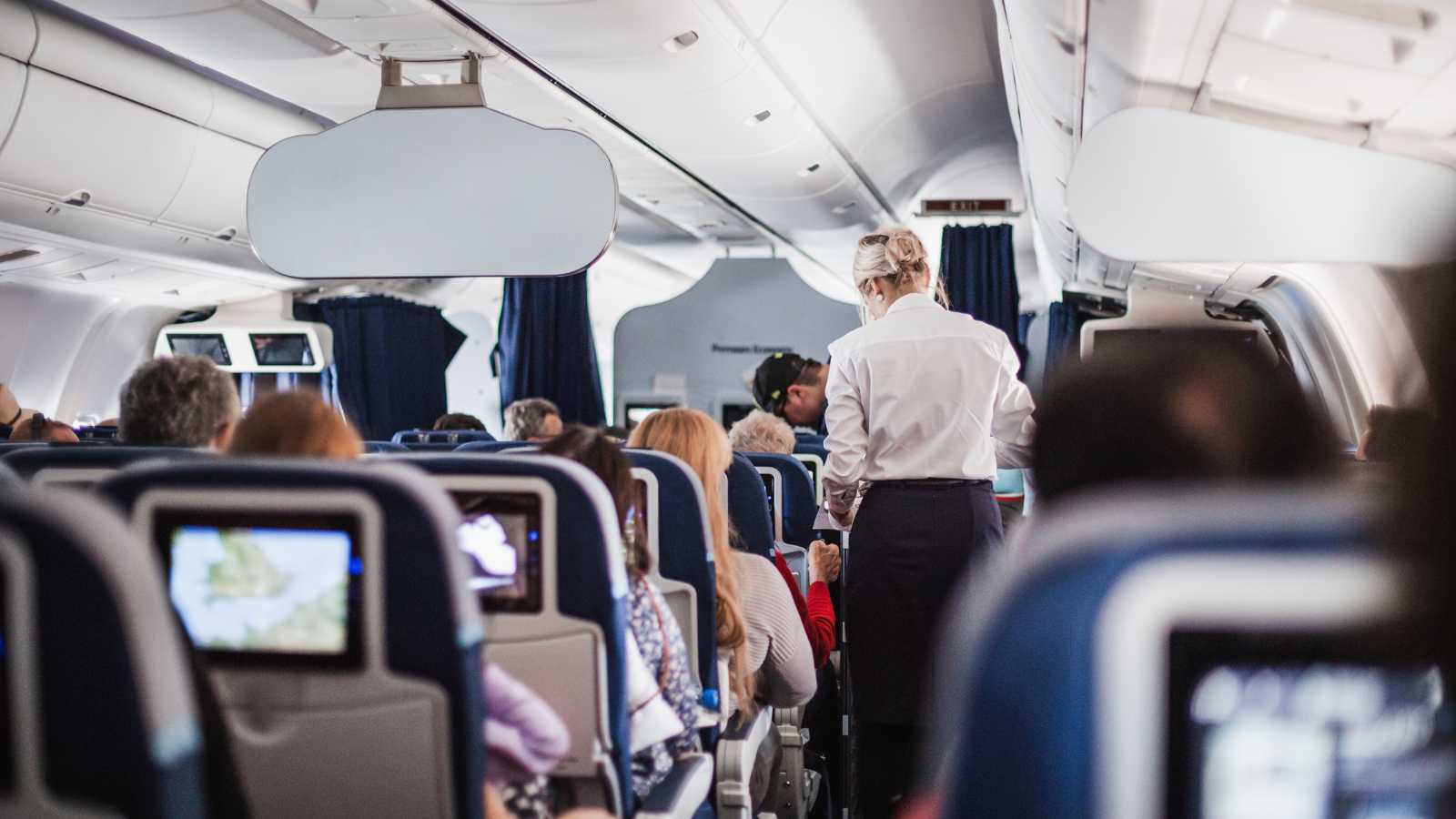
The numbers are public. The emotional math is private. The AFA survey reveals that many attendants now avoid using the call light button themselves for fear it will bring yet another confrontation. Business Insider describes crew who dread simple tasks like asking someone to stow a bag.
Behind each statistic is a person who cannot step outside for air. They watch strangers drink, argue, and cry at arm’s length. They are the first line when a panic attack hits row 22, and the last line when a drunken passenger swings a fist. The data says incidents have dipped from the peak. The daily stories say the damage lingers.
A workplace that feels less safe
Flight attendants talk about safety differently now. IATA and global pilot and air traffic unions describe unruly passengers as a “persistent and growing safety concern,” not a rare anomaly. The pattern recurs across regions and airlines.
FAA trend charts show incident levels still roughly double those of 2018 and 2019, even after the zero-tolerance push. For crews, that means their office has become less predictable. Every boarding is a new experiment in public mood. The uniform once signaled hospitality. Today, it also signals that they will absorb whatever storms the cabin decides to bring.
More articles:
- 12 cruise dress code rules that spark debate every time
- 16 things you should never leave in your cruise cabin on port days
- 13 Hidden Cruise Risks Most Travelers Don’t Realize Until It’s Too Late
Disclosure: This article was developed with the assistance of AI and was subsequently reviewed, revised, and approved by our editorial team.
10 Insanely Fast Trains That Make Air Travel Look Slow
Rail travel has come a long way from the slow chugging of steam engines. Today, the race for the fastest train has become a high-speed pursuit of groundbreaking technology, pushing the boundaries of what’s possible on rails. From maglev marvels to sleek bullet trains, these trains don’t just break records; they redefine them. Here’s a look at the 10 fastest trains on Earth, each moving faster than most airplanes. Learn more.
8 financial mistakes travelers should avoid in Mexico
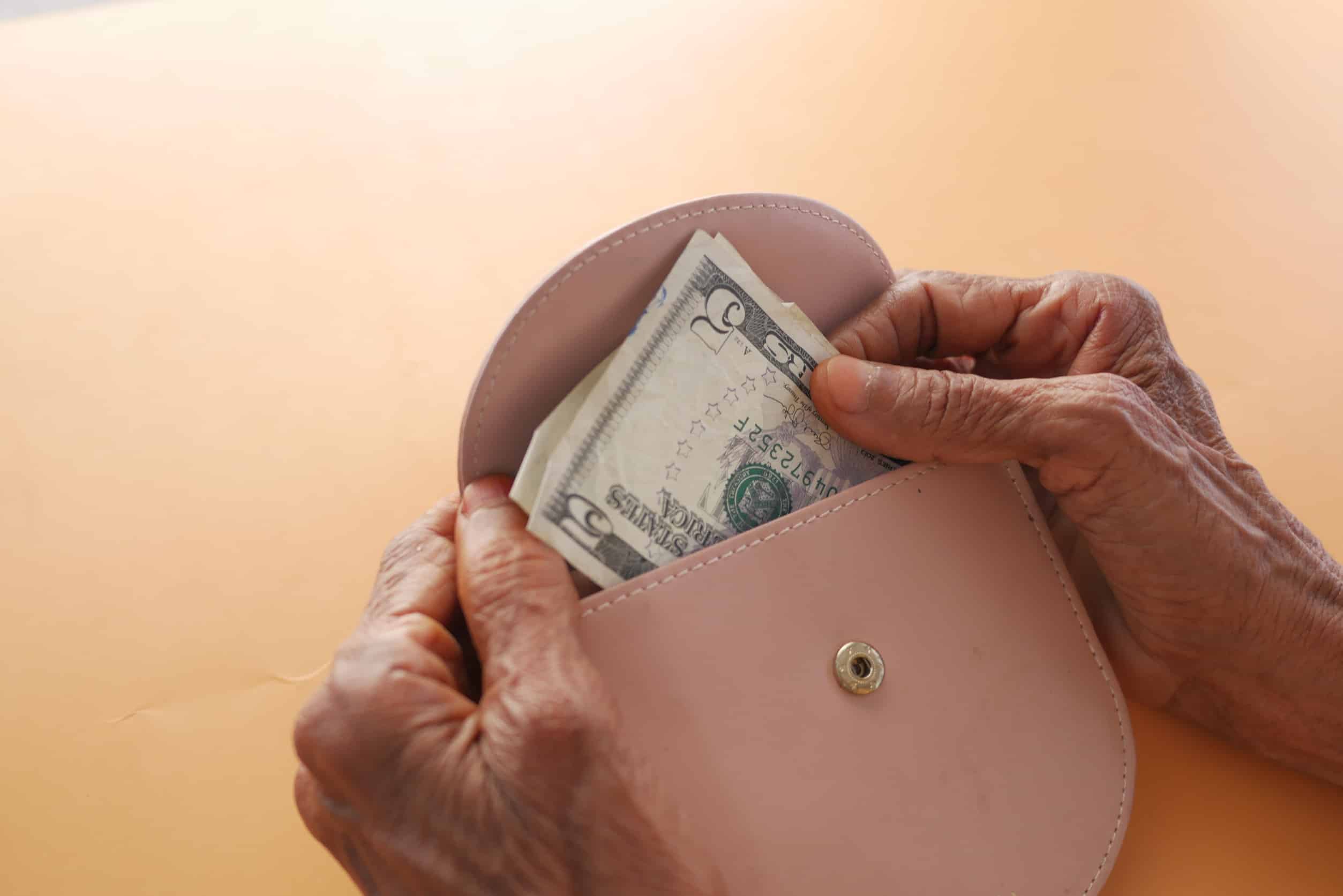
Traveling through Mexico can feel effortless, from booking boutique hotels to paying for street tacos on the go. Yet money mistakes can quietly turn a dream trip into an expensive lesson. Many travelers focus on flights and itineraries but overlook everyday financial decisions that shape their budget once they arrive. Exchange rates, payment methods, and local banking norms differ from those at home, and misunderstandings can drain funds faster than expected.
The stakes are higher than most people realize. According to data from the Consumer Financial Protection Bureau, international travelers can lose money on each transaction. Losses typically range from 3 to 10 percent when foreign transaction fees, poor exchange rates, and ATM charges are combined. Learn more.
10 travel scams targeting tourists

Vacations are supposed to be carefree, but a single clever scam can empty your wallet faster than any overpriced souvenir.
Planning a vacation is usually the highlight of the year, but falling for a scheme can ruin the fun before it even starts. Scammers are getting smarter and using advanced technology to trick even the most experienced globetrotters into handing over their hard-earned cash. You need to stay alert because these criminals often target distracted visitors who are just trying to relax. Learn more.





