

It starts with a rushed morning, a packaged snack, a quick dinner, and over time those ordinary choices weave a pattern with consequences few people see coming.
Your plate can look harmless and still tell a bigger story. The American Cancer Society estimates that 2,041,910 new cancer cases and 618,120 cancer deaths will occur in the United States in 2025, while the CDC says excess body weight is linked to 13 types of cancer that together account for about 40% of cancers diagnosed each year. That does not mean one drive-thru lunch or one snack run decides your fate. It means the everyday pattern matters more than the occasional splurge, and the risk can build quietly through the foods people barely think about anymore.
The numbers don’t lie

Then there is the number hiding in plain sight on the average American menu. A CDC data brief published in 2025 found that U.S. adults now get more than half of their daily calories from ultra-processed foods, including 54.4% for adults ages 19 to 39, 52.6% for adults 40 to 59, and 51.7% for adults 60 and older.
That does not make every boxed or packaged food dangerous on its own, nor does it make every home-cooked meal protective by default. It does mean the modern diet has drifted far from whole-food ground, and researchers keep finding the same warning signs in the distance.
Processed meats like bacon
Processed meat is the one entry on this list with language so blunt it almost feels rude. World Health Organization’s cancer arm, IARC, said plainly: “Processed meat was classified as carcinogenic to humans (Group 1), based on sufficient evidence that its consumption causes colorectal cancer.”
A 2025 meta-analysis of 60 prospective studies found that higher processed and red meat intake was linked to 13% to 22% higher colorectal cancer risk, depending on site and meat category. That is a serious signal for foods many people treat like background noise: breakfast bacon, deli turkey, pepperoni pizza, the hot dog grabbed between errands.
This is not about a single sandwich. It is about repetition, about a habit that slips into the week so easily it starts to feel invisible. The same logic about cumulative exposure applies to other forms of meat as well.
Red meat
Red meat does not sit in the same category as processed meat, but it is not getting a free pass either. IARC classifies unprocessed red meat as “probably carcinogenic to humans” (Group 2A), and a 2025 diet-wide analysis published in Nature Medicine found an 8% higher colorectal cancer risk for every extra 30 grams a day of red and processed meat. That sounds small until you realize 30 grams is just a few bites, not a towering steak.
The same paper estimated a 29% higher risk per 100 grams a day, which is close to the amount in many everyday servings. If your dinner plate keeps leaning hard toward beef, pork, or lamb, the issue is less about a single dramatic meal and more about the steady drumbeat of exposure over the years.
Ultra-processed foods
Ultra-processed foods do not always look sinister. Sometimes they look cheerful, convenient, and weirdly clean, like a bar in shiny packaging or a bowl of neon cereal poured in a hurry. But the research around them has sharpened.
For example, in the French NutriNet-Santé cohort, every 10% increase in the proportion of ultra-processed foods in the diet was linked to about a 12% higher overall cancer risk and an 11% higher breast cancer risk.
The study authors put it this way: “A 10% increase in the proportion of ultra-processed foods in the diet was associated with a significant increase of more than 10% in the risks of overall and breast cancer.” When you add CDC data showing that U.S. adults now get more than half their calories from UPFs, the picture shifts from academic to personal very quickly.
Sugar-sweetened drinks
Sugary drinks often slip past our minds as refreshment, not food. Yet the body still counts every gram. World Cancer Research Fund says sugary drinks raise the risk of overweight and obesity, and the CDC notes that excess body weight is tied to 13 cancers, including colorectal, postmenopausal breast, endometrial, kidney, liver, and pancreatic cancers.
On top of that, the NutriNet-Santé research on beverages found that sugary drink intake was positively associated with overall cancer and breast cancer, while one review of those findings reported a 16% relative risk increase in overall cancer for each extra 10 grams a day of sugar from sugary drinks.
Soda, fruit punch, sweet tea, and many energy drinks may not carry a cancer warning label, but their role in weight gain, insulin strain, and metabolic disruption makes them far less innocent than their bright cans suggest.
Alcohol
Alcohol has a polished social image, but cancer biology does not care about the romance of a wine glass. NCI says alcohol is a Group 1 carcinogen and is linked to at least seven cancers, including breast, colorectal, liver, esophageal, and cancers of the mouth and throat.
The 2025 NCI fact sheet goes further: among 100 women who drink less than one drink a week, about 17 will develop an alcohol-related cancer over a lifetime; among women who have one drink a day, that rises to 19, and at two drinks a day it rises to 22.
The U.S. Surgeon General’s 2025 advisory also highlighted about 20,000 alcohol-related cancer deaths each year in the United States. The message is not subtle. The risk starts lower than many people think, then rises with every routine pour.
Very salty and smoked foods
Salt has a way of hiding behind words like cured, preserved, and traditional. Yet stomach tissue remembers. The World Cancer Research Fund says its major report found strong evidence that certain high-salt foods, especially foods preserved by salting, are a cause of stomach cancer.
WCRF also explains that salt can damage the stomach lining, and older epidemiologic work has linked dietary salt and some cured meats with gastric cancer risk. In places where heavily pickled vegetables, salted fish, and smoked meats are often eaten, the risk picture gets darker, especially if smoking or heavy drinking joins the meal.
The problem here is not a single pickle spear on a burger. It is the steady habit of eating foods preserved with salt, day after day, until the stomach lining keeps taking the same insult.
Charred and grilled meats
The smell of meat on a grill can feel like summer itself, but at high heat, chemistry writes a different story. NCI says grilling directly over an open flame and pan-frying meat at high temperatures can form heterocyclic amines (HCAs) and polycyclic aromatic hydrocarbons (PAHs), compounds that are mutagenic, meaning they can damage DNA.
Human studies have produced mixed results, which matters and should be said plainly, but the concern has not gone away. The strongest thread is around repeated intake of well-done, barbecued, or charred red meat as part of a larger diet already high in red and processed meats.
The blackened crust people chase for flavor is also the place where part of the risk can gather. It is not a reason to fear every cookout. It is a reason to treat flame and char with a little more caution.
Processed snack foods and chips
Chips are built for speed. They crackle, vanish, and leave behind that salt-and-fat echo that asks for another handful. Cancer risk from chips is less clear-cut than the evidence for processed meat or alcohol, but two concerns keep showing up.
Save this article
First, fried potato products can contain acrylamide, which the FDA says has caused cancer in animals at high doses and remains a human health concern for food safety agencies. Second, chips push people deeper into an ultra-processed eating pattern already linked with higher cancer risk.
The American Cancer Society notes that limiting intake of acrylamide-rich foods, especially potato products like chips and fries, is a reasonable step, and the FDA guidance urges gentler cooking methods and less browning. Chips are not the villain because a single bag can flip a switch. They matter because they help make UPFs the default language of snacking.
Sugary breakfast cereals
Breakfast has a health halo that many boxed foods do not deserve. A cereal can say whole grain in large letters and still land like dessert in the bloodstream. Many sugary cereals, cereal bars, and granola clusters fit the ultra-processed pattern: refined grains, added sugars, flavor systems, emulsifiers, and very little fiber once the label is stripped of its stage makeup.
That matters because the NutriNet-Santé study linked each 10% rise in UPF share to a 12% increase in overall cancer risk, and Johns Hopkins estimates that nearly 75% of the U.S. food supply is now ultra-processed.
Morning food sets the tone for the day. If breakfast starts with sugar and refined starch packed in a wellness costume, it nudges the rest of the day in the same direction.
High-fat processed dairy products
This one needs a steadier hand, because dairy as a category is not the same as processed meat. World Cancer Research Fund says there is strong evidence that dairy products can decrease the risk of bowel cancer, largely because of calcium.
At the same time, that protective note does not turn highly processed, salty, high-fat cheese spreads and dairy-heavy convenience foods into health foods by default. A 2025 Nature Medicine diet-wide analysis found milk and yogurt intakes moving in a more protective direction for colorectal cancer, while red and processed meats moved in the opposite direction.
The smarter read is this: dairy in simpler forms may help, but processed, high-fat dairy products often sit within broader dietary patterns packed with salt, refined carbs, and UPFs. The pattern is the danger. The cheese tub is just one passenger on the bus.
Processed baked goods and desserts
A wrapped muffin or frosted snack cake may feel like a harmless little pleasure, but industrial desserts are classic ultra-processed foods. They are often made with refined flour, added sugars, saturated fats, emulsifiers, preservatives, and color or flavor systems designed for shelf life rather than nourishment.
That matters because the same French cohort study tied a 10-point increase in the share of ultra-processed foods to a 12% higher overall cancer risk, and Brown Health’s summary of the evidence points directly to packaged bakery products and sweets as part of that risk pattern.
No one pastry causes cancer. The issue is that these foods make it easy to live inside a diet where fiber shrinks, protective plant foods disappear, and the plate starts looking more like packaging than ingredients.
Instant noodles
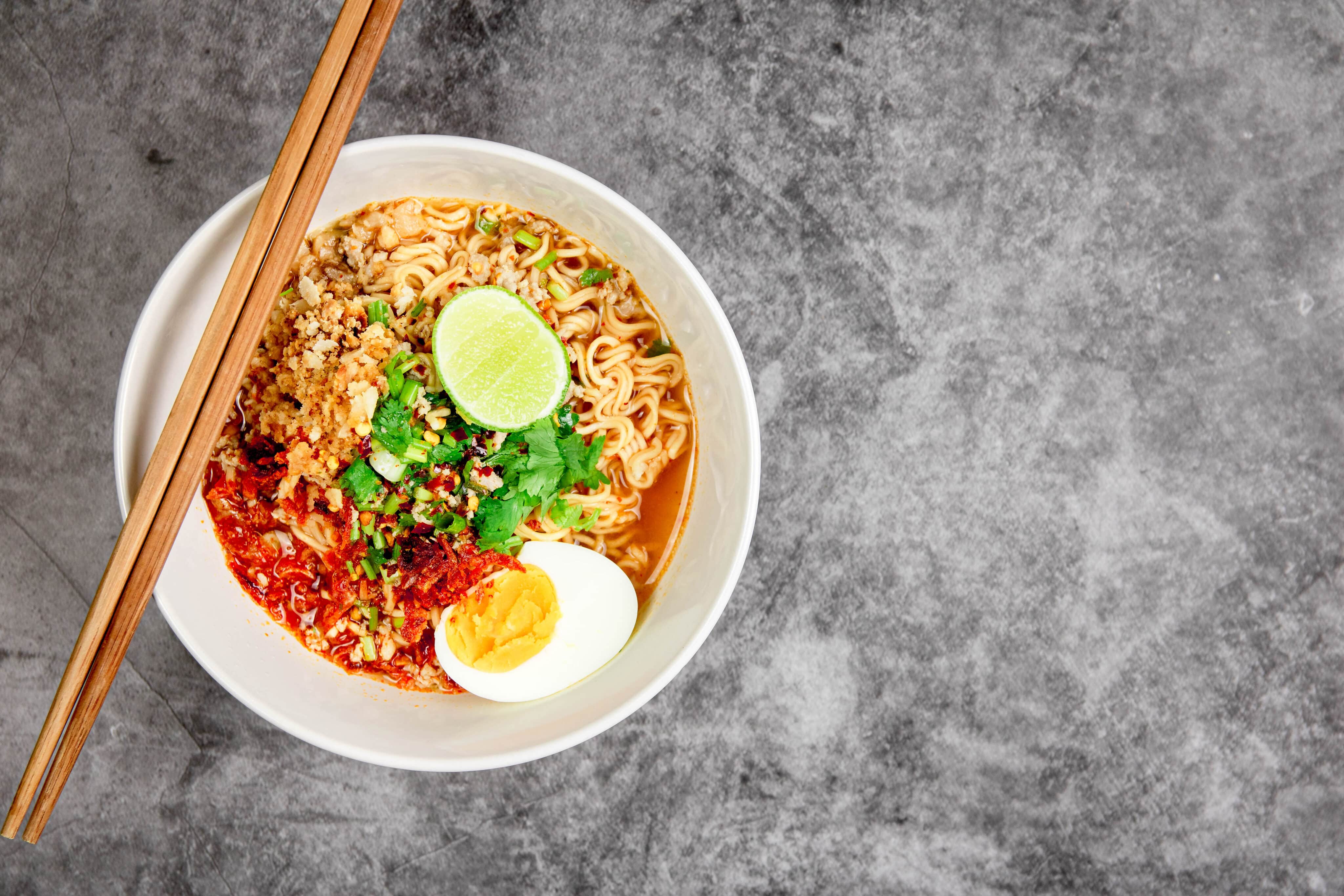
Convenience is a modern love language, and instant noodles speak it fluently. So do frozen dinners, microwave pasta trays, and salty soups that promise dinner in four minutes. The problem is that convenience foods often pile up salt, saturated fat, refined starch, and additives in the same tray.
The EPIC multinational cohort, which followed 266,666 men and women across seven European countries, found that higher UPF consumption was linked to a greater risk of multimorbidity involving cancer and cardiometabolic disease.
IARC’s 2023 summary of that work said the study was conducted in settings where UPFs accounted for more than half of daily food intake. Ready meals are seductive because they save time. They can also teach the palate to prefer food that arrives loud, soft, and intensely engineered, which makes whole-food cooking feel dull by comparison.
Processed meats in kids’ lunches
A single lunchbox does not decide a child’s future, but habits start young and often travel far. CDC data show that children ages 6 to 11 get about 64.8% of calories from ultra-processed foods, and teens ages 12 to 18 get about 63.0%.
Add frequent hot dogs, salami, pepperoni, and deli-meat sandwiches, and you are not just serving lunch. You are teaching taste, routine, and portion size. Here is the line worth holding onto from Harvard nutrition experts: “the risk of colorectal cancer increases by about 18% for every 50 grams of processed meat eaten daily,” which is roughly the amount in a hot dog or a few strips of bacon.
Childhood intake is not a direct one-step ticket to cancer in adulthood, and it should not be framed that way. Still, early habits can turn a once-in-a-while food into a lifelong default. That is how small risks grow roots.
Key Takeaways
- This is not a story about perfect eating or fear in the bread aisle. It is a story about dose, pattern, and the quiet math of repetition.
- Processed meat carries the strongest warning, with IARC placing it in Group 1 and Harvard experts pointing to about 18% higher colorectal cancer risk for every 50 grams eaten daily.
- Ultra-processed foods matter because they now make up more than half of calories for many U.S. adults and are linked to about 12% higher overall cancer risk for every 10% increase in the diet.
- Alcohol adds another layer, with NCI showing risk rising even at one drink a day for women. The hopeful part is that food patterns can move in the other direction, too.
- More beans, fruit, vegetables, whole grains, minimally processed proteins, and less dependence on deli meats, packaged sweets, sugary drinks, and ready meals can lower long-term risk without turning dinner into a punishment.
NOTE –This list is solely the author’s opinion based on research and publicly available information. It is not intended to be professional advice.
Disclosure: This article was developed with the assistance of AI and was subsequently reviewed, revised, and approved by our editorial team.
Like our content? Follow us on Newsbreak.
8 subtle ways money stress shows up in your gut and your eating

Money stress is quietly reshaping how millions eat, sleep, and digest—often showing up first in their gut before their bank balance.
Money worries rarely stay neatly contained in your bank account or your budget spreadsheet. For many adults over 45, financial pressures from aging parents, grown children, housing costs, or healthcare bills spill over into sleep, mood, and everyday choices around food. You might notice that on the days when you are most anxious about bills, you feel more knotted up in your stomach, have more heartburn, or find yourself eating whatever is closest without really tasting it. Learn more.





