Population growth across the United States continues to accelerate, with 2026 U.S. Census Bureau data showing rapid expansion in the South and West, led by Texas, Florida, and Arizona, as many areas experience significant growth.
While growth fuels job creation and economic activity, it also places intense pressure on housing, infrastructure, and the cost of living. In several cities, demand has outpaced planning, leaving long-time residents dealing with traffic congestion, rising rents, and shrinking affordability.
Urban economists point out that rapid migration tends to create a short-term imbalance. Housing supply takes years to catch up, while population growth can spike within months. Transportation systems become overloaded, and essential services are stretched thin.
These stress points explain why locals in many booming cities are increasingly vocal about the declining quality of life. Understanding where growth is creating strain helps you make informed decisions about relocation, investment, or business opportunities.
Here are 12 cities where rapid growth is creating real tension on the ground.
Austin
Austin has become one of the fastest-growing tech hubs in America, attracting companies and workers at an unprecedented rate. The metropolitan population has grown rapidly. By 2026, the five-county Austin–Round Rock–San Marcos metro area will exceed 2.55 million residents, increasing by nearly 11% between 2020 and 2024 alone, fueled by corporate relocations and a booming startup ecosystem.
This explosive growth has overwhelmed the infrastructure that was never designed for such density. Residents face daily traffic congestion due to limited public transportation options, with long commute times becoming the norm rather than the exception.
Housing costs have also skyrocketed, with home prices and rent rising far faster than wages, pushing many locals out of neighborhoods they have lived in for years.
Water supply concerns have added another layer of anxiety, especially in a region prone to drought. Locals increasingly express frustration that the city’s laid-back charm has been replaced by overcrowding and constant construction.
Phoenix
Phoenix continues to expand rapidly as people relocate in search of affordability and job opportunities, with its population rising significantly over the past decade.
However, this expansion has raised serious sustainability concerns.
The city relies heavily on the Colorado River, whose water levels have declined due to prolonged drought and climate pressures. As more residents arrive, water demand continues to climb, creating uncertainty about long-term supply.
Extreme heat compounds the issue, increasing electricity use and straining energy infrastructure. Housing development has spread outward into desert areas, contributing to urban sprawl and longer commute times.
Locals increasingly worry that growth is outpacing environmental limits, making everyday life more expensive and less sustainable.
Nashville
Nashville’s emergence as a major cultural and economic hub has fueled its population growth. Although the city itself has experienced a more moderate and steady annual increase in recent years, with about 86 new residents per day in 2023, it still ranks among the fastest-growing metropolitan areas in the United States.
Despite this success, infrastructure development has lagged significantly behind. Public transportation remains limited, forcing most residents to rely on cars and worsening traffic congestion.
Housing demand has surged, pushing prices higher and making affordability a major concern for long-time residents. Neighborhoods that were once accessible are now out of reach for many locals.
The city’s rapid transformation has also sparked debates about preserving its identity, as new developments replace historic areas. Many residents feel the pace of change is too fast for the city to manage effectively.
Tampa
Tampa has experienced a population surge driven by migration from higher-cost states, particularly in the Northeast. This growth has intensified pressure on coastal infrastructure, especially drainage systems and flood management.
Rising sea levels and stronger storms increase the risk of flooding, and rapid development has not always accounted for these environmental challenges. Housing demand has pushed prices upward, making it harder for locals to keep up with rising costs.
Traffic congestion has also worsened as more people move into suburban areas and commute into the city. Residents often express concern that expansion is outpacing long-term planning, leaving the city vulnerable to both environmental and economic stress.
Boise
Boise has transformed from a quiet, affordable city into a major destination for remote workers and retirees. Population growth has surged in recent years, creating significant strain on infrastructure and housing.
Roads that once handled light traffic are now congested during peak hours, reflecting a system that was not designed for rapid expansion. Housing prices have risen dramatically, often outpacing local wages and making homeownership increasingly difficult for residents.
Rental costs have also climbed, forcing some locals to relocate. Many long-time residents feel that the qualities that once defined Boise, affordability, calm living, and open space, are being eroded by rapid development and population pressure.
Dallas
Dallas-Fort Worth remains one of the fastest-growing metro areas in the country, driven by business-friendly policies and corporate relocations. Population increases have been steady and substantial, placing pressure on transportation networks and housing supply.
Urban sprawl has expanded outward, leading to longer commute times and increased reliance on cars. Traffic congestion has become a daily challenge for many residents, particularly those commuting from suburban areas.
Housing demand continues to rise, pushing prices upward and creating affordability concerns. While the region continues to attract new businesses and workers, locals often point out that infrastructure development struggles to keep pace with the scale of growth.
Orlando
Orlando’s population has been on the rise, with the city recently ranked as the fastest-growing large metro area in the United States, recording a 2.7% increase in 2024 alone.
This rapid expansion has created significant strain on housing and infrastructure. Rental prices have surged as demand outpaces supply, making affordability a growing concern for residents.
Traffic congestion has worsened, particularly in areas near major attractions and employment centers. Public services, including schools and healthcare facilities, are under increasing pressure as the population grows.
Many locals feel that while the city continues to attract visitors and new residents, the quality of life for long-time residents is becoming more challenging due to rising costs and overcrowding.
More articles:
Save this article
Houston
Houston continues to grow rapidly due to its strong job market and relatively affordable housing compared to other major cities. However, this growth has exposed significant infrastructure challenges.
Flooding remains a major concern, particularly during heavy rainfall, as development continues to expand into flood-prone areas. Traffic congestion has increased alongside population growth, leading to longer commutes. Housing demand continues to rise, gradually pushing prices higher.
Residents often express frustration that the city’s expansion is not matched by improvements in infrastructure and urban planning, leading to ongoing challenges in daily life.
San Antonio
San Antonio has experienced steady population growth of over 16%, making it one of the fastest-growing cities in Texas. This expansion has increased housing demand, driving up prices and reducing affordability for many residents.
Infrastructure development has struggled to keep pace, particularly in transportation, where traffic congestion has become more noticeable. Suburban expansion has extended commute times, placing additional pressure on road networks.
While the city continues to attract new residents with its cultural appeal and economic opportunities, locals increasingly note that growth is changing the pace and character of everyday life.
Raleigh

Raleigh-Durham has grown by nearly 20%, driven by a strong technology sector and research institutions. This growth has boosted the local economy but also created challenges in housing and transportation.
Home prices have risen significantly as demand increases, making it harder for first-time buyers to enter the market. Traffic congestion has worsened as suburban areas expand and commuting distances increase.
Infrastructure projects are underway, but many residents feel they are not keeping pace with the growth. The region’s rapid transformation has sparked concerns about affordability and long-term sustainability.
Charleston
Charleston, South Carolina, has experienced rapid population growth, with the metro area growing over 20% since 2014, adding roughly 34 people daily. Its coastal location makes it particularly vulnerable to flooding, and increased development has added pressure on already limited infrastructure.
Roads struggle to handle increased traffic, leading to frequent congestion. Housing prices have climbed sharply, making it difficult for long-time residents to remain in the area.
Many locals feel that the city’s historic charm is being overshadowed by rapid development and overcrowding, creating tension between growth and preservation.
New York City
New York City continues to attract residents despite its already high density, creating ongoing pressure on housing and the cost of living. Rental prices have reached record levels, with demand far exceeding supply in many neighborhoods.
Public transportation systems operate at near capacity during peak hours, reflecting the strain of a growing population. While the city offers unmatched economic opportunities, the cost of living continues to rise, making it difficult for many residents to maintain financial stability.
Long-time locals often express concern that affordability is slipping further out of reach, even as the city continues to grow.
Key takeawaysHere’s a stronger, more polished takeaway that feels more cohesive and editorial:
Key takeaways
Understanding where these pressures are building can help people make more informed decisions about relocation, investment, business opportunities, and long-term livability.
- Rapid population growth can boost local economies, but it often strains housing, infrastructure, and public services before cities can adapt.
- In many booming cities, rising demand has pushed affordability out of reach for long-time residents while worsening traffic, overcrowding, and commute times.
- Environmental pressures, especially around water supply, flooding, and extreme heat, are becoming harder to ignore as development accelerates.
The tension surrounding growth is rarely just about newcomers. It reflects deeper concerns about planning, sustainability, and whether quality of life can keep pace with expansion.
Disclosure: This article was developed with the assistance of AI and was subsequently reviewed, revised, and approved by our editorial team.
Like our content? Be sure to follow us on Newsbreak.
The most expensive cities to live in the world
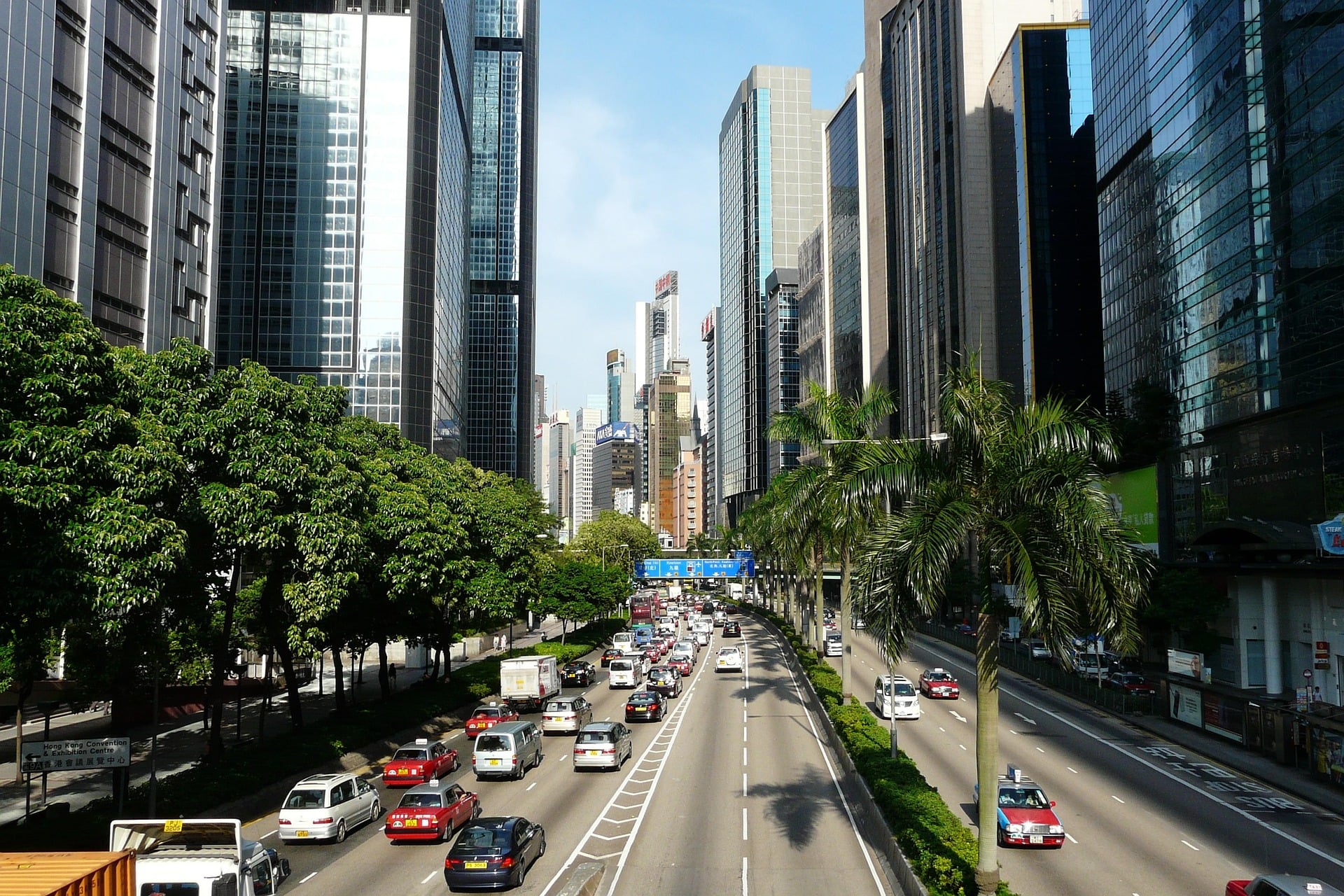
ElmaNuffic/Pixabay
As inflation bites worldwide, a new ranking reveals the cities where simply getting by now costs a small fortune.
Curiosity about the cost of living often leads us to wonder just how far our paychecks would stretch in different corners of the globe. With inflation tightening its grip globally, the price of essentials like housing, transport, and even a simple morning espresso has skyrocketed in major metropolitan hubs. For many American families, watching these financial trends offers a fascinating, if somewhat shocking, glimpse into the global economy. Learn more.
12 Most Tourist-Friendly Cities Around the World

Data from Statista shows that Istanbul welcomed over 20 million international visitors in 2023 and London nearly 19 million, yet newer traveler surveys suggest the cities people remember most are the ones where locals actively help, smile, and make strangers feel at home.
When it comes to travel, some cities go above and beyond to make visitors feel welcome and comfortable. Whether it’s their easy public transport, friendly locals, or top-tier hospitality, these cities stand out as tourist-friendly destinations. Learn more.