

Across the United States and much of the world, some communities are not collapsing overnight, they are slowly emptying out.
Research drawing on data from the U.S. Census Bureau and the Economic Innovation Group shows that thousands of smaller American cities and towns have experienced meaningful population decline since 2000. Similar patterns are appearing globally as economic opportunity, investment, and younger populations concentrate increasingly in larger metropolitan areas.
This shift often happens gradually rather than dramatically. Families move away for jobs. Younger adults leave for education or higher wages. Local businesses close, schools shrink, and housing demand softens year by year.
Urban economists sometimes describe the process as “slow hollowing,” where the infrastructure of a community remains in place while the social and economic activity that once sustained it steadily fades. What emerges is not always abandonment in the cinematic sense, but quieter forms of decline that reshape regional identity, local culture, and everyday life.
The following towns and cities reflect how demographic change, economic transition, and environmental pressure are quietly redrawing the map of where people choose to live.
Dayton, Ohio, USA
Dayton’s story is emblematic of the American Midwest’s industrial decline. Once a powerhouse of manufacturing and innovation, Dayton now faces a high vacancy rate among buildings, driven by decades of factory closures and shrinking local employment.
The loss of steady employment meant families moved to cities with better economic prospects, leaving behind shuttered storefronts and empty neighborhoods. Urban planners note that without diversified economic engines, cities like Dayton can slowly hollow out as residents follow jobs elsewhere.
Walsall, West Midlands, UK
Walsall’s town center has become a striking example of a “ghost town in the making.” Over 40 retail units sit empty as major shops shut down and consumer habits shift toward online shopping and out-of-town retail parks.
Long-term economic stagnation following the 2008 recession compounded this trend. Locals describe deserted streets and a loss of community vibrancy, which pushes younger residents to seek opportunity elsewhere.
Pripyat, Ukraine
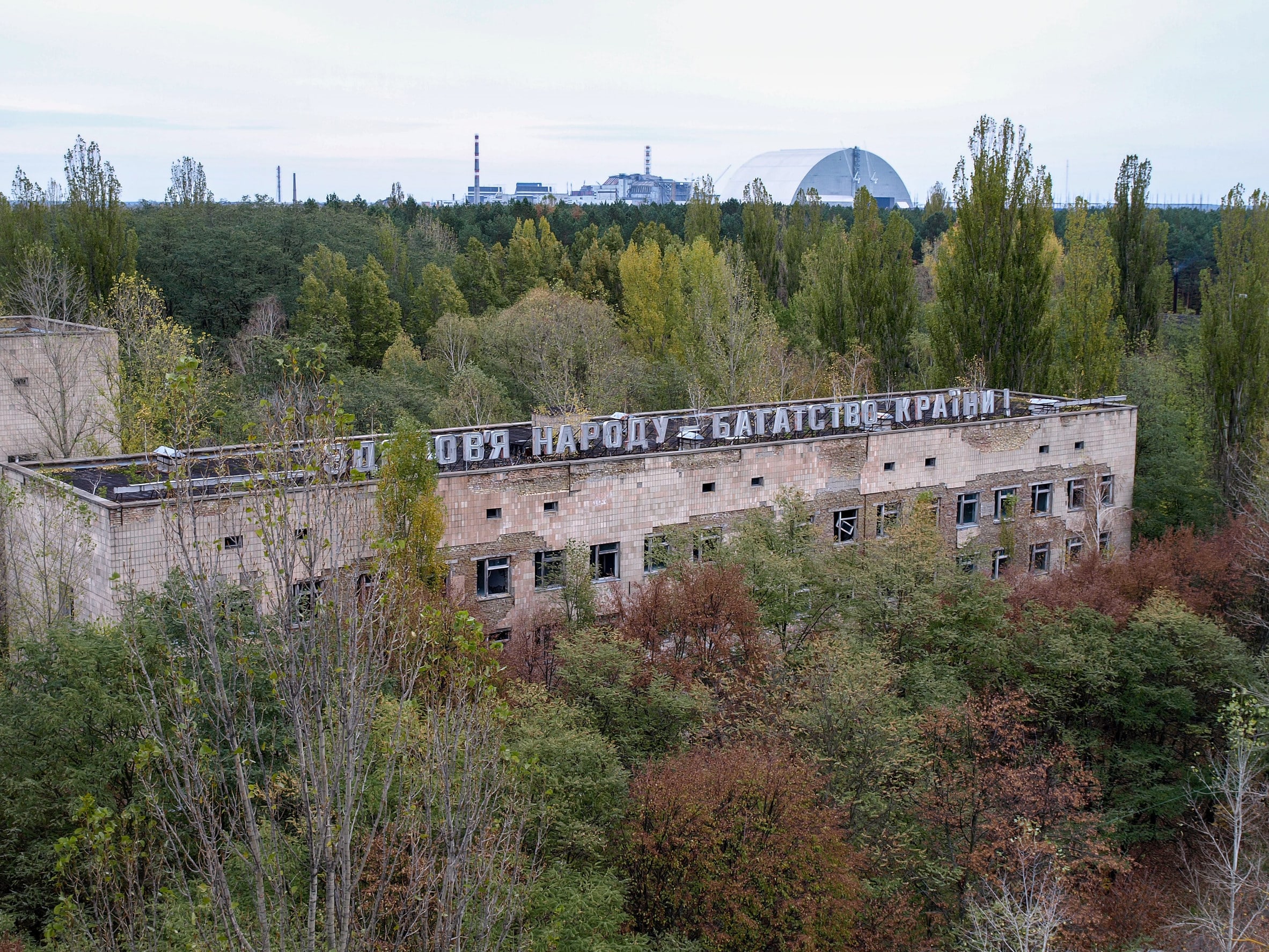
Pripyat is the world’s most famous ghost city. Built to house workers of the Chernobyl Nuclear Power Plant, it was evacuated in 1986 after the catastrophic nuclear accident, leaving nearly 50,000 residents behind.
Radiation contamination forced permanent relocation, turning Pripyat into a frozen snapshot of life before disaster. Its empty schools, apartment blocks, and playgrounds remain as haunting reminders of abrupt displacement.
Bodie, California, USA
Bodie was a thriving gold mining town in the late 1800s, with thousands of residents and hundreds of businesses. When the mines played out and ore prices fell, the economic basis of the town evaporated.
By the early 20th century, Bodie was nearly empty and eventually became a preserved historical site. This boom-and-bust cycle, in which a single industry dominates local life, is a classic driver of ghost towns.
Cahawba, Alabama, USA
Cahawba once held the title of Alabama’s capital. After the Civil War and a shift in political power, the city lost its status, and residents gradually departed.
Save this article
Economic opportunity migrated to other cities, and without a reason to stay, Cahawba became abandoned, leaving behind ruins that speak to the impact of political change on urban survival.
Centralia, Pennsylvania, USA
An underground coal fire that began in 1962 still burns beneath Centralia, forcing most of its population to relocate over decades due to hazardous conditions. Today, only a handful of residents remain in a town that once thrived on mining.
The slow, creeping danger of the fire made the town uninhabitable, illustrating how environmental hazards can erode a city’s viability long before it becomes visibly abandoned.
Lemieux, Ontario, Canada
Lemieux was abandoned in the early 1990s after soil testing revealed that the town sat atop unstable clay, making it prone to dangerous landslides. Residents were relocated, and buildings were demolished.
This example shows that sometimes invisible risks,not just economic ones, can make a place untenable for long-term habitation.
Sesena & Valdeluz, Spain
Not all ghost towns stay empty. In Spain, former “ghost” developments like Sesena near Madrid, left unfinished after the 2008 housing crash, are now filling up again as residents seek affordable housing outside the capital.
High demand and housing shortages have turned these once-empty areas into growing commuter towns, proving that demographic pressures can reverse ghost town status.
Rural Great Plains, USA
Across America’s Great Plains, thousands of small towns have dwindled as younger generations migrate to urban centers for education and employment. Some areas in Kansas alone contain an estimated 6,000 ghost towns or near-ghost towns, remnants of earlier settlement patterns that have lost population over time.
Without economic opportunities, schools close, services disappear, and families relocate.
Key takeaways
- Economic shifts are the dominant driver, from mining busts to manufacturing decline.
- Environmental risks and disasters can force entire populations to relocate.
- Urban planning and housing trends can either create or revive ghost towns.
- Long-term demographic change threatens many cities with gradual depopulation.
More articles:
- America’s Modern Ghost Towns: 10 Communities Abandoned Since 1970
- 13 Most Dangerous Small Towns in America
Disclaimer: This list is solely the author’s opinion based on research and publicly available information. It is not intended to be professional advice.
Like our content? Be sure to follow us.