

There’s a reason so many Americans look back on the 1970s and 1980s with a sense of nostalgia, even if the reality was more complicated. Economically, the 1970s were marked by high inflation, averaging over 7% and peaking above 13%, alongside rising unemployment and interest rates (Investing.com). Meanwhile, home prices more than doubled during the decade, and recessions hit in both the mid-’70s and early ’80s.
Yet despite these challenges, many Americans remember the era as more stable, more social, and in some ways more livable than today. That perception comes down to a mix of economic structure, cultural norms, and everyday life experiences that felt different, sometimes simpler, sometimes fairer.
Here are 11 reasons life in America felt better in the ’70s and ’80s.
Houses Felt More Within Reach

Plenty of families in the ’70s and ’80s bought a modest home on one income and still had room in the budget for vacations and pizza nights. Starter homes were smaller, but they did not feel completely out of reach. Buying a house felt like a normal life step, not a lottery prize.
Over time, housing costs have risen significantly, making homeownership more challenging for many families. The affordability gap between wages and home prices has widened, leaving families feeling financially stretched. What once felt achievable now seems like a distant dream for many.
College Did Not Require A Lifetime Of Debt

In the ’70s and early ’80s, college was hardly cheap, but it was closer to something parents could save for instead of something kids might still pay off in their 50s. Many students covered tuition with part-time jobs and summer work without needing massive loans. Degrees felt like tickets to opportunity, not decades of payments.
Tuition inflation changed that picture. Price trackers estimate that tuition and fees have grown at a significant rate per year since 1980, so that what cost 20,000 dollars in 1980 would cost about 270,000 dollars by 2025. No wonder those earlier tuition bills look kinder when people compare notes.
Kids Had More Unstructured Freedom

If you grew up then, you probably remember disappearing on bikes until the streetlights flipped on. Parents expected you home for dinner, not constant text updates. Pickup games, creek exploring, and aimless afternoons were just how childhood worked.
Time use studies show how much that has changed. One widely cited review found that between 1981 and 1997, the time children spent in free play dropped by about 25 percent as structured activities, homework, and screen time grew. For many people, those earlier decades feel better partly because childhood felt less scheduled and more spontaneous.
Crime Felt Less Like A Constant Headline

The ’70s and ’80s had serious crime problems, especially in some big cities, and no one wants to sugarcoat that. But many Americans remember a time before 24/7 news cycles and viral videos, when every incident felt like it was happening on their own block. Neighborhood watch meant literally watching the street, not doomscrolling.
Long-term crime data tells a complicated story. Violent and property crime rose through the 1970s and 1980s, peaking around the early 1990s at roughly 750 violent offenses per 100,000 people, but then fell by more than half over the next 30 years, even as public fear stayed high. People often remember their own quieter blocks more than the national statistics.
Money Stress Felt Different

Inflation and recessions certainly hit hard in the ’70s and ’80s, but many families still felt like they could cover basics, save a little, and expect gradual progress. One full-time job often handled the mortgage, groceries, and a simple vacation. The financial grind felt heavy at times, but not endless.
Comparisons of earnings and housing show why those memories linger. Statista’s look at income and house prices found that from 1985 to 2023, median household income grew about 241 percent in nominal terms, while median new home prices jumped around 408 percent, widening the gap between paychecks and shelter. That growing mismatch helps explain why earlier decades can feel “easier” in hindsight.
Life Happened More Off-Screen

Save this article
Even the biggest TV fans in the ’80s had limits: a handful of channels, no smartphones, and shows you had to catch live. Hanging out meant actually being present, not half-listening while scrolling. Boredom pushed you outside, to the mall, or over to a friend’s house instead of deeper into a feed.
Screen time has exploded since then. Recent usage data shows that U.S. adults now average just over 7 hours a day on internet-connected screens and almost 60 hours a week across TV, phones, and computers. When people say life felt “less noisy” back then, they are often remembering a time before every spare minute had a glowing rectangle in it.
Music And Movies Felt Like Shared Events
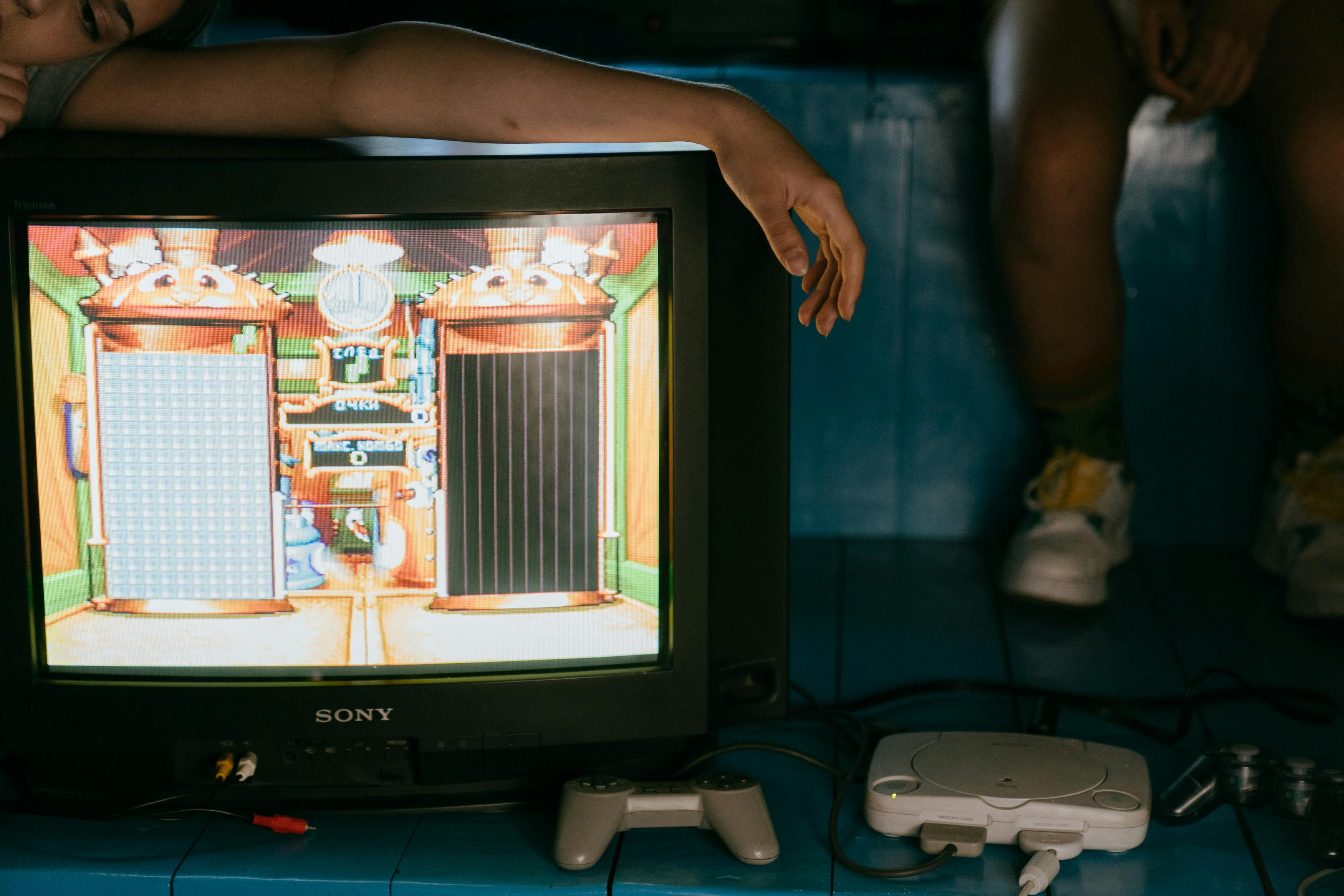
Waiting for your favorite song on the radio or for a new album to hit the record store used to be its own kind of thrill. You couldn’t instantly skip, replay, or shuffle everything, so you tended to live with what you had and really get to know it. Blockbuster releases, from “Star Wars” sequels to summer comedies, turned weekends into shared cultural moments.
Today, endless streaming options can make entertainment feel like a firehose rather than a treat. That older scarcity created the “everyone watched this” feeling people still talk about. For many, life in the ’70s and ’80s feels better, partly because culture felt slower, more communal, and much less fragmented.
Work Boundaries Were Clearer

Clocking out in the ’70s or ’80s usually meant you were actually done. No email on your phone, no midnight Slack pings, no expectation of instant replies on weekends. You had off-hours, and bosses generally respected them, for better or worse.
Now, technology has blurred those lines. Surveys regularly show large shares of workers checking messages outside of work and feeling “always on,” which raises stress even when pay has not kept pace. Looking back, many people miss the days when leaving the building really meant leaving work behind.
Neighborhoods Felt More Connected

Plenty of people remember block parties, casual chats over the fence, and neighbors who automatically kept an eye on each other’s kids. You knew who lived five doors down and probably knew their dog’s name too. Community was built through face-to-face contact, not just neighborhood apps.
While some places still have that, national polling finds that many Americans today report having fewer close friends and weaker ties to neighbors compared with previous generations. Social media connects people across miles, but it does not always replace “borrow a cup of sugar” relationships. Those earlier decades feel warmer partly because daily life involved more in-person community.
Vacations Actually Felt Like Vacations

When families loaded into station wagons for beach trips or visits to grandparents, work usually stayed home. There were no laptops in the trunk, and there was no Wi-Fi in the motel. Parents might call the office from a pay phone, but most truly unplugged for a week.
Today, even on vacation, many people still answer emails, check metrics, or respond to “quick questions.” That drip of obligation can make rest feel incomplete. Looking back, people miss the feeling of being truly gone for a while, with nothing but postcards and voicemail to mark your absence.
Key Takeaway

Life in the ’70s and ’80s was far from perfect, but it combined more affordable milestones, clearer boundaries, and a slower, less digital pace that many people still crave. Housing, college, and childhood all felt different when screens were rare, neighbors were close, and work mostly stayed at work.
We cannot rewind the clock, but we can borrow what worked from those decades, like simpler routines and stronger offline connections, to make modern life feel a little more livable.
Disclaimer – This list is solely the author’s opinion based on research and publicly available information. It is not intended to be professional advice.
Like our content? Be sure to follow us





