

Bright packaging, bold flavors, and convenience ruled the kitchen in the 1970s. Food manufacturers leaned into innovation, and families embraced quick, fun meals that fit a fast-changing lifestyle.
The U.S. Department of Agriculture notes that consumption of processed and convenience foods rose steadily during the decade, fueled by dual-income households and the expansion of supermarket culture.
If these foods spark instant nostalgia, you definitely lived through it.
TV dinners on metal trays
.jpg)
Nothing said dinnertime like peeling back foil on a compartmentalized tray. Swanson popularized TV dinners, and by the 1970s, millions of households relied on them weekly.
Each section held a mini feast: fried chicken, mashed potatoes, and a brownie, all designed for easy prep. Families gathered around the television, turning meals into shared viewing experiences.
It wasn’t gourmet, but it was revolutionary in convenience and defined how many kids experienced dinner.
Tang powdered drink mix

Tang became a household staple after its association with NASA’s space missions in the 1960s, and its popularity carried strongly into the ’70s. Kids loved the bright orange color and sweet citrus flavor, while parents appreciated its long shelf life.
Sales surged as marketing tied it to science and exploration, making it feel futuristic. Mixing a pitcher of Tang felt like participating in the space age right in your kitchen.
Jell-O molds with everything inside

Gelatin salads reached peak creativity in the 1970s. Home cooks suspended fruits, vegetables, and even meats inside colorful Jell-O molds. Cookbooks of the era featured elaborate recipes that doubled as centerpieces.
The trend reflected both culinary experimentation and the desire for visually impressive dishes. Today, it might seem unusual, but back then, it was a staple at family gatherings and potlucks.
Fondue parties

Fondue wasn’t just food; it was an event. Inspired by Swiss cuisine, fondue sets became must-have kitchen items. Cheese or chocolate melted in a communal pot, and guests dipped bread, fruit, or marshmallows using long forks.
The National Restaurant Association notes that experiential dining trends, such as fondue, gained traction during this era. It turned meals into social experiences, making dinner interactive and memorable.
Hamburger Helper meals

Launched in 1971, Hamburger Helper quickly became a weeknight hero. It stretched ground beef into a full meal with pasta and seasoning mixes. General Mills marketed it as a budget-friendly solution amid rising food prices.
Families appreciated the convenience and affordability, especially during economic uncertainty. The product became a symbol of practical, no-fuss cooking.
Pop Rocks candy

Pop Rocks exploded onto the candy scene in the mid-1970s, literally. The candy crackled and popped in your mouth thanks to pressurized carbon dioxide. Kids were fascinated by the sensory experience, even as urban legends about its safety spread.
Despite brief controversy, Pop Rocks became iconic for its novelty and remains a nostalgic favorite for those who grew up during the decade.
Save this article
Cheese balls in a can

Spray cheese brought convenience to snacking. Products like Easy Cheese allowed users to dispense processed cheese directly onto crackers with a simple press.
The novelty factor made it especially popular with kids. It fit perfectly into the decade’s love for quick, ready-to-eat foods and reflected advancements in food processing and packaging technology.
Hostess snack cakes

Twinkies, Ding Dongs, and Ho Hos dominated lunchboxes. Hostess snack cakes were mass-produced treats that offered consistency and a long shelf life. Their popularity soared as packaged snacks became more accessible nationwide.
The sweetness and convenience made them staples of school lunches and after-school treats, embedding them deeply in 1970s food culture.
Quiche (the “fancy” dish)
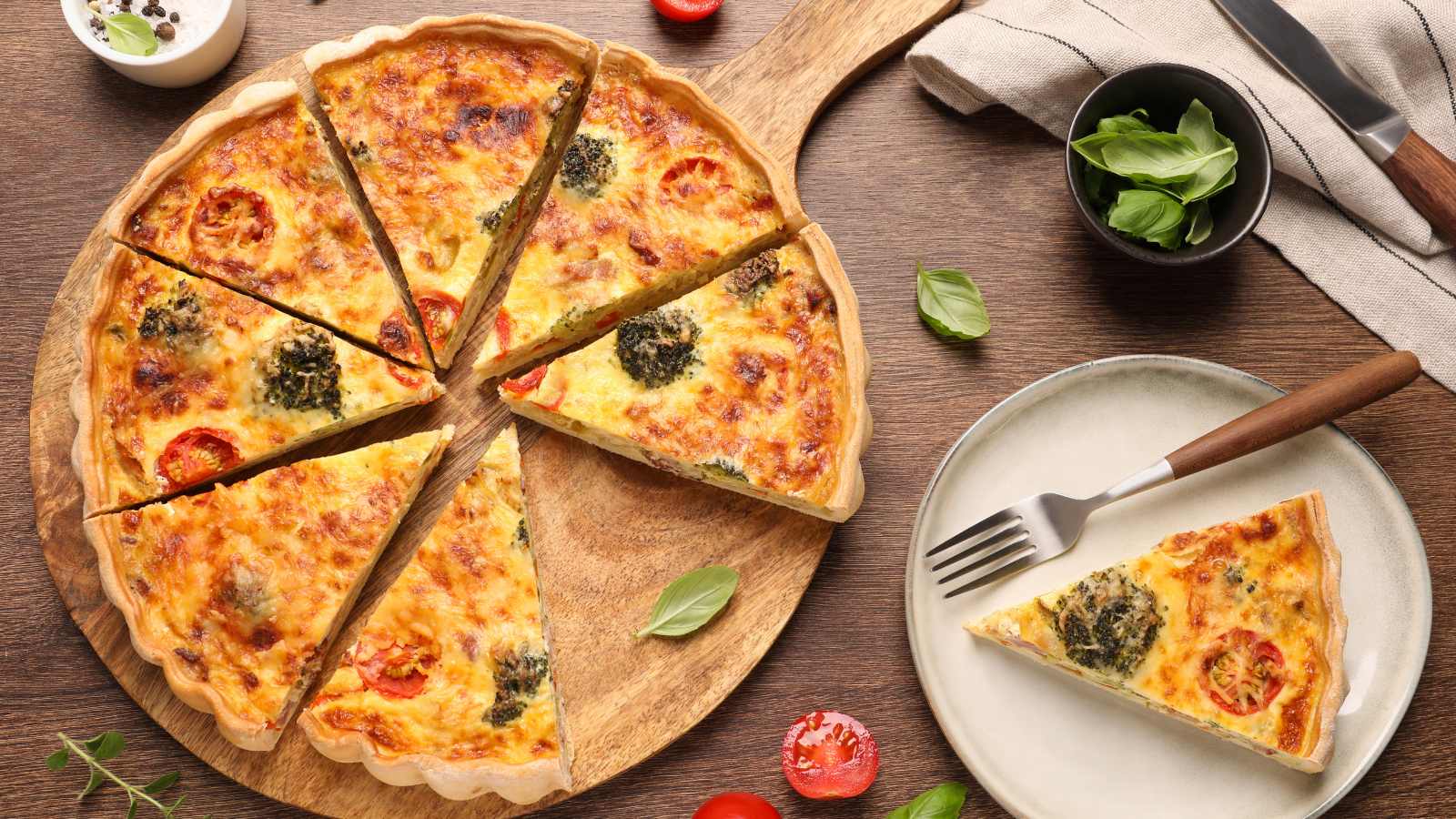
Quiche became a symbol of sophistication in the 1970s, especially after gaining popularity in American cookbooks. Dishes like quiche Lorraine introduced many households to French-inspired cuisine.
Serving quiche signaled a step up from everyday meals, reflecting a growing interest in international flavors. It balanced elegance with relative ease of preparation.
Kool-Aid with lots of sugar

Kool-Aid remained a favorite, but the 1970s version often came loaded with added sugar. Kids mixed it themselves, adjusting the sweetness to taste. Its affordability and vibrant flavors made it a go-to beverage for families.
Marketing campaigns and the iconic Kool-Aid Man helped cement its place in pop culture.
Salisbury steak dinners
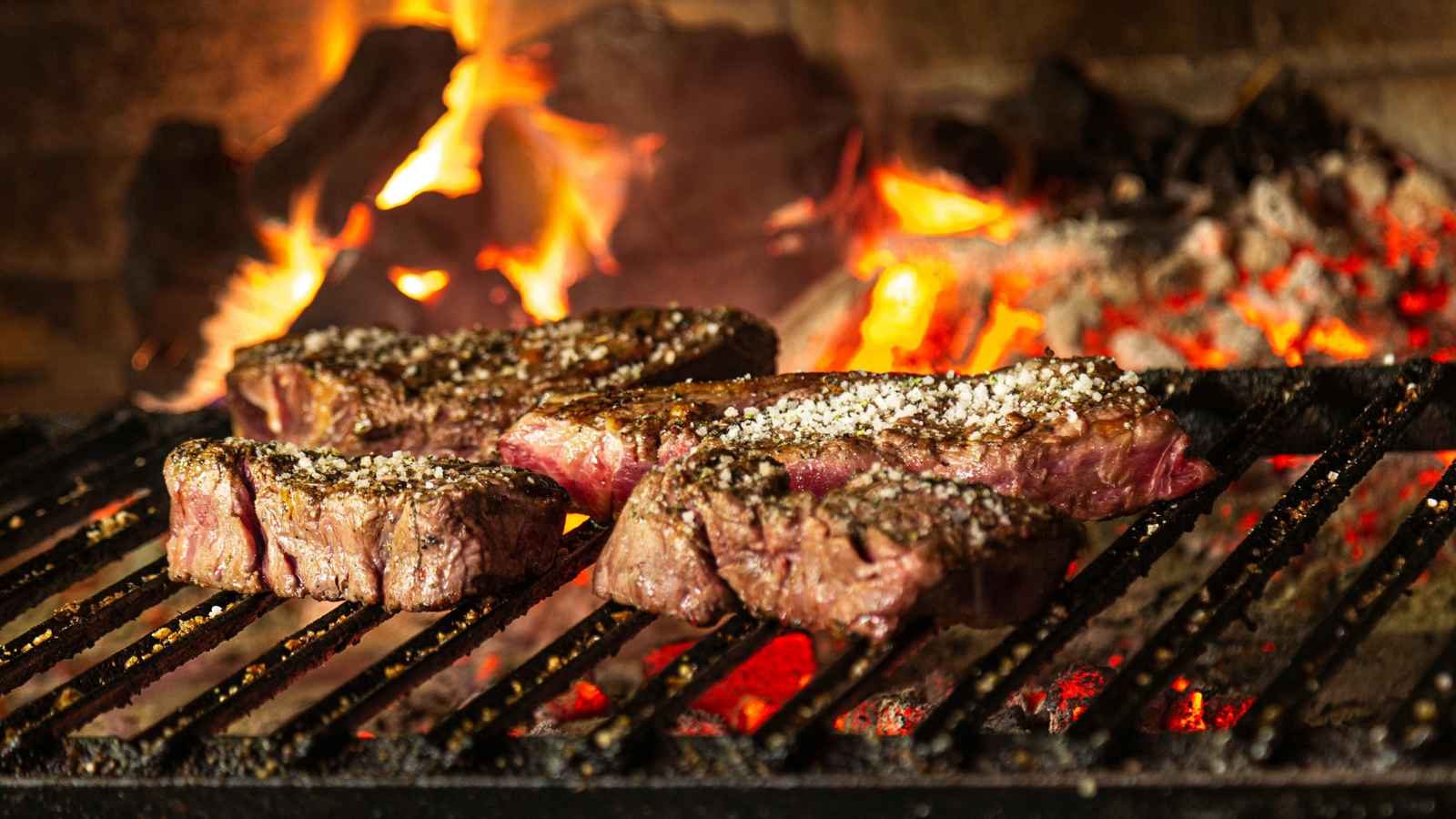
Salisbury steak, often served with gravy and mashed potatoes, became a staple of comfort food. Frequently included in frozen dinners, it offered a hearty, meat-focused meal that aligned with American tastes of the time.
Its presence in both home cooking and convenience meals made it widely recognizable.
Pineapple upside-down cake

Desserts in the 1970s leaned toward bold presentation, and pineapple upside-down cake delivered. With caramelized pineapple rings and cherries arranged on top, it was as visually striking as it was sweet.
Recipes circulated widely in magazines and community cookbooks, making it a common feature at gatherings and celebrations.
Key takeaways

- The 1970s embraced convenience foods as lifestyles became busier.
- Packaged and processed items gained popularity for their affordability and convenience.
- Food trends often combine novelty, presentation, and social experiences.
- Many of these foods remain nostalgic symbols of the decade’s culture.
Disclaimer: This list is solely the author’s opinion based on research and publicly available information. It is not intended to be professional advice.
Like our content? Be sure to follow us.





