

Nostalgia isn’t just a feeling anymore, it’s a market force, and Gen X is driving it.
With an estimated $15.2 trillion in spending power, this generation is uniquely positioned to turn memory into real demand. And much of that memory points back to the 1980s.
According to CivicScience, nearly 40% of Gen X adults say that decade is their most nostalgic, far ahead of younger generations.
That emotional connection is translating into buying behavior. Data from NIQ and World Data Lab suggests Gen X isn’t just reminiscing, it’s actively shaping trends, reviving products, and influencing what shows up on shelves again.
The Stats Tell the Story
That is what makes this kind of nostalgia worth paying attention to. FRED data, based on Bureau of Labor Statistics figures, shows Americans ages 45 to 54 spent an average of $100,327 in 2024. That group falls right in Gen X’s center lane. The BLS says the average U.S. consumer unit spent $78,535, with housing swallowing 33.4% of that budget.
So when Gen X talks about the things it misses, that feeling comes from the middle of packed grocery carts, elder care, school costs, and the low hum of adult responsibility. These are not just old belongings gathering dust in memory. They are pieces of a life that felt slower, more tactile, and a little more human.
The Walkman and “Mixtape” Ritual
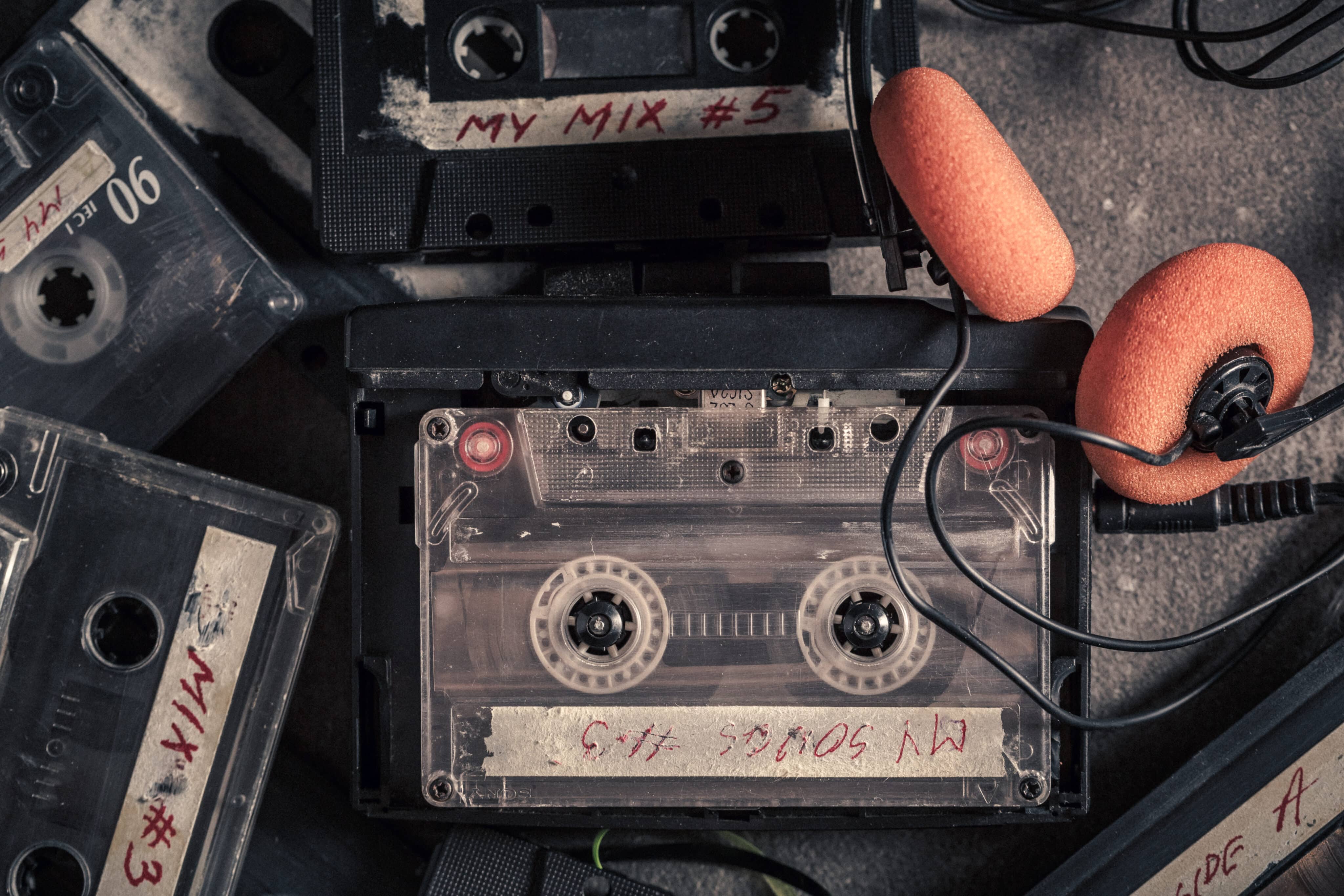
The Walkman did not just play music; it gave Gen X a private room inside a noisy world. The Design Museum says Sony sold more than 400 million Walkman units, including 200 million cassette players, and that scale helps explain why the object still sits in memory like a relic of freedom.
Luminate’s 2023 data, later cited in 2025 reporting on the cassette comeback, showed 436,400 cassette albums sold in the United States, which is tiny beside streaming but far too alive to call dead.
That makes perfect emotional sense, because as psychologists Constantine Sedikides, Joost Leunissen, and Tim Wildschut wrote in Psychology of Music, “music is a prevalent and potent instigator of nostalgia.” A Walkman was not just a gadget. It was a heartbeat with headphones, a secret diary that clicked shut.
MTV’s “Unfiltered” Golden Age
MTV arrived just after midnight on August 1, 1981, opening with “Video Killed the Radio Star,” and Britannica notes that it quickly turned music into a visual event rather than just a sound heard in the background.
For Gen X, that shift changed adolescence itself. Songs now had faces, clothes, lighting, attitude, and a whole atmosphere you could borrow for your own life.
CivicScience reported in 2023 that more than half of U.S. adults were at least somewhat likely to buy something that made them feel nostalgic, which helps explain why neon styling, grainy music-video color, and retro concert branding keep drifting back into fashion. MTV mattered because it gave Gen X a culture that looked back at them, loud and bright, with eyeliner, static, and all.
The “Unplugged” Privacy of the 1980s

One of the treasures Gen X misses most was never sold in a box. It was simply hard to reach. A 2026 NumberBarn survey found that 27% of respondents miss having a landline at home, and 68% still say landlines are useful, suggesting more than meets the eye.
It says people still ache for a life with edges, a life where silence was normal, and absence did not trigger suspicion. MIT News, in a conversation about Sherry Turkle’s work, pointed to research showing that empathy among college students had fallen by about 40% over 20 years, a reminder that permanent connection has not made people calmer or closer.
Gen X remembers an era when privacy was not a wellness strategy or luxury feature. It was simply the weather of ordinary life.
Trapper Keepers and Analog Aesthetic of School
The Trapper Keeper turned school supplies into self-expression before personal branding became a daily job. Mead now sells the binder by leaning right into its 1980s and 1990s identity, promising designs “straight from the 80s and 90s,” which tells you the object still carries real commercial voltage.
That voltage is backed by broader market behavior, too. Industry forecasts put the global stationery products market at $147.5 billion in 2024, with projections reaching $213.7 billion by 2034, and the U.S. market alone topping $38.4 billion in 2024. Gen X misses Trapper Keepers because paper once had personality.
A folder could feel like a flag, a mood, a whole tiny republic of stickers, tabs, and folded secrets passed between classes.
The Mixtape as Social Currency
A mixtape was a message with fingerprints on it. It took time, nerve, and a little romantic foolishness, which is part of why Gen X still talks about it with a softness that streaming playlists rarely earn.
Luminate reported 436,400 cassette albums sold in the U.S. in 2023, and Discogs said collectors added 114.2 million items to their collections in 2025, the highest single-year total in its history. Beneath those numbers sits a human truth that psychologists Jacob Juhl and Marios Biskas captured neatly in Current Opinion in Psychology: “Nostalgia (a sentimental longing for one’s past) is a highly social emotion.”
That is the secret pulse of the mixtape. It was music, yes, but it was also courtship, friendship, and social standing packed into a clear plastic shell that could rattle around in a backpack and still feel like treasure.
The “Barely Supervised” Childhood
Gen X childhood had a kind of wild daylight in it, the kind that made scraped knees feel ordinary and front yards feel like whole countries. The Bureau of Labor Statistics reported that women’s labor-force participation rose from 51.5% in 1980 to 60.2% in 2000, and for women ages 45 to 54, it climbed from 59.9% to 76.8%, which helps explain the rise of the latchkey kid.
Research indexed by ERIC and older literature reviews on self-care in children found that a meaningful share of kids spent after-school time without adult supervision, especially as they got older. That freedom came with risk, and Gen X knows it now, but memory is rarely neat.
What many in this generation miss is not danger. It is the rough-edged trust of a childhood with more room to roam, more sky, more bike tires on hot pavement before someone texted asking where you were.
The Physical “Ownership” of Media

Gen X came of age in a culture you could hold in your hands. A tape could be loaned. A CD could be cracked. A VHS case could go soft at the corners. All of it still felt richer than today’s rented access.
Discogs said collectors added 114.2 million items to their collections in 2025. The average collection contained 191 items, valued at $571.77. The Los Angeles Times reported that physical media sales fell just 9% in 2025. That was a much slower decline than the more than 20% drops in 2023 and 2024.
Save this article
This suggests the market is still refusing burial. That refusal matters to Gen X because ownership once came with texture. You did not just watch or listen. You shelved, sorted, traded, and lived beside your media as if it were furniture.
The Pre-Streaming Movie Night
Before every couch became a multiplex, movie night had a ceremony. You picked one film, or rented one tape, and that choice carried the whole evening like a lantern.
Fandango’s 2025 moviegoing study found that 88% of moviegoers planned to see more films in theaters in 2025 than in 2024, rising to 90% among older Gen X audiences, and Cinema United reported that 77% of Americans ages 12 to 74 saw at least one movie in 2025, representing more than 200 million people.
Those are modern numbers, but they point back to an old hunger. Gen X misses the time when a single movie could dominate conversation for days, when Friday night had a little drumroll to it, and a video store aisle felt like a map full of possibility instead of an endless grid of thumbnails asking for half your attention.
The “Local” Landscape of Shopping
Gen X grew up in stores that felt like miniature neighborhoods. Record shops, video counters, and corner hardware stores, small places with odd hours and strong opinions; taught people to discover things by wandering.
Faire’s 2024 survey found Americans willing to spend nearly $2,000 more that year to help local shops survive. On average, consumers were willing to spend an extra $150 a month. Nearly 75% said the pandemic made them appreciate local stores more. That data lands with special force for Gen X, because this generation still carries a map of shopping made from place, not platforms.
It misses the dusty aisles, the half-heard recommendations, the owner who knew what you liked before an algorithm ever tried. The treasure was not just the object you bought; it was the local ground beneath the purchase.
The “Less Franchised” Entertainment Landscape
Gen X also misses a culture that felt less prepackaged. There was less brand lock-in with sequel numbers already stitched into the poster. Luminate reported that 2025 was the first year since 2021 in which franchises made up more than half of wide-release output across the major studio slates.
Business Insider noted that not a single original film cracked the top 15 at the box office in 2024. Even “Wicked” came from an existing stage property. At the same time, Harvard’s Shorenstein Center highlighted an untapped U.S. audience of 40 million viewers hungry for independent film.
That is the ache inside this Gen X memory. It is not a complaint about popcorn movies. It is a longing for the feeling that art could still surprise you. A stranger on a poster might still become the story everyone talked about next week.
The “Less Expensive” Middle-Class Life
Some nostalgia is about taste. Some of it is about math. FRED data from the U.S. Census Bureau and HUD show the median sales price of a U.S. home was $64,900 in 1980 and $405,300 in the fourth quarter of 2025, which helps explain why Gen X so often talks about starter homes the way people talk about old songs.
The Bureau of Labor Statistics says food at home rose 2.4% over the 12 months ending in February 2026, and its 2024 consumer spending data shows that housing still accounts for 33.4% of the average household budget.
So when Gen X says it misses affordable groceries, cheaper gas, or a more reachable middle-class life, that memory is tied to hard numbers, not just sentiment. The treasure here is stability itself, that quiet old miracle of paying the bills without feeling like every checkout line is a test.
The “Zine” Culture and DIY Media
Zines were messy, handmade, biased, funny, overexcited, and deeply alive, which may be why their spirit still feels modern. The form was small, but the impulse behind it never died.
Stripe and Substack reported in 2025 that Substack had passed 5 million paid subscriptions, and the platform says tens of millions of people actively read, watch, and listen there each week. Meanwhile, that same expanding stationery market, valued at $147.5 billion in 2024, shows there is still money in paper, pens, and physical tools for making thought visible.
Gen X misses zine culture because it carries permission. You did not need a giant company, a perfect layout, or a content calendar polished to a mirror shine. You needed a stapler, an opinion, and the nerve to say something strange on paper and hand it to someone who might care.
The Slower, Less “Curated” Social Life
This may be the treasure that hurts most, because it is the hardest one to buy back. The World Health Organization said in 2025 that around one in six people worldwide experience loneliness, and it tied social connection to better health, lower inflammation, and reduced risk of early death.
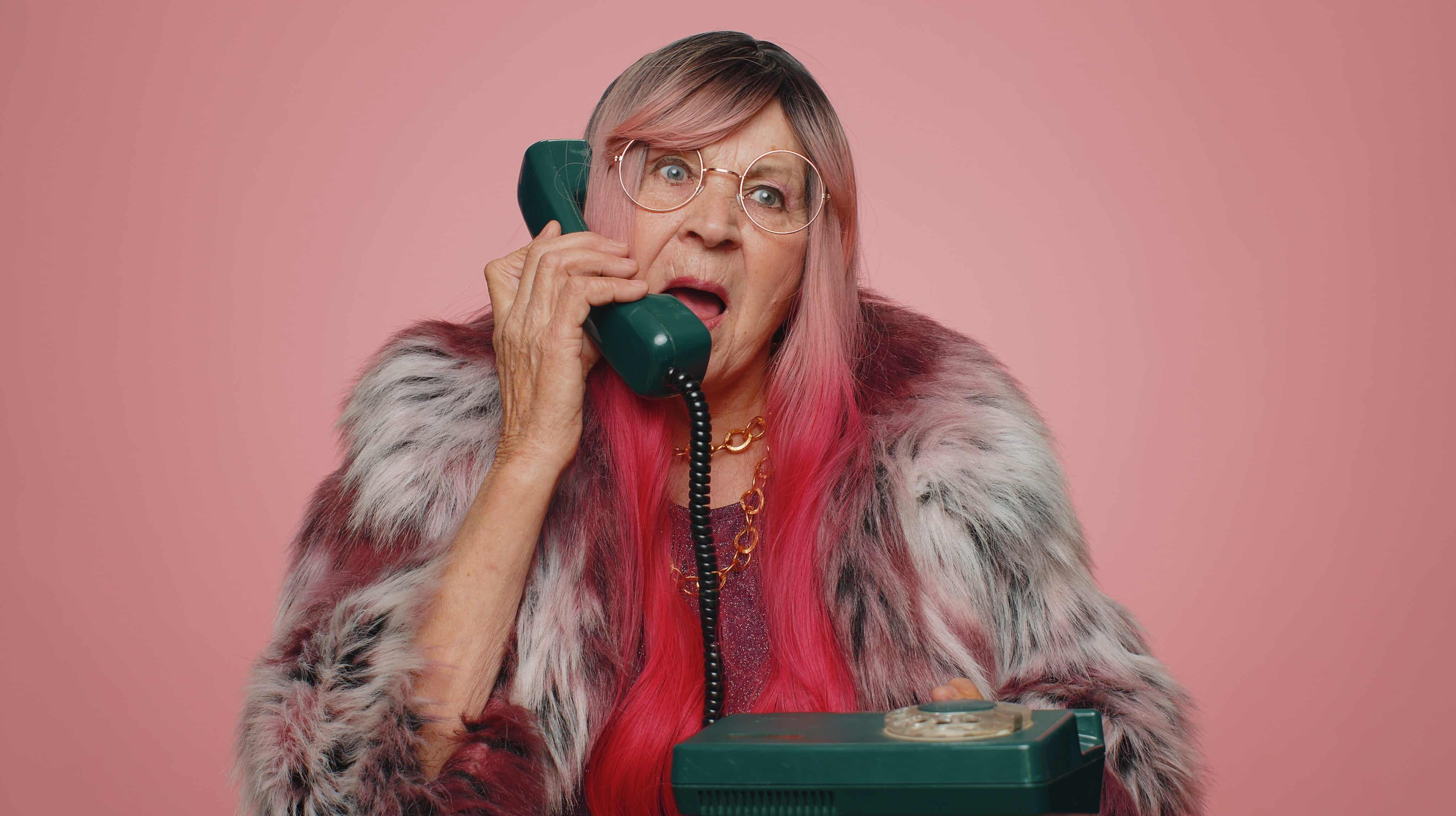
NumberBarn’s 2026 survey adds a tiny but telling detail to the mood: 27% of people say they miss having a landline, and 68% still consider it useful. That sounds quaint until you remember what landlines carried: patience, intention, the long pause before someone came to the phone.
Sherry Turkle put the larger truth beautifully in MIT News, saying that “because it’s in conversation…that empathy is born, that intimacy is born, that relationship is born.” Gen X misses that slower social life because it was less polished, less curated, and often more real.
Gen X is not to be forgotten
Gen X is called forgotten so often that the label starts to sound like weather, but the numbers tell a different story. This is the generation that still carries the 1980s most vividly, at 39% in CivicScience’s nostalgia data, and still wields enormous spending power, with NIQ and World Data Lab projecting $15.2 trillion in 2025.
That mix of memory and money is why these treasures keep resurfacing in design, retail, music, and media. They are not dead. They are drifting through the culture like songs from another room, asking a simple question that still stings a little: what did we lose when life got faster, smoother, and easier to track?
Key Takeaways
The strongest thread running through all 13 treasures is not age. It is the texture.
Gen X came up in a world of 200 million cassette Walkmans, physical media collections that still grew by 114.2 million cataloged items on Discogs in 2025, a housing market that moved from $64,900 homes in 1980 to $405,300 in late 2025, and an entertainment landscape where 40 million Americans still appear hungry for more independent film.
That is why these memories still pull so hard. They are tied to ownership, privacy, local discovery, and time that feels less chopped up. Gen X does not just miss old objects. It misses the way those objects made life feel.
Disclosure: This article was developed with the assistance of AI and was subsequently reviewed, revised, and approved by our editorial team.
Like our content? Follow us on Newsbreak.
12 reasons employers struggle with Gen X workers (and we kind of get it)

Generation X, typically defined as those born between 1965 and 1980, is quietly becoming one of the most influential cohorts in the modern workplace. In the U.S. alone, Gen X makes up roughly a third of the workforce and is increasingly concentrated in mid- to senior-level roles. Yet despite their experience, employers report a surprising mix of challenges when managing this group. Learn more.





