

For younger diners, predictability no longer feels comforting, it feels forgettable.
Identical menus, copy-paste interiors, and generic vibes can’t compete with places that feel unique, local, and worth sharing. With social media shaping where people go next, atmosphere now matters as much as what’s on the plate.
Here’s what’s really driving the shift and why chains are starting to fall behind.
They want unique experiences, not copy-paste meals
Younger diners crave originality, not copy-paste meals. Surveys show that 61% of Gen Z in the U.S. view dining out as a special occasion, preferring unique experiences over routine chain menus. Millennials echo this demand for authenticity, reshaping restaurant trends toward immersive and story-driven dining.
Globally, consumers from Asia to Latin America emphasize heritage and cultural authenticity, reinforcing this shift. They want food with a memorable narrative, like a spicy mango burger at a local spot, not identical menus across 50 outlets. As one industry insight notes, “Restaurants are more than just places to eat; they’re spaces where memories are made, and stories are shared.” People want meals worth sharing, not mass-produced.
Social media changed the game
Social media has transformed dining decisions. Platforms like Instagram and TikTok now drive food choices, with 84% of Gen Z in the U.S. trying food trends they see online. Aesthetics and presentation matter more than ever, and chains often struggle to compete with the vibrant, shareable plates from local cafés that can go viral overnight.
Globally, 74% of diners use social media to decide where to eat, and 88% trust reviews as much as personal recommendations, underscoring the power of authentic visuals. I’ve personally chosen a restaurant because it looked good on my food, and I’m not alone. As Deloitte Digital notes, “Social media has become an extra guest at dinner tables across the world.” Younger consumers trust real posts over polished ads, proving organic buzz beats corporate campaigns.
Health consciousness is rising fast
Health consciousness is rising fast. Consumers now read labels, ask questions, and care deeply about ingredients. In the U.S., 82% of consumers prioritize wellness, and 90% of Millennials and Gen Z spend on healthy food even in tough times. Globally, the health and wellness market is worth $7.32 trillion in 2025, with nearly 1 in 2 consumers buying more fresh, unprocessed foods.

Chain restaurants often rely on processed items and heavy portions, turning off younger diners who track calories or avoid additives. The CDC highlights growing awareness of diet-related health issues, prompting people to adopt fresher, simpler meals. I’ve swapped greasy combos for lighter options countless times it simply feels better afterward.
They prefer supporting local businesses
They prefer supporting local businesses, and it shows. In the U.S., 91% of consumers shop at small stores weekly, with 80% doing so to support their community, and 42% even willing to pay more for local products. In 2024, local spending reached $3.73 trillion, over half of retail sales, underscoring the economic impact. Younger Americans, especially, value the emotional connection: walking into a small restaurant where the owner greets you creates loyalty that chains can’t replicate.
Globally, diners increasingly choose independent establishments for authenticity and storytelling. As one expert put it, “Supporting small businesses fosters community spirit and drives local economies.” That personal touch, like an owner explaining every dish, remains unmatched by corporate chains.
Prices don’t feel worth it anymore
Prices don’t feel worth it anymore. Chains once won on affordability, but that gap is shrinking fast. According to the Bureau of Labor Statistics, quality often failed to keep pace. A burger at a chain now costs nearly the same as one from a local gourmet spot, prompting diners to ask: Why settle?
Surveys show that 68% of consumers compare chain prices to those at local restaurants before dining out, and globally, people are increasingly willing to pay slightly more for meals that feel authentic and memorable. As Warren Buffett put it, “Price is what you pay. Value is what you get.” For many, that means choosing experiences over mass-produced sameness.
Menus feel outdated and repetitive
Menus feel outdated and repetitive. Chains move slowly while trends move fast, and that mismatch is clear. Younger diners increasingly want plant-based options, global flavors, and seasonal items, yet many chains stick to menus that worked years ago.
The National Restaurant Association (2024) highlighted plant-based innovation as a top trend, and by 2025, New York City had 122 fully vegan establishments, showing how quickly demand has shifted.
Foodservice reports confirm that global flavors now drive consumer excitement, but chain menus often feel predictable. That boredom pushes diners elsewhere. Why settle for the same old items when fresher, more adventurous options exist?
Customization matters more than ever
Customization matters more than ever. Diners increasingly want to control ingredient choices, swap sides, and adjust portions. In the U.S., the National Restaurant Association (2024) reported personalization as a top consumer demand, while globally, the Gulfood Report (2024) highlighted customization as a defining trend reshaping satisfaction.
Save this article
Younger consumers, especially Millennials and Gen Z, expect flexibility, yet chains often struggle due to standardized processes. That mismatch frustrates customers who value freedom in their dining choices. As QSR Magazine noted, “The era of one-size-fits-all dining is over. Personalization is now the cornerstone of restaurant success.” Local restaurants often deliver this freedom, while chains risk losing relevance by sticking to rigid menus.
Ethical concerns influence choices
Ethical concerns influence choices more than ever. Sustainability, sourcing, and environmental impact now shape dining decisions, especially among younger Americans. The National Restaurant Association (2024) identified sustainability as a top trend, while 73% of global consumers report changing habits to reduce environmental impact.
Chains often struggle to consistently meet these expectations, while local spots adapt faster. As McKinsey notes, “Sustainability is no longer optional, it’s a business imperative.” Small choices, like skipping a place that overuses plastic, add up to big shifts in loyalty.
Faster doesn’t always mean better
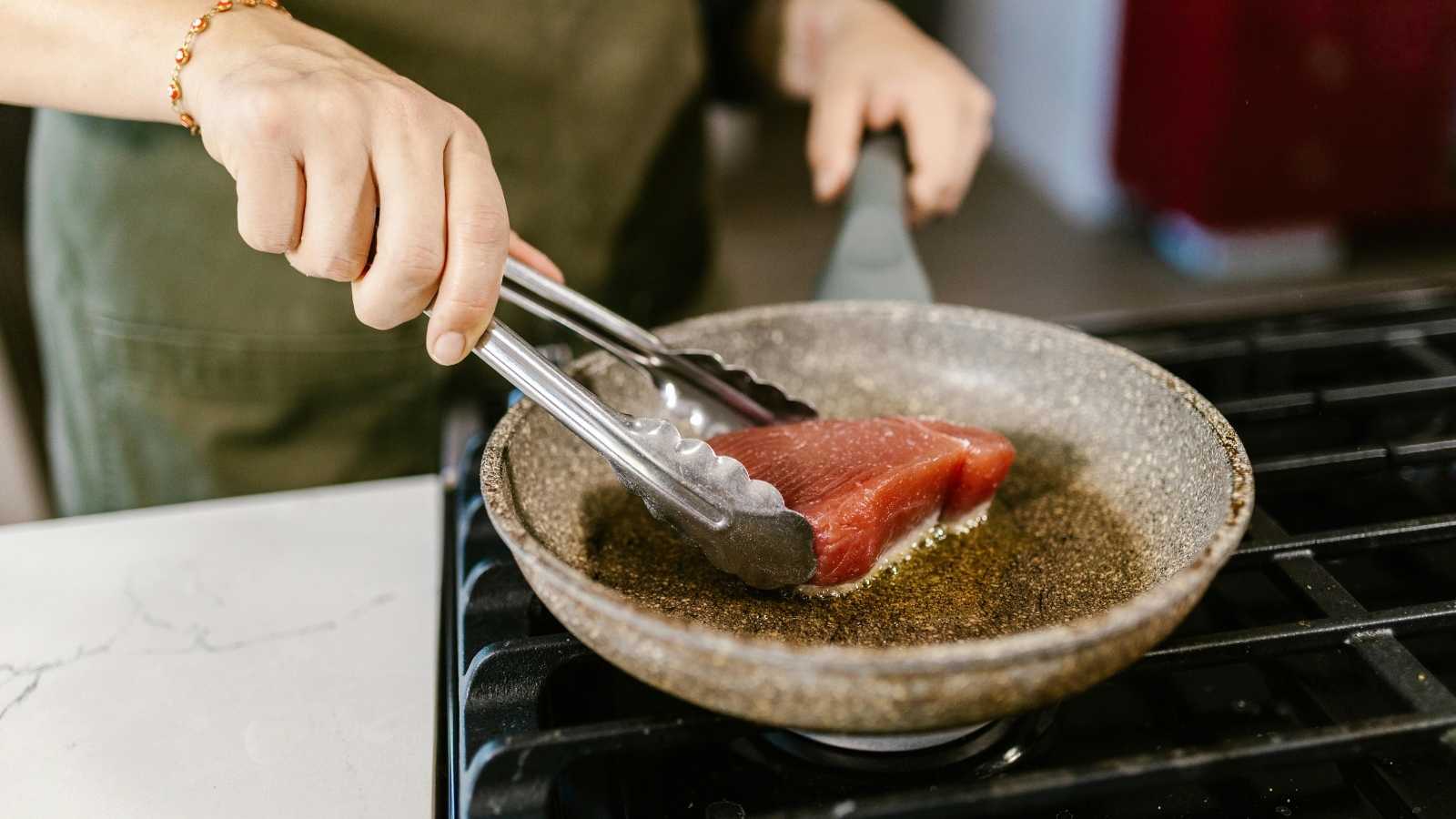
Faster doesn’t always mean better. Chains built their reputation on speed, but today, quality rivals convenience. In the U.S., the American Customer Satisfaction Index (2025) shows quick-service chains losing ground as diners shift toward competitors offering better food. Globally, the fast-casual market is projected to grow from USD 144.8 billion in 2024 to USD 230 billion by 2030, driven by demand for meals that balance speed with quality.
Younger consumers especially value experiences where taste and freshness matter as much as convenience. As Warner LeRoy once said, “A restaurant is a fantasy a kind of living fantasy in which diners are the most important members of the cast.” People don’t mind waiting a few extra minutes when the food is worth it.
The atmosphere feels too corporate
The atmosphere feels too corporate. Walk into many chain restaurants, and you’ll notice the same layout, lighting, and music. That consistency once felt comforting, but now it feels dull. Younger diners increasingly want personality and spaces that feel alive. According to Technomic (2023), about two-thirds of Millennials and Gen Z say that the atmosphere influences their restaurant choices.
The National Restaurant Association (2024) identified ambiance as a top factor in repeat visits. Globally, reports highlight consumer preference for authentic, distinctive design over standardized corporate settings. As one expert noted, “Ambiance is the silent salesperson of a restaurant.” Diners often choose places purely for their vibe, leaving chains at risk of feeling forgettable.
Delivery apps changed loyalty patterns
Delivery apps changed loyalty patterns. Platforms like Uber Eats and DoorDash have reshaped habits, turning food delivery into a $353 billion U.S. market in 2025 and part of a $1.4 trillion global industry. Instead of defaulting to familiar chains, consumers now browse app menus and discover independent restaurants.
DoorDash alone commands over 56% of the U.S. market, but the real impact is how apps encourage exploration. Once diners try something new and love it, they rarely go back. Industry reports note that apps act as “discovery engines,” giving smaller restaurants visibility once reserved for big chains. I’ve found some of my favorite spots through delivery apps, proof that chains have lost their automatic advantage.
Brand trust isn’t as strong anymore
Brand trust isn’t as strong as it used to be. Younger consumers increasingly question big names, relying on reviews and transparency rather than logos. In the U.S., the American Customer Satisfaction Index (2024) shows fast-food chains scoring lower than full-service restaurants, reflecting weaker trust in consistency.
The National Restaurant Association (2024) highlights ratings and transparency as central to consumer decisions, while global surveys from Deloitte and EY (2024) confirm loyalty is shifting toward authenticity and values-driven brands. One viral complaint can damage a chain overnight, and many diners, including myself, avoid places after seeing repeated negative reviews.
Food culture has evolved
Food culture has evolved. Dining feels personal now, with people exploring diverse cuisines, experimenting, and caring about authenticity. In the U.S., the ethnic food market surpassed $70 billion in 2024, while Datassential (2025) reported rising demand for regionally authentic Asian dishes.
Globally, Innova Market Insights (2025) identified “Tradition Reinvented” as a top trend, showing consumers value heritage and authenticity in food. Younger diners, especially, notice when chains simplify dishes to appeal to mass audiences, stripping them of depth and flavor. After tasting authentic meals at small restaurants, many find chain versions watered down.
Disclosure: This article was developed with the assistance of AI and was subsequently reviewed, revised, and approved by our editorial team.
Like our content? Follow us on Newsbreak.
10 common parenting habits that can leave kids resentful as adults

Parenting is arguably the most difficult job in the world, and no one gets it right 100 percent of the time. However, certain behaviors can leave deep emotional scars that persist well into adulthood. For instance, when children grow up feeling unheard or manipulated, the relationship often sours once they leave the nest.
Resentment typically builds up over years of small repeated interactions rather than a single event. Identifying these toxic patterns is the first step toward breaking the cycle and healing the bond. Here are ten common habits that often drive a wedge between parents and their adult children. Learn more.





