

Psychologists say the quiet routines many retired men adopt often reflect a natural mental adjustment after decades of structured work life.
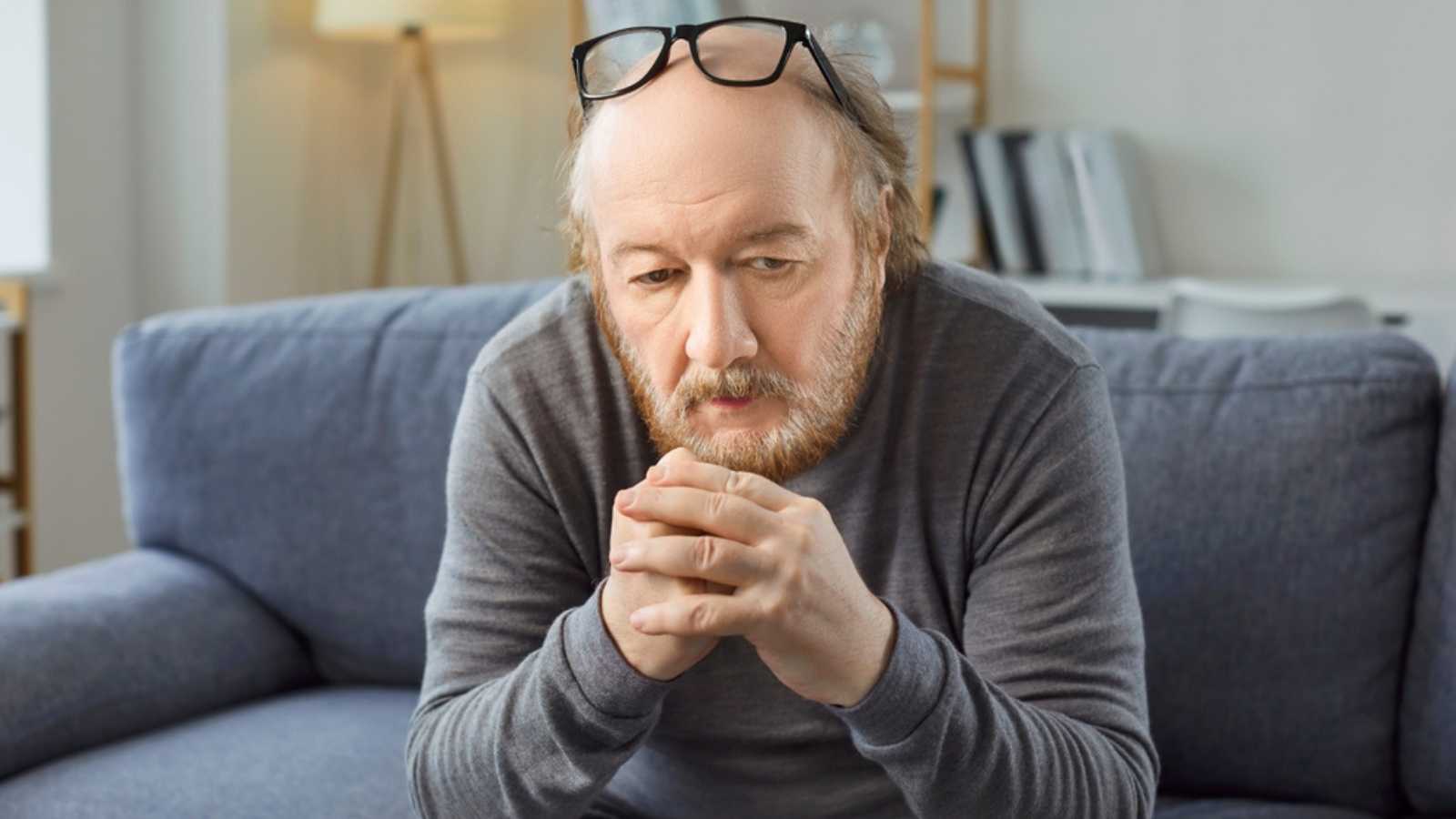
Walk into many American living rooms today, and you might find a retired man staring out the window or sitting in a quiet recliner. While it might look like boredom to an outsider, there is often a deep internal process happening behind that calm exterior.
After decades of answering phones and meeting deadlines, the sudden absence of noise can feel like a hard-earned reward rather than a lonely void. Psychologists suggest that this stillness is a natural transition as men move away from a life defined by constant action and external validation.
It is a time for the brain to finally catch its breath and process a lifetime of experiences without the pressure of a ticking clock. Understanding the “why” behind this quietude helps us appreciate the mental shift that happens when the professional race finally reaches its finish line.
Developing A New Sense Of Time
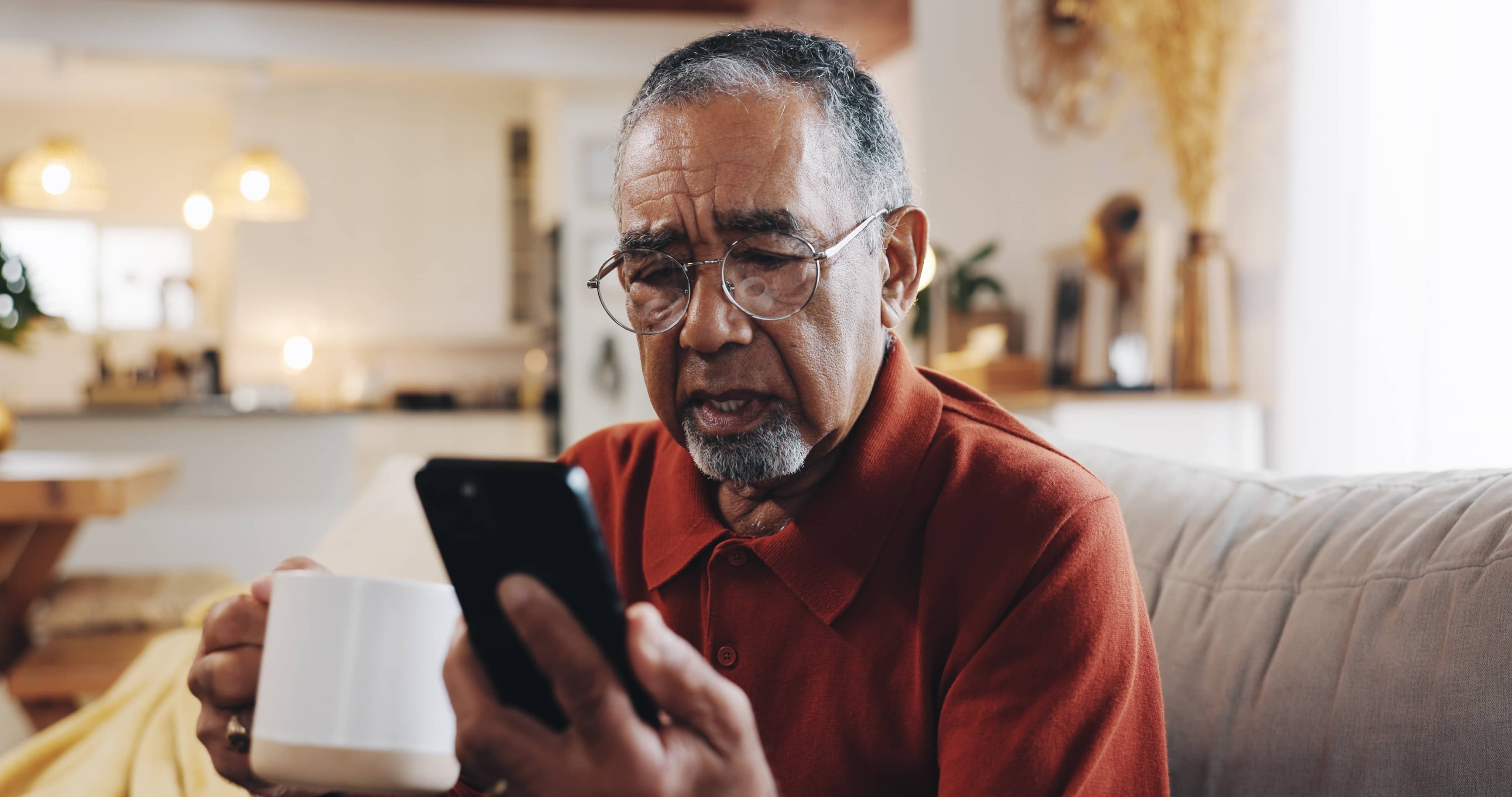
In the corporate world, time is a commodity that is sold, managed, and squeezed for every possible drop of value and profit. Retirement breaks that mechanical clock, and sitting quietly helps a man sync up with a more natural, slower pace of existence. It is the transition from clock time to event time, in which things happen when they are ready.
This change in perception can be jarring at first, like stepping off a fast-moving treadmill onto solid, unmoving ground. It takes a while to stop feeling the phantom itch of a meeting that’s no longer on the calendar.
Sitting still is the way they train their minds to accept that the urgency of the past is finally gone for good and that their daily budgeting of energy can revolve around what truly matters now, not yesterday’s deadlines.
Recovery From Decades Of Chronic Stress

For many men, the working years were a marathon of high-stakes decisions and constant physical or mental exertion that took a heavy toll. Sitting quietly is often the first chance the nervous system has to fully reset after years of being stuck in a high alert state.
The American Psychological Association’s Survey found that 77% of workers reported experiencing work-related stress in the prior month, and many said this stress negatively affected their physical and emotional health.
Quiet, unstructured time in retirement becomes one way for the body to slowly move out of survival mode and into a healthier baseline.
The Processing Of A Professional Identity
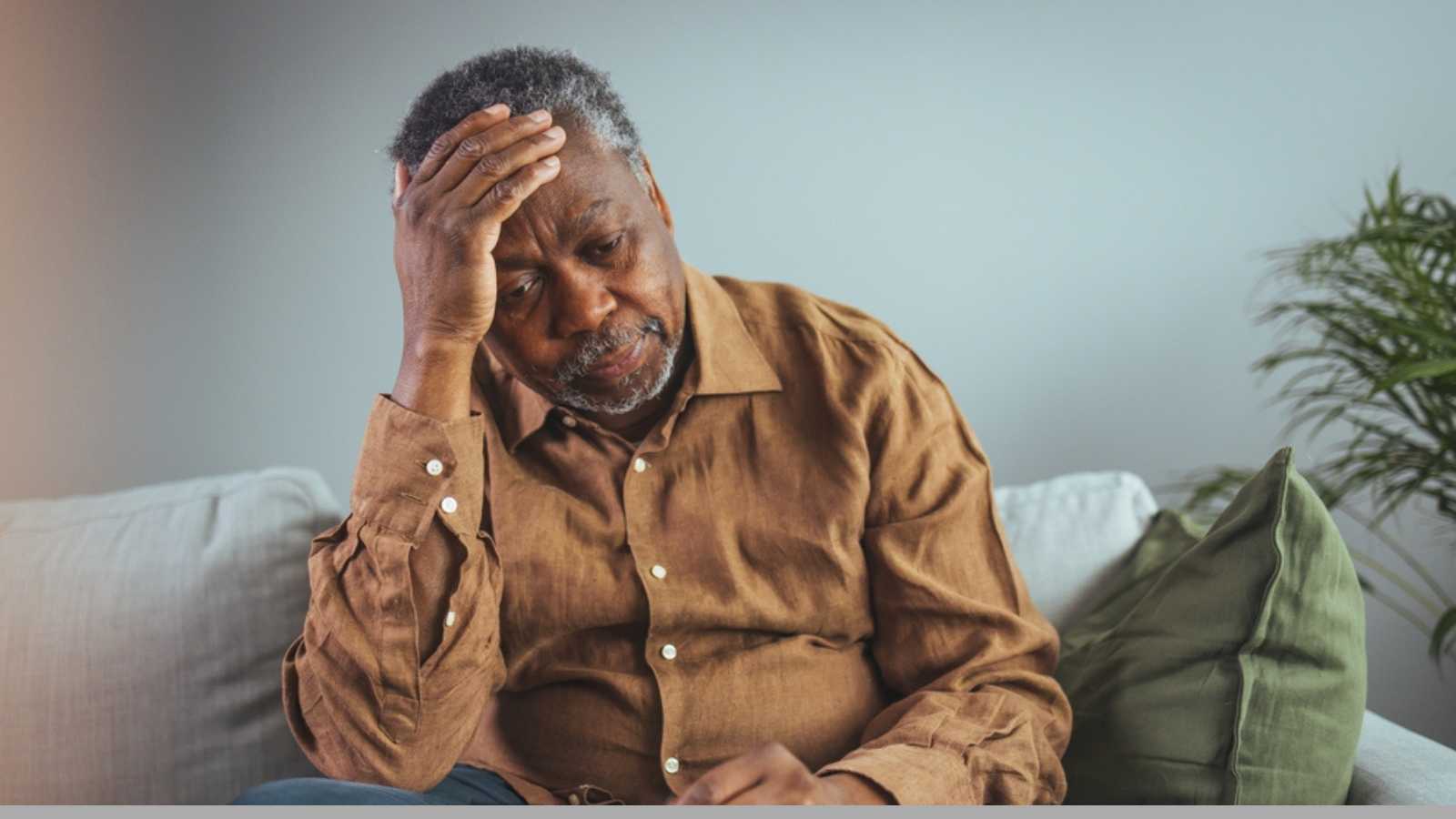
When a man retires, he loses the title that has likely defined his social standing and daily purpose for over forty years. Sitting in silence provides the mental health space needed to figure out who he is without a business card or a company logo.
Research from the Transamerica Center for Retirement Studies shows that many retirees struggle with the emotional side of leaving work and often wish they had spent more time planning for lifestyle and identity changes, not just the financial math.
For men who tied their worth to productivity and financial success for decades, quiet reflection is the tool they use to build a new foundation.
Savoring The Power Of Choice
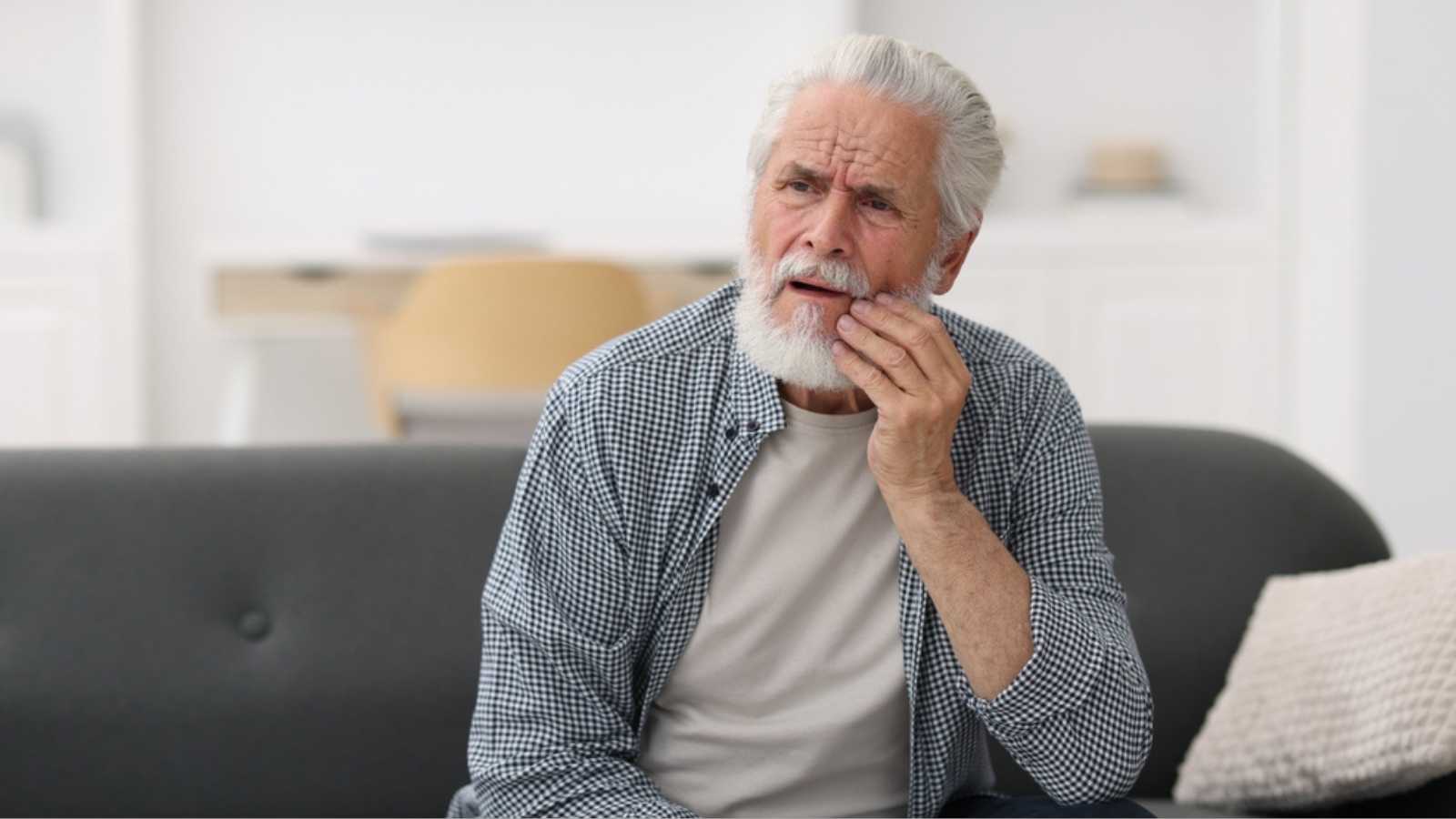
Throughout a career, almost every hour is accounted for by someone else, from supervisors to clients and demanding project schedules. Sitting quietly is a way of exercising the ultimate new freedom of doing absolutely nothing simply because you can.
Having no place to be is a luxury that many men have not experienced since they were small children in grade school. This total control over their hours is a powerful psychological win that they choose to enjoy in peaceful, solitary moments.
The Practice Of Active Observation

What looks like a blank stare is often a man finally noticing the small details of the world he was once too busy to see. He might be watching the way the light falls on a tree or how the birds interact at the backyard feeder. This shift toward observation is a sign of a brain moving from a goal-oriented state to a mindful one.
A review on associations between nature exposure and health found that regular contact with natural environments is linked to lower levels of stress, anxiety, and depression, and to better self-reported mood.
By sitting still and paying attention to the small rhythms of the outdoors, many retired men are giving their minds the kind of quiet reset that was impossible during their busy commute years.
Reflecting On Legacy And Memories
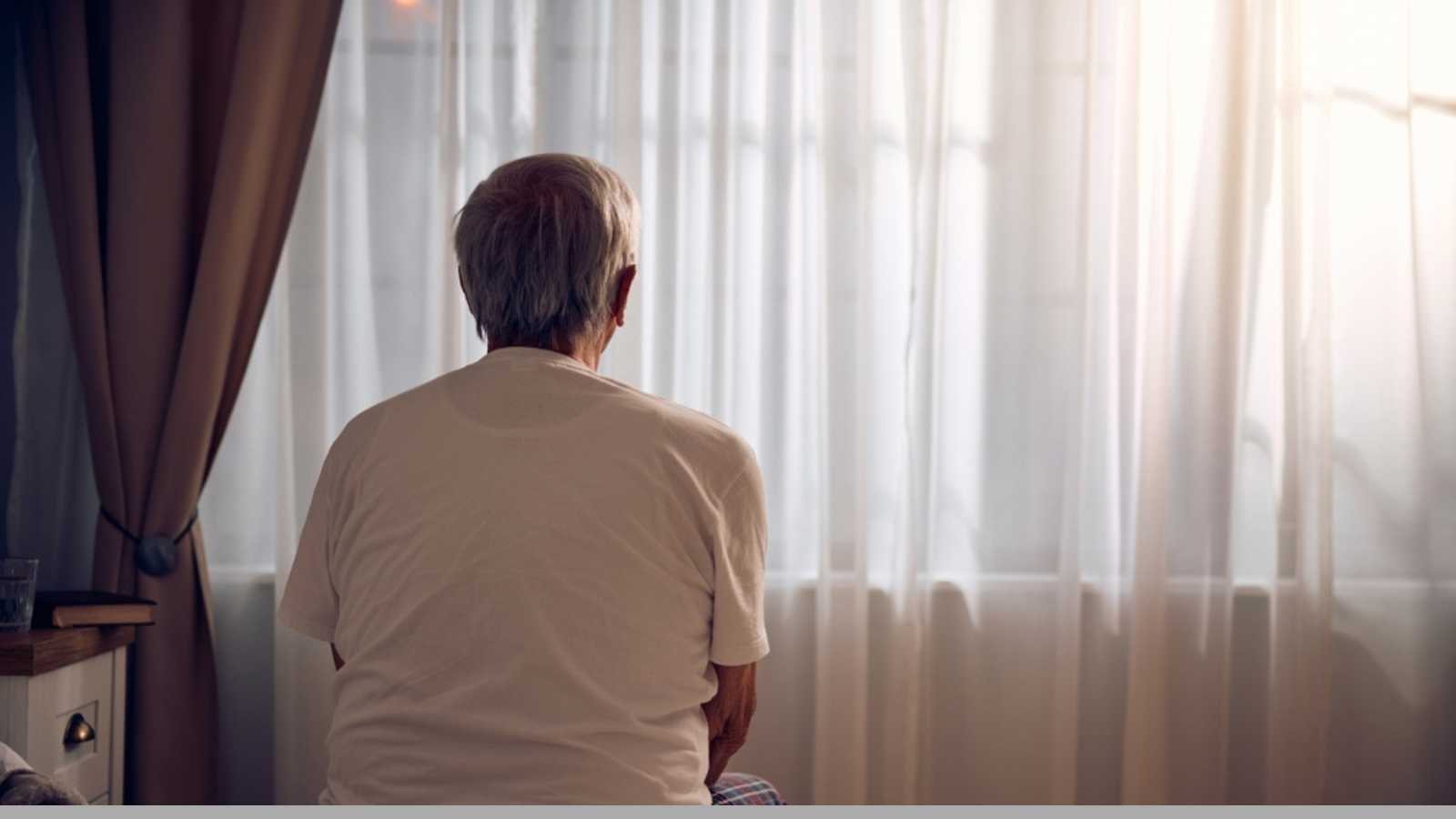
As the horizon of life shifts, many men use their quiet time to scroll through the mental archives of their most important achievements. They think about the bridges they built, the deals they closed, and the way they provided for their families through the decades.
Save this article
Erik Erikson’s theory of psychosocial development suggests that older adults who feel they have led a meaningful, coherent life are more likely to experience ego integrity, while those who dwell on regret are more vulnerable to despair.
Finding peace with one’s choices leads to a sense of wisdom and calm acceptance of the path one has walked. Sitting quietly is the laboratory where this vital internal work takes place every single afternoon.
Managing The Shift In Social Energy
Work provided a constant stream of social interaction that was often superficial but took a lot of energy to maintain. Once that tap is turned off, some men find they need a period of solitude to recalibrate their social batteries and desires.
A report on social isolation and loneliness in older adults from the National Academies estimates that almost one-quarter of adults aged 65 and older are socially isolated, and that retirement is one of the transitions that can increase that risk.
Many men respond by narrowing their circles and choosing quality over quantity, often preferring one deep conversation with a spouse over a crowded room of noisy strangers. The quiet at home becomes a sanctuary where they can be their truest, most unvarnished selves.
Processing Grief And Hidden Loss

The later years often come with a series of quiet losses, from the deaths of old friends to the slow decline of physical strength. Men often process these heavy emotions in solitude, away from the eyes of a world that expects them to stay strong.
Sitting quietly allows them to acknowledge their sadness and find a way to carry it forward with dignity.
Research on the effect of spousal loss on depression in older adults shows that bereaved older people face a significantly higher risk of depressive symptoms, particularly in the first year after a partner dies, and that adjustment can take years. Many men prefer to sit with those feelings privately before they share them.
The Enjoyment Of Sensory Simplicity
Modern life is a constant bombardment of blue light, loud notifications, and a never-ending stream of digital information and news. For a retired man, the simple act of sitting in a quiet room is a sensory detox that clears the cobwebs from his mind.
Time-use data summarised from the American Time Use Survey, reported in an overview of how Americans spend their time, show that people aged 65 and older spend more than 7 hours per day on leisure and sports, much of it on low-key activities such as TV, reading, and quiet relaxation.
This simplicity is a choice to focus on the immediate and the tangible rather than the distant and the abstract. It is a grounding practice that helps them feel more connected to the reality of their own physical homes.
Watching The Family Tree Grow

Many retired men spend their quiet time simply observing the lives of their children and grandchildren with a sense of quiet pride. They look at photos or watch the family play in the yard, seeing the fruit of the labor they put in for so many years.
Building strong relationships with the next generation is often the highlight of these years and a major source of emotional stability. Seeing a grandchild succeed is a different kind of win than a promotion, and it requires a different kind of quiet appreciation.
It is the peace that comes from knowing that the foundation you laid is holding up the people you love and that your efforts to maintain your health were never only about you.
Conserving Physical And Mental Energy

While it may look like doing nothing, sitting still is often a strategic choice to conserve energy for what truly matters. A man might sit all morning quietly so he has the stamina to take a walk, run a small errand, or work on a hobby project at the kitchen table.
Gerontology research on the neural basis of improved emotional stability with age suggests that older adults often show more balanced emotional responses than younger adults, in part because they refocus their goals on meaning and connection.
This shift requires a mindful approach to how one spends their limited daily energy and focus. Sitting quietly is not a sign of giving up, but a sign of choosing where to invest the next small effort.
Key Takeaway

The quiet moments of a retired man are rarely empty; they are usually filled with the complex work of identity building and emotional recovery. By stepping back from the noise of the world, these men are finding a deeper connection to their own histories and their current environments. We should view this stillness not as a problem to be solved, but as a hard-won victory over a lifetime of busyness and stress.
Disclaimer: This list is solely the author’s opinion based on research and publicly available information. It is not intended to be professional advice.
Like our content? Be sure to follow us





