
Just when grocery shopping was beginning to feel slightly less painful, there are some unsettling signals coming from the global food market.
Grain prices are climbing, extreme weather is threatening crops, geopolitical conflicts are disrupting trade routes, and the costs of producing and transporting food remain vulnerable to everything from fuel prices to fertilizer. That doesn’t mean every item in your grocery cart is about to become dramatically more expensive. But some foods are already rising much faster than others—and knowing where the pressure is can help you shop smarter.
Grocery inflation isn’t terrible overall—but averages hide a lot
The good news first: We’re nowhere near the extraordinary grocery inflation Americans experienced a few years ago.
The USDA’s latest Food Price Outlook forecasts overall food prices will increase about 3% in 2026, while food purchased at grocery stores is expected to rise about 2.5%. Restaurant prices are projected to climb more quickly, at approximately 3.6%.
In July, grocery prices were 2.7% higher than they had been a year earlier. That’s noticeable, but hardly catastrophic.
The problem is that nobody buys “the average grocery basket.” We buy tomatoes, ground beef, coffee, eggs, cereal and cheese—and prices for individual foods are moving in wildly different directions.
Some categories are barely changing. Others are rising two or three times faster than overall grocery inflation.
Beef is one of the biggest trouble spots
If steak night has become noticeably more expensive, you’re not imagining it.
Beef and veal prices were 9.4% higher in July than they were one year earlier, according to USDA data.
That makes beef one of the clearest places where changing your shopping habits could make a meaningful difference.
Instead of automatically buying the same cut every week, compare prices across cuts and consider using smaller amounts of beef in dishes where it doesn’t need to be the entire meal.
Stir-fries, tacos, soups, chili and grain bowls can stretch a pound of meat much further than serving everyone an individual steak or burger.
Chicken can also provide an alternative when the price gap becomes large. USDA expects poultry prices to rise more slowly than their historical average this year.
The money-saving move isn’t necessarily to stop buying beef. It’s to stop buying it on autopilot.
Fresh vegetables are another surprise
Vegetables aren’t behaving as one uniform category.
Overall fresh vegetable prices were 6.3% higher in July than a year earlier, and USDA now expects them to rise about 5.9% for 2026.
But look underneath that number and things get interesting.
Fresh tomatoes were 12.8% more expensive than a year earlier. Lettuce was up 7.5%. Potatoes increased a much more modest 3.4%.
At the same time, fresh vegetable prices actually dropped 1.6% between June and July.
That’s why shopping seasonally and comparing vegetables instead of rigidly following a shopping list can make a real difference.
If broccoli is expensive but green beans are on sale, switch. If fresh produce is unusually costly, check frozen.
Frozen vegetables are nutritionally valuable, last considerably longer and eliminate the expensive habit of discovering a liquefied zucchini in the back of the produce drawer two weeks later.
Fruit prices are moving higher too
Fresh fruit is another category USDA expects to rise faster than its historical average this year.
Prices jumped 1.1% in July alone.
That doesn’t mean you should stop buying fruit. It means this is a particularly good category in which to let price and seasonality influence what goes into your cart.
Buying blueberries simply because blueberries are always on your list can be expensive when they’re out of season. Apples, bananas, oranges, melon or whatever fruit is abundant that week may offer much better value.
Frozen fruit can also be an excellent option for smoothies, oatmeal, baking and sauces.
The larger lesson applies across the produce department: Don’t become loyal to one fruit or vegetable when the prices are telling you to eat another.
Chocolate and sweets are taking a beating
Here’s one category where shoppers may already have experienced sticker shock.
Sugar and sweets were 7.4% more expensive in July than a year earlier, and USDA expects the category to increase about 7.1% across 2026.
Candy and chewing gum—which includes much of the chocolate category—have been major contributors.
And international conditions aren’t particularly reassuring. Global sugar prices surged in August amid weather-related production problems in major growing regions.
If you’re wondering why a chocolate bar that used to feel like an inexpensive indulgence suddenly doesn’t, there’s your answer.
This may be one of the easiest categories in which simply waiting for sales can save money.
Candy, baking chocolate and other sweets generally have long shelf lives. There’s little reason to pay full price if you can buy them during promotions.
Coffee and other beverages remain vulnerable
Your morning coffee deserves its own line in the household budget these days.
USDA expects nonalcoholic beverage prices to increase about 4.3% this year, faster than grocery prices overall, with coffee and tea among the factors pushing the category higher.
Coffee is particularly vulnerable to weather and global supply conditions because Americans depend heavily on imported beans grown in specific climates.
That doesn’t mean hoarding 40 pounds of coffee beans is a sound retirement strategy.
But if you regularly buy the same coffee and find it at a genuinely good price, this is one pantry staple where buying an extra package or two can make sense.
Just make sure you’ll actually use it while the quality remains good.
Bread and cereal deserve watching
Cereal and bakery products aren’t currently among USDA’s fastest-rising grocery categories. The agency expects prices to increase roughly in line with their 20-year historical average.
But this is one area worth watching because of what’s happening farther upstream.
Global grain markets have become more volatile. Disruptions to Black Sea exports have recently pushed wheat buyers toward more expensive supplies from other countries, while international wheat futures have risen sharply.
Higher commodity prices don’t immediately translate into an equally large increase in the price of a loaf of bread. The wheat itself represents only one portion of what you’re paying for when you buy bread, cereal or crackers.
Processing, packaging, labor, transportation and retail costs matter too.
Save this article
Still, persistent increases in wheat and other grain costs can eventually work their way through the food system.
This is another category where store brands can provide significant savings without requiring much sacrifice.
Corn prices matter even if you rarely eat corn
Corn is a good example of why food inflation can become complicated.
You might look at a bag of frozen corn and think rising corn prices don’t matter much to your household.
But corn is also animal feed.
When feed costs rise, the effects can eventually show up in meat, poultry, eggs and dairy prices.
Corn is also used extensively in processed foods and industrial food ingredients.
That’s why disruptions involving major commodity crops can ripple far beyond the obvious products on supermarket shelves.
The effect isn’t immediate or guaranteed, but commodity prices are worth watching precisely because they sit near the beginning of so many food supply chains.
Eggs may finally offer shoppers some relief
Remember when eggs were the grocery item everyone complained about?
Here’s some welcome news.
USDA currently expects average egg prices to decline in 2026 compared with 2025.
That doesn’t mean every carton will suddenly be cheap, and egg prices can be particularly volatile because disease outbreaks among laying hens can rapidly disrupt supply.
But compared with the extraordinary price increases consumers experienced previously, the direction is encouraging.
If egg prices remain reasonable where you live, they can also help offset higher prices elsewhere in the grocery cart.
Eggs are versatile, protein-rich and useful for meals far beyond breakfast.
An omelet, frittata or egg-based dinner can be considerably less expensive than a beef-centered meal.
Dairy is another relative bright spot
Milk, cheese and yogurt aren’t expected to experience the kind of increases currently affecting beef, vegetables or sweets.
In fact, USDA currently forecasts dairy prices to remain essentially unchanged on average in 2026.
That’s useful information when you’re trying to compensate for increases elsewhere.
Greek yogurt, cottage cheese, milk and cheese can provide protein without relying entirely on increasingly expensive meat.
And because dairy products frequently go on sale, comparing unit prices and choosing store brands can stretch those savings further.
Don’t stockpile everything because prices might rise
Inflation headlines can trigger an understandable impulse: Buy it now before it costs more.
Sometimes that works.
Sometimes you end up throwing money away.
Buying ahead makes the most sense for foods you already use regularly, that are genuinely on sale and that will keep long enough for you to consume them.
Rice, pasta, canned beans, canned fish, oats, flour, coffee and frozen foods can be reasonable candidates when prices are good.
Buying three months’ worth of fresh produce because lettuce might get more expensive obviously isn’t.
And buying food your family doesn’t particularly like because it was cheap isn’t saving money if nobody eats it.
Let your grocery list become a little less rigid
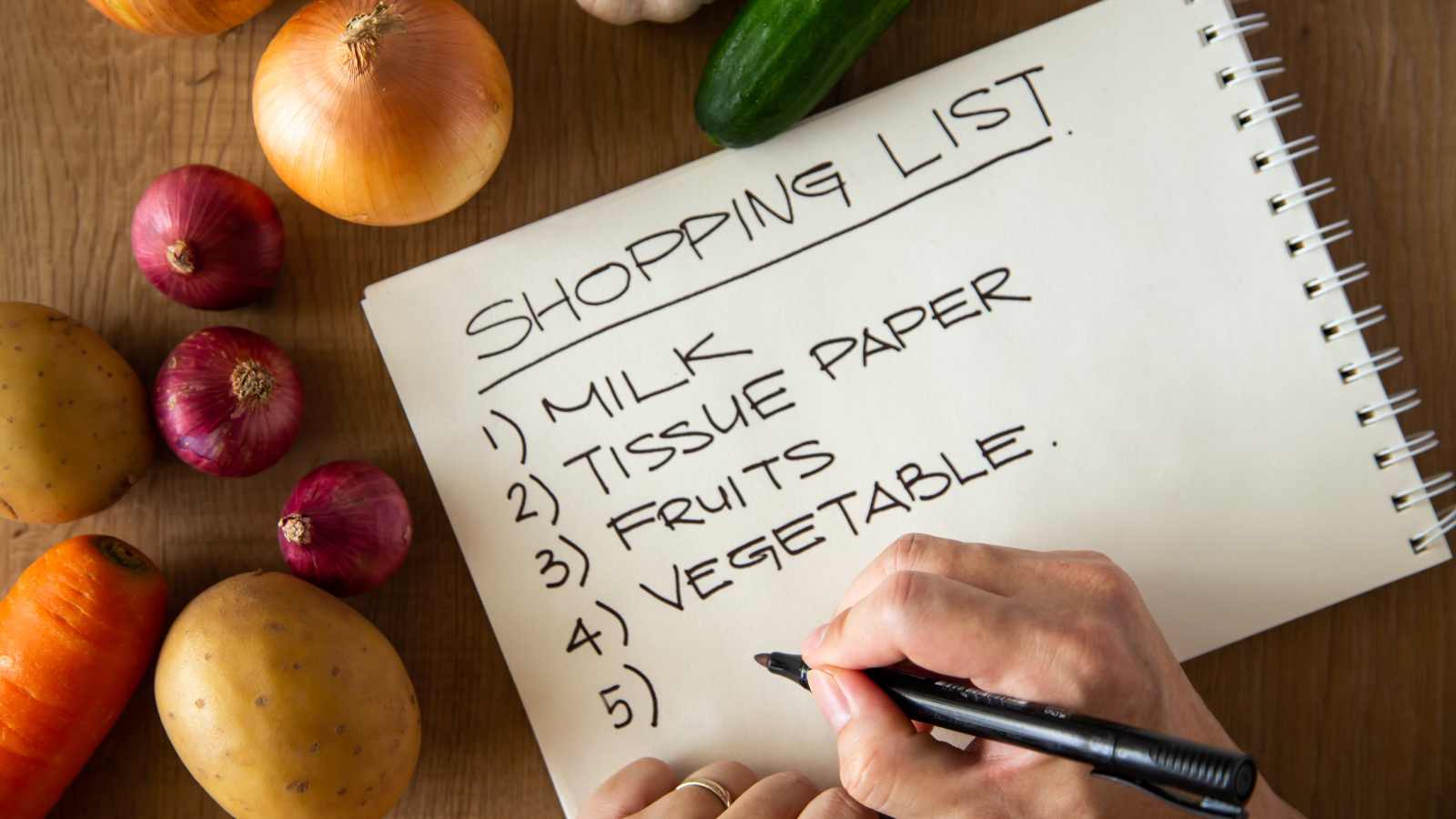
One of the most effective responses to uneven food inflation doesn’t require coupons, bulk warehouses or spending Sunday afternoon visiting six supermarkets.
It requires flexibility.
Instead of writing “steak, asparagus, blueberries,” think “protein, vegetable, fruit.”
Then look at what’s actually affordable when you arrive.
The more interchangeable foods you have in your cooking repertoire, the less power any single price increase has over your grocery bill.
Chicken can replace beef. Beans can replace some meat. Frozen vegetables can replace expensive fresh ones. Apples can replace berries. Eggs can become dinner. Store-brand oatmeal can replace an expensive boxed breakfast.
You’re still buying food. You’re simply refusing to let one particular food dictate what you’re willing to pay.
Final word
The latest numbers don’t suggest we’re heading back to the extraordinary grocery inflation Americans experienced earlier in the decade. USDA is still forecasting a relatively modest 2.5% increase in grocery prices overall for 2026.
But that average conceals a much messier reality.
Beef is up sharply. Fresh vegetables and sweets are climbing much faster than average. Coffee and other beverages remain under pressure. Meanwhile, eggs may actually become cheaper, dairy prices are relatively stable and poultry is increasing more slowly.
Global conditions add another layer of uncertainty. Weather, fuel costs, grain markets and disruptions to international trade can eventually make their way from a wheat field or shipping terminal thousands of miles away to the price tag at your neighborhood supermarket.
You can’t control any of that.
But you don’t have to shop as though every food is increasing at the same rate.
Watch the categories getting expensive. Lean harder on the ones that aren’t. Buy shelf-stable staples when the price is genuinely good, and give yourself permission to change dinner plans when the supermarket is asking too much for what you originally intended to buy.
Because when grocery prices become unpredictable, one of the best weapons you have isn’t a coupon.
It’s flexibility.





