Eggs. Lettuce. Berries. Sprouts. Cheese. Prepared foods. If it feels like every trip to the grocery store is followed by another headline telling you something in the refrigerator might be contaminated, you’re not imagining the steady stream of recall notices.
But you also don’t need to become afraid of your grocery cart. You can’t control everything that happens to food before it reaches your kitchen. You can control what happens once it gets there. And a handful of surprisingly simple habits can make navigating recalls—and everyday food safety—a lot less frightening.
First, understand what a food recall actually means
A recall doesn’t necessarily mean everyone who ate a product is going to get sick. Foods can be recalled for several reasons, including possible contamination with bacteria such as Salmonella, E. coli or Listeria, an undeclared major allergen, or foreign material such as glass, metal or plastic.
And recalls are often highly specific. The problem may involve one product size, one lot code, one production date or products distributed only to certain stores or states. That’s why “berries recalled” doesn’t necessarily mean you need to throw away every berry in the house.
The FDA’s recall guidance recommends checking the exact product name, package size, UPC, lot or product code, date information and distribution details in the recall notice. Think of a recall notice less like a general warning and more like a wanted poster: You’re trying to determine whether the food in your kitchen is the exact product authorities are looking for.
Don’t rely on Facebook to tell you what’s been recalled
Social media is excellent at making a recall sound terrifying and considerably less reliable at telling you whether it actually applies to your food. Go to the source.
The FDA maintains current recalls and food-safety alerts for most foods. Meat, poultry and certain egg products fall under the U.S. Department of Agriculture instead. The FDA also offers email subscriptions to recall notices.
You don’t necessarily need another daily email in your life, but if someone in your household is especially vulnerable to foodborne illness, receiving official alerts can be useful. And when you see a frightening headline, check the government notice before tossing half your refrigerator.
Your freezer may be your biggest recall blind spot
Fresh food comes and goes quickly. Frozen food can hang around long enough to qualify for residency.
That’s particularly relevant right now. In September, a recall connected to an ongoing E. coli outbreak involving frozen blueberries expanded to include a lot of Great Value Organic Triple Berry Blend sold at Walmart stores in 16 states.
Here’s the detail that should get everyone’s attention: The recalled berries have a best-by date of February 9, 2028.
The FDA is specifically telling consumers to check their freezers for the recalled frozen berries and discard or return affected products.
That illustrates one of the strangest problems with recalls. The news cycle lasts a few days. Your frozen food can last for years. Every so often, take a look at the older packages buried in your freezer—particularly frozen produce, meat, seafood and prepared foods—and check anything you don’t remember buying recently.
Don’t taste food to find out if it’s safe
This sounds obvious until you’re standing in front of an open refrigerator thinking, “It smells fine.” Dangerous food doesn’t necessarily look, smell or taste spoiled.
Pathogens such as Salmonella, E. coli and Listeria aren’t reliably detected by your senses. Taking a little bite to “see if it’s okay” defeats the entire purpose of a recall.
If the product in your kitchen matches a recall notice telling consumers not to eat it, don’t eat it. Period.
Washing recalled food doesn’t magically fix it
Here’s another understandable instinct: What if I just wash it really well?
Don’t. If authorities tell you not to eat a recalled food, washing it isn’t a workaround. Produce should normally be rinsed under running water before eating or preparing it, but that’s everyday food-safety advice—not a method for rescuing recalled produce.
The same principle applies to cooking. Don’t assume you can simply cook a recalled product until it’s safe unless the recall instructions specifically tell consumers that cooking is an appropriate solution. Follow the instructions for that particular recall rather than improvising.
Throwing away the food may not be the end of the job
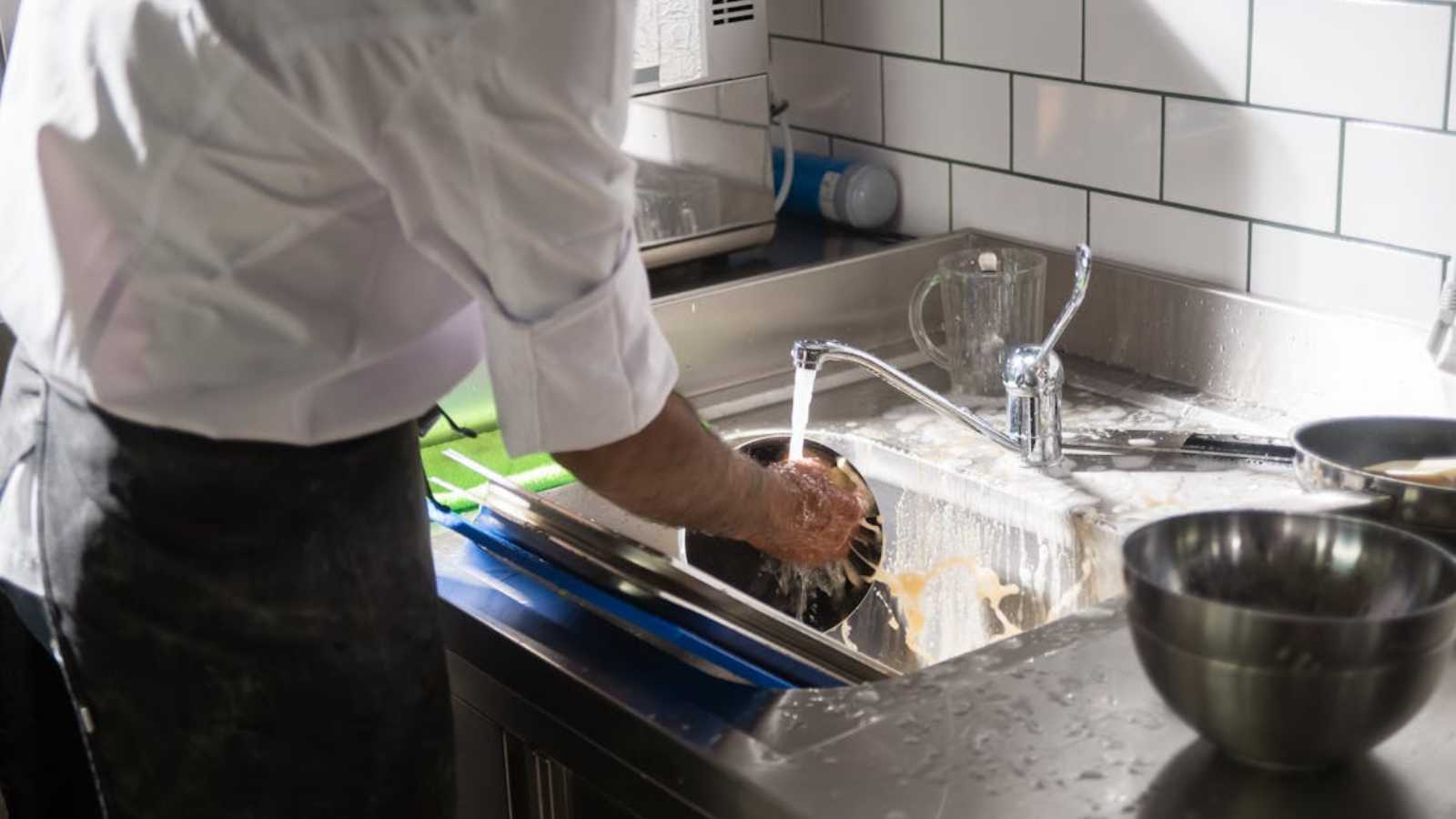
Suppose you discover recalled berries leaked onto a refrigerator shelf. Or recalled meat sat in a drawer. Or you already opened and prepared the product. Now think about where that food has been.
A contaminated product can potentially spread germs to refrigerator shelves, drawers, cutting boards, knives, containers, countertops and other food. FDA recommends cleaning and sanitizing surfaces that may have contacted contaminated recalled food.
Wash your hands thoroughly when you’re finished as well. This is especially important with foods connected to bacteria capable of spreading through cross-contamination. The goal isn’t merely to get the recalled package out of the house. It’s to make sure it didn’t leave anything behind.
Don’t give recalled food to your dog—or someone else
Food waste feels awful. Throwing away a perfectly normal-looking package can feel even worse. But this isn’t the moment to get creative.
Don’t give recalled food to a pet, neighbor or food pantry. FDA specifically advises against giving recalled products to other people or pets.
If the instructions say to discard the product, dispose of it securely so children, pets and animals can’t get into it. Many recalled products can instead be returned to the retailer for a refund.
Your everyday kitchen habits still provide enormous protection
Recalls get headlines because they’re unusual. The mundane things we do in our kitchens every day matter just as much.
The CDC boils food-safety basics down to four words: Clean, Separate, Cook and Chill.
Save this article
Clean your hands, utensils and work surfaces. Separate raw meat, poultry, seafood and eggs from foods that won’t be cooked. Cook foods to safe internal temperatures, and refrigerate perishable food promptly.
These aren’t glamorous recommendations, but they’re remarkably effective.
Stop washing raw chicken
If you grew up watching someone rinse chicken in the sink before cooking it, this may feel deeply wrong. But raw chicken doesn’t need a bath.
Washing raw poultry can splash bacteria around your sink, countertops, utensils and nearby foods. Cooking is what destroys harmful bacteria. Save the washing for your hands, produce and kitchen surfaces—not your chicken.
Buy yourself a food thermometer
If there’s one inexpensive kitchen tool that deserves more respect, it’s the food thermometer. Color isn’t a reliable way to determine whether meat has reached a safe internal temperature. Neither is poking it with a finger.
A thermometer replaces guessing with an actual number. The CDC recommends cooking whole cuts of beef, pork, lamb and veal to at least 145°F followed by a three-minute rest; ground meats to 160°F; and poultry to 165°F. Leftovers should also be reheated thoroughly.
You don’t have to obsessively temperature-check everything you eat. But for meat and poultry, particularly when cooking for children, older adults or anyone with a weakened immune system, it’s an extraordinarily useful little tool.
Some people need to be more cautious than others
Food poisoning can make anyone miserable. For some people, it can become much more serious. Adults 65 and older, children younger than 5, pregnant people and those with weakened immune systems have a greater risk of severe foodborne illness.
If someone in your household falls into one of those groups, paying closer attention to recalls and higher-risk foods makes sense. Certain foods also carry inherently greater risks, including raw or undercooked meat, poultry, seafood and eggs; raw sprouts; unpasteurized dairy products and juices; and raw dough or batter containing uncooked flour.
That doesn’t mean everyone needs to live on sterilized crackers. It means risk isn’t identical for every person or every food.
Know when food poisoning needs more than a day on the couch

Most of us have experienced a stomach bug and wondered whether dinner was responsible. Many foodborne illnesses resolve without medical treatment, but some symptoms deserve attention.
Severe or bloody diarrhea, repeated vomiting that makes it difficult to keep fluids down, dehydration, high fever or serious worsening symptoms warrant medical advice. The pathogen matters too. For example, certain E. coli infections can cause a serious complication called hemolytic uremic syndrome, which can lead to kidney failure.
If you’ve eaten a food specifically connected to an outbreak and then develop symptoms listed in the official alert, tell your healthcare provider about the possible exposure. That information can matter.
Don’t stop eating healthy foods because one brand was recalled
This may be the most important lesson of all. A recall involving lettuce doesn’t make lettuce unsafe. An outbreak involving frozen blueberries doesn’t mean frozen fruit is dangerous. A Salmonella recall involving eggs doesn’t mean you should stop eating eggs.
Recalls generally identify a particular problem—not an entire category of food.
In fact, avoiding entire categories every time a recall occurs can create its own problems, particularly if people become afraid of fruits, vegetables and other nutritious foods. Find out what’s actually affected. If you own it, follow the recall instructions. If you don’t, keep making dinner.
Create a simple food-recall routine
You don’t need a spreadsheet tracking every item in the pantry. A simple system is enough.
When you hear about a recall, check the official FDA or USDA notice rather than relying on a headline. Compare the brand, package size, UPC, lot code and date with your product. Pay particular attention to foods that can linger in the freezer or pantry long after the recall disappears from the news.
If you have the recalled product, follow the disposal or return instructions and clean anything it may have contaminated. Then move on.
Being informed is useful. Being terrified of food isn’t.
Final word
Food recalls feel unnerving precisely because they involve ordinary things. Nobody expects danger from a bag of frozen berries waiting for tomorrow’s smoothie or the eggs they bought for Sunday breakfast.
But a recall is also evidence that the food-safety system has identified a problem and is telling consumers how to respond. You cannot personally inspect every farm, processing plant, truck and warehouse involved in getting dinner onto your table. Fortunately, you don’t have to.
You need to know what you bought, where to find reliable recall information and what to do when one of those products turns up on a warning list.
Then keep doing the boring things that work: wash your hands, prevent cross-contamination, cook food properly and refrigerate it promptly. You don’t need a perfectly risk-free kitchen. Such a thing doesn’t exist.
You need a kitchen where, when something does go wrong in the food supply, the problem stops with you instead of spreading any farther.