

Most people have made peace with a little bedroom light. The clock, the streetlamp slipping through the curtains, the tiny glow from a device charging nearby all tend to fade into the background. It rarely feels like something that could influence health.
A large study published in the European Heart Journal is now putting that assumption under a brighter spotlight.
Researchers tracked nighttime light exposure in thousands of UK adults. They found that people who slept with even very dim ambient light had measurable differences in heart structure and function on MRI scans taken years later.
Over the following decade, those same participants showed higher observed risks of heart attack, stroke and heart failure.
The level of light linked with these findings is much lower than many people might expect. It is not about sleeping with a lamp on or leaving the television running all night.
Instead, the study focused on everyday sources that often go unnoticed, from outdoor light entering a room to the small indicators built into household devices.
How Researchers Got Inside the Bedroom
The study’s design is part of what makes it stand out: participants did not fill out a questionnaire about how bright their bedrooms were.
Between 2013 and 2015, tens of thousands of UK Biobank participants wore wrist devices with integrated light sensors to measure nighttime light exposure during their individual biological nights. Then, researchers evaluated structural heart health through cardiac MRI scans in a subgroup of 11,071 participants and tracked long-term clinical outcomes in over 73,000 participants using hospital records.
Rather than relying on a standard bedtime schedule, researchers identified each person’s biological night as the five hours when they were least active. They then measured light exposure during that window, focusing on any exposure above 3 lux.
Three years after the monitoring period, participants underwent cardiac MRI scans. Researchers later used hospital records to track cardiovascular outcomes over the next eight to ten years, allowing them to compare nighttime light exposure with later heart health measures.
What the Scans Found
The study used cardiac MRI to look for changes that typically appear before diagnosed heart disease, and found them.
Compared with participants who had no nighttime light exposure above 3 lux, the group with the highest exposure showed measurable differences in heart structure and function. Their left ventricular mass was 2.4% greater, ventricular walls were 1.5% thicker, and their heart muscle contraction efficiency was 1.9% lower.
Strain measurements, which show how effectively the heart muscle squeezes and relaxes, also declined as nighttime light exposure increased.
Cardiologist Rasi Wickramasinghe said the pattern was notable because the results formed a consistent picture rather than appearing as isolated findings: “In the people with the most nighttime light, the findings weren’t a scattering of odd results, but a coherent pattern.”
The same higher exposure group also had a 29% higher observed risk of heart failure, a 24% higher risk of heart attack, a 33% higher risk of stroke, a 15% higher risk of atrial fibrillation, and a 26% higher risk of cardiovascular death during the following decade.
Researchers adjusted for factors including physical activity, diet, smoking, BMI, alcohol use, and air pollution.
Related: How Sleep, Stress, and Diet Affect Your Sexual Energy
Save this article
The Light Does Not Have to Be Bright
Three lux is a very dim room, and most bedrooms have more sources of it than people realize.
Lead researcher Lu Qi pointed to common household sources that many people would not consider lighting at all: streetlights passing through window shades, illuminated clocks, and small LEDs on air purifiers, humidifiers, and other devices. These small points of light can become part of the overall nighttime environment.
The study measured illumination levels, not light type. As a result, it cannot determine whether blue-toned LEDs affect people differently than warmer incandescent bulbs, or whether one source matters more than another.
That distinction matters because this research is not simply about putting phones away before bed. Instead, it examined ambient light exposure during the biological night, regardless of its source.
Two Possible Explanations, and an Important Caveat
The study’s authors tested mechanisms and found partial answers, which is a more honest result than a clean one.
One explanation involves sleep itself. Shorter sleep duration accounted for part of the relationship between nighttime light exposure and the heart-related measurements. Researchers found that reduced sleep statistically mediated 24% to 49% of the associations they observed.
However, the connection remained even after accounting for sleep duration. That suggests the relationship may involve more than simply sleeping fewer hours.
Researchers also considered circadian disruption. Light exposure above 3 lux can suppress melatonin, and the body’s internal clock helps regulate blood pressure patterns, heart rate, and cardiac metabolism. Repeated nighttime disruption may gradually affect those systems, even when the impact is not immediately noticeable.
At the same time, this study cannot prove that nighttime light directly causes heart disease. It found associations between exposure and later cardiovascular outcomes. The primary imaging group was 97.6% White, which limits how broadly the findings apply.
Researchers also measured light exposure for only one week, and other factors linked to brighter sleeping environments, like street noise or air pollution, may have influenced the results.
Practical Steps, Honest Context
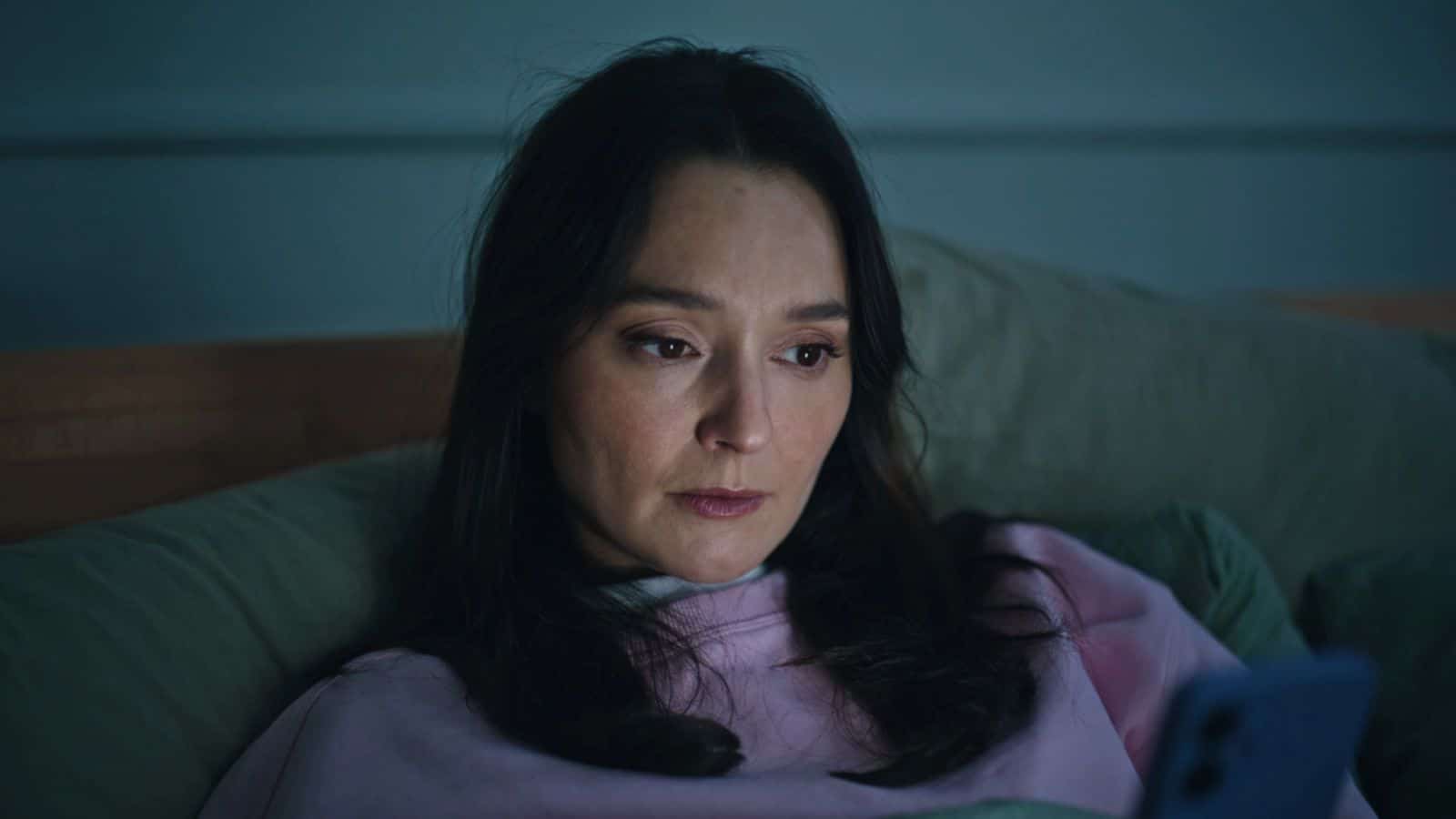
The changes researchers mention are low cost, but the expectations need to stay realistic.
Reducing nighttime light does not require a major bedroom overhaul. Blackout curtains can help block outdoor light, while dark tape over standby LEDs is a simple way to remove small sources of glow. Other options include moving electronic devices away from the bed, using an analog clock, or wearing a well-fitted eye mask.
A nightlight placed near the floor may also be less disruptive than one positioned closer to eye level.
In addition, regular physical activity, balanced eating, avoiding smoking and managing blood pressure, cholesterol and glucose remain central to cardiovascular health.
Making a bedroom darker may be a useful addition, but it should not be viewed as a standalone solution. Whether reducing nighttime light exposure can actually improve heart outcomes is a question researchers say still needs further study.
Have you ever changed something about your bedroom environment for the sake of sleep, and if so, did it actually help?
More Articles You Might Be Interested in:
- 5 Things You Should Never Wear Before Sleeping
- Do You Sleep For Nine Hours a Night? New Study Says It Can Lead to an Early Death
- New Study Reveals How Much Sleep Adults Really Need — And Why 8 Hours May Not Be Right for Everyone





