

Scientists have identified how a widely prescribed cholesterol medication can interfere with a protein that controls muscle movement, offering new insight into certain statin-associated side effects.
Researchers at the University of British Columbia and the University of Wisconsin-Madison found that atorvastatin can directly affect a protein that regulates calcium inside muscle cells. The findings could help explain why some patients experience muscle pain and weakness while taking statins, which are used by more than 200 million people worldwide.
The discovery also offers a possible direction for developing cholesterol medications with fewer unwanted muscle effects.
The findings reveal how a medication designed to protect the cardiovascular system can also interfere with the processes that allow muscles to function.
Researchers published the study in Nature Communications on November 20, 2025, and it was highlighted in an October 2026 ScienceDaily report. Although the study identifies a molecular mechanism, researchers have not established how frequently it causes symptoms in patients.
Scientists Identify an Unexpected Target Inside Muscle Cells
The study found that atorvastatin can bind to ryanodine receptor 1 (RyR1), a protein that controls calcium release in skeletal muscle cells.
RyR1 acts as a channel that regulates calcium movement, an essential process for muscle contraction. Disruptions in this system can interfere with normal muscle function. Using cryo-electron microscopy, researchers examined the protein at extremely high resolution to understand how atorvastatin interacts with it.
Dr. Steven Molinarolo, the study’s lead author and a researcher at the University of British Columbia, described the precision of the observations. “We were able to see, almost atom by atom, how statins latch onto this channel,” Molinarolo said in the university’s research announcement.
The images provided direct structural evidence of a previously unclear interaction between the medication and a protein involved in muscle activity.
Related: 8 Foods Cardiologists Warn Against for People With High Cholesterol
How Three Atorvastatin Molecules Can Trigger Changes
Researchers found that atorvastatin can activate RyR1 through a sequence in which three drug molecules bind within a region of each receptor subunit.
The first atorvastatin molecule attaches while the calcium channel is closed, producing structural changes that prepare the protein for activation. Two additional molecules can then bind within the same region, promoting further changes that allow the channel to open.
This matters because muscles depend on carefully regulated calcium release. When the channel opens inappropriately, calcium can escape its storage compartment, potentially disrupting normal muscle function.
Dr. Filip Van Petegem, the study’s senior author and a professor at the University of British Columbia’s Life Sciences Institute, described the significance of the finding. “This is the first time we’ve had a clear picture of how statins activate this channel,” Van Petegem said.
The investigation focused on atorvastatin and does not establish that every statin interacts with RyR1 through the same molecular arrangement.
What the Discovery Means for Statin Muscle Pain
The findings offer a possible explanation for certain muscle complications, although most muscle symptoms reported during statin treatment are not caused by the medications.
Save this article
Statins are widely prescribed because they lower cholesterol and reduce the risk of cardiovascular events, including heart attacks and strokes.
Some patients report soreness, weakness, or fatigue during treatment. In rare cases, statins have been associated with rhabdomyolysis, a severe form of muscle breakdown that can lead to kidney injury. Previous research also linked certain genetic variations in RyR1 to statin intolerance, making the protein an important focus of investigation.
However, a 2022 analysis published in The Lancet provides essential context.
Researchers examined 23 randomized clinical trials involving 154,664 participants. In the placebo-controlled trials, muscle pain or weakness was reported by 27.1% of participants assigned statins and 26.6% assigned placebo. The analysis concluded that more than 90% of muscle symptoms reported among participants receiving statins were not attributable to the medications.
The new molecular discovery does not contradict those findings. Instead, it identifies a biological interaction that may contribute to some genuine statin-related complications.
Atorvastatin’s Protein Interactions Could Lead to Safer Cholesterol Drugs
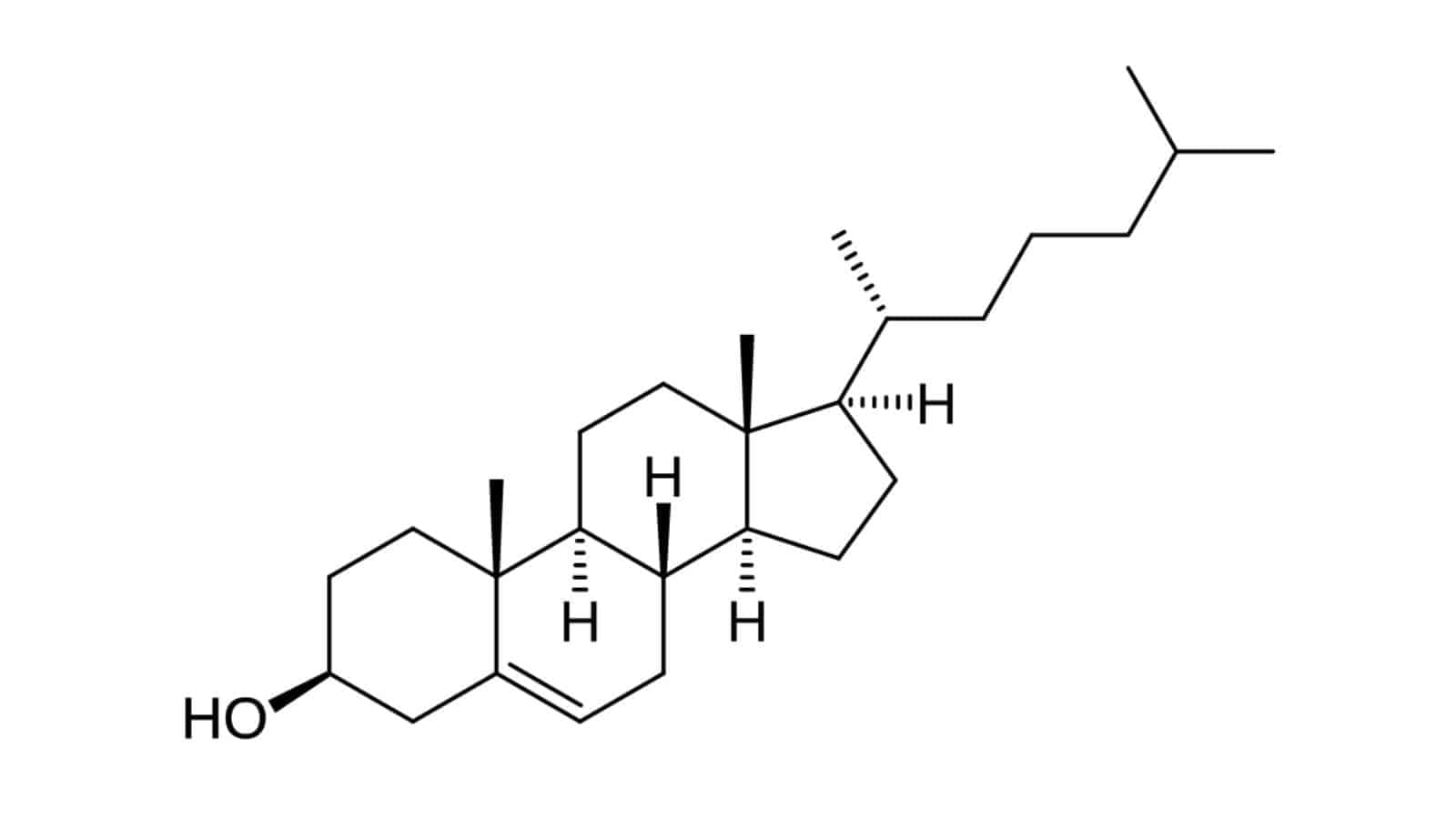
Understanding how atorvastatin interacts with different proteins could help researchers investigate ways to reduce unwanted muscle effects without sacrificing cholesterol-lowering benefits.
Atorvastatin inhibits HMG-CoA reductase, an enzyme involved in cholesterol production.
Researchers compared how the medication binds to this intended target with how it interacts with RyR1. Their structural analysis revealed differences in the parts of the drug molecule involved in these interactions.
Those differences could help scientists explore chemical modifications that reduce RyR1 binding while preserving the medication’s intended activity.
However, the research has not produced a clinically proven replacement drug. Any proposed alternative would need further testing to establish whether it maintains effectiveness while reducing muscle complications.
For drug developers, the findings offer a clearer understanding of how a treatment can interact with proteins beyond its intended target.
How Often Does This Interaction Cause Muscle Problems?
The discovery identifies a possible cause of muscle complications, but its clinical significance remains to be established.
Researchers have not determined how many patients experience symptoms specifically because atorvastatin affects RyR1. The findings also do not provide a reliable way to identify everyone susceptible to this interaction. The study does not change existing recommendations for patients taking statins, who should discuss concerns about muscle symptoms or treatment changes with their healthcare professionals.
The research offers a more detailed understanding of a medication that has long been central to cardiovascular care. It also reflects a larger challenge in drug development: understanding not just whether a treatment reaches its intended target, but what happens when it interacts with other systems in the body.
How might understanding these unintended molecular interactions shape the development of cholesterol medications that preserve their established benefits while reducing muscle complications?