

For kids growing up in the 1970s and 1980s, everyday life came with inconveniences that younger generations might struggle to picture. Finding information meant searching through actual books, calling a friend required access to the household phone and missing a favorite TV show could mean waiting weeks for another chance to see it.
There were no smartphones, no turn-by-turn directions and no streaming services. Here are 8 everyday hassles that made childhood in those decades very different from growing up today, many of them tied to the little rituals from the 80s and 90s that disappeared without much notice.
1. Research Meant Encyclopedias and Library Books
Today a child can type a question into a search engine and get thousands of answers in seconds. In the 1970s and 1980s, the same question often meant pulling the right encyclopedia volume off the shelf or heading to the library. Libraries had their own systems for organizing information, and the card catalog helped readers find books by author, title or subject.
The scale of those catalogs was remarkable. According to the Library of Congress’s history of its card catalog, its collection eventually grew to more than 22 million cards stored in roughly 22,000 drawers, with the last cards added in 1980. Finding a useful book could take time, especially when another reader had already checked it out.
2. Calling a Friend Meant Sharing the Landline
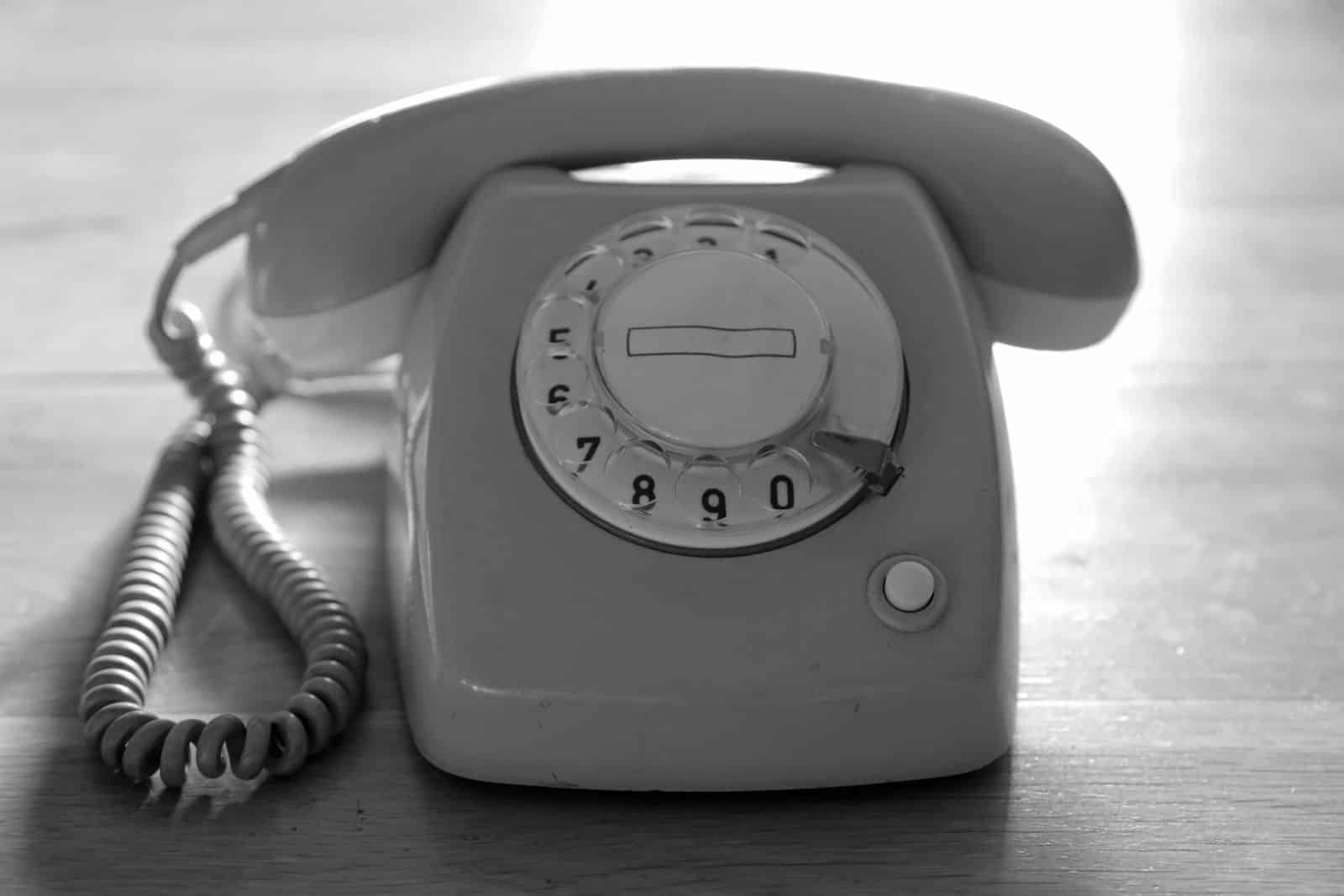
Before cellphones became common, many families shared a single household telephone. Calling a friend often meant first talking to a parent or sibling who answered and asked who was calling. Private conversations were hard to come by, and a long call could tie up the line for the whole family.
Busy signals added another layer of frustration. Answering machines eventually helped, and a 2022 Library of Congress article by communication historian Josh Lauer explains how they became consumer products during the 1970s and 1980s. Not every household had one, though.
3. Missing a TV Show Meant Waiting for a Rerun
Kids could not simply open an app and watch an episode whenever they wanted. They needed to know when a favorite program aired and be in front of the TV at that time. If they missed it, there was no guarantee of a quick repeat. Families also had to share a handful of channels, which meant negotiating with siblings or parents over what everyone would watch.
4. VHS Tapes and Cassettes Came With Their Own Frustrations
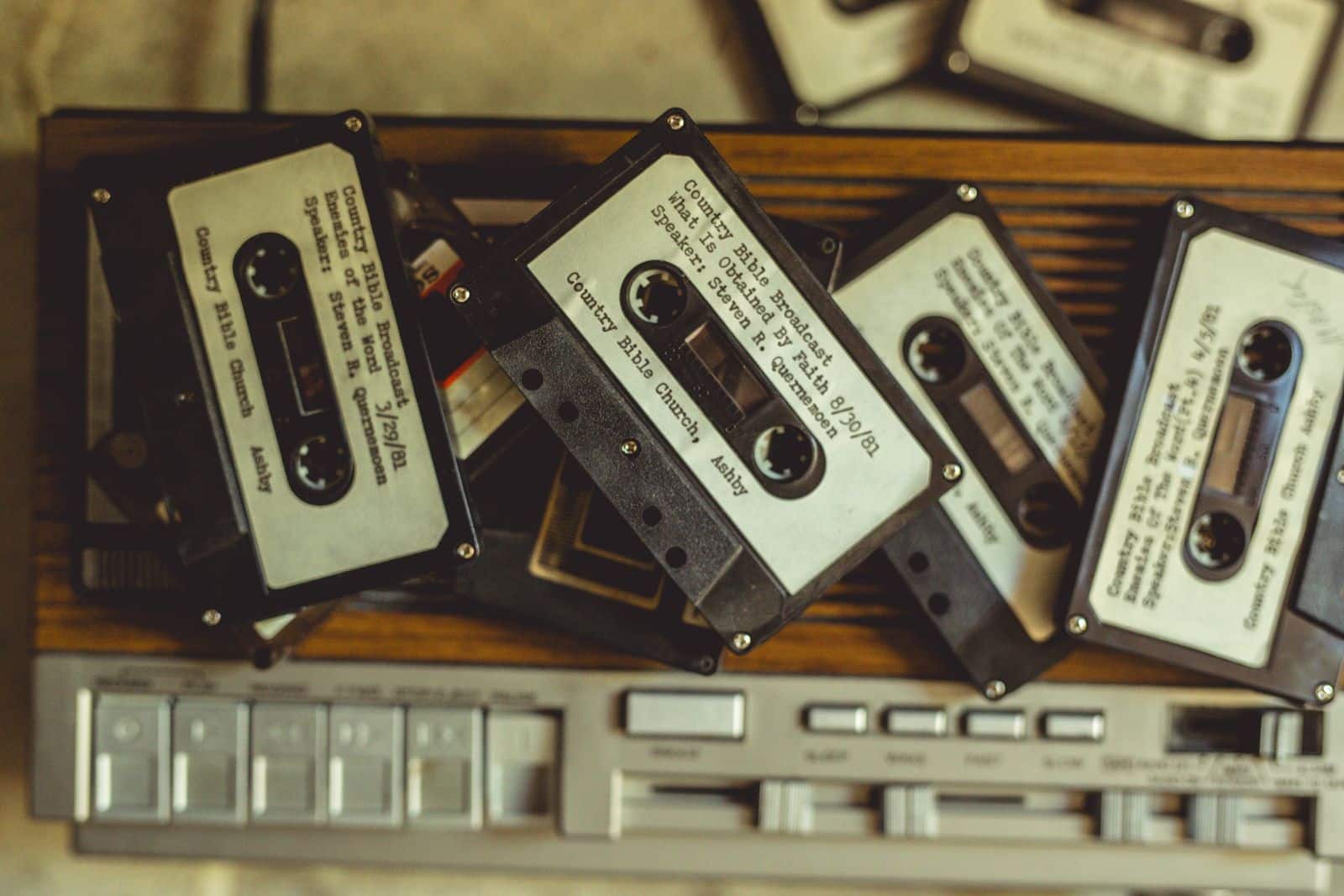
Physical media could tangle, jam or wear out. Rewinding a rented movie before returning it was a familiar chore, and some rental stores charged extra if customers forgot. Audio cassettes had their own problems, and many kids learned to wind loose tape back into place with a pencil.
5. Photos Meant Waiting to See if They Turned Out
Film cameras offered a limited number of shots on each roll, often 24 or 36, so every picture involved a small decision about whether the moment was worth it. There was no way to check the image right away. The film had to be developed first, and the biggest disappointment sometimes came at the photo counter, when a birthday or vacation produced blurry shots and closed eyes.
6. Getting Lost Was Easy Without GPS
Families relied on paper maps, road atlases and written directions. Drivers had to plan the route before leaving, watch for road signs and remember landmarks. A missed turn could mean pulling over, unfolding a large map and working out where things went wrong, or simply stopping to ask for directions. Road maps were also famous for never folding back the way they came.
7. School Assignments Took Hours of Handwriting
Before personal computers and widespread internet access, a research paper meant library visits, handwritten notes and drafts copied out by hand or on a typewriter. A single mistake on a typed page could mean starting over, and correction fluid was a desk essential.
8. Mixtapes and Video Games Required Patience
Making a mixtape meant waiting by the radio with a finger on the record button, hoping the DJ would not talk over the start of the song. Early video games demanded patience, too, from blowing on cartridges to starting over after a single mistake.
Why the Memories Still Matter
Many of these hassles taught patience, planning and problem-solving, which is why people who grew up with them often speak about them fondly. They are part of a broader wave of nostalgia for older routines, from the Boomer habits that are making a comeback to the record players and film cameras now popular with younger buyers.
For Gen Z, the list might read like a history lesson. For those who lived it, it is a reminder of how much daily life has changed in a few decades, much like the school rules and moments from the ’70s that would be unthinkable today and the things Gen Z thinks are original but Boomers did first. Some of those lessons, like waiting patiently for something good, are among the hardest truths to accept in life, according to Baby Boomers.
This article was written with the help of AI tools and checked against the sources linked above.




