

Hosting a holiday gathering comes with a long checklist, but a short list of things to avoid may do more for the evening than any centerpiece. Parade writer Chrissy Callahan named 9 habits that emotionally intelligent hosts steer clear of, in an article carried by AOL on Dec. 25, 2025.
The list: pushing food, drinks or activities; ignoring guests who seem isolated; expecting everyone to share the same holiday cheer; letting conflict linger; pointing out guests’ mistakes; dominating the conversation; resenting early departures; expecting everything to go to plan; and overindulging in alcohol. With Thanksgiving on Nov. 26, hosts still have a few days to adjust. Getting the house ready is part of the job too, and this look at Shark and Bissell vacuums for a guest-ready house covers the floors. Some old hosting customs are fading, as these little rituals from the ’80s and ’90s show, while others are among the Boomer habits making a comeback.
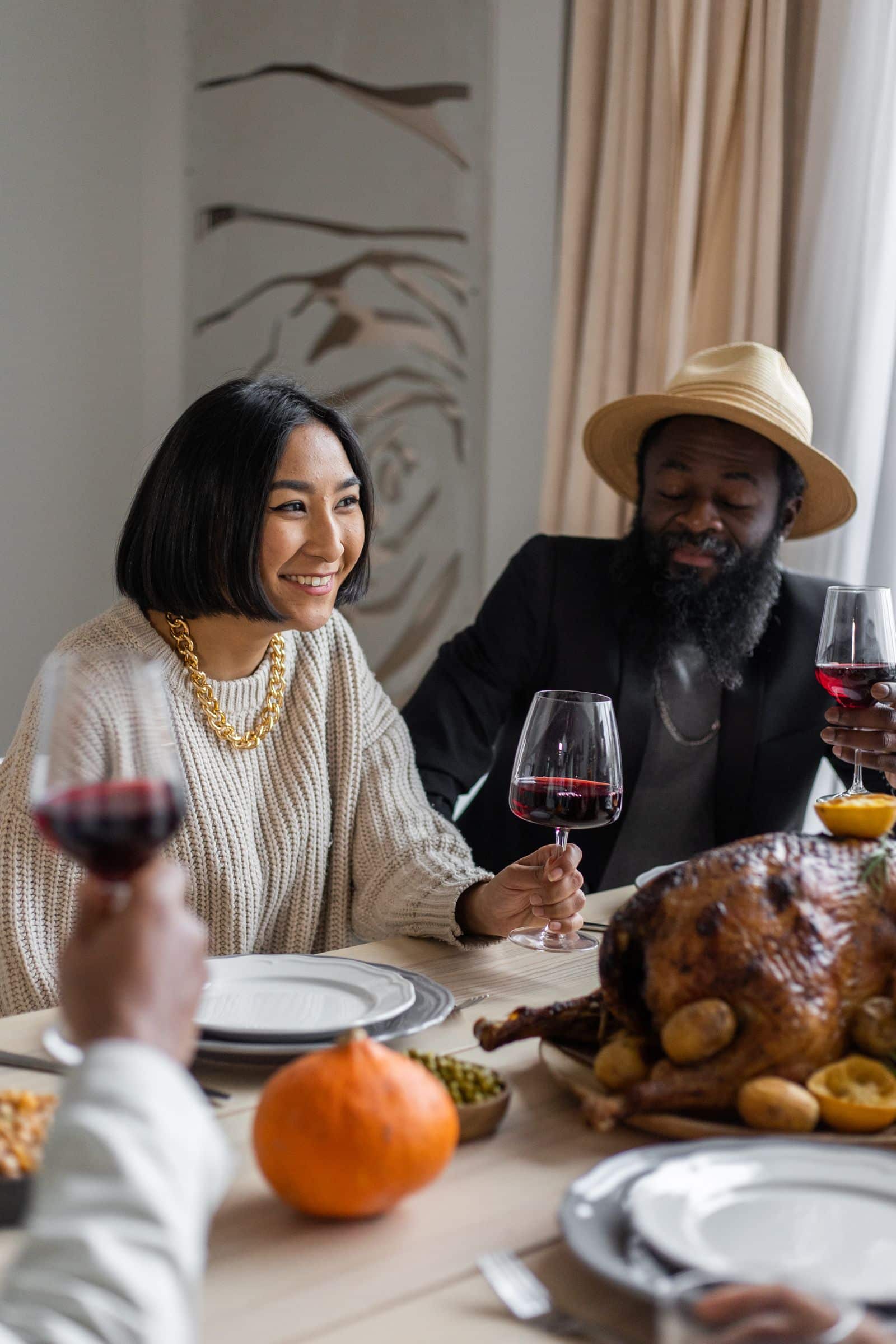
1. Pushing Food, Drinks or Activities
Insisting that a guest try one more helping or join the game tops the list. According to Parade, even well-meant pressure can feel intrusive. Dr. Nona Kocher of Miami said respecting guests’ comfort levels makes a space feel more welcoming, noting that guests remember how good it feels to have their preferences honored. Offering once, warmly, and then letting it go is usually enough.
2. Ignoring a Guest Who Seems Isolated
A host busy at the stove can easily miss the person standing at the edge of the room. Kocher suggested a brief, quiet word, which lets someone feel seen without putting them in the spotlight. The Emily Post Institute offers similar advice, recommending that hosts introduce guests with a simple conversation starter, especially people attending for the first time.
3. Expecting Everyone to Feel the Same Cheer
Not every guest experiences the holidays the same way. Matthew Solit, a licensed clinical social worker, told Parade that hosts can ask guests ahead of time what would help them relax, and he noted that the holiday belongs to everyone attending. A guest who would rather sit quietly than join the charades is still part of the party.
4. Letting Conflict Linger
Kocher said tension spreads quickly through a group, so a host who notices it early can gently redirect the conversation or the people involved. A new topic, a request to help carry dessert or an introduction to a cousin across the room can cool things down without a lecture.
5. Pointing Out Guests’ Mistakes
Jokes at someone’s expense can embarrass them in front of everyone. Kocher recommended helping awkward moments pass quickly so the mood stays light. A spilled glass calls for a fresh napkin, not a story retold at dessert.
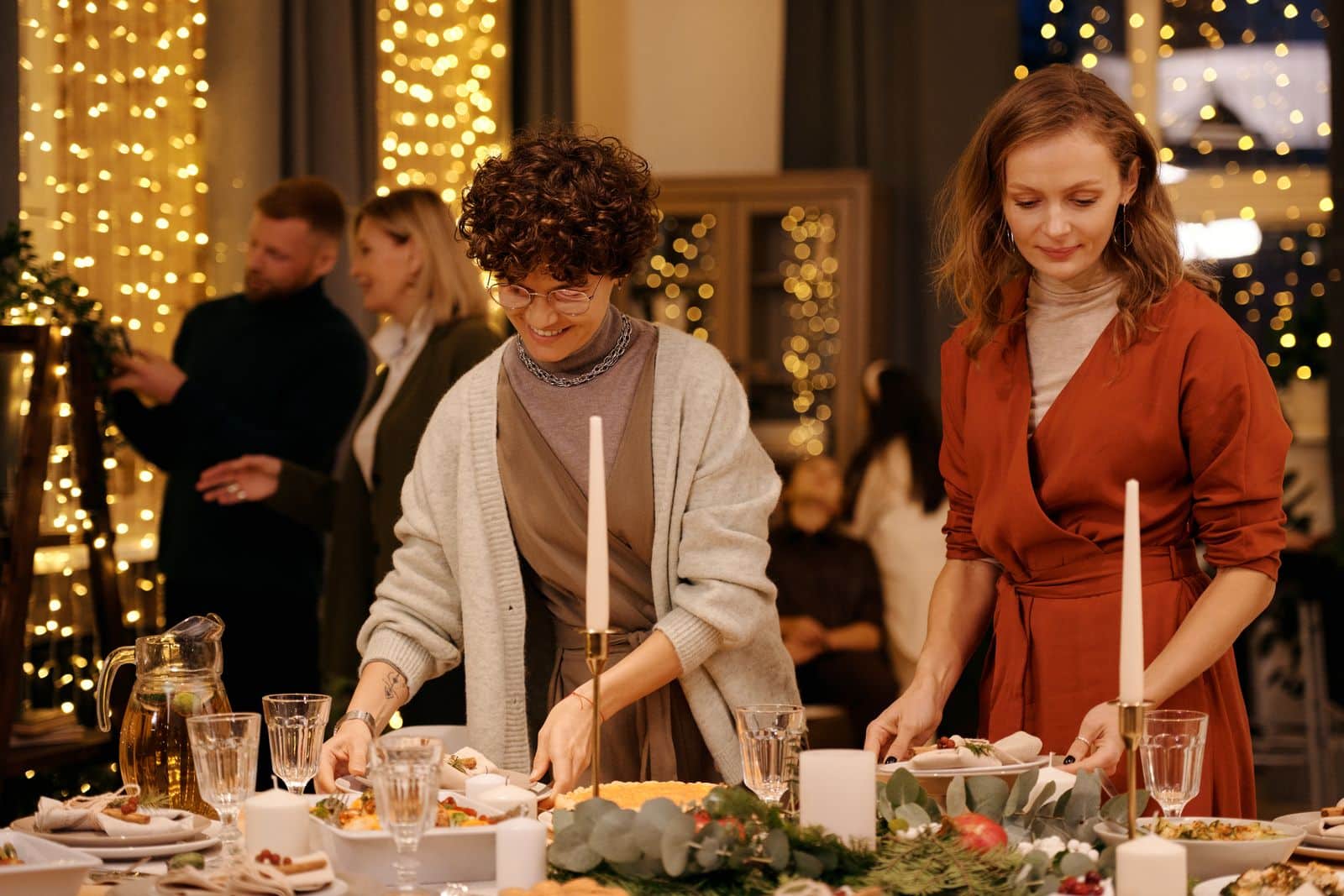
6. Dominating the Conversation
When a host steers every topic back to a favorite story, others can feel overlooked. Kocher said sharing conversational space helps guests feel included. Asking a quiet guest a question, then truly listening to the answer, is the whole idea in a single move.
7. Resenting Early Departures
Many guests have more than one gathering to attend over the holidays, and feeling obligated to stay can make them uncomfortable. Solit cited a survey in which 75% of respondents said at least some of their holiday gatherings felt more like obligations than events they wanted to attend. A gracious goodbye and a plate of leftovers send a guest off on a good note.
8. Expecting Everything to Go to Plan
Something almost always goes sideways at a holiday meal, and fixating on it can drain the evening. Solit said flexibility matters more than perfection, quoting the old adage that plans last only until the battle begins. A backup side dish and a sense of humor go a long way.
9. Overindulging in Alcohol
Solit noted that hosting is hard enough sober, and that drinking too much while running a gathering can quickly become a problem. The Emily Post Institute suggests inviting guests to help themselves to drinks, which keeps glasses full while the host stays clear-headed for the logistics.
What the Etiquette Guides Add
The Emily Post Institute’s holiday party advice lines up with Parade’s list. It recommends offering appetizers casually, greeting arrivals warmly and showing them where to put coats. When the evening is ending, it suggests tidying up, clearing food and drinks, dimming the lights and lowering the music, and, if guests still linger, saying plainly that the party is winding down. Treating the end of a party as a normal part of hosting is the opposite of resenting an early exit.
Taken together, the advice is simple: offer without pushing, notice without staring, share the floor, keep the peace gently and let the plan bend. A host who manages that has done the hard part, whether the table seats 4 or 14.
For the menu side, these holiday main dishes that aren’t turkey offer variety, and the gracious touches above echo the everyday manners many Baby Boomers wish hadn’t disappeared.
This article was written with the help of AI tools and checked against the sources linked above.




