

Every family seems to have one: the relative whose car pulls into the driveway while the turkey is still resting and the host is still in slippers. Showing up early to Thanksgiving can look like eagerness, nerves or simple habit, and the people who do it rarely think of it as a statement about who they are.
Therapists and personality researchers have spent some time on the question of why certain people build a cushion into every arrival. Their answers point to 7 traits that tend to travel with the habit, along with a useful caveat: the science linking personality and punctuality is far less settled than the internet sometimes suggests.
The early arrival is also a matter of manners, and plenty of the old guidance still holds. Collections such as 15 simple etiquette tips for being the perfect houseguest and 15 old-school etiquette rules that have disappeared show how much expectations around guests have shifted, while 14 strange Thanksgiving traditions that everyone pretends aren’t weird is a reminder that every household runs the holiday a little differently.
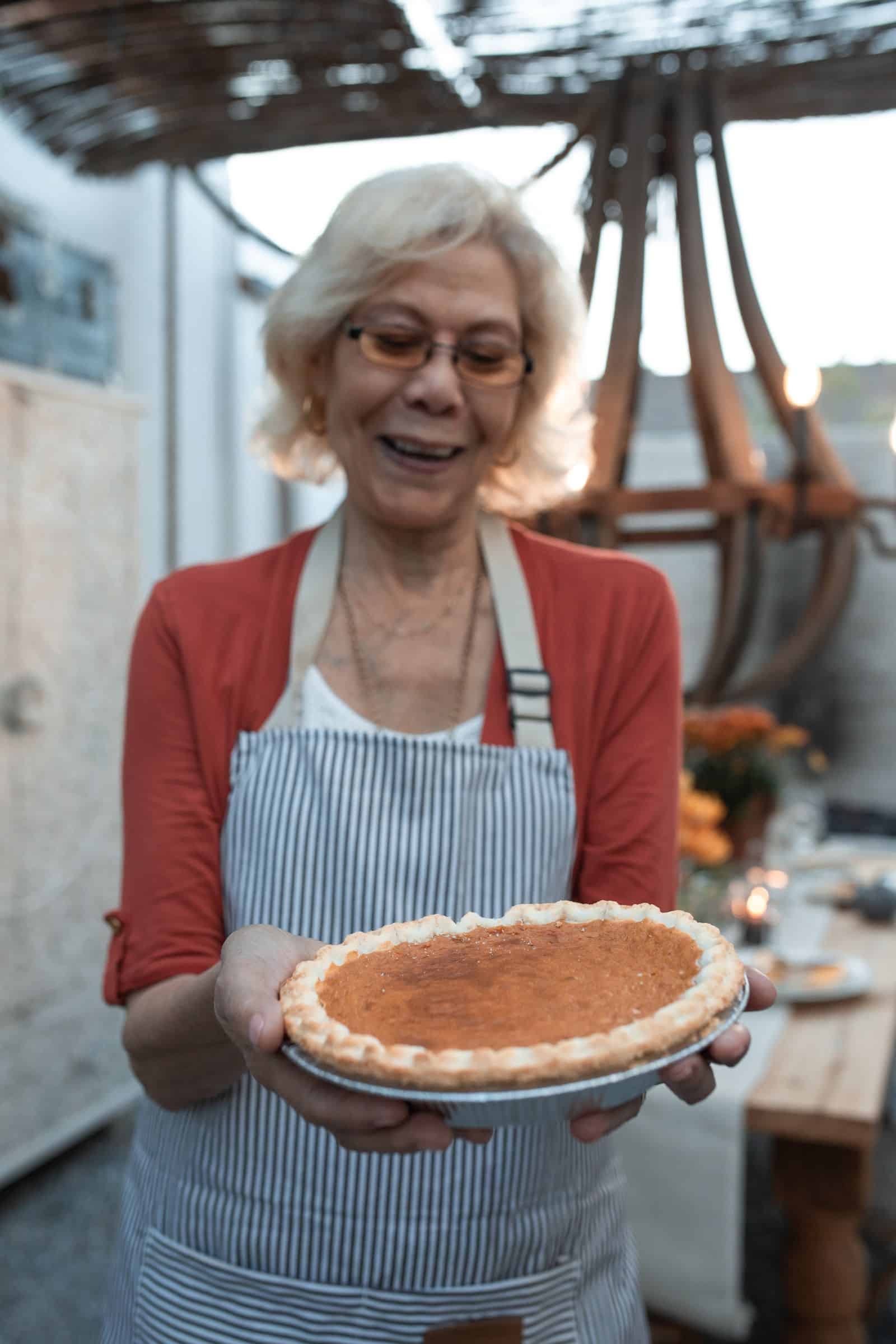
1. They Plan to Keep Stress Low
Early arrivers often treat extra time as a buffer against frustration. A piece from Upworthy on the distinct traits of people who are always early quotes psychologist Nicole Issa, who describes these people as conscientious planners who head off last-minute stress before it starts. On a holiday when roads are crowded and parking near a relative’s house can be tight, that cushion can make the difference between walking in calm and walking in rattled.
Los Angeles therapist Chloë Bean, also quoted in that piece, frames it in physical terms: getting somewhere ahead of time gives the nervous system a chance to settle before the socializing begins.
2. They Are Reliable
A guest who says three o’clock and arrives before three is easy to plan around. Bean points out in the same Upworthy article that people who arrive early tend to keep their commitments, which lets others count on them. For a host juggling oven timers and seating charts, a guest who is never the reason dinner waits is a quiet gift.
3. They Think in Steps
Clinical social worker Savannah Matlock describes early arrivers as methodical. They break a task into its parts, estimate how long each one takes and anticipate the snags. Applied to Thanksgiving, that means accounting for loading the car, picking up a cousin, traffic on the highway and the inevitable stop for ice, then leaving with time to spare.
4. They Like Having a Backup Plan
It might seem that people who show up early are rigid, but Issa argues the opposite. Because they imagine what could go wrong and prepare alternatives, they tend to stay flexible when plans change. A delayed side dish or a last-minute change in the dinner hour bothers them less, since they already expected something to shift.
5. They Respect Other People’s Time
An essay from Clever Dude republished on AOL, on what the habit of always being early may say about personality, describes early arrival as a form of consideration. The same piece links the habit to empathy and a sense of how one person’s choices affect a group. Issa makes a similar point, noting that early arrivers think about how lateness can wear on trust.
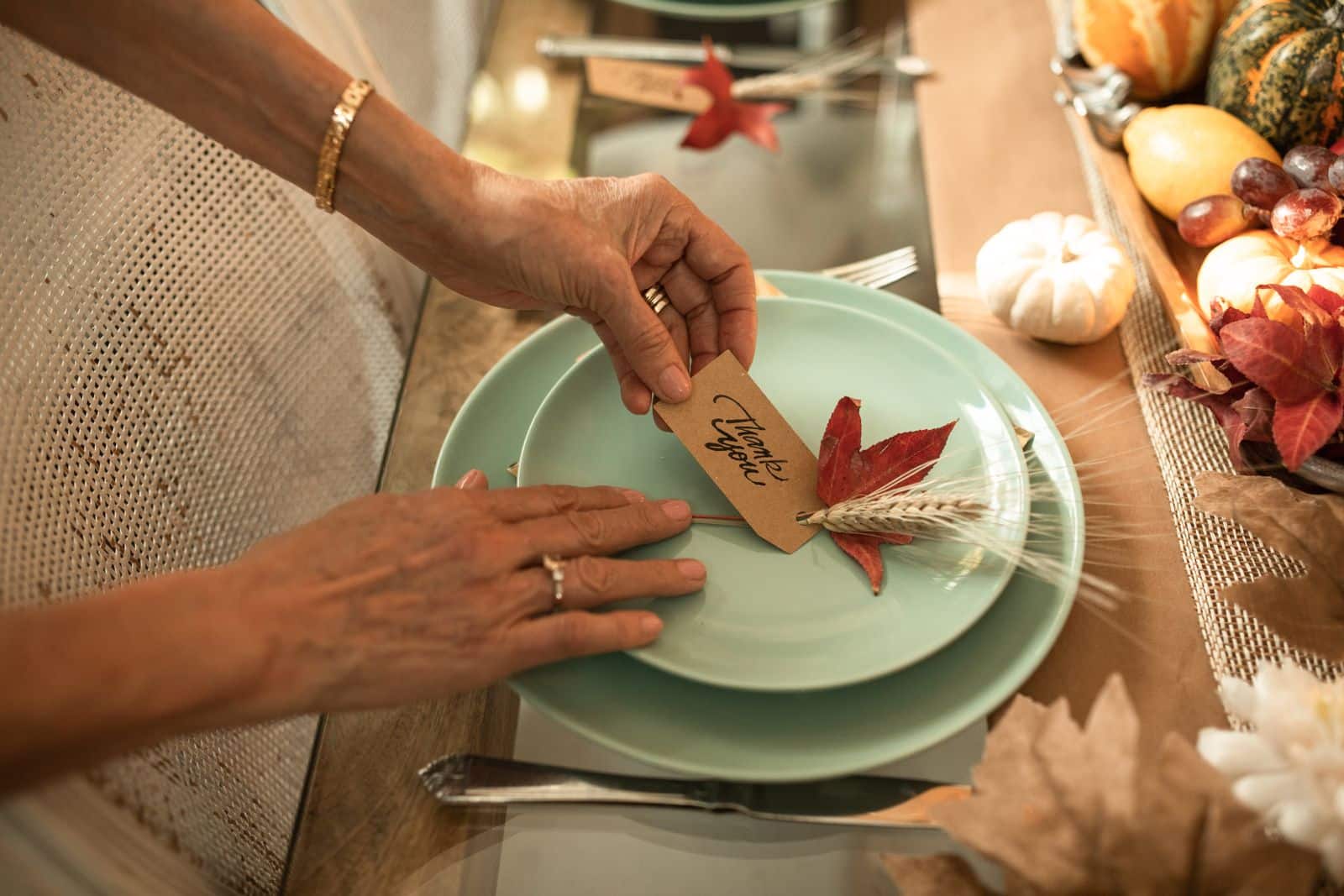
6. They Prefer Certainty and Choice
The AOL essay also connects early arrival to a desire for predictability, describing the extra minutes as a buffer that eases anxiety. Bean adds a practical angle: being first gives a person options. At a crowded Thanksgiving, that can mean the best parking spot, a seat near the people they most want to talk to, or a quiet moment with the host before the doorbell starts ringing.
7. They Run on Habit
For many people, punctuality is less a daily decision than a routine. The Clever Dude essay describes it as an ingrained loop that saves the effort of deciding over and over. There is some research that fits this picture. A preprint from researchers at the University of Lincoln and the University of York, which found that wristwatch wearers arrived earlier to appointments, also found those watch wearers scored higher on conscientiousness than people who did not wear one.
A Caveat From the Research
Personality is not destiny when it comes to the clock. Writing for Psychology Today, Beloit College professor emeritus Lawrence T. White reviewed several studies and concluded that personality traits are generally poor predictors of punctuality and lateness. One study of 181 train operators found no meaningful link between tardiness and any of the Big Five traits, and a survey of 301 students in 3 countries found only a weak connection in the American group. Life circumstances, such as caring for young children, can matter more.
Early Is Not Always On Time
Hosts do not always welcome the eager guest. AARP’s etiquette column on what a holiday guest should always do suggests arriving within the first 10 to 20 minutes of a formal dinner, and notes that pitching in with setup or drinks suits casual gatherings with close friends more than formal ones. Etiquette expert Myka Meier, quoted by Food Network in its roundup of holiday party advice for hosts and guests, recommends showing up a few minutes after the stated time so the host can finish getting ready.
The kindest version of the early-arrival habit, then, is often to arrive early to the neighborhood and walk in at the agreed time. Guests who do want to help can ask ahead of time. Anyone who has read a list like Top 8 Tips for Hosting a Party knows hosts have plenty to juggle, and a heads-up call can turn an early knock into welcome help.
The Bottom Line
People who arrive early to Thanksgiving often show a cluster of traits: careful planning, reliability, step-by-step thinking, flexibility, consideration, a taste for certainty and strong habits. None of that is guaranteed by the clock alone, and the research urges caution about reading too much into a single behavior. For anyone trying to keep the day calm, a list like 14 ways to ease the season’s stress can help hosts and guests meet in the middle.
This article was written with the help of AI tools and checked against the sources linked above.




