

Owning a house has long been treated as the ultimate permission slip. The lawn, the trees, the driveway and the backyard fire pit all belong to the owner, so the thinking goes, and what happens there is nobody else’s business. In practice, that idea has been shrinking for years, and a fresh wave of city, county and state rules is turning some very ordinary weekend chores into things that can bring a ticket.
Most of these changes are local, which means a habit that is perfectly legal in one town can draw a fine a few miles away. The 10 rules below come from real ordinances and state laws, and together they show how far the rulebook now reaches into the yard, the trash can and even the spare bedroom.
Many of the new limits push homeowners toward lower-maintenance yards. Some are swapping thirsty grass for ground covers, using ideas like those in this guide on how to plant a clover lawn, while others are rethinking whole landscapes with xeriscaping ideas that save money at home. Even pest control is changing, which is why lists of the worst garden pests and how to get rid of them now matter more to people who can no longer grab the strongest spray on the shelf.
1. Run a Gas Leaf Blower Whenever the Mood Strikes
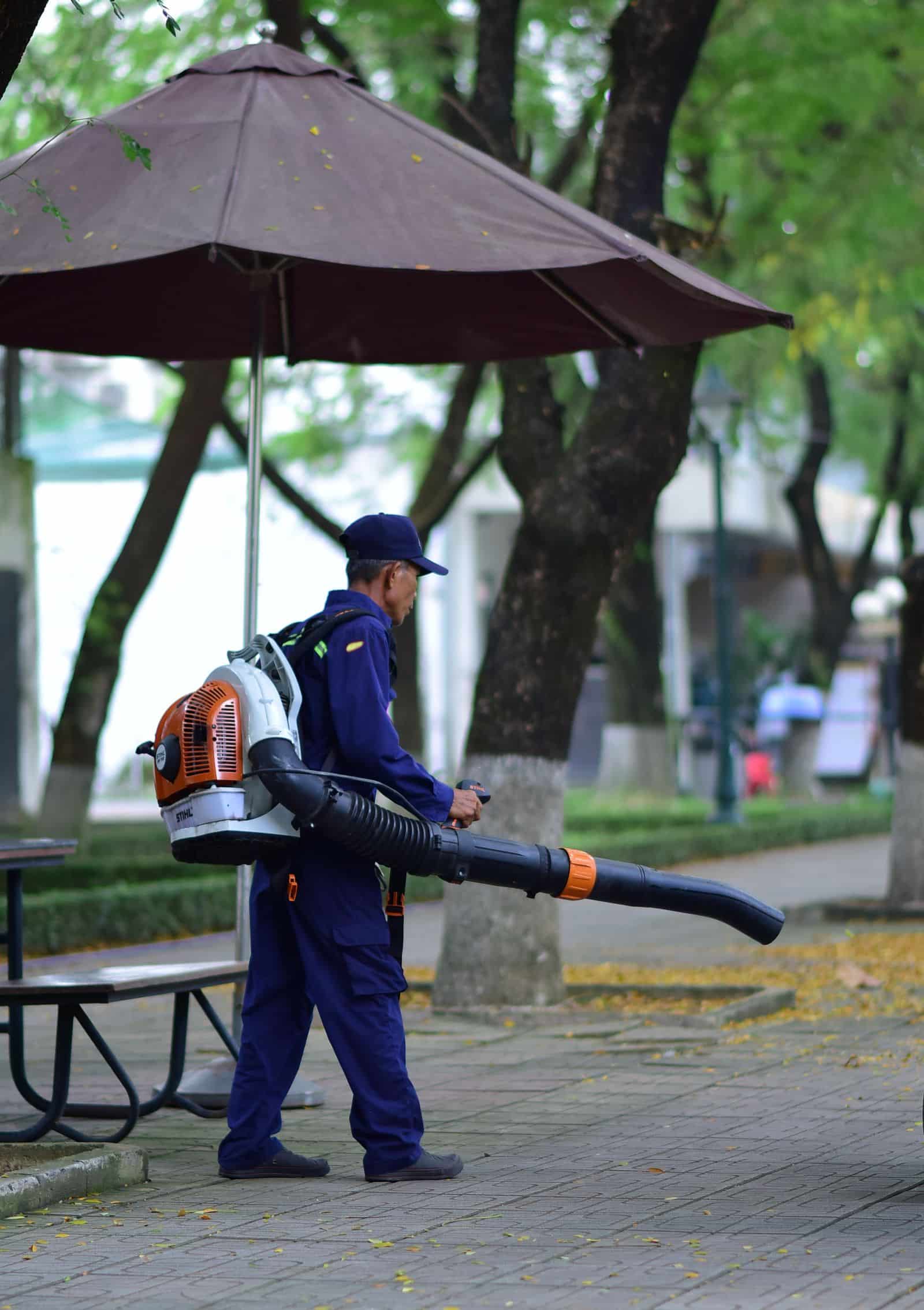
The gas leaf blower is one of the most common targets. In Ann Arbor, Michigan, the city’s gas leaf blower phase-out bans the machines from June 1 to September 30, a summer restriction that began in 2024. Starting January 1, 2028, gas-powered blowers will be off limits all year. Fines start at $100 for a first offense and rise to at least $250 for repeat violations. The city also forbids blowing leaves, clippings or other yard waste onto a neighbor’s property, the street, the sidewalk or a storm drain at any time, no matter what kind of blower is used.
2. Buy a Brand-New Gas Mower in California
California went after the equipment itself. As FindLaw explains in its look at the state’s small-engine law, sales of new gas-powered leaf blowers, lawn mowers and similar landscaping machines with small off-road engines were banned beginning in 2024. Owners are not required to throw out what they already have, so an existing mower can keep running until it wears out. The state also set aside $30 million to help professional gardeners and landscapers move to electric equipment.
3. Burn a Pile of Leaves in the Backyard
The autumn leaf fire is fading from many neighborhoods. Peachtree City, Georgia, banned burning yard debris year-round inside city limits starting May 15, 2025, going beyond a Georgia rule that already blocks outdoor debris burning from May 1 through September 30. The mayor pointed to public health worries, especially for children with allergies and breathing problems. Code enforcement officers and fire inspectors can write tickets, though recreational and cooking fires are still allowed if they meet the city’s size and distance limits. Residents are directed to a free compost facility or curbside pickup instead.
4. Toss Food Scraps in the Kitchen Trash in Vermont
Vermont’s Universal Recycling law reaches straight into the kitchen. According to the state’s Department of Environmental Conservation, food scraps were phased out of the trash in stages, with large producers such as supermarkets and restaurants going first and households expected to have a way to manage their scraps by 2020. Haulers and transfer facilities had to start offering food scrap collection by 2017. The law ranks the options in order, from cutting waste in the first place to feeding people, feeding animals and, finally, composting.
5. Spray Synthetic Weed Killer on the Front Lawn
In Montgomery County, Maryland, the classic weed-and-feed routine is out. The City of Rockville, which applies the county law, notes that its synthetic pesticide ban took effect January 1, 2022, and bars most synthetic pesticides on private lawns, playgrounds and similar areas. Organic and minimum-risk products are still allowed. There are exceptions for stinging insects, invasive species, pests attacking trees and shrubs, and real outbreaks. The products themselves are not banned from store shelves, and they can still be used in places like garden beds.
6. Plant a Watered Lawn at a New Home Near Las Vegas
The desert Southwest has some of the strictest yard rules in the country. The Southern Nevada Water Authority says irrigated grass has been prohibited in the front and back yards of new residential developments, custom homes included, since December 2021. New residential pools face a 600-square-foot surface area limit, and fountains at single-family homes must stay under 10 square feet. Owners of older homes can still keep their existing grass, but the agency pays cash incentives to those who swap it for desert plants on drip irrigation.
7. Rent Out the Whole House for a Weekend in New York City
Turning a home into a short-term rental is far harder than it used to be in New York City. The city’s Office of Special Enforcement says under Local Law 18 that hosts may not rent an entire apartment or home for fewer than 30 days, whether they own it or rent it. A legal short-term stay now requires a registered host who lives in the unit with the guests, and no more than 2 guests are allowed, not counting children under 4. Guests also cannot be put up in attics, cellars or garages unless the Department of Buildings has approved it.
8. Pick Up a Bradford Pear for the Yard in South Carolina
The fast-growing Bradford pear was once a fixture of new subdivisions. Clemson University’s Home and Garden Information Center notes that South Carolina made the sale of all Callery pear cultivars, including Bradford, illegal starting October 1, 2024, along with 3 invasive Elaeagnus species. The rule covers sales only. Trees already growing in a yard are not affected, and nobody is required to cut theirs down.
9. Cut Down a Big Tree in Atlanta Without a Hefty Bill
Removing a tree in Atlanta keeps getting more expensive. The Atlanta Journal-Constitution reported that the city’s revised tree ordinance, which took effect January 1, 2026, raised the removal fee to $140 per inch of trunk diameter, with yearly inflation adjustments starting in 2027. Taking down a single tree illegally can bring a $500 fine for a first offense and $1,000 for each one after that, plus a payment to replace the tree. Many of the fee caps in the law are aimed at developers and new lots rather than existing homes.
10. Leave the Dog Tied Up Outside on a Freezing Day
Pet rules reach the backyard as well. Pennsylvania’s tethering law, part of the package known as Libre’s Law and in effect since August 2017, says an unattended dog should not be tethered outside for more than 30 minutes when the temperature is below 32 degrees or above 90 degrees. The tether must be at least 3 times the dog’s length or 10 feet, whichever is longer.
Why the Rulebook Keeps Growing
Almost every rule on this list comes from a local worry about noise, smoke, water, waste or neighbors, rather than a single national push. That is why the details vary so much from one place to the next, and why a quick look at the city or county code before a big yard project can save a homeowner a fine. Housing trends are shifting too, from the 12 home features millennials are ditching to the 8 home features market data suggests could disappear within 5 years.
For now, the safest assumption is that owning the land no longer means owning every decision about it. Leaf blowers, burn piles, lawn sprays, guest rooms and even the family dog’s time outside can all fall under somebody’s rulebook, and more towns are writing new pages every year.
This article was written with the help of AI tools and checked against the sources linked above.




