

Every party seems to have one. While the music plays and conversations drift from room to room, a single guest ends up at the sink, rinsing glasses, scraping plates and wiping down counters before the host even notices the mess. Some hosts find it touching. Others feel a little awkward watching a guest scrub their roasting pan.
Personality research cannot read the mind of any single dishwasher-in-residence, and plenty of people pitch in simply because they were raised to. Still, the habit lines up neatly with several well-described traits and tendencies. Here are 7 that often show up in people who drift toward the kitchen cleanup while a party is still in full swing.
These are often the same people who know a few clever kitchen tricks for home cooks, keep their own appliances in good shape with routines like how to clean a dishwasher to reduce smells and dirt, and take simple etiquette tips for a perfect houseguest seriously.
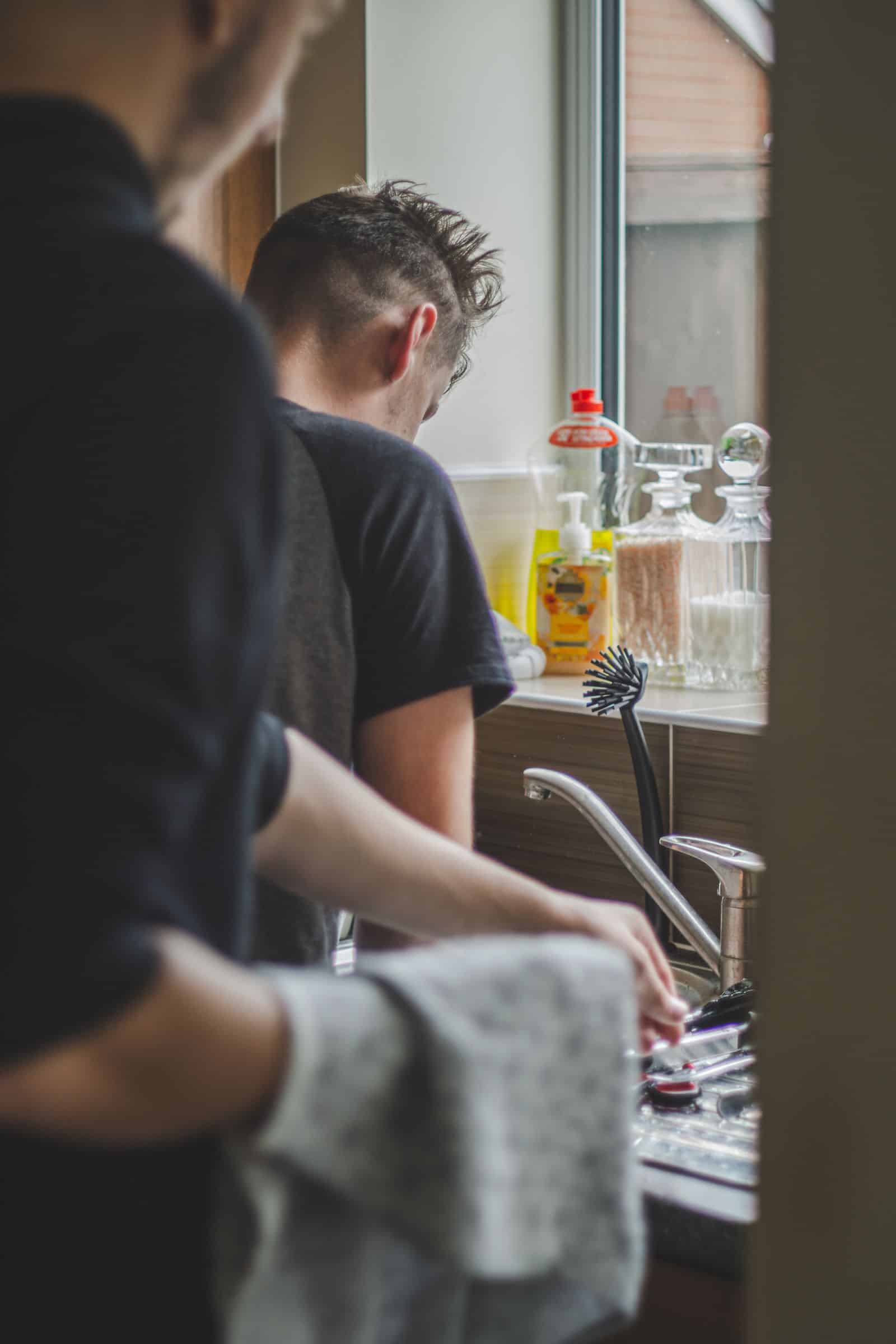
1. They Score High on Conscientiousness
Conscientiousness is one of the Big Five personality traits, and Psychology Today’s overview of conscientiousness describes it as a tendency to be responsible, organized, hard-working and goal-directed. People high in this trait plan ahead, keep to-do lists and like things in order. A counter full of dirty glasses is, for them, an unfinished task. Clearing it is less about duty and more about restoring a sense of order that helps them feel settled.
2. They Show Care Through Actions
Some people express gratitude with words. Others express it with a dish towel. Dr. Gary Chapman’s love languages framework includes “acts of service,” and Simply Psychology’s explanation of the acts of service love language lists washing the dishes and cleaning the house among the most common examples. The concept was built around romantic partners, but the same instinct often carries over to friends and family. For a guest who thinks this way, scrubbing a pot is a genuine gift to the host.
3. They Find Small Talk Draining
Not every kitchen helper is a neat freak. Some are introverts who need a breather from the crowd. An Introvert Spring list of relatable things introverts do at parties notes that introverts are often the ones who help clean up, framing it as a way to step back from socializing for a while. A sink full of dishes provides a polite reason to leave the conversation circle, a task to focus on, and usually one or two quieter conversations with whoever wanders in for a refill.
4. They Notice What Others Overlook
The person who spots the overflowing trash can, the empty ice bucket or the sticky spill by the punch bowl tends to scan a room differently. They pick up on small cues that something needs attention. That kind of awareness often makes them excellent hosts in their own right, and it is part of why many hosting guides, like these Top 8 Tips for Hosting a Party, put so much weight on preparing ahead so small problems never pile up.
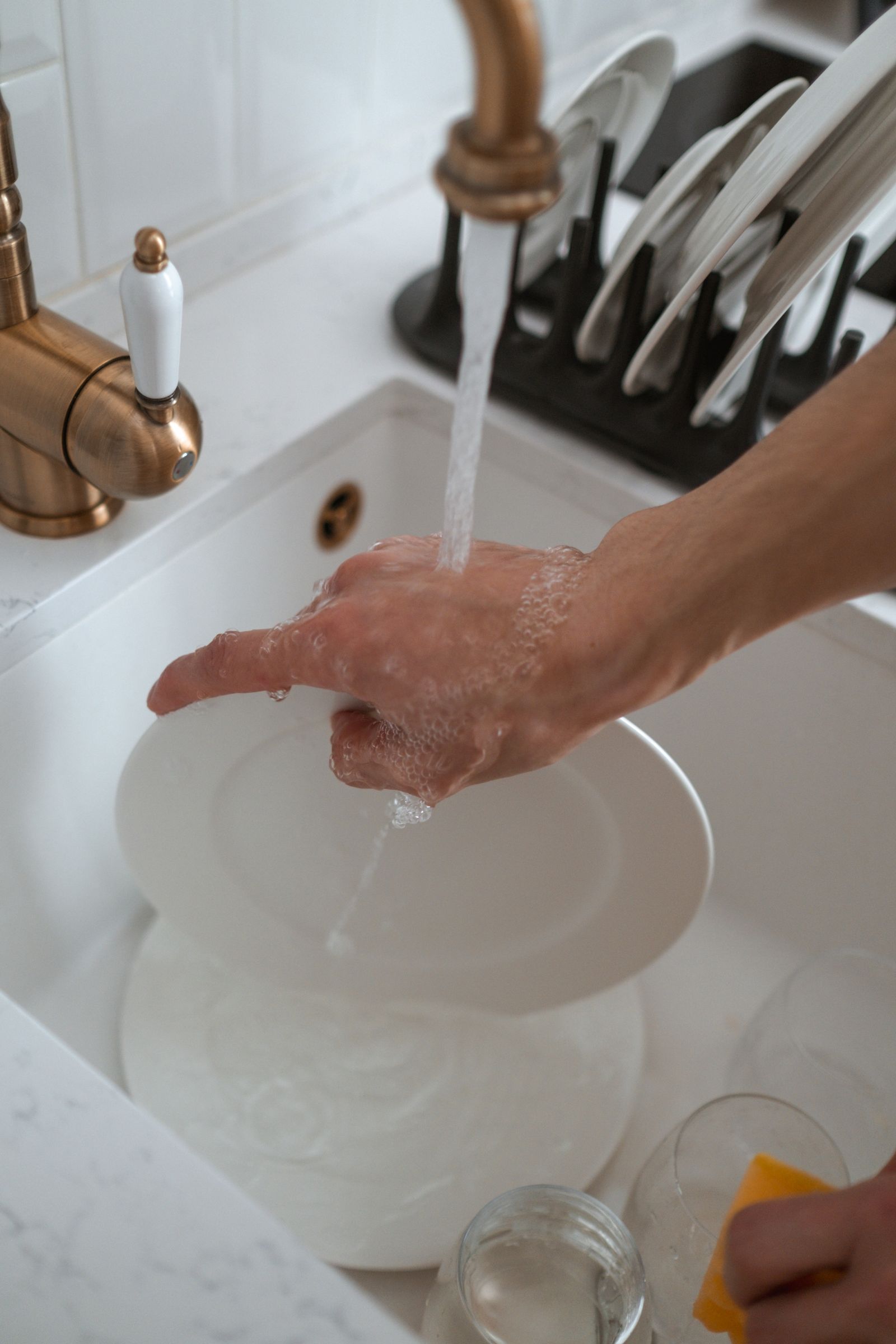
5. They Are Dependable
Psychology Today’s description of conscientious people includes keeping promises, arriving on time and taking obligations to others seriously. That reliability shows up at parties too. These are the guests who offer to bring a dish and actually bring it, who stay a little later to help stack chairs and who can be trusted with the good wine glasses. Hosts tend to remember them, and they are often the first people invited back.
6. They Care About Being Considerate
The urge to help is usually rooted in consideration. Etiquette podcast host Nick Leighton told Apartment Therapy that good manners come down to being mindful of other people’s time, space, property and feelings, and that offering help is generally polite. The flip side matters as well. Leighton advises accepting a host’s refusal gracefully, since some hosts have their own system, know where everything goes or simply enjoy cleaning up after guests leave. The most considerate helpers ask first and back off if the answer is no.
7. They Can Struggle to Fully Relax
There is a less flattering side to the habit. Psychology Today notes that very high conscientiousness can tip into perfectionism. Some guests at the sink are not avoiding fun so much as finding it hard to sit still while a mess exists. Writer Creshonda A. Smith argues in The Takeout that clearing plates is a kind gesture but that scrubbing pots and loading the dishwasher can cross into intrusion, and that guests who wash up miss the very conversation the host hoped they would enjoy. For the chronic helper, sometimes the kindest thing to do is put the sponge down and rejoin the party.
A Habit Worth Appreciating, Within Limits
People who clean the kitchen during a party are often organized, thoughtful, reliable and a little uneasy with clutter or crowds. Those traits make them good friends to have around. Hosts who would rather handle the dishes later can thank them warmly and hand them a drink instead, and helpers who sense a firm “no” can treat it as permission to relax. Many of these same personality patterns show up in other everyday habits too, like the ones described in People who change into comfy clothes right away usually share these 11 traits.
This article was written with the help of AI tools and checked against the sources linked above.




