

Ask people in their 70s and 80s what made life worthwhile, and the answers rarely involve bank balances. Grandparents and other elders who have lived through recessions, careers, marriages and losses tend to circle back to a short list of priorities, and money usually lands near the bottom of it.
Cornell University’s Legacy Project, which gathers practical advice from more than 1,500 older Americans, has spent years collecting those priorities in the elders’ own words. Here are 10 lessons that come up again and again, along with the people who shared them.
The same spirit runs through 10 pieces of advice to take from boomers and the 18 hardest truths to accept in life, according to baby boomers. It also explains why so many families treasure low-cost time together, as described in why family camping is the best way to bond and unplug.
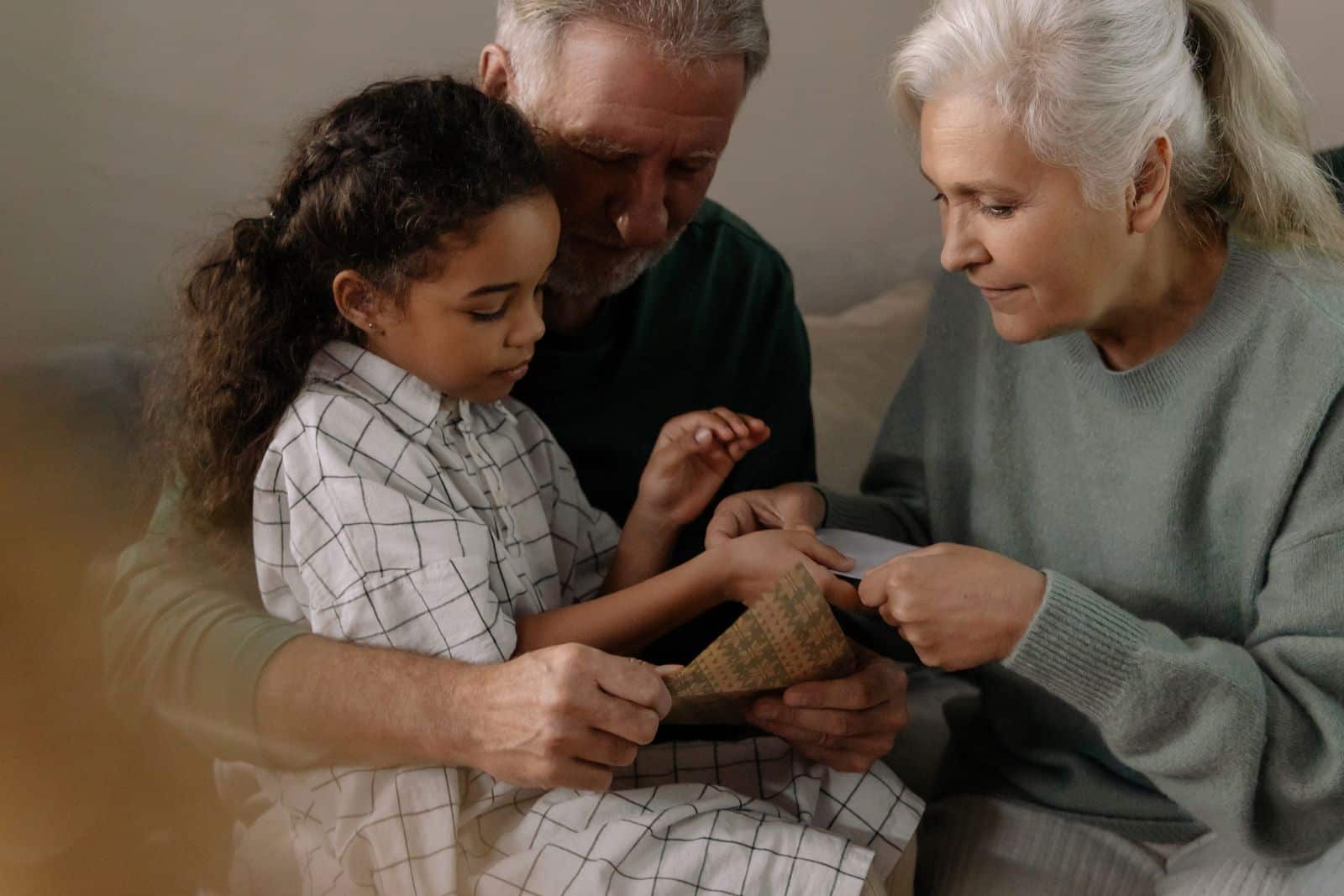
1. Time Is the Real Currency
Jeremy, 72, put it plainly in his list of lessons for living shared with the Legacy Project: “The most important resource is time.” His reasoning is practical. Money and possessions can be replaced, but time is what allows a person to fix mistakes, rest and try again. He encourages people to guard it carefully and to set some aside for themselves.
2. Possessions Should Not Run the Show
Ed, a 76-year-old retired engineer, watched his parents build their lives around their house and everything in it. After his father died, most of those belongings were simply thrown away, and Ed realized how much worry and effort the accumulation had cost. “Their house was their idol,” he said. His takeaway is to own things without letting them take control.
3. Pick Work That Brings Satisfaction
Micah, 77, remembers a time when success was judged mainly by income. He saw it differently after watching a neighborhood shoemaker and his family find deep satisfaction in their craft without any corporate success. His advice is to choose work that feels meaningful and trust that a living will come with it. As he summed it up: “Money follows.”
4. Close Relationships Outlast Everything Else
The elders’ advice lines up with one of the longest-running studies of adult life. The Harvard Study of Adult Development began in 1938 with 268 Harvard sophomores and later expanded to include inner-city Boston residents and the original participants’ children. The Harvard Gazette’s report on nearly 80 years of the study found that close relationships, not money or fame, were what kept people happy throughout their lives.
5. Ask About Family History While There Is Still Time
Clare, 83, who has spent more than six decades serving the poor, was asked what older people tend to regret. Near the top of her list was failing to ask relatives about the family’s past and not listening closely to their stories. Once the storytellers are gone, those details often disappear with them.
6. Forgive and Repair Before It Is Too Late
Clare also pointed to unfinished business with other people as a lasting source of regret, especially withheld forgiveness and relationships that were never mended. Missed chances to have honest conversations, including telling someone how much they matter, weighed on many of the elders she knew. No amount of money can buy back a reconciliation that never happened.

7. A Legacy Lives On Through Family
Jeremy’s final lesson turns the usual measure of success on its head. Wealth and personal achievements, he argues, count for less than what children and grandchildren go on to accomplish. The most lasting contribution a grandparent can make is setting a standard of conduct that the next generations carry forward.
8. Some Adventures Cannot Wait
In the Legacy Project’s collection of pearls of wisdom about life’s most important lessons, one respondent warned against postponing experiences that belong to a certain stage of life. Hiking the Grand Canyon, for example, is far easier for someone young and able-bodied than for someone decades older. Another respondent stressed slowing down to appreciate the present moment, which brought a sense of calm with age.
9. Let the Small Stuff Go
Long marriages taught many elders to choose their battles. In the Legacy Project’s tips from elders on fighting fair in marriage, April, 72, explained that she and her husband would figure out which of them cared more about a disagreement. “It’s important to let some things go,” she said. Mike, 72, offered a similar view in his 10 tips for a happy life, noting that nearly everything worth worrying over turns out to be minor.
10. Treasure Every Day, and Stay Cheerful
Maurice, 77, shared a simple message for his grandchildren in a Legacy Project post about growing up as the work of a lifetime. He hopes they will “treasure every day of their existence and to do their best at every task they face.” Mike added a lighter note of his own: “Be cheerful. Nobody likes a sourpuss.”
What the Elders Agree On
Several of the Legacy Project’s oldest voices lived through the Great Depression and found that a modest income could still support a happy life when family and community were strong. That theme echoes through many of the 12 things boomers got right all along.
It also helps explain why many seniors choose to keep working past 65, and why it is not about money. For grandparents, the richest part of life tends to be measured in time, people and purpose rather than dollars.
This article was written with the help of AI tools and checked against the sources linked above.




