

Olive Garden has built its reputation on the idea of generous, easygoing hospitality. Endless salad, warm breadsticks and big family-style portions make it one of the most popular places in the country for birthday dinners, post-game meals and holiday get-togethers with relatives.
That relaxed atmosphere can also make it easy to forget that someone is working hard on the other side of every table. Plenty of diners already know the 22 red flags that scream ‘run’ when dining at a restaurant, but fewer stop to think about their own habits. Etiquette guides, tipping data and the chain’s own history point to a handful of common behaviors worth leaving behind, many of which overlap with the 20 unforgivable blunders when dining out and the 15 old-school etiquette rules that have disappeared. Here are 7 things Olive Garden guests should stop doing at the table.
1. Tipping Below the Standard Rate
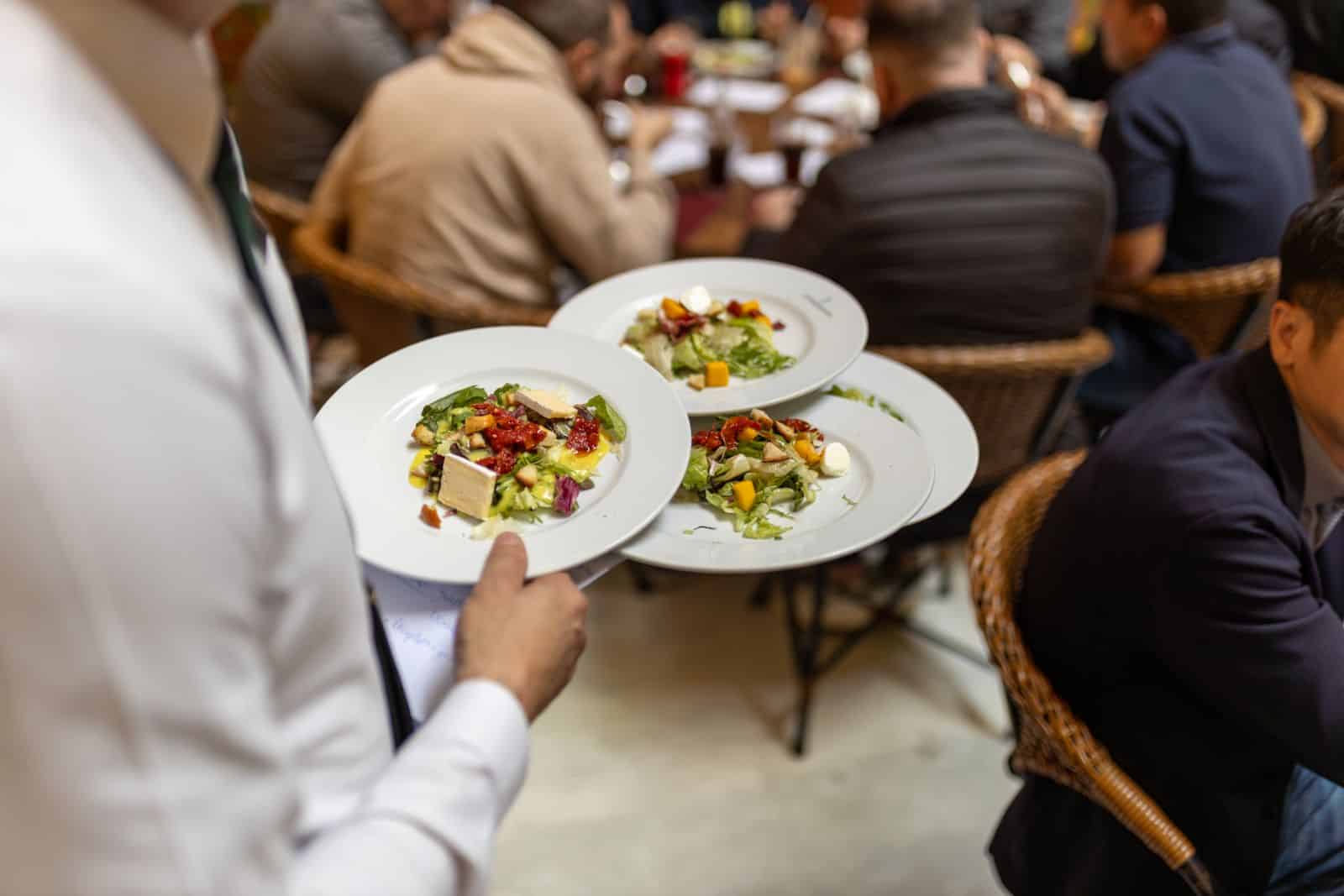
The etiquette standard for sit-down service is clear. The Emily Post Institute’s general tipping guide recommends 15% to 20% for wait service at a restaurant, calculated before tax. Real-world habits often fall short of that. A 2023 Pew Research Center survey on tipping of nearly 12,000 adults found that 57% would leave 15% or less for an average sit-down meal, and only about a quarter would leave 20% or more.
At a casual chain where checks are often modest, a few dollars can feel like a small detail to the guest. For the server, it adds up over a long shift.
2. Assuming the Server Earns a Full Hourly Wage
Many diners do not realize how little of a server’s pay comes from the restaurant itself. Under federal law, the U.S. Department of Labor’s tipped wage page lists a minimum cash wage of just $2.13 an hour for tipped employees, with tips expected to make up the difference to the $7.25 federal minimum. Many states set higher minimums, but the basic model is the same.
Olive Garden itself has been part of that story. According to the chain’s Wikipedia entry, a 2011 tip-out program brought employees’ hourly wages down to $2.13 an hour. Remembering that tips are the bulk of the paycheck changes how a small or skipped tip lands.
3. Treating a Big Tip as a License to Be Rude
Generous tipping does not cancel out bad manners. Emily Post’s guide to the finer points of tipping puts it plainly: “Leaving a generous tip doesn’t make up for ordering someone around or treating them dismissively.”
That means snapping fingers, waving down a server who is clearly busy with another table, or barking orders without a please or a word of thanks. The money matters, but so does basic courtesy.
4. Asking for Breadsticks Nobody Will Eat
Unlimited breadsticks are central to the Olive Garden experience, and the chain has defended them as a way to convey Italian hospitality. They have also drawn criticism. In 2014, an investor group, Starboard Value, argued that many of the breadsticks went to waste because they went stale on the table.
Ordering another basket when nobody at the table is still eating adds work for the server and waste for the kitchen. Asking for more when they will actually be eaten keeps the tradition generous without turning it into a pile of leftovers.
5. Making a Scene Over a Small Problem
Things go wrong at every restaurant: a smudged glass, a dropped fork, a stray hair in the pasta. Emily Post’s top questions for dining out recommends quietly asking the server for a replacement rather than rubbing a dirty utensil with a napkin or announcing the problem to the whole table. For a hair or bug in food, the guide says to quietly alert the server, who will usually replace the dish quickly.
A calm, private word gets the problem fixed faster and keeps the meal pleasant for everyone, including the server who has to fix it.
6. Pushing Plates Away to Signal Being Done
When the meal is over, some diners shove their plates toward the middle of the table or stack them at the edge. The same Emily Post guidance calls pushing a plate away impolite. Instead, it suggests placing the utensils at the 4 o’clock position on the plate and leaving the plate where it is.
That small cue tells the server the plate is ready to be cleared. If a server reaches for a plate too early, the guide’s advice is just as simple: politely say so, even if the server is already turning toward the kitchen. It is one of several quiet habits that separate a smooth meal from the kinds of behavior described in 11 things people still do in public that annoy others.
7. Leaving Without a Word of Thanks
Good service often goes unremarked. Emily Post’s tipping guidance suggests praising good service out loud or commending a server to a supervisor. It also notes that tipping on the pre-tax amount is acceptable, though for large parties that figure can be quite different from the total.
Taking a moment to thank the server by name, or mentioning a great experience to a manager on the way out, costs nothing. Generational habits around dining out keep changing, as lists like 11 restaurant habits of boomers that Gen Z finds cringeworthy show, but sincere thanks never go out of style.
The Bottom Line
Olive Garden’s Never Ending Pasta Bowl promotion, which began in 2013 at $9.99, served more than 13 million bowls in its first run, a reminder of just how many people pass through the chain’s dining rooms. Every one of those meals is carried out by a server working largely for tips. Tipping at the standard rate, skipping the rudeness, ordering only what will be eaten, handling problems quietly and saying thanks are small changes that make a real difference on the other side of the table.
This article was written with the help of AI tools and checked against the sources linked above.




