

Once the gifts are opened and the needles start dropping, a real Christmas tree turns from a centerpiece into a disposal problem. Most cities are happy to haul it away, and many turn the trunks and branches into mulch or compost. The catch is that the free pickup comes with a list of conditions, and a tree that breaks them can be left sitting at the curb, rerouted to the landfill or, in a few places, become the kind of yard-waste violation that can bring a fine.
The rules are not identical from one city to the next, but the same 8 problems show up again and again in public works guidance from New York to California. Some are about protecting chipping equipment, some are about keeping streets and hydrants clear, and a couple are about fire safety. Knowing them ahead of time saves a second trip to the curb in January.
Plenty of households keep the season going with heirloom ornaments, and a guide to sourcing and decorating with vintage Christmas decorations is a reminder of how much of that trim is worth saving before the tree goes out. Other hosts plan the holidays around Christmas party games to sleigh the night, and others spend the rest of the year trying out DIY home decor ideas to make a house feel personal. When the party is over, though, the tree has to leave the house the right way.
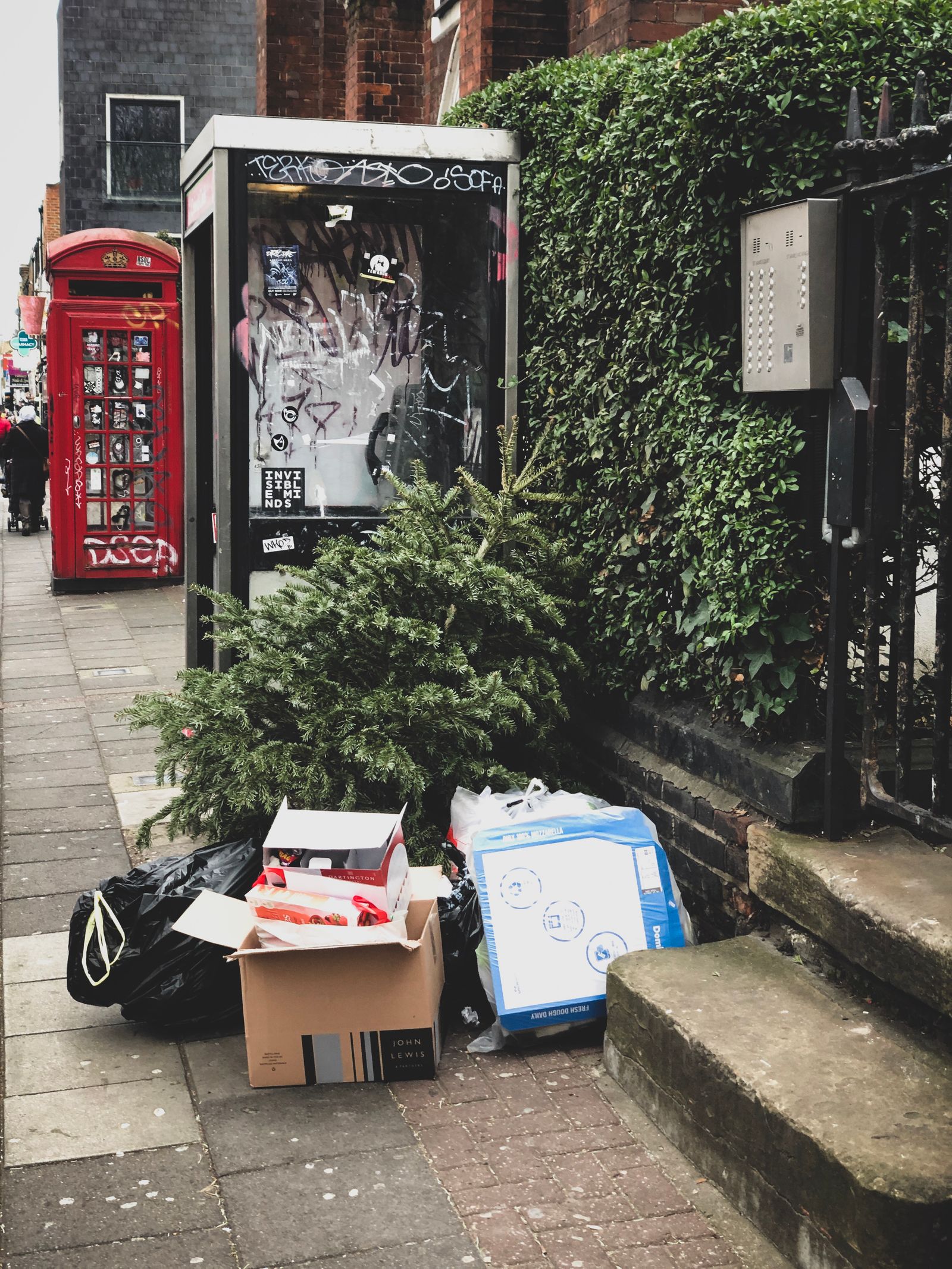
1. Leaving Tinsel, Lights or Ornaments on the Branches
The most common rule is also the simplest: the tree has to be bare. The City of Madison, Wisconsin, tells residents to strip off lights, tinsel, ornaments and toppers before setting a tree out, and it sends wreaths, garlands and evergreen rope to the trash instead of the tree pickup because the wire inside them can damage chipping equipment. Melbourne, Florida, has the same requirement for tinsel and other trim. A single forgotten strand of lights can jam a chipper, which is why crews often skip a decorated tree entirely.
2. Wrapping the Tree in a Plastic Bag
Tree disposal bags are sold everywhere in December, and they are handy for getting a shedding tree through the living room. At the curb, they are a problem. The New York City Department of Sanitation says plainly that trees and wreaths should not go out in plastic bags and must be set out “naked,” without decorations, ornaments or stands, next to other compostable material on recycling and compost day. Madison and Fort Worth give the same instruction, since plastic cannot go into mulch or compost. The smart move is to pull the bag off once the tree is outside.
3. Forgetting to Remove the Stand
Metal and plastic stands are another item that cannot go through a chipper, and they are easy to forget when a tree is dragged out in a hurry. New York, Madison and Fort Worth all list the stand alongside ornaments as something that must come off first. Fort Worth adds that at its drop-off stations, trees that still carry decorations are sent to the trash while undecorated trees are recycled, so leftover hardware can decide whether a tree becomes mulch or landfill.
4. Putting Out a Tree That Is Too Tall or Too Heavy
Size limits catch many owners of big living-room trees. The City of Fort Worth says trees must be less than 8 feet long and should be cut into two pieces if necessary, and it does not accept artificial trees as yard waste at all. Melbourne caps tree sections at 8 feet and 50 pounds. Piedmont, California, asks for trees over 6 feet tall to be cut in half. A handsaw and a few minutes in the driveway usually solve the problem before collection day.
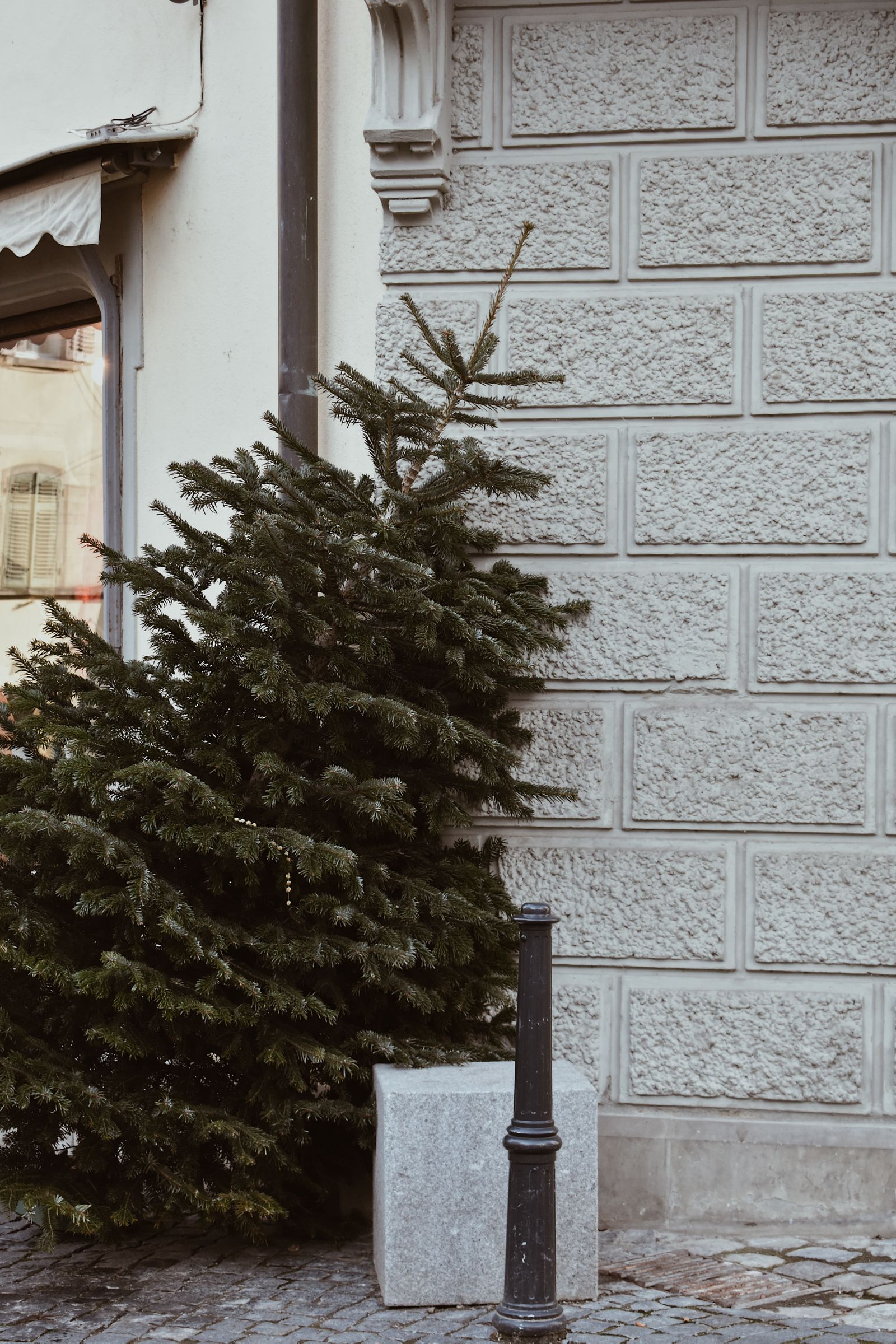
5. Blocking a Hydrant, Bike Lane or Gutter
Where the tree goes matters as much as how it looks. Madison asks for trees to sit on the terrace or right-of-way at least 4 feet from utility poles, fire hydrants and other obstructions. Melbourne wants items kept 15 feet from any hydrant and out of streets, sidewalks, gutters and storm drains. West Allis, Wisconsin, simply tells residents not to put trees in the street. In Davis, California, which accepts Christmas trees in curbside yard piles, the city says those piles cannot block gutters, bike lanes, hydrants, driveways or sidewalks, and that violating the yard refuse code can result in fines.
6. Dumping It in the Woods or a Park
Tossing a tree over the back fence or into a patch of woods can feel natural, since it is just wood and needles. Land managers see it differently. The Fairfax County Park Authority in Virginia has warned that dumping trash, even yard waste, onto other public or private property is illegal, noting that piles can spread invasive pests and smother seedlings that forests need to regrow. In Colorado Springs, a city forester has said that dumping tree waste in parks is illegal outside of official collection points.
7. Mixing a Flocked or Artificial Tree With Yard Waste
Not every tree counts as yard waste. Piedmont says that flocked, snow-covered trees and artificial trees are not compostable or recyclable, so they must be cut to fit in a garbage cart or picked up as a bulky item, with a listed curbside fee of $30.82 unless a household uses its annual bulky item cleanup. New York asks owners of artificial trees to remove the metal base and trunk and put those parts out with metal recycling. Fort Worth sends artificial trees to the brown garbage cart.
Holiday cleanup tends to pile up all at once, and a roundup of top cleaning mistakes to avoid around the home pairs well with planning how the tree and its trimmings will leave the house.
8. Burning It Indoors or Stashing It in the Garage
A dry tree burns fast, which is why fire officials push for prompt removal. The New Jersey Division of Fire Safety has passed along a U.S. Forest Service warning to never burn a Christmas tree in a fireplace or wood stove, because evergreen oils can add to creosote buildup and raise the risk of a chimney fire. The same agency says used trees should not be put in the garage. San Diego Fire-Rescue adds that dried-out trees should not be left in a house or garage or placed against the house, and Piedmont gives similar advice about leaning a tree against a home.
The Bottom Line on Tree Disposal
Across these cities, the pattern is consistent: a bare, unbagged, right-sized tree set out in the right spot gets collected and turned into something useful, while one that breaks the rules can be skipped or treated as illegal dumping. Since details such as size limits and set-out rules vary, checking the local public works or sanitation page before taking the tree down is the surest way to get it right the first time.
Getting ahead of small chores like this is one of the easiest ways to keep the season calm, much like the ideas in 14 ways to ease the season’s stress.
This article was written with the help of AI tools and checked against the sources linked above.




