

Cold weather has a way of turning ordinary routines into expensive ones. A quick shower with the bathroom fan left running, a crackling fire on a Friday night or a thermostat nudged a few degrees higher after a chilly commute all feel harmless. Added up over a long season, though, those small choices can make a furnace or heat pump work far harder than it needs to.
The timing matters this year. In its October 7, 2026 outlook, the U.S. Energy Information Administration’s forecast for winter energy spending projected that households heating with electricity will spend about 4% more on average than last winter, while homes using heating oil could see a 21% jump. Natural gas users are expected to spend roughly 9% less, but nobody wants to hand that savings straight back through wasted heat. Here are 8 common habits that quietly push the bill up, and what utilities and home pros suggest doing instead.
Homeowners planning bigger upgrades can browse these energy efficient home improvement tips that save money, while anyone trimming the rest of the household budget may like this list of easy tips to save money fast. For a warmer feel without touching the thermostat, these simple cozy crafts for a hygge winter add some comfort to long evenings indoors.
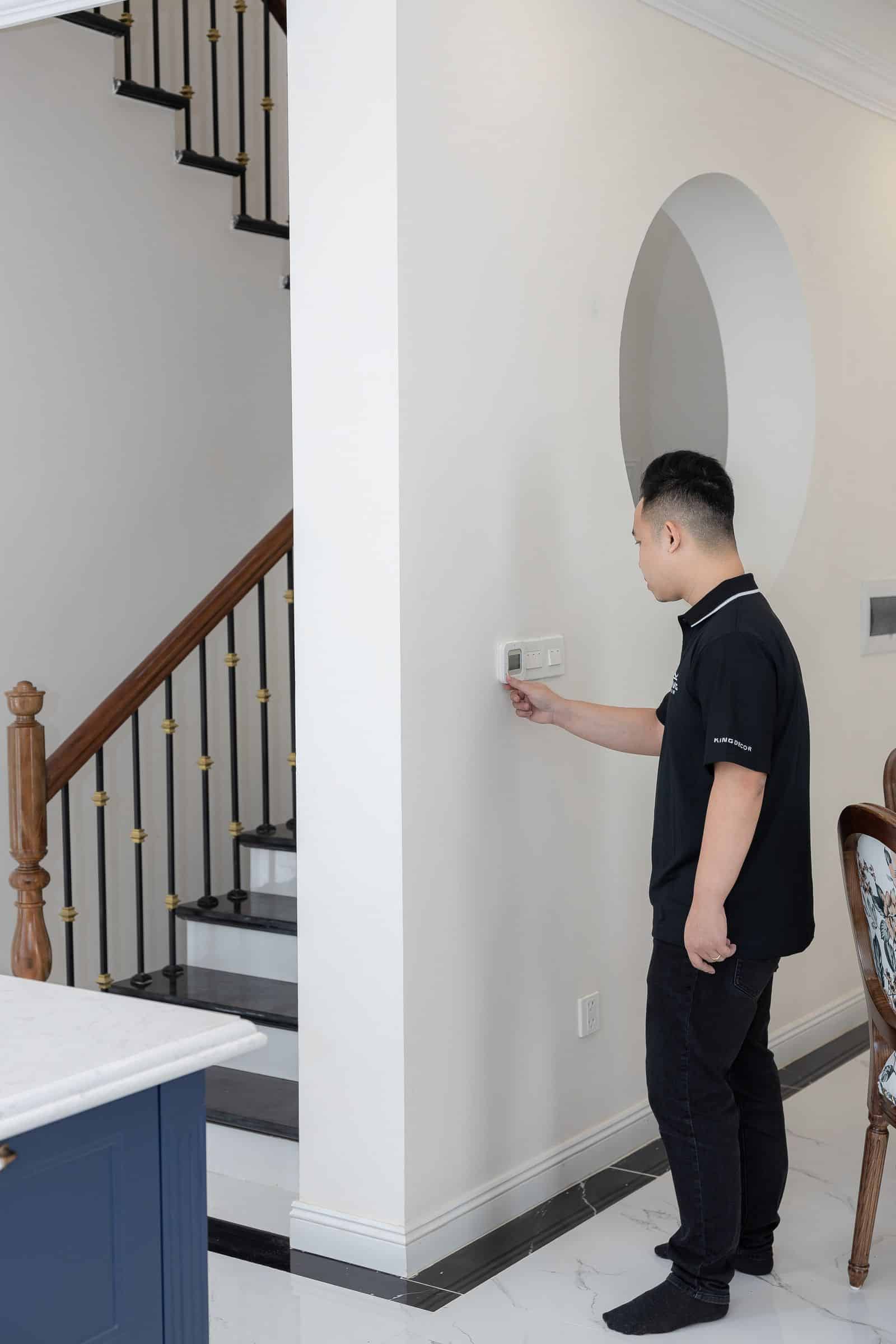
1. Cranking the Thermostat Way Up to Warm the House Faster
Walking into a cold house and setting the thermostat to 78 feels like it should speed things up. It does not. The utility CenterPoint Energy explains in its guide to costly home heating mistakes that a furnace puts out the same amount of heat no matter the setting; a higher number simply makes it run longer. The real cost comes when the household forgets to dial it back down and the system keeps heating well past a comfortable temperature for hours.
2. Holding One Temperature All Day and Night
Many households set the thermostat once in November and leave it alone until spring. CenterPoint points to Energy.gov guidance that lowering the setting by 7 to 10 degrees for 8 hours a day can trim heating costs by about 10% a year, and it suggests around 68 degrees while people are home and awake. A programmable or smart thermostat handles the switch automatically. There is a balance, though: Bob Vila’s rundown of home heating mistakes that spike utility bills warns that dropping the temperature too far while away can force the furnace to work extra hard to recover, which eats into the savings.
3. Closing Vents in Rooms Nobody Uses
Shutting the registers in a guest room or spare office seems like an easy way to send heat where it is needed. Forced-air systems do not work that way. Bob Vila notes that ductwork is sized to heat the whole house evenly, so closing vents throws off that balance and cuts efficiency. CenterPoint goes further, saying the habit can raise heating costs and shorten the life of the furnace by putting extra stress on it. Keeping every vent open and clear is the cheaper route.
4. Letting Furniture and Drapes Block the Registers
A new sectional pushed against a wall or floor-length curtains pooling over a heat vent can trap warm air where nobody feels it. The Missouri Public Service Commission’s list of no-cost winter energy saving tips recommends keeping furniture and drapes away from vents and cleaning warm-air registers, baseboard heaters and radiators as needed. The same list suggests opening window coverings to let winter sunlight in during the day, a free source of heat that many homes shut out.

5. Treating the Fireplace as a Main Heat Source
Few things feel cozier than a wood fire, but a traditional fireplace is a poor heater. CenterPoint says the fire pulls warm room air in and sends much of that heat up the chimney, and Bob Vila adds that cold outside air can then drift down through the flue, leaving the furnace to make up the difference. When the fireplace is not in use, the Missouri PSC advises keeping the damper tightly closed. Enjoying an occasional fire for ambience is fine; counting on it to warm the house usually is not.
6. Leaving Bathroom and Kitchen Exhaust Fans Running
Exhaust fans do their job by pulling air out of the house, and in winter that air is air the furnace already paid to heat. Angi’s list of home heating mistakes that cost homeowners money recommends switching bathroom and kitchen fans off once the steam or cooking smoke has cleared. Bob Vila gives the same advice, noting that running them longer than necessary simply vents warm air outdoors.
7. Switching Ceiling Fans Off for the Season
Ceiling fans are usually associated with summer, so many households turn them off when the weather turns. Heat rises, however, and tends to pool near the ceiling. CenterPoint recommends flipping the fan to its winter setting so the blades spin clockwise and push warm air back down, running at a low speed to avoid a chilly breeze. The Missouri PSC lists the same clockwise setting among its no-cost tips.
8. Forgetting About the Furnace Filter
A clogged air filter makes the blower strain to move air, which means more energy for the same warmth. Angi suggests changing filters every one or two months and points out that letting them go leads to particle buildup in the system, while Bob Vila recommends replacing them on a regular schedule. Pairing a new filter with the yearly inspection by a heating contractor that Angi recommends helps catch small issues before they become pricey repairs.
Small Fixes Add Up Over a Long Winter
None of these changes require new equipment. Most come down to a thermostat schedule, a few open vents, a closed damper and a quick flip of a fan switch. Layering up with sweaters, warm socks and an extra blanket, another idea from the Missouri PSC list, also makes a slightly lower setting easier to live with.
Plenty of old cold-weather routines have faded over the decades, as this look at 13 common winter habits from the ’70s that feel out of place today shows. Homes themselves keep changing too, and this piece on 8 home features market data suggests may disappear within 5 years offers a glimpse of where house design is headed. With a few habits adjusted now, the heating bill that arrives in January can look a lot friendlier.
This article was written with the help of AI tools and checked against the sources linked above.




