
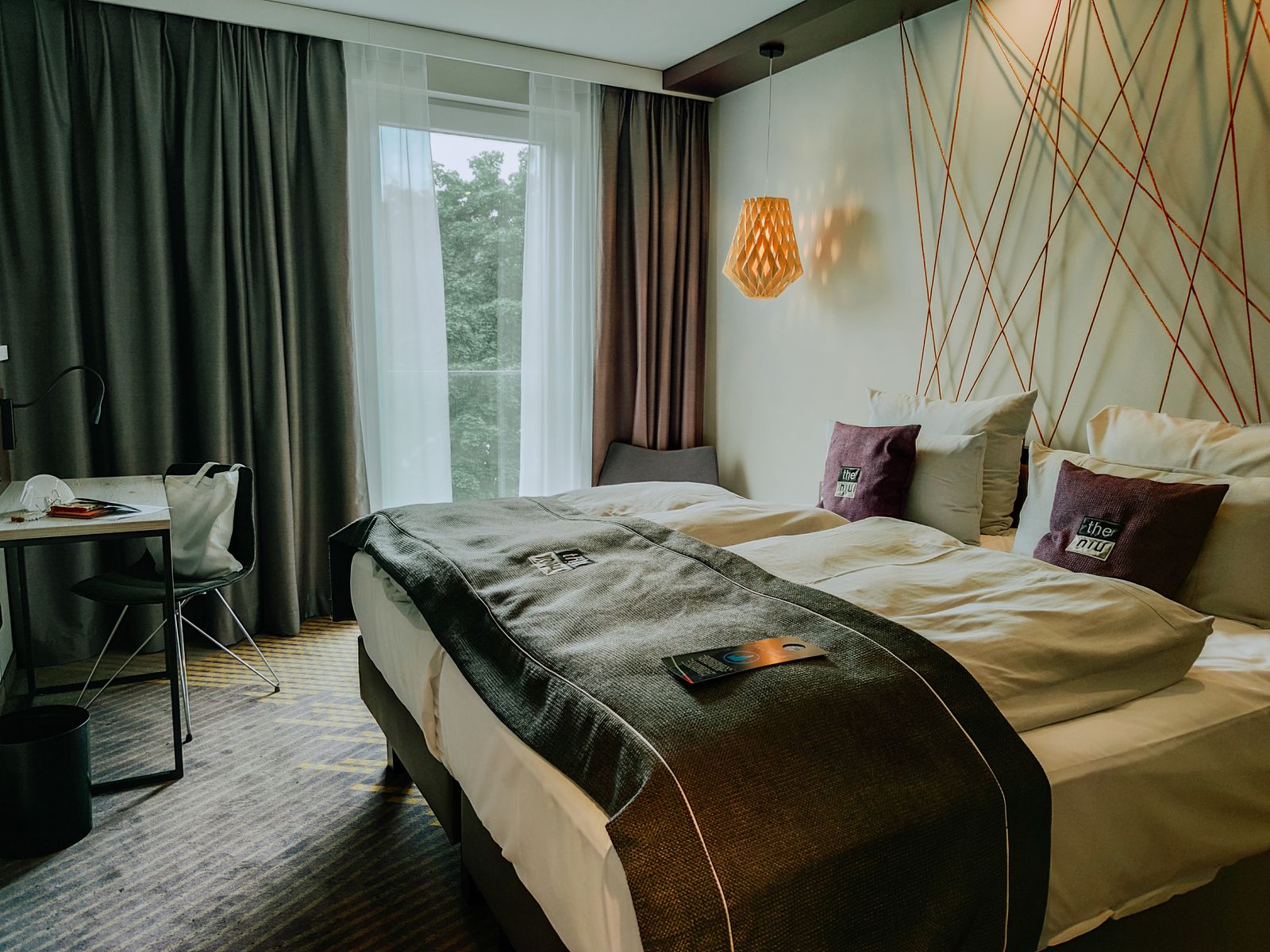
Some travelers walk out of a hotel room and leave it exactly as it looked at 2 a.m.: wet towels on the carpet, takeout boxes on the desk and the remote lost somewhere in the sheets. Others spend a few minutes before checkout gathering trash, stacking towels and putting the furniture back where it started. Nobody asks them to, and the hotel is already paying staff to clean.
That small, unrequired ritual has turned into a surprisingly lively debate. When a hotel manager named Dinesh Tewari posted a photo of a badly littered room on LinkedIn, the reaction drew in housekeepers, etiquette writers and frequent travelers, as Hospitality Net’s republished Washington Post report described. Some housekeepers said they appreciated the effort. Others said it was unnecessary. Almost everyone agreed that the people who do it are sending some kind of signal.
The habit lines up neatly with the same instincts behind the etiquette tips for being the perfect houseguest, and it tends to show up in the same people who avoid the classic travel blunders that turn a vacation into a stress fest. Here are 6 traits that people who tidy before checkout often share.
1. They Notice the People Who Usually Go Unseen
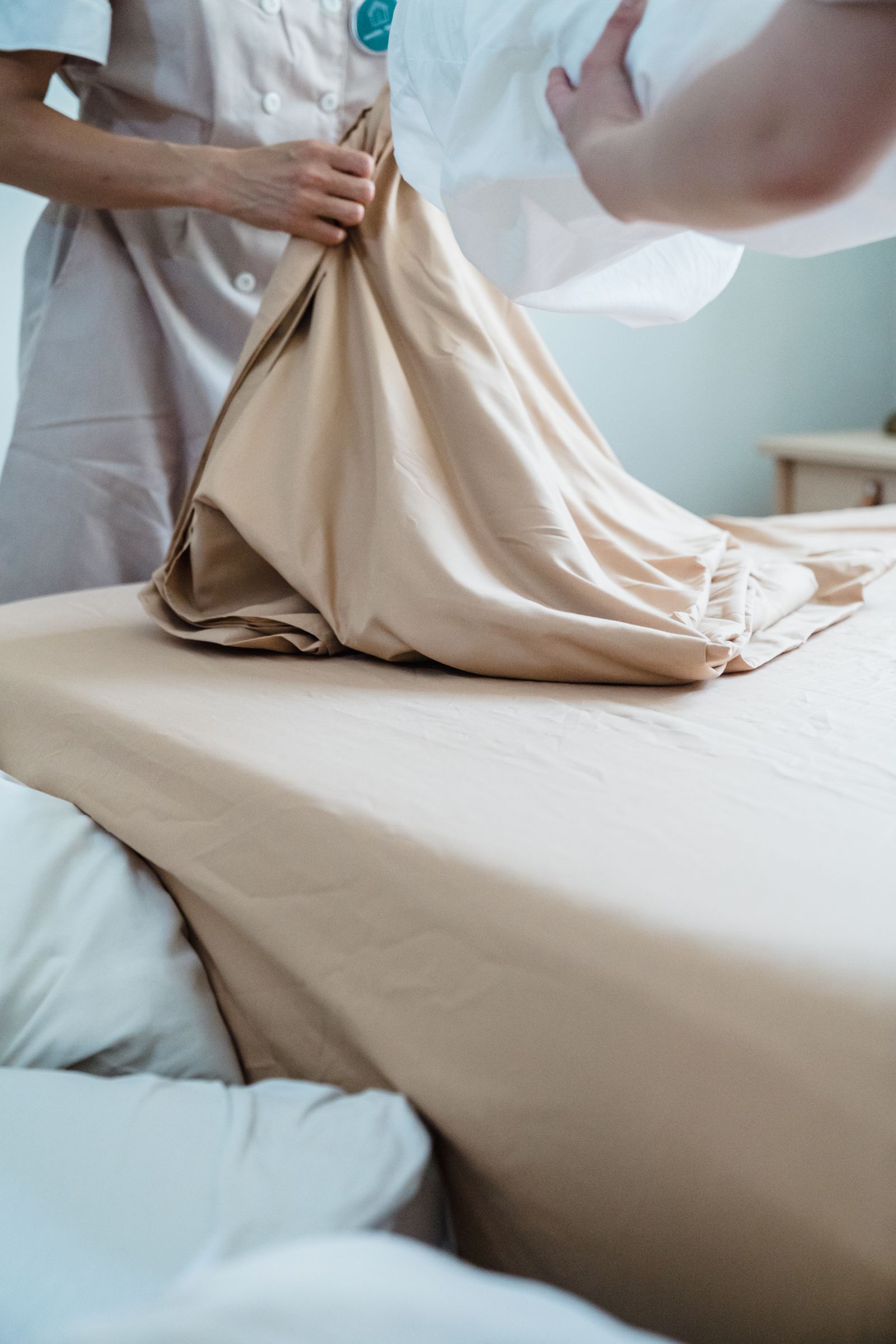
The most common explanation for the habit is respect for the housekeeping staff. In the Hospitality Net piece, etiquette writer Lizzie Post, a descendant of Emily Post, framed checkout tidying as a sign of respect for the people who clean the room. Travel etiquette expert Diane Gottsman, founder of The Protocol School of Texas, told The Points Guy that guests should treat housekeepers the way they would treat a host in a private home.
People who pick up before leaving tend to picture the next person walking through the door with a cart. That kind of awareness rarely stops at hotels. It usually shows up in how they treat servers, cashiers and anyone else whose work is easy to overlook.
2. They Are Naturally Orderly
Psychologists group tidiness under conscientiousness, one of the Big Five personality traits. Summaries of the research, such as this overview of conscientiousness, describe it as a trait built on responsibility, carefulness and diligence, with orderliness as one of its core aspects. Highly conscientious people tend to keep homes and offices less cluttered, fold their clothes and rely on planners and lists.
For someone wired that way, a messy room is mildly uncomfortable even when it belongs to someone else. Tidying before checkout is less a chore than a way of closing the loop. These are often the same travelers who follow a system for packing a suitcase efficiently instead of stuffing everything in at the last minute.
3. They Think Ahead
The same research summary notes that conscientious people tend to plan rather than act on impulse. Tidying before checkout requires a little foresight: leaving enough time before the shuttle, knowing where the charger went, and doing a last sweep of drawers and outlets.
That last sweep matters. A housekeeping consultant quoted by Grazia, Mary D’Argenis-Fernandez of MDA Hospitality Solutions, said phone chargers, children’s toys and jewelry are among the items most often left behind. People who tidy as they pack are far less likely to be the ones calling the front desk from the airport.
4. They Take Ownership of Their Own Mess
One of the clearest explanations came from a Delta flight attendant, Heather Schreiner, who told The Points Guy she stays in hotels three to four nights a week. She puts trash in the bin and gathers dirty towels in one spot, and she summed up her reasoning in three words: it is her mess.
That sense of personal responsibility is the heart of the habit. People who think this way do not assume that someone else’s paycheck cancels out their own obligation to be considerate. A retired innkeeper named Val Horn made a similar point to the same outlet, saying the courtesy is picking things up so staff can at least run the vacuum.
5. They Know Where Helpful Ends and Overdoing It Begins
Interestingly, the best checkout tidiers are not the ones who scrub the bathroom or remake the bed. Modern etiquette expert Myka Meier told AOL that guests can skip making the bed, since staff will strip it anyway. A former hotel rooms manager, Calvin Kanoho, gave the same advice in the Hospitality Net report, explaining that housekeeping replaces all linens and towels whether they were used or not.
What actually helps is simpler. Meier suggested putting trash in the bins, hanging or folding used towels in the bathroom, returning remotes and small items to their places, and calling for room service pickup rather than leaving trays in the hallway. People with this trait tend to be practical. They want to be useful, not to perform tidiness.
6. They Carry Good Manners Into Every Setting
Housekeepers who shared complaints in a Reddit thread summarized by Cheapism listed hidden trash in drawers, leftover beard trimmings in sinks and clothes piled on every surface as some of the worst offenses. Guests who tidy before checkout rarely leave any of those behind, because the habit tends to be part of a broader pattern of good manners.
The same person who stacks towels in a hotel bathroom is usually the one who cleans up after a picnic, returns borrowed items promptly and keeps an armrest dispute from turning ugly on a flight. It is the same territory covered in this look at polite plane habits that can still annoy other passengers, where good intentions only go so far without awareness.
A Small Habit That Says a Lot
Not everyone agrees that guests owe a hotel room any cleanup, and Gottsman suggested that a larger tip is the courteous fix when a room is left especially chaotic. Still, the 6 traits above tend to travel together: awareness of others, a love of order, planning, ownership, practicality and steady manners.
Those qualities overlap with many of the patterns described in this piece on why the kindest people often have the smallest circles. A few minutes spent gathering towels before checkout will not change the world, but it does tend to reveal a person who leaves places a little better than they found them.
This article was written with the help of AI tools and checked against the sources linked above.




