

Buyers often decide how they feel about a house within minutes of walking through the door, and sometimes before they leave the driveway. Price, location and square footage matter, but so do the small details that suggest a home has been cared for, or that it will need money and work the moment the keys change hands.
Real estate agents see those reactions up close at every showing. In interviews published by outlets including The Spruce, Martha Stewart, Kiplinger and the National Association of Realtors, agents and brokers keep pointing to the same handful of features that cool buyer interest. Some are cosmetic, some are structural, and several are the kind of choices that seemed like a great idea when the owners made them. Many of these issues mirror the rookie mistakes to avoid when buying a house, seen from the other side of the deal.
Here are 9 home features realtors say turn buyers away, along with the reasons buyers react the way they do. A few of them would look right at home among the things that decorated every ’70s home but are now extinct.

1. A Neglected Yard
The first impression is made outside. In a piece originally published by The Spruce, agents described neglected yards, with dead grass, overgrown lawns and cracked walkways, as a potential dealbreaker. Jan Ryan, broker owner at RE/MAX Direct, noted that even a small patch of healthy lawn makes a difference.
Philadelphia agent Casey Gaddy made a similar point in a Martha Stewart feature, explaining that plants left to grow unchecked distract from the house, which is the thing buyers actually came to see. A trimmed hedge and a swept path cost little and signal that the rest of the property has been maintained.
2. Strong Scents
A home that smells heavily of candles or plug-in air fresheners can make buyers suspicious rather than relaxed. In the National Association of Realtors’ list of home showing offenses, Phoenix agent Greg Field of HomeSmart said strong fragrance can lead buyers to wonder whether it is covering hidden mold or a carpet stain. Buyers generally want a home to smell neutral.
Interior design advisor Mattie Sheppard told Martha Stewart that heavy fragrances can make buyers suspect a seller is masking something, while a light, neutral scent reads as cleaner. Lingering cooking odors raise the same questions, which is why guides on how to get burnt smell out of the house fast are popular with sellers before showings.
3. Bold Paint and Heavy Wallpaper
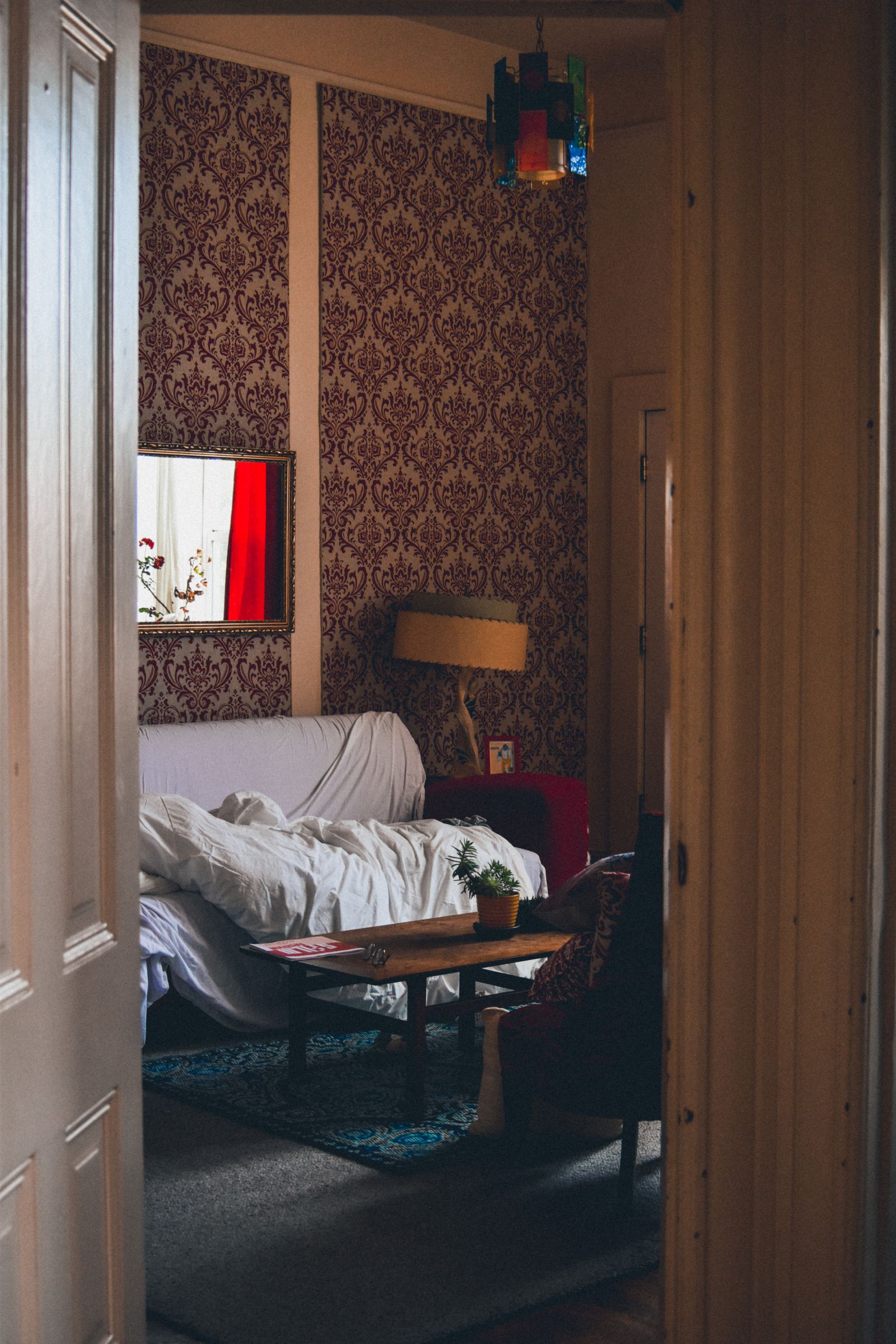
Personal style is one of the hardest things for buyers to see past. Ryan said in The Spruce piece that buyers “can’t see past bold and dated colors,” and recommended neutral paint before listing. In the Martha Stewart roundup of features scaring off buyers, Jonathan Ayala, founder of Real Estate Photography, said neutral design both sells and photographs better than themed walls or heavy wallpaper.
Wallpaper creates an extra hurdle because it signals labor. An Apartment Therapy feature on home features that get a bad rap quoted Lyle Solomon of Oak View Law Group, who said buyers picture the work of stripping it off, and wood paneling draws a similar reaction.
4. Worn Wall-to-Wall Carpet
Carpet that once felt cozy can now feel like a project. In the Apartment Therapy piece, Compass broker Kimberly Jay called wall-to-wall carpeting and carpeted bathrooms a big turnoff. Kiplinger’s list of things home buyers will hate about a house quoted Agnes Seminara-Holzberg of Julia B. Fee Sotheby’s International Realty, who said buyers generally prefer hardwood, although some accept carpet in bedrooms.
Worn or stained carpet makes the whole house feel older, and Kiplinger notes that carpet in bathrooms is especially unpopular because it absorbs moisture.
5. Outdated Fixtures and Hardware
Brass-and-crystal light fixtures, 1980s doorknobs and faucets and dated cabinet pulls can make an otherwise solid home look tired. Ryan told The Spruce that these details date a house quickly, but added that many are inexpensive to replace.
Kiplinger similarly flags shiny builder-grade brass as out of favor and suggests nickel, chrome or stainless finishes instead. It is one of the easier fixes on this list, which is exactly why agents find it frustrating when sellers skip it.
6. Poorly Done DIY Work
Ambitious weekend projects can backfire at sale time. Compass broker Jonathan Self told The Spruce that painted cabinets are especially hard to get right, and Ryan said several DIY jobs in one house lead buyers to suspect shoddy work elsewhere.
In the NAR list, Dan Yonker of Yonker Realty Group pointed to uneven tiles, mismatched paint, wobbly cabinet doors and sloppy caulking as red flags that make buyers assume bigger problems are hiding behind the walls.
7. Layouts That Lose Function
Changes that suited one family can confuse the next. Gaddy told Martha Stewart that converted garages, removed closets and some open floor plans can make buyers doubt how functional a home really is. Kiplinger quotes home stager Jennie Norris, who said converted rooms force buyers to use their imagination.
Storage is the usual casualty. A bedroom without a closet, or a garage that no longer holds a car, leaves buyers calculating what it would cost to undo the change.
8. Above-Ground Pools
A pool might seem like a selling point, but agents say the above-ground version rarely is. Gaddy told Martha Stewart that buyers tend to see an above-ground pool as a liability rather than a luxury, often viewing it as temporary, unattractive and high-maintenance.
Many buyers also factor in the cost and effort of removing one, which can eat into what they are willing to offer.
9. Chain-Link Fencing
Fencing is another feature where the material matters. According to Gaddy, buyers see chain-link fencing as a downgrade even when it is brand new, and that perception can lower how much they think the property is worth.
Wood, vinyl or decorative metal fencing tends to read as more finished, which is why some sellers replace chain-link sections that face the street before listing.
Small Fixes, Big Impressions
None of these 9 features makes a house unsellable, but each one gives buyers a reason to hesitate or offer less. The common thread in agent advice is simple: buyers want to picture their own lives in a home without a long list of projects attached.
Shifting tastes are part of the story too, as shown in reports on 8 home features market data suggests are likely to disappear within 5 years. And for anyone tempted to tackle every repair alone before listing, this list of 10 home repairs men should stop attempting offers a useful reality check.
This article was written with the help of AI tools and checked against the sources linked above.




