

Every office, classroom and family dinner table seems to have one: the person who heads to the exact same chair every single time. Move their coffee mug, take their spot in the meeting room or sit in their place on the couch, and a small look of confusion often follows. It can seem like a minor quirk, but researchers who study how people use space say the habit is surprisingly common and has some interesting explanations.
Environmental psychologists have spent decades looking at why humans claim particular seats, from lecture halls to spin classes. Much of that work points to a concept called territoriality, along with plain old habit. Habits tend to stick around for good reasons, which is part of why so many boomer habits are making a comeback with younger generations, too.
None of this means a favorite seat can reveal everything about someone. Still, the research and the people who study it hint at a handful of qualities that often show up together. Here are 6 traits commonly linked to people who always sit in the same seat.
1. They Value Routine and Fewer Daily Decisions
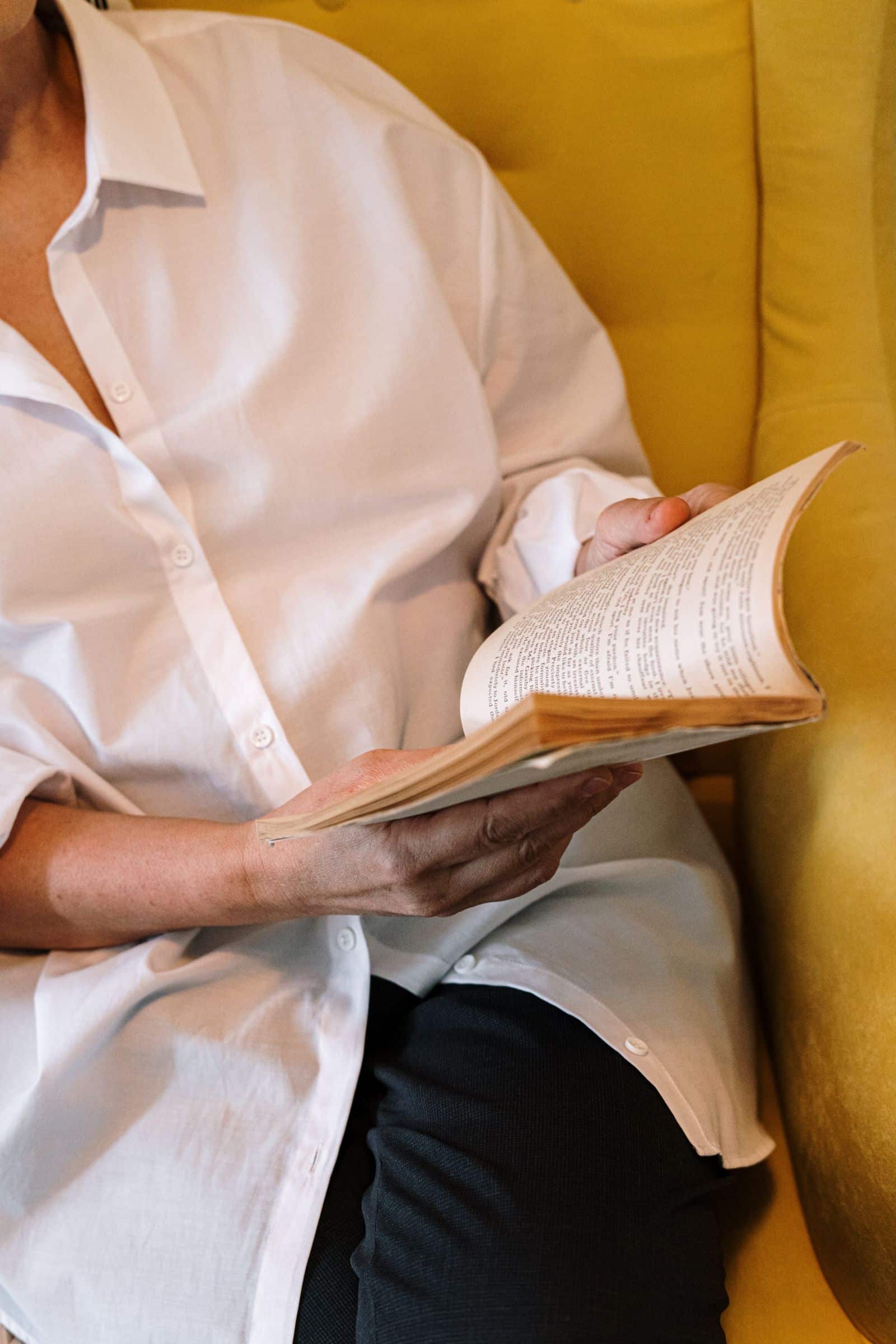
The simplest explanation is habit. A Blue Mountains Gazette column on claiming a favorite seat pointed out that people return to the same bathroom stall, gym spot or cafe table partly because habit spares them from making the same choice again and again. Picking a seat once and sticking with it removes one small decision from a busy day.
People who like this kind of predictability often build routines in other areas of life as well, from the same breakfast to the same route to work. At home, the habit often centers on one well-loved chair, which may be why living room furniture trends pay so much attention to comfortable seating that people actually want to return to.
2. They Quietly Keep the Peace
Territoriality has a reputation for aggression, but researchers say its everyday role is far more cooperative. In a 2018 Quartz article on the psychology of sitting in the same seat, University of Victoria psychology professor Robert Gifford explained that territoriality mostly helps maintain social harmony. “Most of the time most people claim a space and others tacitly agree to it,” he said.
In other words, the person in the same seat every week is often taking part in an unspoken agreement that keeps a group running smoothly. Nobody has to negotiate where to sit, and conflicts are rare. That kind of low-key order fits the same cozy, settled feeling behind many simple cozy crafts for a hygge winter, where comfort comes from the familiar.
3. They Like Feeling in Control of Their Surroundings
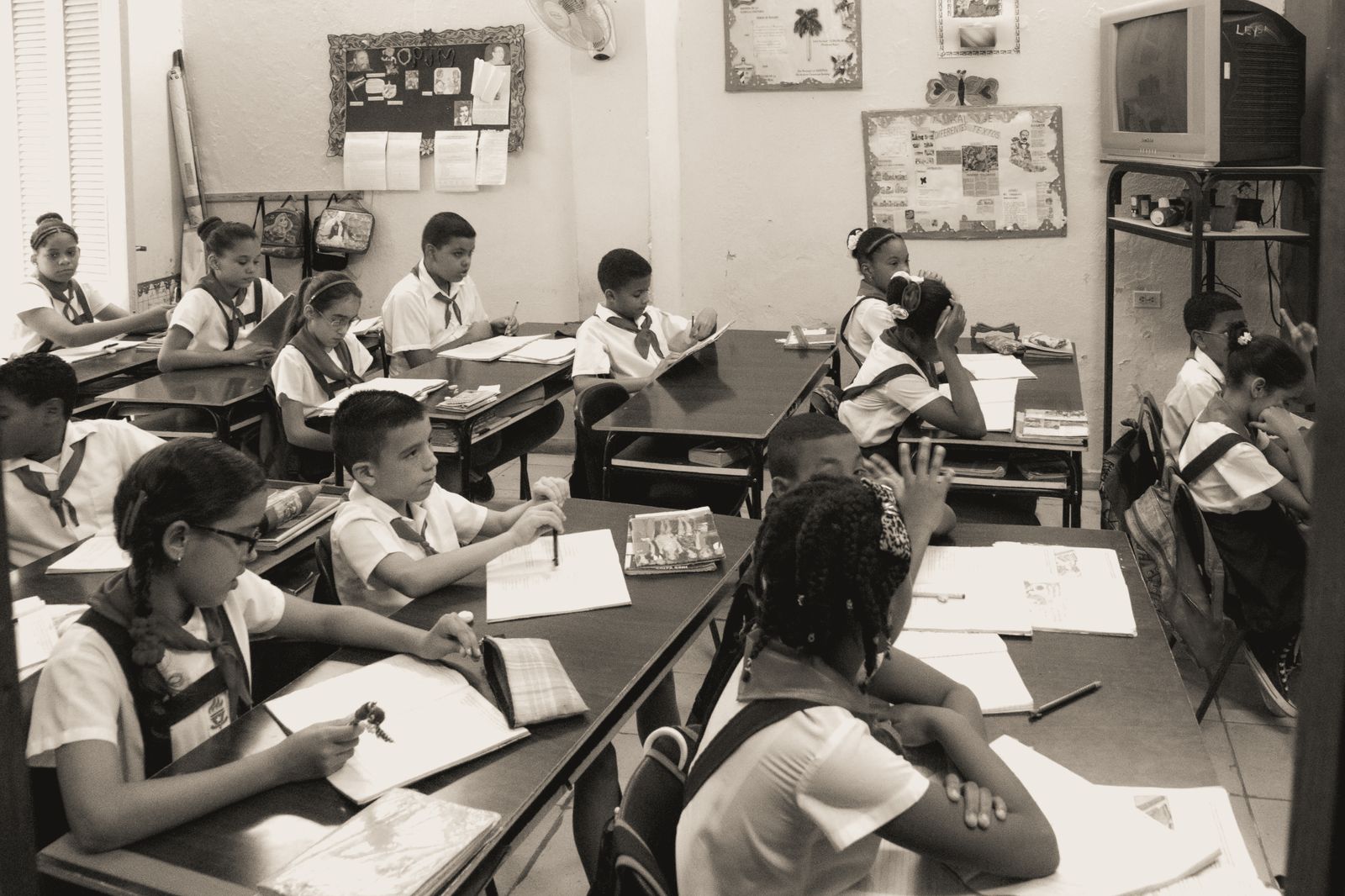
The same Quartz piece described research showing that students who settle into a consistent classroom seat use it to manage their relationships with classmates, which increases comfort and reduces feelings of vulnerability. It also cited Temple University’s Ralph B. Taylor, whose work on human territorial functioning suggests that a personal territory reduces the need to keep renegotiating one’s environment.
The Blue Mountains Gazette made a similar point about shared spaces, noting that claiming a spot helps people feel comfortable and in control. That is one reason the writer gave for why hot-desking setups at offices often fail to win people over.
4. They Tend to Be Focused
Claiming a seat may also free up mental energy. According to the Quartz report, which was also highlighted by the Association for Psychological Science, settling into a consistent seat can reduce the effort of adjusting to a new spot each day, which may support concentration and learning. Researchers such as Marco Costa of the University of Bologna tracked how quickly freshmen in lecture halls settled into fixed seats over several weeks.
For people who return to the same desk or chair, the familiar spot can work as a cue that it is time to get down to business. A YourTango article on what it means to always sit in the same spot at home made a similar argument, suggesting that returning to one place can help train the brain to focus there.
5. They Find Comfort in Order
A favorite seat can be a small source of calm after a hectic day. In a Portland Press Herald feature on how instinct and personality shape seating at Thanksgiving dinner, writer Ray Routhier spoke with Caroline Remley, a Portland mother who described her fixed spot at the dinner table as a reliable comfort. She said it was nice to have some order.
The same article quoted Chicago-based environmental psychologist Sally Augustin on territorial habits and the personal space people carry with them. For people who like their world tidy and predictable, a regular seat is one easy way to create that feeling, especially at busy holiday gatherings.
6. They Often Attach Meaning to Familiar Places
Seat habits are not always about efficiency. The Press Herald story described a music store founder, Brett Wickard, who realized he always picks seats on the right side of a room, a habit he traced to years of greeting customers from a counter on the far right of his first store. Another person interviewed preferred one particular car seat for deeply personal reasons.
YourTango likewise linked the habit to sentimentality, describing people who favor one spot as attentive to small details and attached to the rituals they have built. For these people, a seat can carry memories as much as comfort.
A Favorite Seat Is a Clue, Not a Verdict
The research on territoriality helps explain why so many people gravitate to the same chair, but the experts quoted in these stories also urged caution. The Press Herald noted that psychologists say seating is not a reliable guide to someone’s personality on its own. A favorite seat might reflect habit, comfort, the layout of a room or nothing more than a good view of the door.
Small habits can still be fun to think about. Readers curious about other everyday choices might enjoy this look at 12 personality traits of people who wear black, or this list of 12 polite plane habits that secretly annoy others, a reminder that seating etiquette matters on airplanes, too.
This article was written with the help of AI tools and checked against the sources linked above.




