

For many baby boomers, banking was something done in person, on paper and on the bank’s schedule. A trip to the branch meant a line, a teller, a pen on a chain and, if luck was on their side, a free gift for opening a new account. Money moved slowly, and keeping track of it took real effort at the kitchen table.
Most of that world is gone now, replaced by apps, debit cards and instant alerts. The change happened gradually, the same way so many little rituals from the ’80s and ’90s disappeared without much notice. Few people marked the last time they balanced a checkbook or waited for a canceled check to arrive in the mail. Anyone who has read a list of things only people who grew up in the 70s will understand will recognize plenty here.
Here are 9 bank habits boomers grew up with that have largely vanished, along with what replaced them.
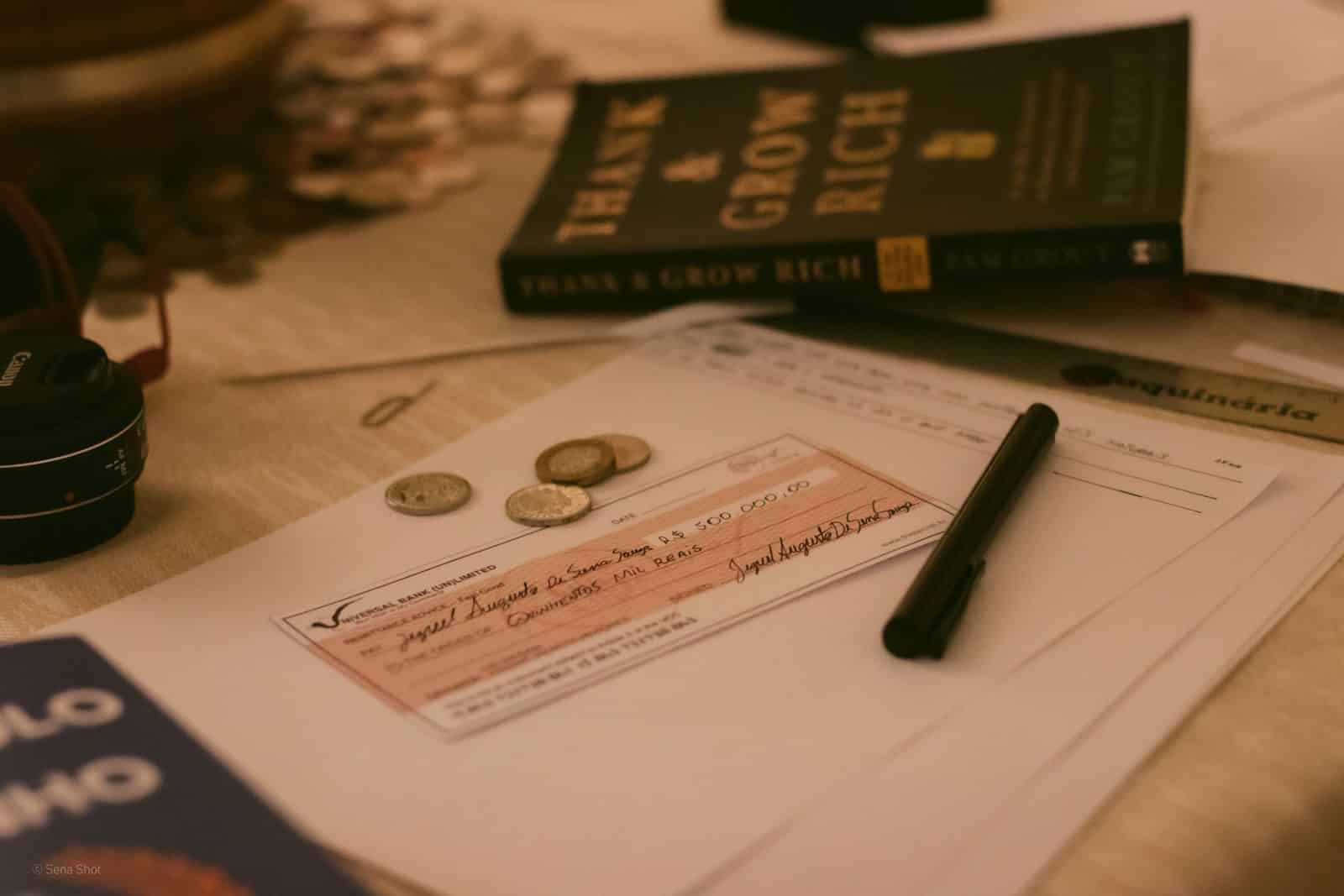
1. Carrying a Passbook to the Bank
Before online statements, a savings account often came with a small paper passbook that recorded each deposit, withdrawal and interest payment. Savers brought it to the counter so the teller could update it. A history of banking published by Metro noted that people could earn 3% interest in 1957, and that some passbook savings accounts still paid more than 5% in 1986.
The little book was a tangible record of progress, and many boomers remember watching the balance grow line by line. Today, the same information lives in an app that updates in seconds. The passbook has become a collectible rather than a routine, though the satisfaction of seeing savings add up is one of those boomer habits that are making a comeback in new forms.
2. Getting a Free Toaster for Opening an Account
Banks once competed for customers with household prizes. According to Metro’s banking history, banks in the 1960s gave new account holders gifts such as a toaster or an electric wall clock. The free toaster became such a symbol that it still shows up as shorthand for old-fashioned banking.
Sign-up incentives have not disappeared entirely, but they now tend to arrive as cash bonuses deposited after certain conditions are met. A shiny appliance handed over at the branch is mostly a memory.
3. Saving Through a Christmas Club
Christmas Club accounts let families set aside a little every week so there would be money for gifts in December. A 2008 essay in Northern Express recalled a childhood account funded with about 50 cents a week, adding up to $25 by December. The writer argued that banks eventually judged the cost of processing so many small deposits too high.
American Banker reported back in 1996 that holiday clubs, once as much a tradition as collecting tree ornaments, were barely hanging on as banks steered customers toward ATMs, computers and phones. Some institutions still offer them, but the weekly trip to drop off a few dollars is rare.
4. Planning Cash Around Bank Hours
Before cash machines, getting money meant reaching the bank while it was open. Running out on a weekend meant waiting until the branch opened again. That started to change when, as Metro noted, the first ATM in the U.S. was installed at Chemical Bank in Rockville Centre, New York, on September 2, 1969.
ATMs eventually spread everywhere, and debit cards later made cash itself less necessary. The old habit of stopping at the bank on Friday to pull out money for the weekend has faded for most households.
5. Writing Checks for Nearly Everything
Boomers paid rent, utilities and even groceries with paper checks. The numbers show how quickly that changed. According to the Federal Reserve Bank of Atlanta, checks made up 57.8% of noncash payments in 2000 but just 13.4% in 2015, while credit and debit cards accounted for more than 65.5% of noncash transactions that year.
Checks are still used for some bills and gifts, but writing one at a store checkout line now draws curious looks. For many younger adults, a checkbook is something ordered once and barely touched.
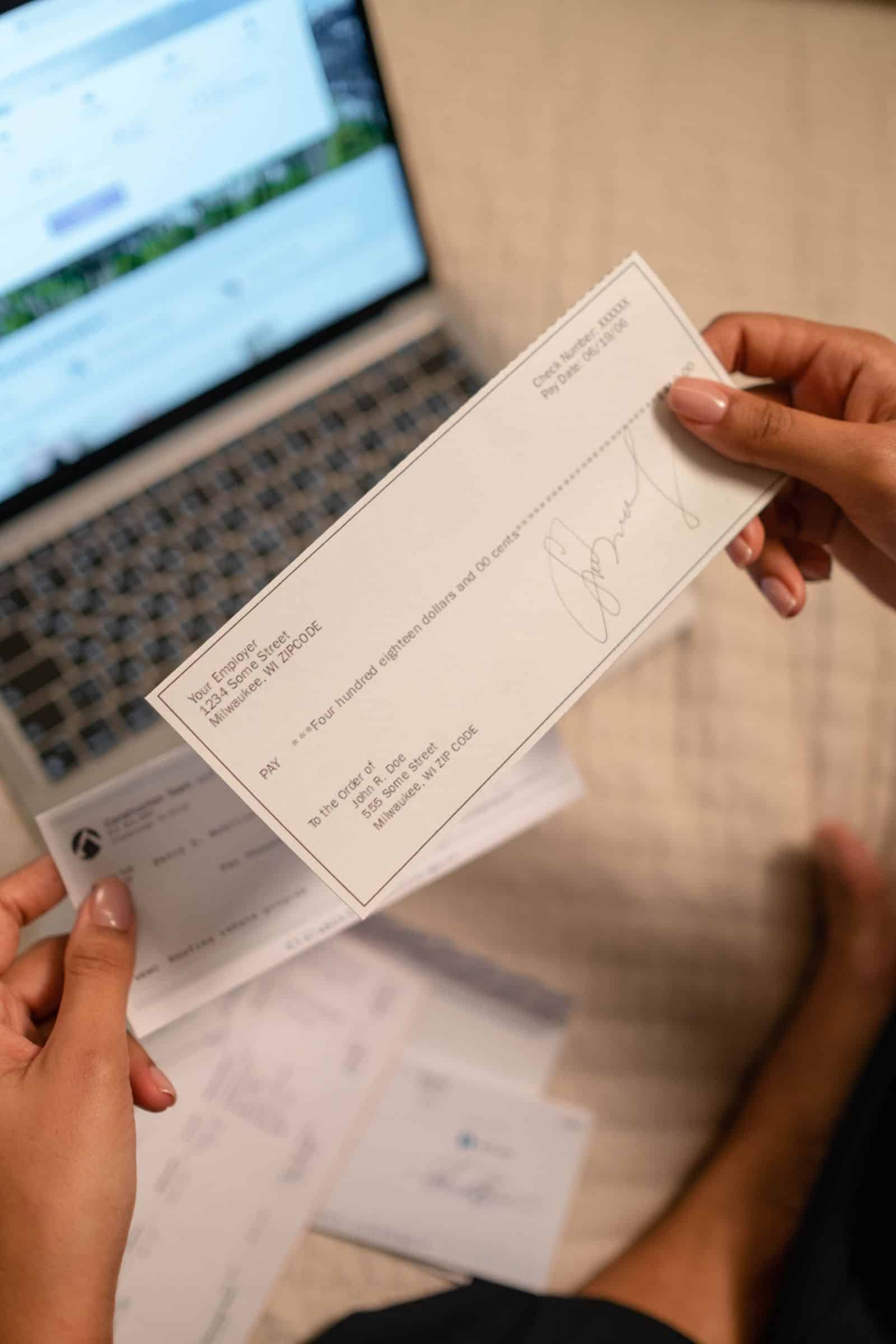
6. Balancing the Checkbook Every Month
When the paper statement arrived, many households spread it across the kitchen table and matched it line by line against the check register. A Shortform explainer on the lost ritual described how, for decades, millions of Americans spent an hour or more with pencils and calculators until the numbers matched exactly.
Real-time balances and alerts have made the monthly reconciliation feel unnecessary. Shortform pointed to a 2023 survey in which 42% of people said they rarely check their checking account balance, a sign of how far the habit has slipped.
7. Receiving Canceled Checks in the Mail
Statements once arrived thick with the actual checks a customer had written, stamped and returned by the bank. Those canceled checks served as proof of payment, and many boomers kept them in shoeboxes for years. The Check Clearing for the 21st Century Act, known as Check 21, took effect on October 28, 2004, and made an image of a check legally equivalent to the original, as the Federal Reserve Bank of San Francisco explained.
The law itself did not ban returning paper checks. The Federal Reserve’s Check 21 FAQ says customers keep receiving canceled checks unless their bank says otherwise. In practice, though, images and online copies have largely replaced the envelope full of paper.
8. Waiting Days for a Check to Clear
Paper checks once had to travel physically between banks. The San Francisco Fed noted that before Check 21, the Federal Reserve moved checks by air or truck, and that the grounding of flights after September 11, 2001, brought check clearing to a halt. Waiting several days for a deposit to become available was simply part of life.
The shift to images changed the system behind the scenes. The same Fed explainer said the Federal Reserve processed checks at 45 regional centers in 2002, and by 2010 only two facilities still processed checks.
9. Taking Every Deposit to a Teller
Payday once meant a trip to the branch to deposit a paper paycheck in person. The Atlanta Fed noted that Check 21 cleared the way for electronic check processing and remote deposits, the technology that now lets a customer photograph a check with a phone.
Tellers have not vanished. Metro cited a 2016 Bain & Company study that found 92% of respondents over 65 had visited a teller in the previous quarter. But the weekly paycheck deposit at the window has mostly given way to direct deposit and mobile apps.
A Different Kind of Banking
These 9 habits took time, patience and paper, and many boomers still remember them with real affection. Modern banking is faster and more convenient, though some of the old discipline, like checking every transaction, still has value.
For more on how money habits have shifted across generations, see this list of 9 things boomers keep in their wallets that leave younger generations confused and a look at 12 things boomers had that are now financial fantasies.
This article was written with the help of AI tools and checked against the sources linked above.




