

Plenty of Americans who came of age in the 1980s can still picture a favorite booth, a paper menu or a glowing sign by the highway. Many of the chains behind those memories are now gone, and most of them did not leave with a big farewell. They were sold, renamed, folded into bigger brands or simply shrank until the last location turned off the lights.
The decade was rough on mid-sized restaurant companies. Fast food giants were growing quickly, casual dining was taking off and many smaller chains had expanded faster than their kitchens or bank accounts could support. For anyone who enjoys a dose of food nostalgia, a FrenzHub look back at 15 classic 1980s foods everyone loved back in the day makes a fun companion piece, as does a FrenzHub list of 8 little rituals from the ’80s and ’90s that disappeared without much notice.
The restaurant business has kept reinventing itself ever since, as a FrenzHub explainer on ghost kitchens and the trend disrupting the restaurant industry shows. Here are 10 restaurant chains from the 1980s era that faded away, based on histories compiled by food and business outlets.
1. Sambo’s
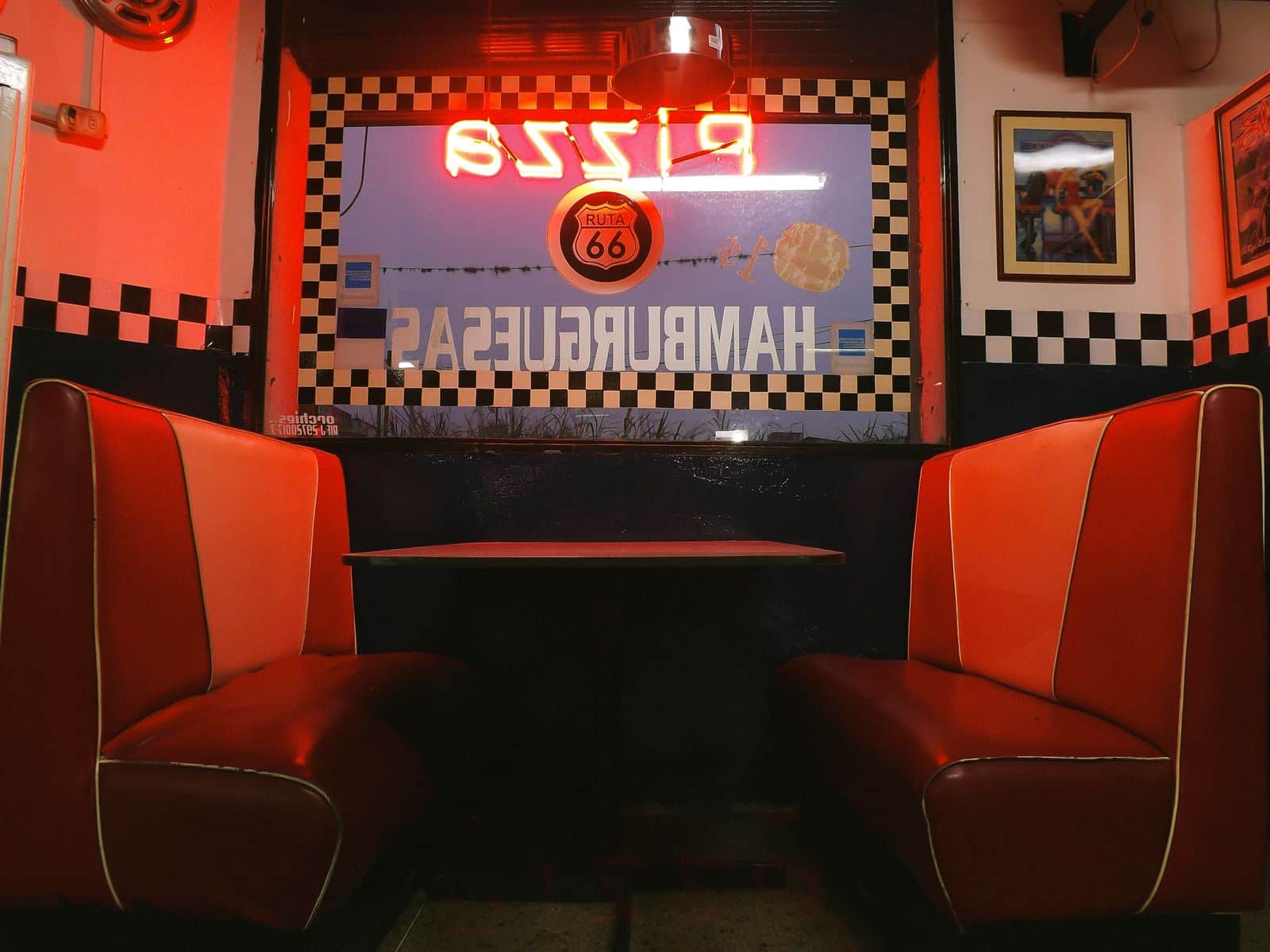
Sambo’s started in Santa Barbara, California, in 1957 and grew into one of the biggest family restaurant chains in the country. According to HowStuffWorks, it reached 1,117 restaurants in the early 1980s. The name drew protests and lawsuits because of its link to a racist stereotype, and the company also struggled with deep financial and management problems. A switch to a tiger mascot and a new name did little to help. Many former locations became Denny’s, and the original Santa Barbara restaurant changed its name in 2020, as Fox Business noted.
2. Burger Chef
Before McDonald’s pulled far ahead, Burger Chef was a serious rival. Fox Business reports that the Indianapolis-born chain had more than 1,200 locations at its 1971 peak, only about 100 fewer than McDonald’s at the time. Repeated ownership changes and mismanagement weakened the brand, and Hardee’s bought the chain in the early 1980s and converted most of its restaurants. The very last Burger Chef was converted into a Pleasers restaurant in 1996. For a chain that once ran neck and neck with the biggest name in burgers, the ending came with surprisingly little fanfare.
3. Gino’s Hamburgers
Gino’s was a big regional name, with 330 outlets by 1972, according to HowStuffWorks. The chain dates back to 1957 and built a loyal regional following over the next two decades. In the early 1980s, hotel and restaurant company Marriott bought Gino’s for $48.6 million and folded most of the restaurants into its Roy Rogers brand. As Mashed explains, that sale effectively ended Gino’s as a major chain almost overnight, even though the name stayed familiar to longtime customers. For many fans, the switch to a new sign out front was the first hint that something had changed.
4. D’Lites of America
D’Lites is a textbook case of a promising chain that grew faster than it could manage. The Atlanta-based chain launched in 1978 and reached 100 locations by 1983, according to Tasting Table. The growth came too fast. The chain struggled outside its home market, picked weak sites and saw a 1985 profit turn into an $18.7 million loss in 1986. It filed for bankruptcy that same year, and the brand faded from the map not long after. Its rise and fall took less than a decade.
5. Red Barn
Red Barn was once a familiar sight in several countries. The chain opened in 1961 and grew to somewhere between 300 and 400 locations across the U.S., Canada and Australia, Tasting Table reports. By 1983 it had shrunk to about 100 restaurants. Changing eating habits, stiff competition and some poorly placed locations all hurt, and sales fell about 20% starting in the winter of 1985. The company sought bankruptcy protection in 1986, and its remaining restaurants faded away over the following years.
6. Victoria Station
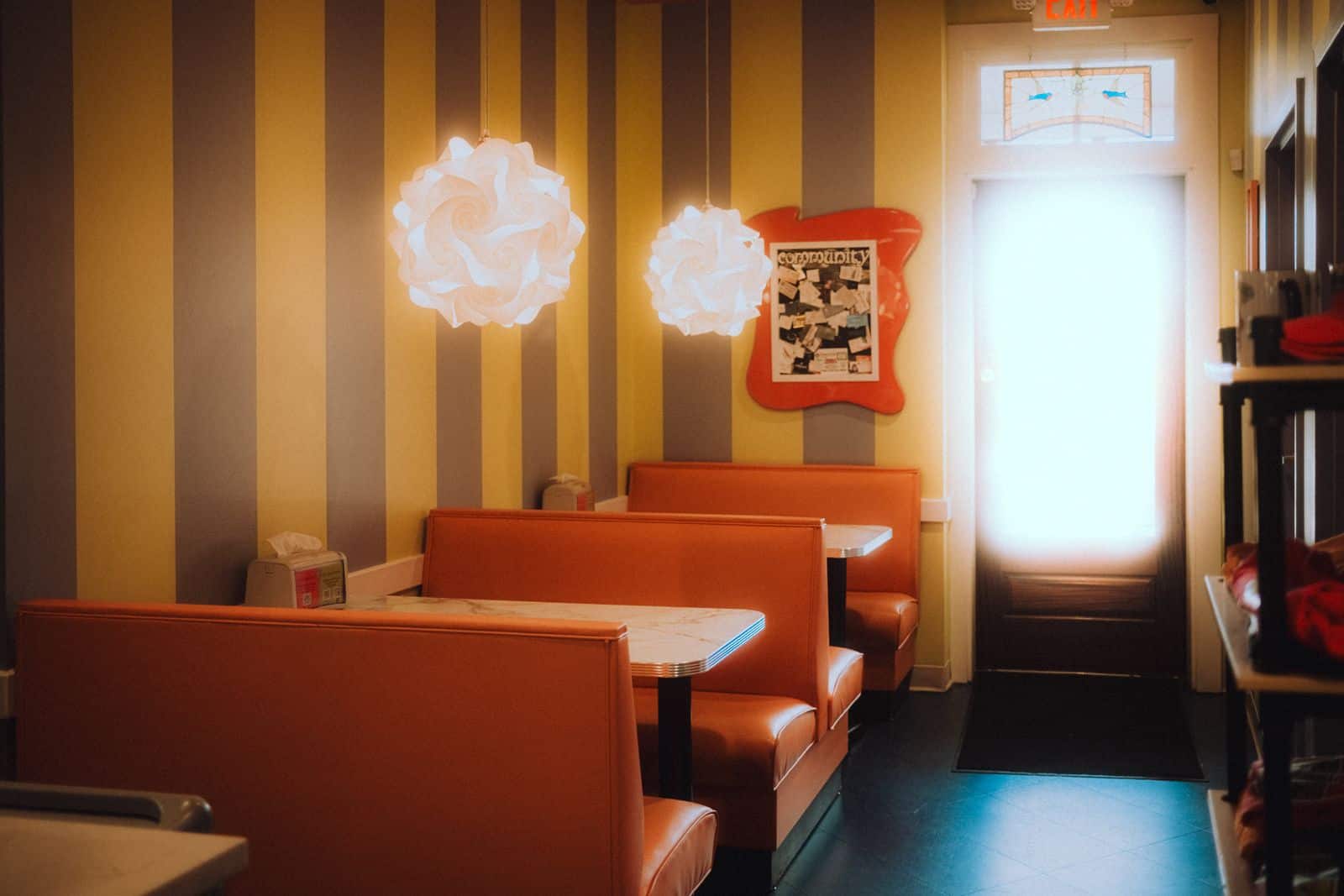
Victoria Station was a family-style steakhouse chain that many diners saw as a special night out. The chain began in 1969 and grew to more than 100 restaurants, according to Tasting Table. Prices were high for a family steakhouse, a complaint that surfaced early on, and the company lost money for a couple of years before filing for bankruptcy in 1986. A handful of locations hung on for decades, but the last U.S. restaurant closed in 2017, closing the book on a chain that once seemed built for steak-loving families.
7. Beefsteak Charlie’s
Beefsteak Charlie’s won diners over with unlimited servings of shrimp and drinks, as Tasting Table describes its model. Tasting Table reports the chain had 68 locations in 1984. That generous model proved costly, and Mashed notes that poor business decisions led to about 20 closures in the late 1980s. The brand was sold to Bombay Palace Restaurants in 1987 and filed for bankruptcy again in 1989. A revival in Massapequa, New York, opened in 2009 but did not last much more than a decade.
8. Wag’s
Many people forget that the Walgreens drugstore company once ran its own family restaurant chain. Wag’s opened in the 1970s and grew to more than 90 locations, according to MeTV. The concept never fully caught on with diners, and Walgreens sold the restaurants to Marriott in 1988. Marriott could not find a buyer for the chain in the early 1990s, and Wag’s slipped quietly out of existence. For a related trip down memory lane, there is also a FODMAP Everyday list of 12 small rules everyone followed in the ’80s.
9. Sisters Chicken and Biscuits
Sisters Chicken and Biscuits had an unusual path. It opened in central Ohio in 1980 and grew to 20 locations, according to Mashed. Wendy’s bought the young chain in 1981 and later sold the restaurants to its largest franchisee in 1987. The brand never broke out nationally, and the chain closed in 1994. Many of its buildings were repurposed for other businesses, which is part of why so few people remember the name today, even in the Ohio towns where it once served chicken and biscuits every day.
10. Pup ’n’ Taco
Pup ’n’ Taco had one of the more playful names of its era. The chain started in 1965 and had 99 locations by the mid-1980s, Mashed reports. That was when Taco Bell bought every one of them, converting the restaurants into its own brand and ending Pup ’n’ Taco in a single deal. It remains a fond memory for many longtime fans, and a reminder of how often a beloved chain disappeared through a quiet buyout rather than a dramatic collapse.
Why So Many Chains Vanished
Looking across these 10 stories, a few patterns repeat. Rapid expansion stretched budgets thin, larger competitors bought smaller rivals to grab real estate, and changing tastes favored either cheaper fast food or newer casual dining brands. Some names live on only in old photos and roadside buildings that still carry a familiar roofline.
Dining habits have kept changing since then, too. A FODMAP Everyday piece on 11 restaurant habits of boomers that Gen Z finds cringeworthy shows how differently each generation approaches a night out, a sign of how much the experience of eating out has shifted since the days of these vanished chains.
This article was written with the help of AI tools and checked against the sources linked above.




