

Every parking lot has them: the drivers who skip the easy nose-first approach and carefully back into a space instead. Some people admire the move, and others grumble about the extra seconds it takes. Either way, the habit has become a popular topic for anyone who likes to read personality into everyday choices.
There is no scientific proof that a parking style reveals someone’s character. A look at the viral claims by OKDIARIO found no credible study tying reverse parking to a distinct personality profile. Still, the reasons people give for backing in point to some recognizable tendencies. For a lighter look at life behind the wheel, a FrenzHub list of the top 10 useless or annoying modern car features is a fun read, and so is a FrenzHub roundup of 12 cars that became instant classics.
Here are 7 traits often linked with people who back into parking spaces, along with what the evidence actually says.
1. They Plan for the Exit
The most common explanation for backing in is simple: it makes leaving easier. News4JAX described reverse parkers as people who accept a little more effort on arrival in exchange for a smoother departure later. That kind of thinking ahead is a hallmark of planners, the people who pack the night before a trip or lay out tomorrow’s clothes. Anyone who has struggled to back out between two oversized trucks understands the appeal. A FrenzHub guide to the 5 best car batteries of 2026 fits the same plan-ahead mindset for drivers who hate surprises.
2. Safety Is Front of Mind
Many back-in drivers say they do it for safety, and there is real research behind that choice. According to AAA, citing the National Safety Council, drivers spend less than 1% of their driving time in reverse, yet about 25% of collisions happen while backing up. A study led by Daniel J. Findley at North Carolina State University found that pulling in forward and backing out carried more crash risk than backing in and pulling out. People who back in are often simply choosing the lower-risk way to leave.
3. They Pay Close Attention to Surroundings
Backing in means checking the space, mirrors and nearby pedestrians before committing. AAA’s Montrae Waiters told Axios Atlanta that drivers can see people and traffic better when leaving a space they backed into. That awareness seems to carry over. Reverse parkers tend to be the people who notice a shopping cart rolling loose or a child darting between cars. Steering in reverse can also feel far more sensitive, as AAA’s William Van Tassel has explained, so careful drivers learn to move slowly and watch closely.
4. They Are Willing to Wait for a Payoff
Backing in takes a bit longer at first, and the reward comes later. OKDIARIO compared this to delayed gratification, the idea behind the famous Stanford marshmallow experiment. The outlet also pointed out that a 2018 replication by Tyler Watts, Greg Duncan and Haonan Quan found the link between childhood patience and later success was much smaller once family background was considered. So the comparison is fun, not definitive. Still, choosing a short delay now for an easier exit later reflects a patient approach many people recognize.
5. They Learned It and Stuck With It
Habit and training play a big role. In reader responses gathered by Axios Atlanta, one driver said parking attendants taught him that backing in was the proper way, and another said she learned it in a 1970s driver’s education class and later from a Georgia state trooper. OKDIARIO notes that workplace rules, tight lots or simple practice can all explain the habit. People who back in are often consistent creatures, sticking with a method once they have been shown why it works.
6. They Don’t Mind Standing Out
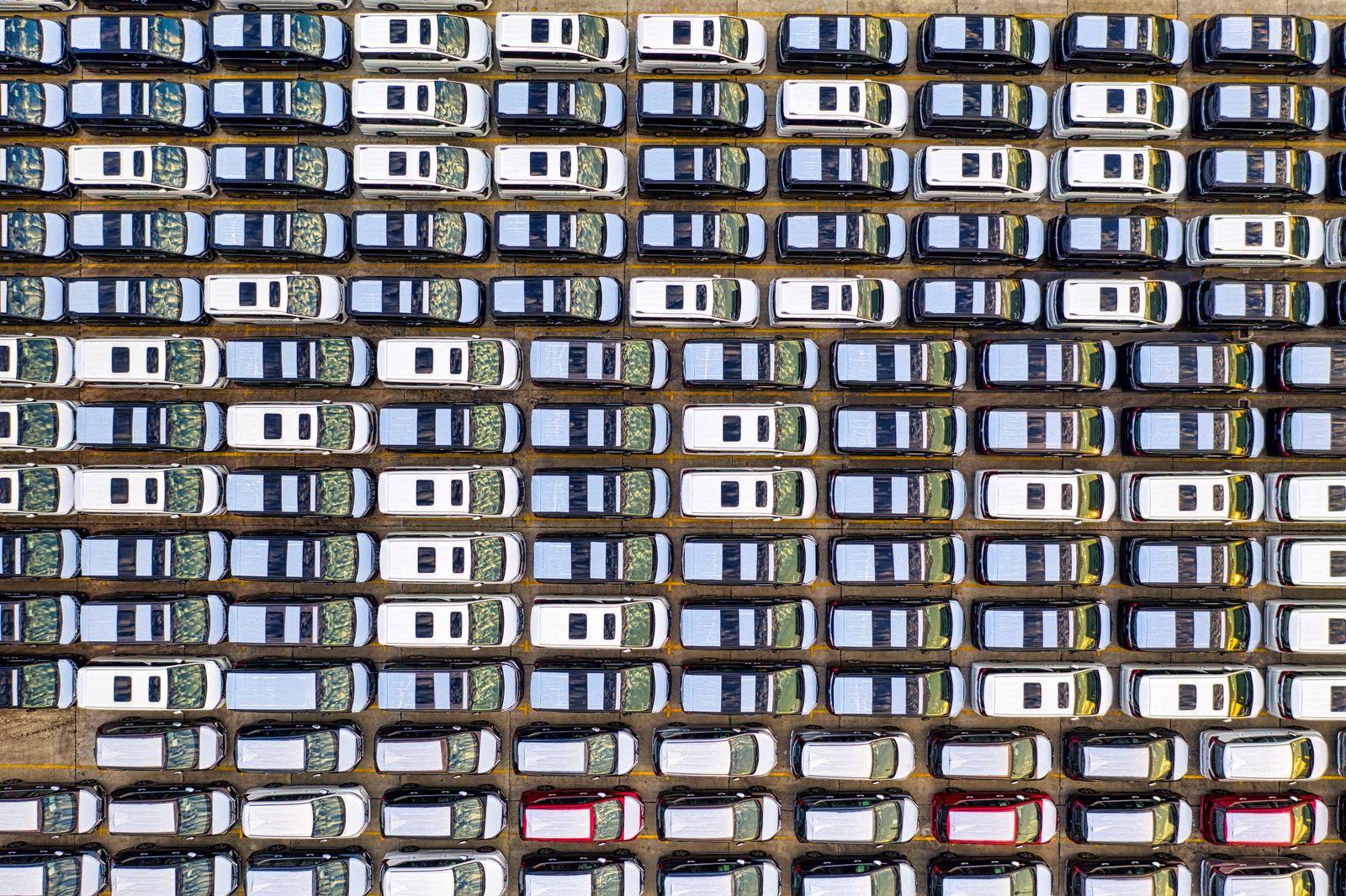
Most drivers pull in nose first, so backing in can make someone the odd one out in a row of cars. News4JAX suggested that consistently choosing the less common approach hints at a willingness to go against the crowd. Not everyone loves it. Several readers who responded to Axios Atlanta said it irritates them when another driver needs multiple tries while traffic waits. People who back in anyway tend to be comfortable with their own way of doing things, even when it draws a few impatient looks.
7. They Tend to Be Organized and Careful
The traits linked to backing in, planning, caution and self-control, line up with conscientiousness, one of the Big Five personality traits. OKDIARIO cited research by Angela Duckworth and colleagues on 9,646 American adults that tied conscientiousness to income, wealth and life satisfaction. The outlet was careful to add that these effects are usually modest and that a single parking habit is weak evidence of any personality trait. Even so, many back-in drivers do seem to carry that same tidy, careful approach into other parts of life.
A Habit Worth a Second Look
None of these 7 traits are guaranteed, and plenty of careful planners pull straight in every day. What the research does support is the safety side. AAA notes that newer cars often help too, citing IIHS findings that rearview cameras paired with sensors and automatic rear braking sharply cut backing crashes. The Insurance Institute for Highway Safety reported that vehicles with all three features had 78% fewer police-reported backing crashes than vehicles without them.
Driving habits have changed a lot over the decades, as a FODMAP Everyday list of 12 old-school driving tips banned today shows. And for anyone who finds slow back-in maneuvers frustrating, a FODMAP Everyday roundup of 12 annoying habits everyone wishes people would stop doing covers plenty of other everyday pet peeves.
This article was written with the help of AI tools and checked against the sources linked above.




