

A home does not need expensive furniture, designer decorations, or freshly painted walls to look well cared for. Sometimes, the smallest details tell a much bigger story about how a property is maintained. Unfortunately, certain sights and smells can make even a beautifully furnished house feel unpleasant.
The good news is that most of these problems are preventable with regular cleaning and a little attention. From suspicious bathroom corners to kitchen surfaces that have clearly been neglected, here are seven disgusting things that can instantly make a home look poorly maintained.
Mold Growing Around Bathroom Tiles and Walls
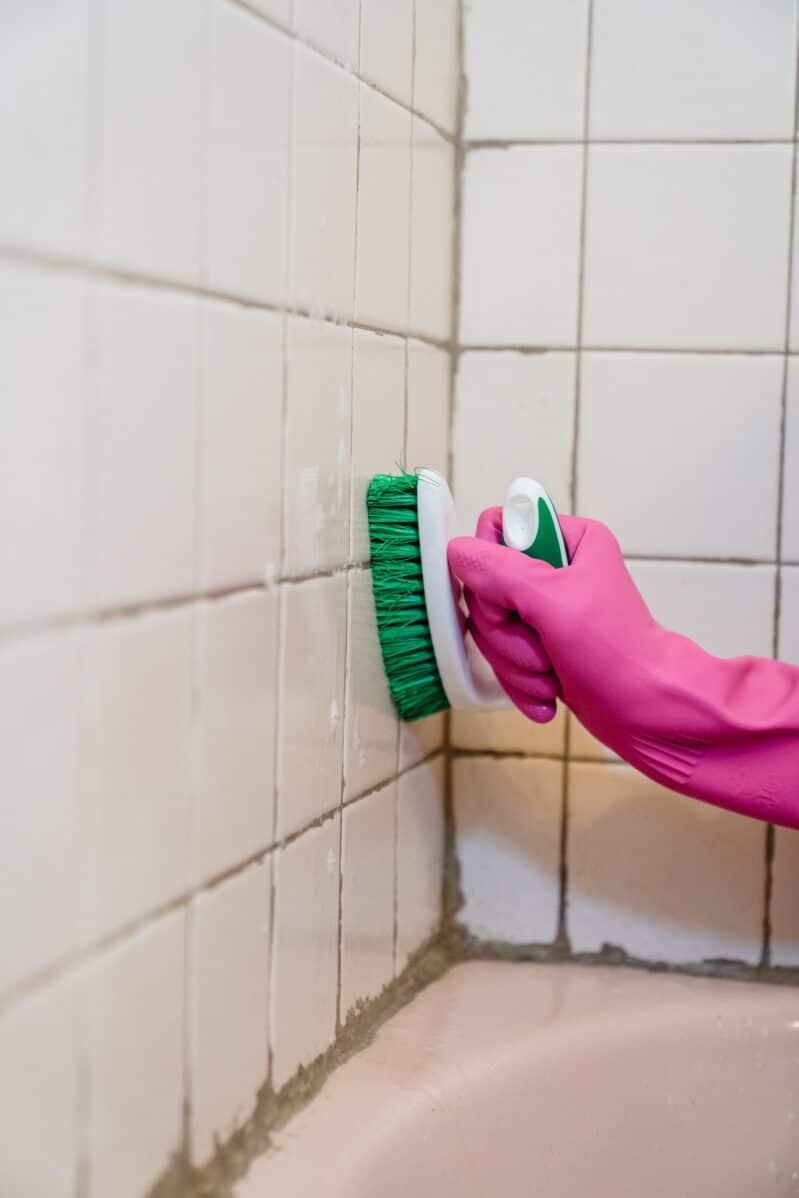
Few things make a bathroom look neglected faster than black, green, or gray patches spreading across the grout, shower corners, and walls. Mold often develops in places that remain damp for long periods, particularly when bathrooms have poor ventilation. Even freshly cleaned floors and shiny bathroom fixtures cannot distract from mold creeping around the shower.
According to the Environmental Protection Agency (EPA), wet or damp materials should ideally be dried within 24 to 48 hours to prevent mold growth. The agency also recommends keeping indoor humidity below 60%, preferably between 30% and 50%. Regular ventilation, fixing leaking pipes, and drying wet surfaces can help prevent the problem from returning.
Greasy Kitchen Cabinets and Sticky Countertops
A kitchen can have beautiful countertops and expensive appliances, but greasy cabinets and sticky surfaces can ruin the entire appearance. Cooking naturally produces grease and food residue, which can settle on cabinet doors, backsplashes, handles, and nearby appliances. When these areas are not cleaned regularly, the buildup becomes increasingly difficult to remove.
The kitchen deserves particular attention because food preparation involves multiple surfaces and utensils. The EPA identifies regular cleaning of surfaces, floors, walls, and furnishings as part of maintaining a healthy indoor environment. A simple wipe-down after cooking and occasional deeper cleaning of cabinet handles and appliance surfaces can make a noticeable difference. Nobody wants to reach for a kitchen cupboard and come away with greasy fingers.
A Toilet With Stubborn Stains and Lingering Odors
There is something particularly unpleasant about walking into a bathroom and immediately noticing a dirty toilet. Brown stains beneath the rim, yellow discoloration around the bowl, and grime collecting around the base suggest that routine cleaning has been overlooked. The problem becomes even more noticeable when unpleasant odors linger despite the bathroom having an air freshener.
Toilet cleaning should involve more than quickly brushing the inside of the bowl. The seat, lid, flush handle, surrounding floor, and areas behind the toilet also deserve attention. These frequently overlooked spots can collect dirt and residue over time. Regular cleaning with appropriate household products helps keep the bathroom presentable and prevents stubborn buildup.
Dusty Air Vents and Neglected Ceiling Fans
You might not notice the dust gathering on ceiling fans or air vents until someone switches them on. Suddenly, a previously invisible layer of dirt becomes impossible to ignore. Thick dust around ventilation grilles, fan blades, and air conditioning filters can make a home look like nobody has bothered with proper cleaning in months.
There is also a reason to take indoor dust seriously. According to the EPA, people spend approximately 90% of their time indoors on average, where they can be exposed to biological contaminants such as dust mites, pollen, mold, and pet allergens. The agency recommends regular cleaning and appropriate maintenance of heating and cooling systems. Wiping fan blades, vacuuming accessible vents, and checking filters according to manufacturer instructions can help keep these areas under control.
Overflowing Garbage Bins and Food Waste
An overflowing garbage bin is difficult to hide, particularly when food scraps are spilling onto the floor, or unpleasant smells have started spreading through the kitchen. Old leftovers, fruit peels, leaking packaging, and unwashed containers can quickly turn a perfectly decent kitchen into an unpleasant space. It gets worse when flies start gathering around the bin.
Garbage management is not just about appearances. The EPA explains that food residue and garbage can attract unwanted pests, including insects and rodents. Leaving waste sitting for too long can also make cleaning more difficult, especially when liquids leak onto the surrounding floor. Emptying bins regularly, washing them occasionally, and keeping food waste properly contained are simple habits that make a big difference.
Cockroach Droppings and Signs of Rodents
Finding cockroach droppings inside kitchen cupboards or mouse droppings behind appliances is a particularly unpleasant discovery. These signs suggest that pests may have found food, shelter, or entry points inside the property. Even worse, pests can remain hidden for some time before their presence becomes obvious.
The EPA identifies cockroaches, rodents, and their droppings as sources of biological contaminants that can affect indoor air quality. A study published in the Journal of Allergy and Clinical Immunology examined 950 homes across six American cities and found associations between certain housing conditions and elevated household allergens.
For example, signs of rodents or rodent control were associated with higher mouse allergen levels in household dust. Sealing entry points, storing food properly, and cleaning up crumbs and spills can help discourage unwanted visitors.
Dirty Carpets and Floors With Stubborn Grime
Floors experience plenty of daily traffic, but that does not mean they should be permanently covered in dirt. Dark patches around doorways, sticky kitchen tiles, dusty corners, and carpets with visible stains can make an entire home feel neglected. Sometimes, the problem is particularly noticeable around furniture that rarely gets moved during routine cleaning.
The EPA notes that household dust can contain biological contaminants, including dust mites, pollen, and pet allergens. Regular vacuuming, damp cleaning of suitable hard surfaces, and occasional attention to neglected corners can help reduce accumulated dirt. Carpets also need appropriate cleaning, particularly when spills are left untreated. A clean floor may seem like a small detail, but it can completely change how a room looks and feels.
A Well-Maintained Home Is About the Little Things
Keeping a home presentable does not necessarily require expensive renovations or a professional cleaning service. Often, it comes down to noticing small problems before they become bigger ones. A little grease on a cabinet, a damp bathroom corner, or an overflowing bin might seem insignificant individually, but together they can make a property feel seriously neglected.
Regular cleaning, proper ventilation, prompt repairs, and sensible waste management go a long way. After all, a home does not have to look luxurious to feel clean, comfortable, and well cared for.




