

Some cities earn reputations so large that reality struggles to keep up.
Every year, millions of people move to or visit America’s most famous urban destinations expecting world-class culture, exciting opportunities, vibrant neighborhoods, and an exceptional quality of life. In many cases, those cities still offer plenty to admire. But rising housing costs, overcrowding, traffic congestion, tourism pressure, and affordability challenges are causing some residents and visitors to question whether the experience still matches the hype.
The issue is not necessarily that these cities are bad places. Rather, expectations have become so high, and costs have risen so dramatically, that many people find themselves paying premium prices for an experience that feels increasingly ordinary or frustrating.
As housing, transportation, dining, and entertainment costs continue climbing, a growing number of Americans are asking a simple question: are some of the country’s most celebrated cities still worth what they cost?
Denver, Colorado
Denver has experienced a massive surge in popularity, but this growth has led to inflated housing costs, increased traffic, and a struggle for authenticity. What was once a laid-back city with easy access to nature now feels overcrowded and expensive, making it harder to access the very outdoor lifestyle that drew people in.
Portland, Oregon
Often lauded for its quirky charm and vibrant food scene, Portland has faced challenges, including rising living costs, a growing homeless population, and a sense of disillusionment among long-term residents. The “Keep Portland Weird” vibe can sometimes feel forced or overshadowed by urban issues, making the reality a far cry from the idealized image.
New York City, New York
The Big Apple, with its iconic skyline and endless energy, is always portrayed as the ultimate destination. Yet, for many, the reality hits hard: crushing crowds, exorbitant prices for everything from food to entertainment, and a constant feeling of being rushed. It can be a truly daunting experience, especially for first-time visitors expecting a cinematic dream. The average cost of a standard hotel room in Manhattan can exceed $375 per night.
Los Angeles, California
Despite its glamorous facade and celebrity allure, Los Angeles often disappoints with its sprawling nature, relentless traffic, and the sheer effort required to experience anything. What looks enticing on screen translates into hours spent in a car, navigating congested freeways, to get from one hyped spot to another. The traffic index in Los Angeles ranks it as one of the highest road traffic cities.
Miami, Florida
Miami is sold as a sun-drenched paradise of beaches and vibrant nightlife. However, visitors and new residents often find that beyond the party scene, the city can feel superficial and incredibly expensive, especially for healthy food and lifestyle amenities. The heat and humidity can also be relentless, making outdoor activities uncomfortable for a significant portion of the year. The average summer temperature often exceeds 85°F, accompanied by high humidity.
San Francisco, California
While beautiful, San Francisco often disappoints with its incredibly high cost of living, which overshadows its charm. The city can feel gritty and unwelcoming in certain areas, and many iconic attractions are often crowded with tourists. For those seeking more than just a postcard view, the everyday realities can be quite jarring. The average rent for a one-bedroom apartment in San Francisco is approximately $3,000 per month.
Washington, D.C.
The nation’s capital is steeped in history and power, yet it can feel more like a museum than a living, breathing city for visitors. Many attractions close early, and beyond the monuments, the restaurant scene can be overpriced, with service often feeling cold. It’s a city designed to enhance weighty political discussions, not only a leisurely tourist lifestyle.
Nashville, Tennessee
Nashville’s booming tourism, driven by country music, often leads to an overwhelming experience for visitors. The downtown core can feel like a perpetual bachelor’s or bachelorette’s party, losing any sense of genuine Southern charm. Beyond the main strip, the city can feel surprisingly generic, lacking the deeper cultural experiences many hope for.
Las Vegas, Nevada
The “Entertainment Capital of the World” promises non-stop excitement, but for many, it quickly devolves into sensory overload and a relentless drain on their money. Beyond the bright lights and casinos, the city lacks genuine cultural depth, and the experience can feel manufactured and impersonal.
Orlando, Florida
Orlando is synonymous with theme parks, but outside of those meticulously designed to enhance experiences, the city can feel like a sprawling collection of hotels and strip malls. The constant crowds, inflated prices for food and entertainment around the parks, and the artificiality of the attractions often leave visitors feeling exhausted rather than exhilarated. Theme park tickets alone can cost upwards of $100 per person per day.
Save this article
Philadelphia, Pennsylvania

Often overshadowed by New York and Washington, D.C., Philadelphia is rich in history but sometimes falls short on its promises as a thriving modern hub. While it has its gems, visitors can find parts of the city feeling grimy, and some areas lack the vibrancy of other major metros. The travel experience can be mixed, and a truly healthy lifestyle might require deeper exploration beyond the tourist circuit.
Austin, Texas
Austin’s rapid growth and influx of tech companies have transformed it from a laid-back, “Keep Austin Weird” haven into a congested, expensive city. While still offering a vibrant food and music scene, the increasing cost of living and frustrating traffic undermine its former appeal.
New Orleans, Louisiana
New Orleans is iconic for its music, food, and history, but its tourist-heavy areas, particularly Bourbon Street, can feel dirty, chaotic, and overly commercialized. Beyond the vibrant façade, the city struggles with poverty and infrastructure issues that visitors often overlook.
Phoenix, Arizona
Phoenix, with its promise of sunny skies and desert beauty, often disappoints with its extreme summer heat and car-dependent sprawl. While the cost of living may be lower than in coastal cities, the constant need for air conditioning can significantly impact utility bills, making the supposed affordability a mirage.
More articles:
- 11 charming Southern cities where you can retire on $1,400 a month
- Top 12 worst cities in America
- These 12 U.S. cities are growing so quickly residents feel overwhelmed
Disclosure: This article was developed with the assistance of AI and was subsequently reviewed, revised, and approved by our editorial team.
Like our content? Be sure to follow us on Newsbreak.
The most expensive cities to live in the world
ElmaNuffic/Pixabay
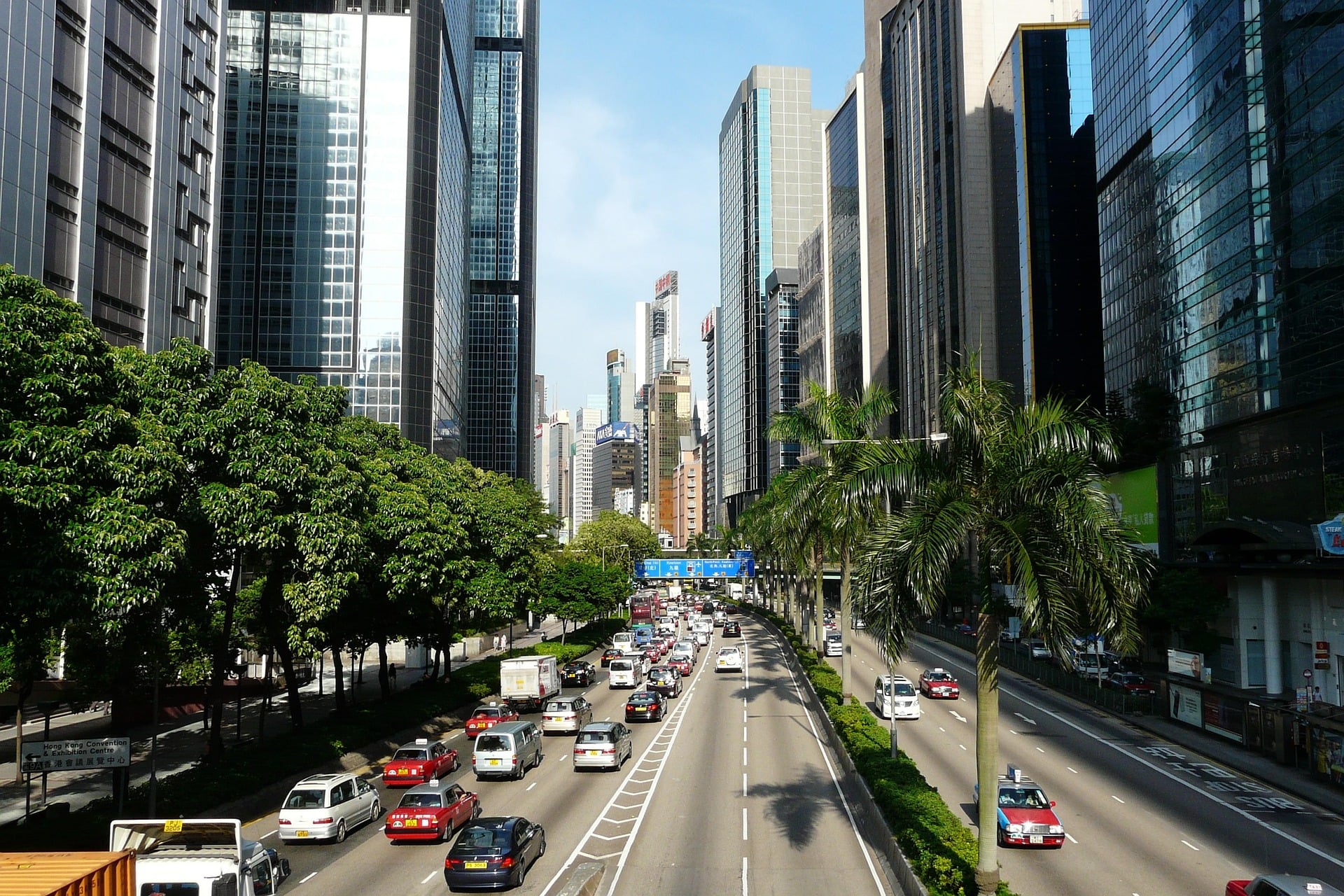
As inflation bites worldwide, a new ranking reveals the cities where simply getting by now costs a small fortune.
Curiosity about the cost of living often leads us to wonder just how far our paychecks would stretch in different corners of the globe. With inflation tightening its grip globally, the price of essentials like housing, transport, and even a simple morning espresso has skyrocketed in major metropolitan hubs. For many American families, watching these financial trends offers a fascinating, if somewhat shocking, glimpse into the global economy. Learn more.
12 Most Tourist-Friendly Cities Around the World

Data from Statista shows that Istanbul welcomed over 20 million international visitors in 2023 and London nearly 19 million, yet newer traveler surveys suggest the cities people remember most are the ones where locals actively help, smile, and make strangers feel at home.
When it comes to travel, some cities go above and beyond to make visitors feel welcome and comfortable. Whether it’s their easy public transport, friendly locals, or top-tier hospitality, these cities stand out as tourist-friendly destinations. Learn more.





