

Cancer risk rarely depends on a single food like rice or meat; overall dietary patterns, processing, and preparation matter far more. Over 3.5 billion people rely on rice for at least 20% of their daily calories, especially in Asia, where cancer rates have historically been lower than in many Western countries. This population-level context shows that rice itself is not inherently carcinogenic.
The National Library of Medicine links processed meats and high intakes of certain red meats to increased cancer risk, especially colorectal cancer. However, it does not suggest that simply eliminating rice or meat guarantees protection. Mediterranean and healthful plant-based dietary patterns reduce cancer incidence and mortality without fully excluding either food.
This highlights that fiber intake, whole-grain substitution, reduced processing, and cooking methods matter more than blanket avoidance.
Rice: Staple Food or Silent Risk?

Rice is a foundational food for billions, and its cancer relationship is nuanced rather than inherently harmful. Prospective studies, including those in Japanese American populations, show no overall link between white rice intake and colorectal cancer. Some subgroups even show a lower risk. These findings reinforce that rice functions primarily as a neutral energy source within broader dietary contexts.
Concerns arise mainly from arsenic exposure and overreliance on refined white rice. The National Library of Medicine reports that brown rice has higher inorganic arsenic than white rice, with no clear safe threshold, leading to recommendations to vary grains.
Higher whole-grain intake overall is linked to lower total cancer mortality and reduced colon cancer risk. This suggests that moderation, grain diversity, and attention to exposure are more evidence-based strategies than total rice avoidance.
Meat: The Type and Processing Matter
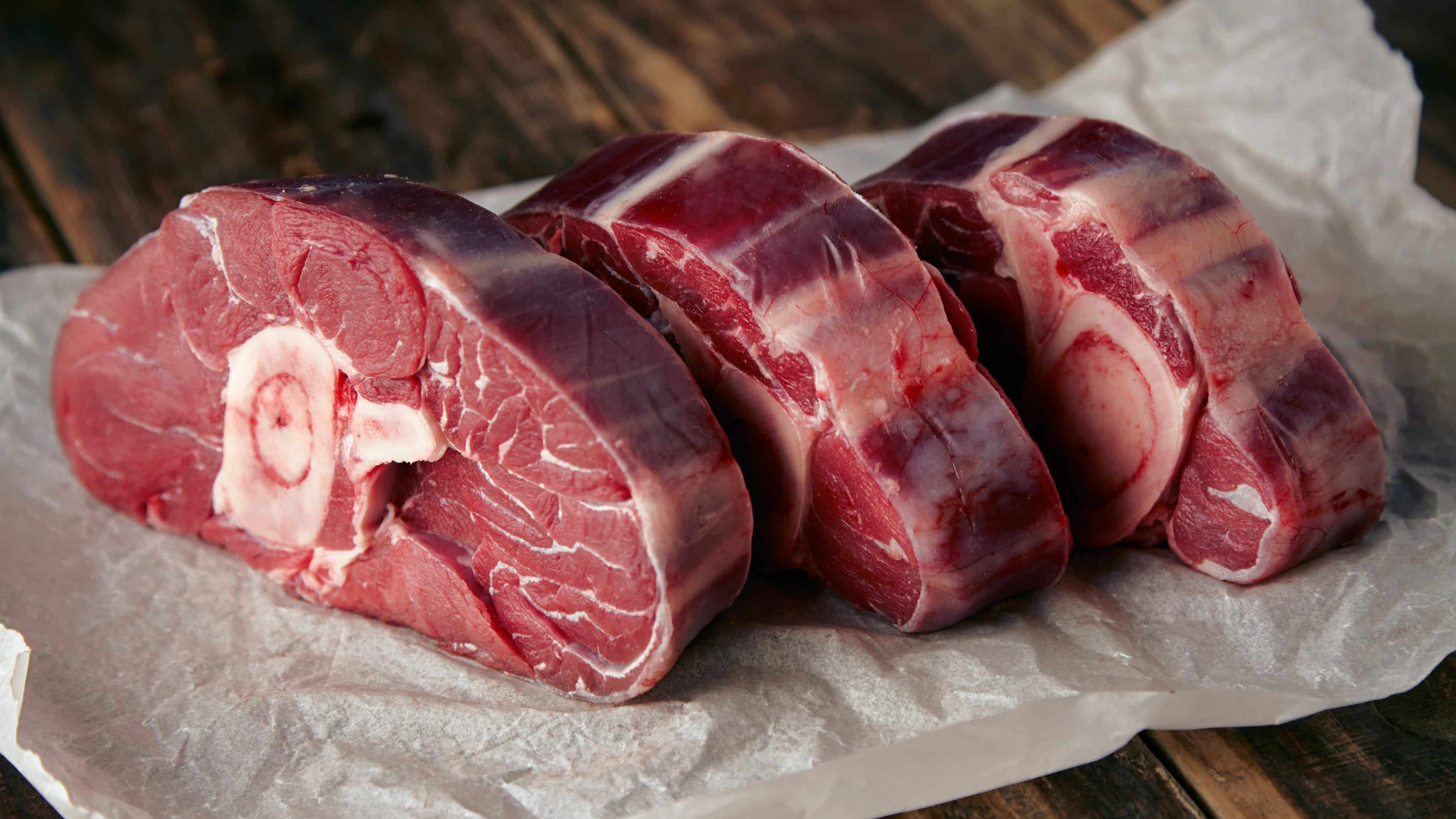
Meat’s cancer risk depends heavily on processing, quantity, and cooking method. The International Agency for Research on Cancer classifies processed meat as carcinogenic and estimates an 18% increase in colorectal cancer risk per 50 g consumed daily. High red meat intake is also associated with significantly higher colorectal and lung cancer risk in dose–response analyses.
Cooking methods add another layer of risk, as high-temperature grilling or frying forms heterocyclic amines and polycyclic aromatic hydrocarbons that can damage DNA. In contrast, moderate intake of unprocessed poultry and fish (particularly within Mediterranean-style patterns) tends to show neutral or protective associations.
These findings support reducing processed and heavily charred meats rather than eliminating all animal protein.
Does Avoidance Automatically Reduce Risk?
Avoiding rice and meat does not automatically lower cancer risk, because benefits depend on what replaces them. The National Library of Medicine reports that replacing refined grains with whole grains lowers total and colon cancer mortality, favoring strategic swaps over exclusion. Mediterranean dietary patterns consistently show lower cancer incidence without strict elimination of meat or rice.
Save this article
Research shows that healthful plant-based diets reduce cancer mortality, while refined, sugary plant-based patterns increase risk, especially in younger adults. Replacing rice and meat with ultra-processed alternatives can negate or even reverse potential benefits. This underscores that context, nutrient quality, and metabolic effects matter more than the absence of specific foods.
The Bigger Picture: Pattern Over Restriction
Long-term cancer risk reflects whole dietary patterns interacting with lifestyle and environmental factors rather than isolated foods. Mediterranean-style diets are rich in vegetables, fruits, legumes, whole grains, and olive oil, and low in processed meat. They are consistently linked to reduced cancer incidence and mortality, with stronger effects than most single food changes.
Evidence from plant-based diet studies mirrors this pattern: healthful plant-forward diets lower cancer mortality, while ultra-processed plant-based diets do not. Rice and meat can fit into cancer-conscious eating when portions are moderate, processing is limited, and cooking avoids heavy charring.
This reinforces that restriction without improving overall dietary quality may shift rather than reduce risk.
Key Takeaway

Avoiding rice and meat alone does not ensure lower cancer risk; overall dietary patterns, processing, and cooking methods matter more. Processed and heavily cooked meats clearly raise cancer risk, and arsenic exposure from rice warrants attention. These risks are best managed through moderation and substitution rather than elimination.
Healthful plant-based and Mediterranean-style patterns consistently lower cancer incidence and mortality, even when they include some rice and unprocessed meat. A practical, evidence-based approach focuses on reducing processed and charred meats and diversifying grains beyond refined white rice.
It also emphasizes whole plant foods and maintaining overall dietary quality to support long-term cancer protection.
Disclosure: This article was developed with the assistance of AI and was subsequently reviewed, revised, and approved by our editorial team.
Disclaimer – This list is solely the author’s opinion based on research and publicly available information. It is not intended to be professional advice.
12 Laws And Rules About Food In Other Countries

12 Laws And Rules About Food In Other Countries
Food is more than just nourishment; it’s a reflection of culture, tradition, and, in many cases, the law. Around the world, various countries have established distinct food regulations that may surprise travelers and food enthusiasts alike.
These laws reveal how deeply societies value what ends up on their plates. Here are 12 fascinating food laws and rules from around the globe that show just how diverse and sometimes unexpected our relationship with food can be.





