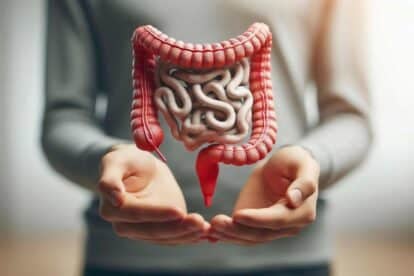
Getting older isn’t the problem; it’s how we age, and the good news is you have more control than you think.
We often view aging as a genetic lottery where some people get lucky with wrinkles and energy levels. The truth is that while genes play a role, your daily choices act as the steering wheel for how you experience your golden years. You have far more influence over your biological clock than you probably realize.
Building a strategy for longevity is not about chasing the fountain of youth or buying expensive creams. It is about adopting small, consistent behaviors that support your cells and systems over the long haul. These evidence-based habits are the practical tools you need to stay vibrant well into your later decades.
Prioritize Plant-Based Nutrition

Eating a diet rich in vegetables, fruits, and whole grains provides the fuel your body needs to repair itself daily. The Mediterranean diet, in particular, has been repeatedly hailed as the gold standard for longevity and disease prevention. Your plate should look like a colorful garden rather than a beige landscape of processed foods.
The impact of this eating style on mortality is supported by rigorous scientific investigation. A landmark study published in the New England Journal of Medicine found that a Mediterranean diet supplemented with extra-virgin olive oil or nuts reduced the risk of major cardiovascular events by approximately 30 percent. Feeding your body high-quality ingredients is the most direct way to lower your risk of heart disease.
Maintain Strong Social Connections

Loneliness is a silent killer that can degrade your health just as fast as a poor diet or lack of exercise. Having a tight circle of friends and family provides an emotional buffer against the stresses of life. Your weekly coffee date is actually a medical intervention for your long-term health.
The danger of isolation is not just a feeling; it is a measurable physiological risk. A meta-analysis conducted by researchers at Brigham Young University determined that lacking social connections carries a health risk equivalent to smoking 15 cigarettes a day. Invest in your friendships with the same intensity that you invest in your retirement account.
Engage In Regular Strength Training

As we age, we naturally lose muscle mass in a process called sarcopenia, which leads to frailty and falls. Lifting weights or doing bodyweight exercises signals your body to hold onto that precious muscle tissue. You do not need to become a bodybuilder, but you do need to be strong enough to carry your own groceries.
Resistance training also improves bone density, which is critical for preventing fractures later in life. It keeps your metabolism firing and helps manage blood sugar levels effectively. Building strength acts as a suit of armor that protects your skeleton from the wear and tear of aging.
Prioritize Quality Sleep

Sleep is when your brain takes out the trash, flushing out toxins that accumulate during the day. Skimping on rest prevents this cleaning process and leaves you vulnerable to cognitive decline. Treating sleep as a luxury rather than a biological necessity is a dangerous game.
The connection between sleep and brain health is becoming increasingly clear to researchers. A study funded by the National Institutes of Health found that beta-amyloid, a protein associated with Alzheimer’s disease, increased by 5 percent in the brains of participants after losing just one night of sleep. Protecting your eight hours is essentially safeguarding your memories.
Challenge Your Brain Constantly

Your brain is like a muscle that will atrophy if you do not give it new problems to solve. Learning a new language or picking up a musical instrument builds cognitive reserve, which helps buffer against dementia. You should never stop being a student if you want to keep your mind sharp.
Passive activities like watching TV do not provide the stimulation required to spark neuroplasticity. You need to engage in activities that force you to think, focus, and adapt to new information. The discomfort of learning something hard is actually your brain building new connections.
Protect Your Skin From The Sun

UV radiation is the primary cause of premature skin aging, leading to wrinkles, spots, and a leathery texture. Wearing sunscreen daily is the single most effective anti-aging product you can buy, regardless of price point. Your skin is your body’s shield, and the sun is constantly trying to penetrate it.
The damage from the sun is cumulative, meaning every burn adds up over the decades. Covering up and using SPF prevent the DNA damage that eventually leads to skin cancer. Applying sunscreen is a five-second habit that saves you from years of dermatological regret.
Manage Chronic Stress

Save this article
Living in a state of constant high alert floods your body with cortisol, which breaks down tissues and accelerates aging. Finding healthy ways to decompress, like meditation or deep breathing, is essential for preserving your cells. You cannot eliminate stress, but you must change how your body physically reacts to it.
The biological impact of stress reaches deep into the body, affecting even our cells. High levels of stress are associated with changes linked to aging, while calming the mind supports healthier cellular function. Managing stress can play an essential role in supporting long-term health.
Practice Conscientious Dental Care

Your mouth is the gateway to your body, and gum disease causes systemic inflammation that affects your heart and brain. Brushing and flossing are not just about white teeth; they are about keeping bacteria out of your bloodstream. Ignoring your gums allows a silent infection to simmer in your body for years.
The link between oral health and overall longevity is surprisingly strong. Bacteria from the mouth have been found in arterial plaque and in the brains of Alzheimer’s patients. Your toothbrush is a frontline defense tool against major systemic diseases.
Limit Alcohol Intake

While a glass of wine might seem relaxing, alcohol is a neurotoxin that damages brain cells and strains the liver. As we age, our bodies become less efficient at processing alcohol, making the hangovers and health effects worse. Cutting back on drinking preserves your brain volume and improves your sleep quality.
Heavy drinking accelerates cognitive decline and increases the risk of various cancers. It is often easier to maintain a healthy weight and clear skin when you reduce your intake. Sobriety or moderation is a powerful hack for looking and feeling younger.
Do Not Smoke

Smoking is the fastest way to age your organs and your appearance simultaneously. It restricts blood flow to the skin and lungs, robbing your cells of the oxygen they need to thrive. Quitting is the single most impactful thing you can do to stop the aging process in its tracks.
The life expectancy gap between smokers and non-smokers is undeniable. According to the Centers for Disease Control and Prevention, the life expectancy for smokers is at least 10 years shorter than for non-smokers. Giving up cigarettes can save you a decade of life to enjoy with your family.
Embrace A Purpose

Having a reason to get up in the morning is associated with lower mortality and better mental health. Whether it is volunteering, gardening, or caring for grandchildren, purpose fuels the will to live. Retirement should be a shift in focus, not an end to your contribution to the world.
People with a strong sense of direction tend to take better care of themselves because they have something to live for. It gives structure to the day and prevents the depression that often accompanies aging. A meaningful life is usually a longer life because you are motivated to stick around.
Key Takeaway
Aging is an inevitable part of the human experience, but the quality of that journey is mainly up to us. We often underestimate the power of the simple choices we make at the breakfast table or in the gym. By adopting these evidence-based habits, you are actively building a vibrant, full-of-possibilities future.
You do not need to overhaul your entire life overnight to see the benefits of these changes. Start with one or two habits and let the momentum build as you feel the difference in your energy. Your body is an investment account, and it is never too late to start making better deposits.
Disclaimer: This list is solely the author’s opinion based on research and publicly available information. It is not intended to be professional advice.
Disclosure: This article was developed with the assistance of AI and was subsequently reviewed, revised, and approved by our editorial team.
Like our content? Be sure to follow us.
14 Boomer Habits That Are Making a Comeback
14 Boomer Habits That Are Making a Comeback
As trends in lifestyle and culture ebb and flow, certain habits from previous generations resurface, influencing new generations in unexpected ways. The boomer generation is now seeing many of its beloved practices and preferences re-emerge, often taking on a modern twist that appeals to today’s youth.
These 14 resurgent boomer habits reflect nostalgia and a growing appreciation for simplicity and authenticity in an increasingly changing world.