

For most of human history, fermentation was a quiet necessity — a way to keep milk from spoiling, cabbage from rotting, grains from wasting away. Somewhere along the way, it became a lifestyle signal, then a punchline, then a supermarket aisle crowded with kombucha cans promising enlightenment in 12 ounces.
Over the past decade, scientists have begun treating foods like yogurt, kefir, kimchi, and tempeh not as culinary curiosities, but as biological actors. In controlled trials, people who ate more fermented foods didn’t just feel better; their gut microbiomes measurably changed.
One closely watched Stanford study found that a diet rich in fermented foods increased microbial diversity and lowered markers of inflammation in just ten weeks — effects that fiber alone did not replicate.
Adding these foods to your diet is a tasty way to build a personal army of good bacteria.
Yogurt

Everyone knows this creamy staple is the classic choice for a quick breakfast or a healthy snack. However, you have to be careful in the dairy aisle because many brands are just milk-flavored sugar bombs that do more harm than good. You need to look specifically for the words “live active cultures” on the label to get the real benefits.
Some serious numbers back the impact of this simple food on your long-term health. A meta-analysis found that daily yogurt intake was associated with a 28% lower risk of developing type 2 diabetes. Swapping your morning donut for a bowl of plain Greek yogurt is a small change with massive potential.
Kefir
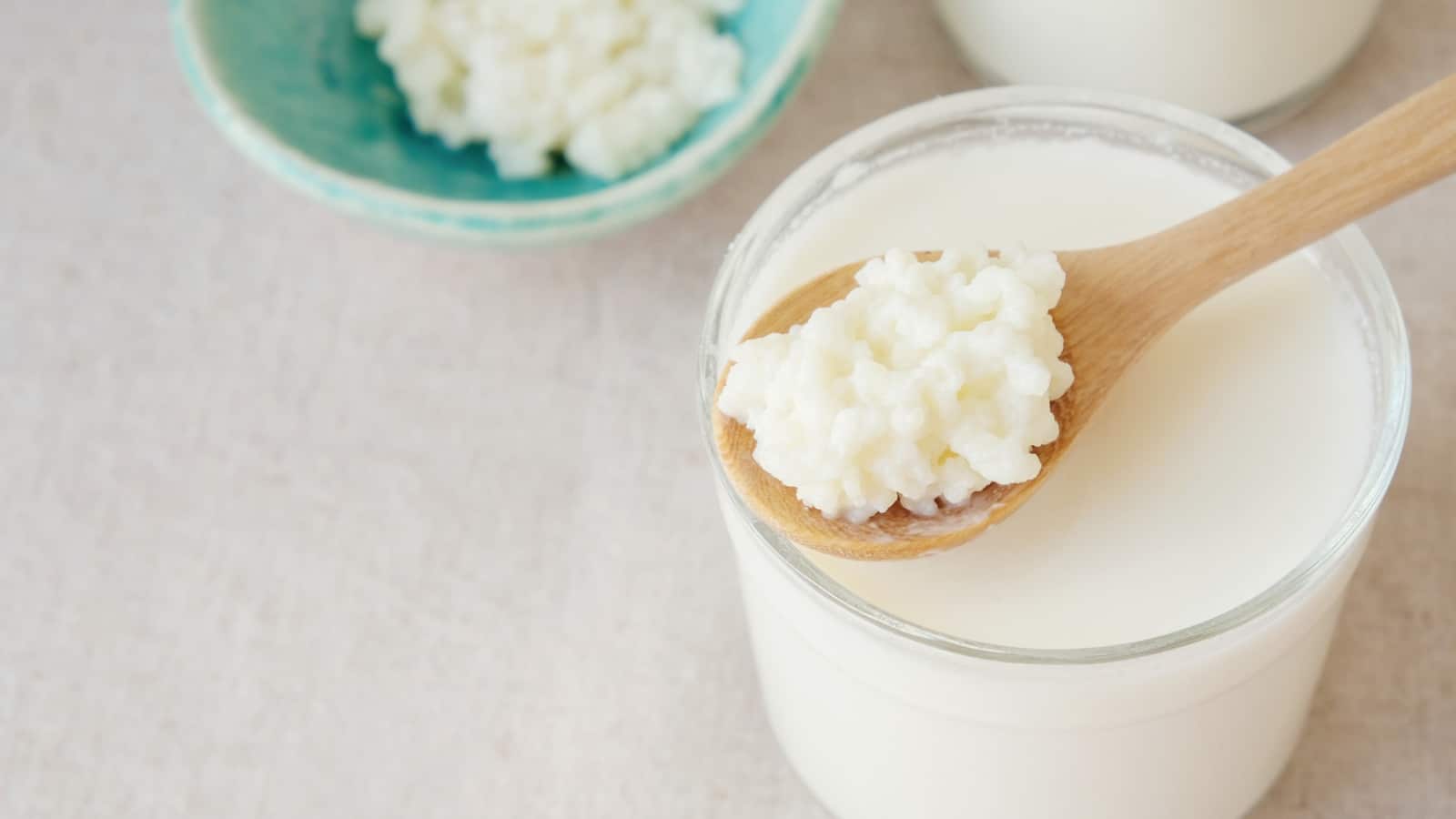
If yogurt had a cooler, more potent cousin, it would be this tangy, drinkable milk that originated in the Caucasus Mountains. It has a thinner consistency, making it perfect for smoothies or drinking straight from the glass. It packs a much bigger probiotic punch than standard yogurt, making it a heavy hitter for gut health.
While yogurt typically contains just a few bacterial strains, kefir is a microbial metropolis. Research indicates that kefir grains can contain over 50 different species of probiotic organisms, offering a far more diverse range of bacteria and yeasts than standard dairy products. Drinking this tart beverage introduces a wide variety of helpful guests to your microbiome party.
Sauerkraut

This fermented cabbage dish is often relegated to being a hot dog topping, but it deserves a spot on your daily plate. The salty, sour crunch is the result of lactic acid bacteria working hard to preserve the vegetable without any heat. You must buy the raw, unpasteurized kind from the refrigerated section because heat kills the good bacteria.
You do not need to eat a mountain of cabbage to get the probiotic effects you are looking for. A study published in Functional Foods in Health and Disease found that even a two-tbsp serving of sauerkraut can contain around 1.5 million colony-forming units (CFUs) of live bacteria. A small side serving delivers a potent dose of gut-supporting benefits with minimal effort.
Kimchi
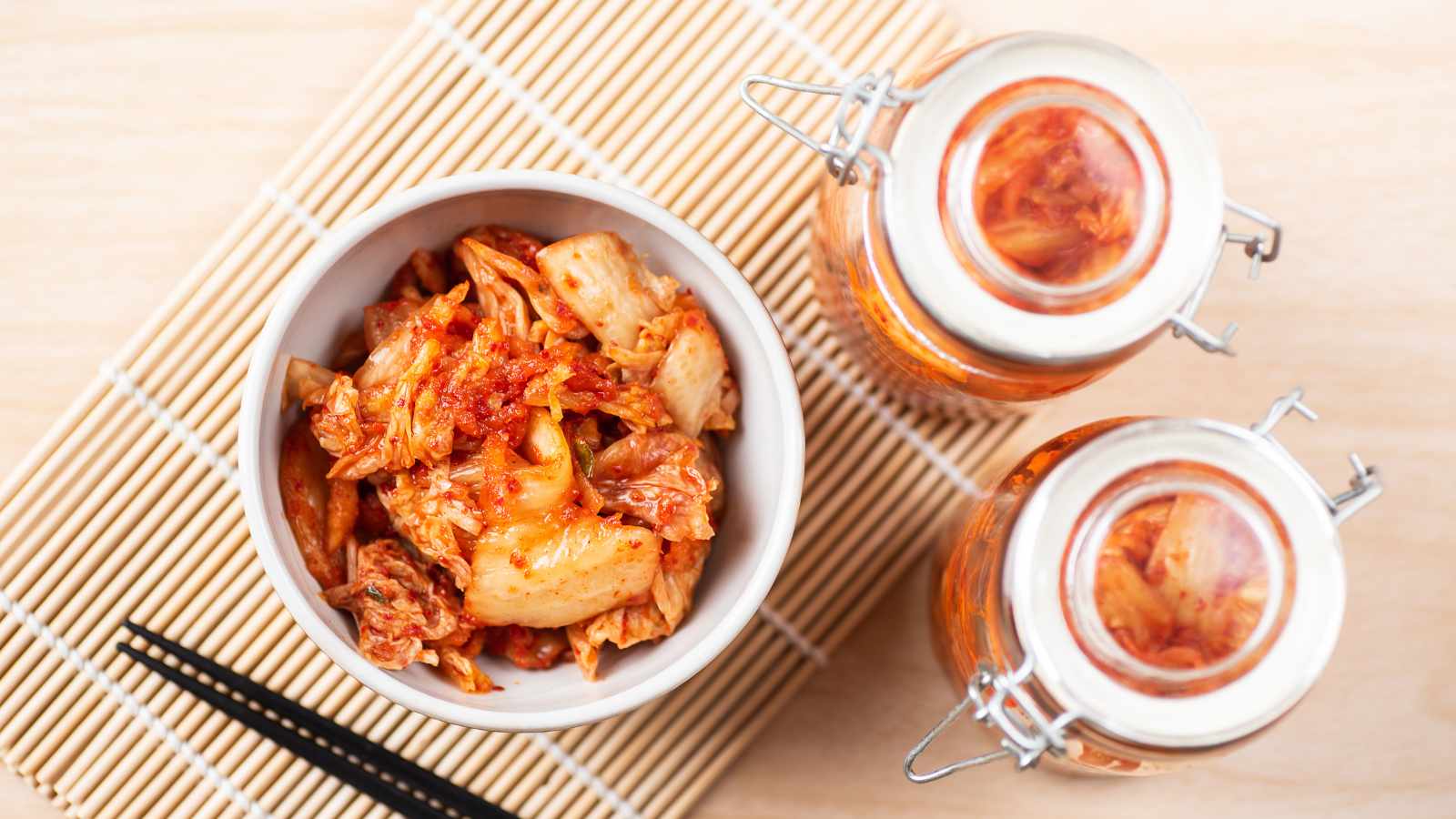
This Korean staple takes fermented cabbage to a new level with garlic, ginger, and chili peppers. It offers a spicy kick that wakes up your palate while delivering the same probiotic benefits as its German cousin. It is an addictive way to add heat and health to everything from fried rice to scrambled eggs.
The benefits of this spicy side dish extend beyond digestion to overall metabolic health. A review of observational studies published in Nutrients found that regular kimchi consumption was associated with a reduced risk of obesity and improved metabolic markers. Eating this spicy condiment might help your waistline just as much as it helps your stomach.
Miso

You probably know this salty paste from the soup served at your favorite sushi restaurant. It is made from fermented soybeans and a mold starter called koji that creates a deep, savory flavor known as umami. This paste is a flavor bomb that instantly adds depth to soups, dressings, and marinades.
The fermentation process breaks down the soybeans, making the nutrients much easier for your body to absorb. You should be careful not to boil miso soup, as the high heat destroys the living probiotics you are trying to consume. Adding the paste at the very end of cooking preserves the delicate bacteria that your gut craves.
Tempeh

Tofu usually gets all the attention, but tempeh is the nuttier, more textured option for plant-based protein. It is a solid block of fermented soybeans that holds its shape well in stir-fries and sandwiches. The fermentation process binds the beans together, creating a firm texture that is very satisfying to eat.
Unlike tofu, which is soft and processed, tempeh uses the whole bean. This means you get a high fiber content that acts as a prebiotic, feeding the good bacteria already living in your gut. It is a double-duty food that provides protein for you and food for your microbiome.
Kombucha

This fizzy, fermented tea has gone from a hippie health store oddity to a mainstream beverage you can buy at gas stations. It is made using a SCOBY (Symbiotic Culture Of Bacteria and Yeast) that eats sugar and creates a tart, bubbly drink. It is a fantastic alternative to soda if you crave carbonation but want to avoid high fructose corn syrup.
Recent clinical trials have started to verify what enthusiasts have claimed for years about this funky tea. A study published in Current Research in Food Science showed that consuming kombucha with fiber significantly increased beneficial Bifidobacterium and decreased inflammatory bacteria in the gut. Sipping this tea is a gentle way to nudge your gut bacteria in the right direction.
Pickles

Not every pickle on the burger shelf counts as a fermented food, so you have to choose wisely. Most commercial pickles are just cucumbers soaked in vinegar, which gives the sour taste but none of the probiotic benefits. You are looking for “lacto-fermented” pickles that are usually sold in the refrigerated section of the grocery store.
These salty snacks are fermented in a saltwater brine that allows good bacteria to flourish. They are rich in electrolytes and enzymes that can aid digestion after a heavy meal. Checking the label for “live cultures” ensures you are getting a health boost along with your crunch.
Key Takeaway

Fixing your gut health does not mean you have to overhaul your entire life or spend a fortune on supplements. It is about integrating these potent foods into the meals you are already eating. Start small by adding a spoonful of sauerkraut to your lunch or drinking a glass of kefir in the morning.
Consistency is the real secret to building a robust microbiome that works for you. These bacteria need regular reinforcements to survive and thrive in your system. Treat these foods as daily maintenance for your body, and your stomach will thank you for the support.
Disclaimer: This list is solely the author’s opinion based on research and publicly available information. It is not intended to be professional advice.
Disclosure: This article was developed with the assistance of AI and was subsequently reviewed, revised, and approved by our editorial team.
How Coffee and Adaptogens Can Boost Sexual Vitality

How Coffee and Adaptogens Can Boost Sexual Vitality
In recent years, many men in their 30s, 40s, and beyond have grown skeptical of pharmaceutical shortcuts and turned to natural or functional supplements to support vitality and sexual health. Among them, coffee and adaptogenic herbs have gained popularity as components of “biohacked” routines, as seen on 360iResearch.
The hypothesis behind combining coffee and adaptogens is that caffeine provides acute energy and vascular support, while adaptogens modulate stress responses and stabilize hormone levels over time.