Air travel has become more stressful for crews in recent years, and flight attendants say passenger behavior is a major reason. According to data from the Federal Aviation Administration, thousands of unruly passenger incidents are still reported each year, with over 2,000 cases recorded in 2024 alone. Levels remain roughly double what they were before the pandemic.
Even more striking, surveys have found that as many as 85 percent of flight attendants have dealt with disruptive passengers during flights. Behind those numbers are daily experiences that many travelers never see. Flight attendants report dealing with everything from verbal abuse to passengers ignoring safety instructions or becoming aggressive mid-flight.
What makes the situation more challenging is that these incidents often happen in confined spaces where tensions can escalate quickly. As a result, many crew members say the job now involves not just service, but constant vigilance and conflict management in an environment that feels more unpredictable than ever.
Verbal abuse has become a daily background noise

The Association of Flight Attendants‑CWA surveyed nearly 5,000 U.S. flight attendants in mid 2021. Eighty-five percent said they had dealt with an unruly passenger that year.
Fifty-eight percent said they had experienced at least five incidents. One in five flights, for many, now comes with a side of hostility.
ABC News, reporting on the same survey, quoted one attendant. “I’ve been yelled at, cursed at, and threatened countless times in the last year,” she wrote. 71% of attendees who filed reports with their airline said they received no follow-up.
Verbal abuse, in that kind of climate, starts to feel like part of the job description.
Physical assaults are still rare, but not rare enough
Most passengers do not get physical. The ones who do leave marks. In the AFA survey, 17 percent of flight attendants reported at least one incident where passenger behavior became physical. That is nearly one in five crew members.
Internationally, IATA data show that physical abuse incidents remain rare per flight. They are increasing. IATA says physical confrontations rose by about 61 percent from 2021 to 2022 and occurred once every 17,200 flights.
For attendants, that abstract rate translates into real colleagues who lose teeth, need medical care, or develop anxiety about walking down an aisle.
Refusing crew instructions is now the most common offense

The stereotype is thrown drinks and midair fights. The reality is quieter. IATA’s 2023 fact sheet says the most frequent unruly behavior category is “non-compliance with crew instruction.” That includes refusing to sit down, ignoring seatbelt signs, and arguing about carry-on baggage.
Verbal and physical abuse are also growing subcategories. In practical terms, that means flight attendants spend more time repeating basic safety requests to distracted or defiant passengers.
Every small refusal widens the gap between the safety briefing and reality. It also raises the temperature in a cabin already under stress.
The pandemic was a breaking point, not a one-off
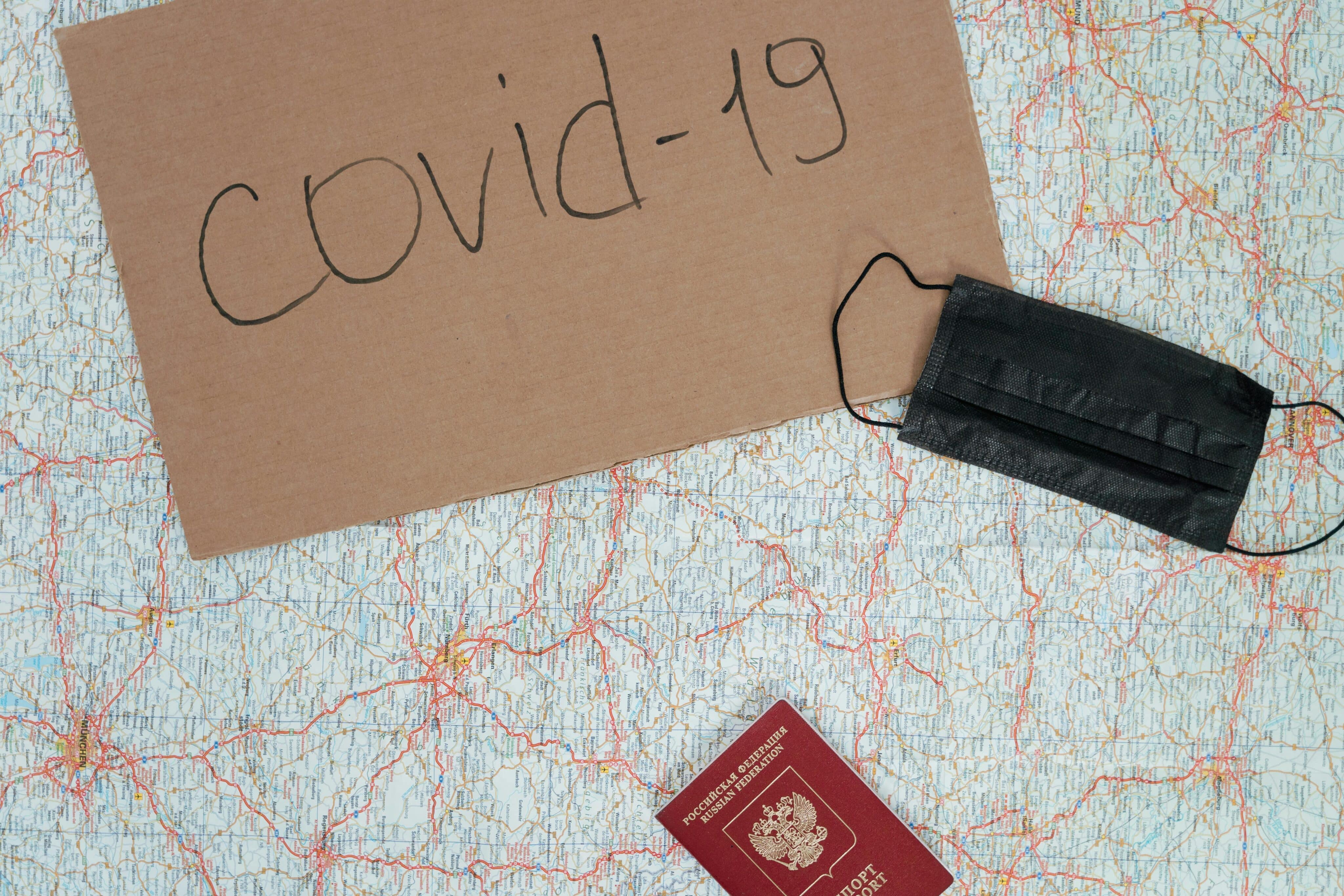
In 2021, the FAA called the spike in unruly passengers “significantly higher” than usual. That year saw nearly 6,000 reports. Masks were a flashpoint. Many outbursts came from passengers refusing to comply with federal mask mandates.
The agency responded with a “zero tolerance” policy. It stopped issuing warning letters and moved straight to enforcement. Even now, FAA Administrator Mike Whitaker says, “there’s absolutely no excuse for unruly behavior,” and emphasizes that the policy will continue. From the crew’s perspective, the underlying entitlement that surfaced during the mask era did not vanish when masks did.
Unruly incidents are lower than in 2021, but still well above pre-COVID levels

By 2023 and 2024, the worst mask fights had faded. The baseline did not return to 2019. FAA data shows that there were 2,075 reports of unruly passengers in 2023.
That is about double the 2019 total. In 2024, the FAA logged 2,102 unruly passenger incidents.
Simple Flying notes that 2024’s count was up 1 percent from 2023. The FAA initiated 512 investigations and 402 enforcement actions that year. It levied 7.5 million dollars in fines against disruptive travelers.
For flight attendants, “better than 2021” is faint comfort when the job still involves handling one enraged customer every few flights.
On a per-flight basis, the trend is still going the wrong way

Save this article
IATA measures unruly behavior by flights, not just by counts. Its data show that in 2021, there was one reported unruly incident for every 835 flights. In 2022, that rose to 1 in 568 flights. In 2023, it climbed further to one incident per 480 flights.
That means airlines have been dealing with a higher frequency of disruptive behavior even as pandemic restrictions eased. Most flights remain uneventful. Enough, do not.
For crews flying several legs a day, the odds of encountering a disruptive passenger in any given week are no longer negligible. They are routine.
Alcohol is still a major accelerant

Regulators and unions consistently point to alcohol as a factor. IATA lists intoxication as one of the three most common descriptors in unruly behavior reports, alongside non-compliance and verbal harassment. Many high-profile incidents involve passengers who drank heavily before boarding or combined in-flight drinks with medication.
After a Southwest flight attendant lost two teeth in a passenger assault in 2021, the airline temporarily suspended alcohol service. Other carriers tightened gate area drinking policies. Flight attendants report that some of the worst confrontations still start with someone who is not just angry, but impaired.
Flight attendants say management’s response often feels inadequate

The AFA survey did not only measure passenger behavior. It measured what happened after. Seventy-one percent of surveyed flight attendants said that when they filed incident reports with airline management, they received no follow-up. A majority said they did not see meaningful efforts from employers to address unruly behavior.
One anonymous attendant told ABC News that the “most” she had seen come from repeated abuse incidents was a temporary suspension of travel for the passenger. She argued that “real consequences” were needed for the crew to feel safe. That gap between frontline experience and institutional response is part of the daily frustration.
The FAA has turned more cases into law enforcement matters
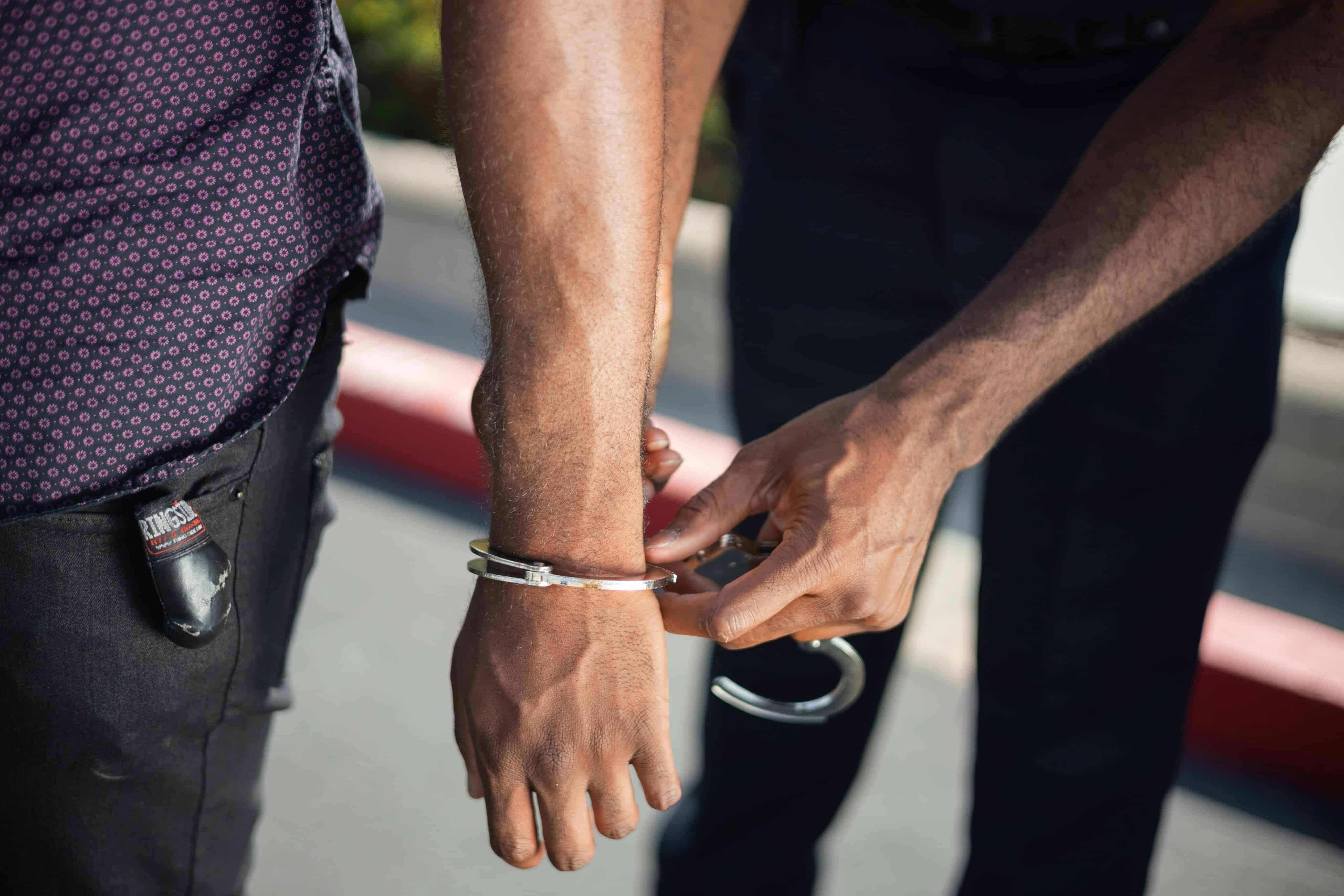
The zero-tolerance stance shows up in criminal referrals. The Los Angeles Times reports that from 2021 through mid 2024, the FAA referred more than 310 cases of abusive, unruly passengers to the FBI for criminal prosecution. Forty-three such cases went to the FBI in 2024 alone.
The FAA can impose civil fines of up to $ 37,000 per violation and is empowered to refer egregious cases to the appropriate authorities for felony charges. In 2023, it pursued 407 law enforcement actions.
These numbers are small next to the total passenger volume. They are large enough that flight attendants now see law enforcement as a regular part of cabin life, not an exception.
Global safety metrics are up, even as cabin civility slides

There is an irony here. IATA’s 2023 Annual Safety Report calls 2023 the “safest year for flying” by several parameters. The accident rate was 0.80 per million flights. That is one accident for every 1.26 million flights, the lowest rate in over a decade. There were no fatal jet accidents among IATA member airlines that year.
So the metal tube has never been safer. The humans inside feel more volatile. Flight attendants now navigate an environment where technological margins of safety are high, but emotional margins are thin. Managing passenger conduct has become as central to their day as seatbelts and doors.
Fearful passengers add another layer of volatility

Not every difficult passenger is aggressive. Some are terrified. Business Insider spoke with U.S. flight attendants who said passengers are both “more unruly and more scared” to fly.
Crew members described people sobbing over turbulence, panicking over delays, and lashing out when they felt trapped. The FAA notes that air travel has returned to, and sometimes exceeded, pre-pandemic volumes. Crowded airports and complex schedules amplify stress.
Flight attendants find themselves acting as therapists, de-escalation experts, and grief counselors while still running service. That emotional load compounds the impact of the truly abusive passengers.
For the crew, this is not just news. It is a workplace climate
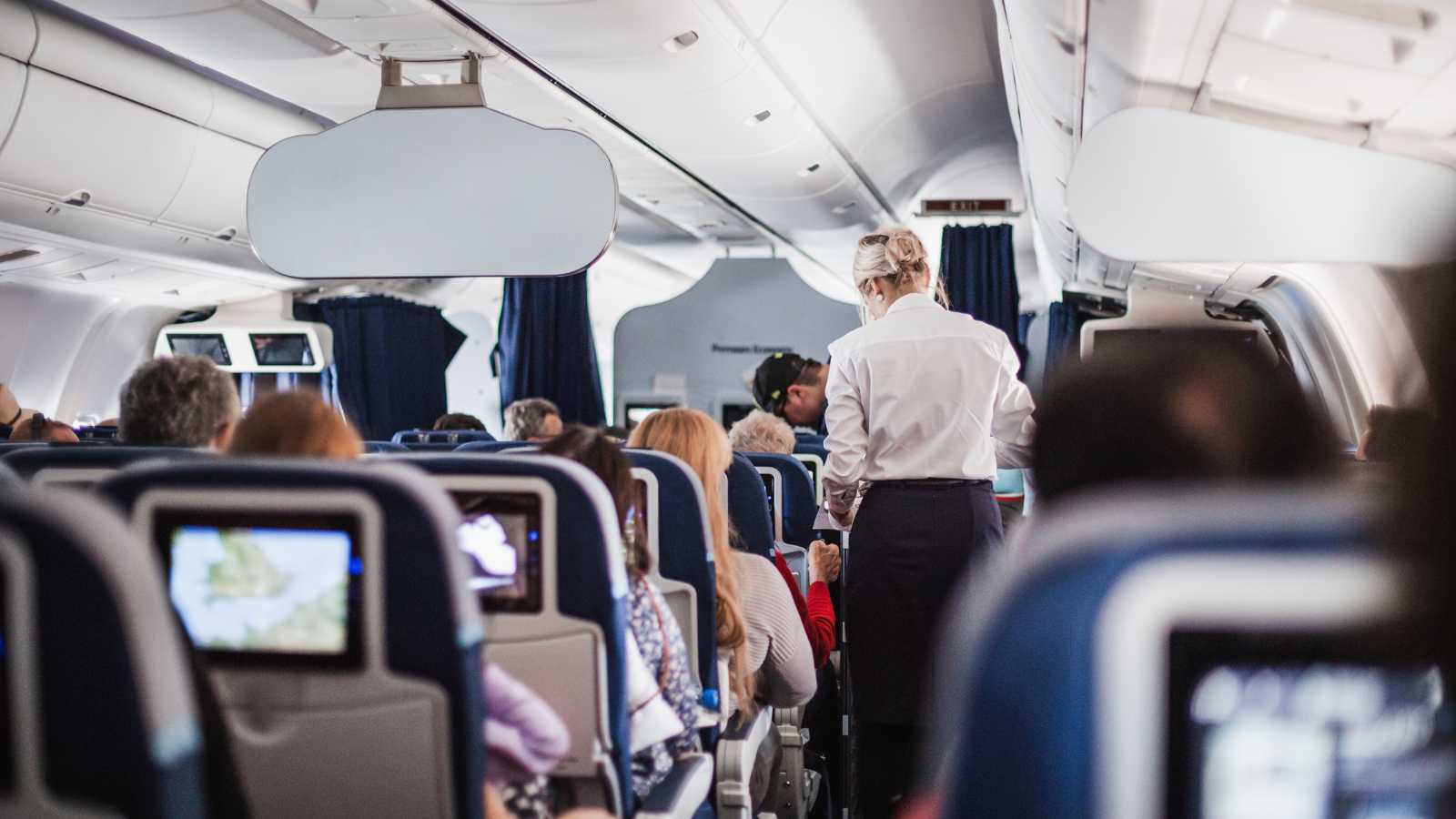
From the outside, viral “air rage” clips can look like isolated chaos. From the jumpseat, they add up. AFA’s survey captured that accumulation. Eighty-five percent are dealing with unruly passengers. Seventeen percent are experiencing physical incidents. Most receive little visible follow-up from employers.
Regulators like the FAA and groups like IATA are tightening rules and urging prosecution. Flight attendants are asking for something simpler, too. That passengers remember the cabin is their workplace. Not just a streaming venue at 35,000 feet.
Disclaimer – This list is solely the author’s opinion based on research and publicly available information. It is not intended to be professional advice.
Like our content? Be sure to follow us