

Grocery bills are climbing faster than paychecks, and the squeeze is hitting nearly every household.
If you’ve felt like your grocery bag got lighter for the same bill lately, you’re not imagining it. Food‑at‑home prices rose by 2.7 % from August 2024 to August 2025, according to the U.S. Department of Agriculture Economic Research Service. This spike, while not as dramatic as earlier years, cuts into what you can allocate for your savings or emergency fund, especially if you’ve already got debt or credit card obligations.
Shopping trips that used to feel routine now demand more juggling of bargains and item swaps. Here are ten key reasons you’re paying more than you expected at checkout, and see how each reason affects your budget.
Corporate Pricing Power Keeps Margins High

Even when raw costs drop, not all price relief reaches the shelf. Companies often maintain markups despite improvements in costs, meaning your grocery store may be capturing more of your dollar than you realized. It’s like buying the same product and paying more—not because of cost, but because someone decided they could.
Your budget doesn’t care about corporate strategy; it just cares when you’re spending more than you planned. When prices stay high even though costs fall, it can feel frustrating. Ultimately, it’s a hit to your pocketbook, and it’s hard to adjust when these decisions are out of your control.
Eggs Remain a Price Shock Story
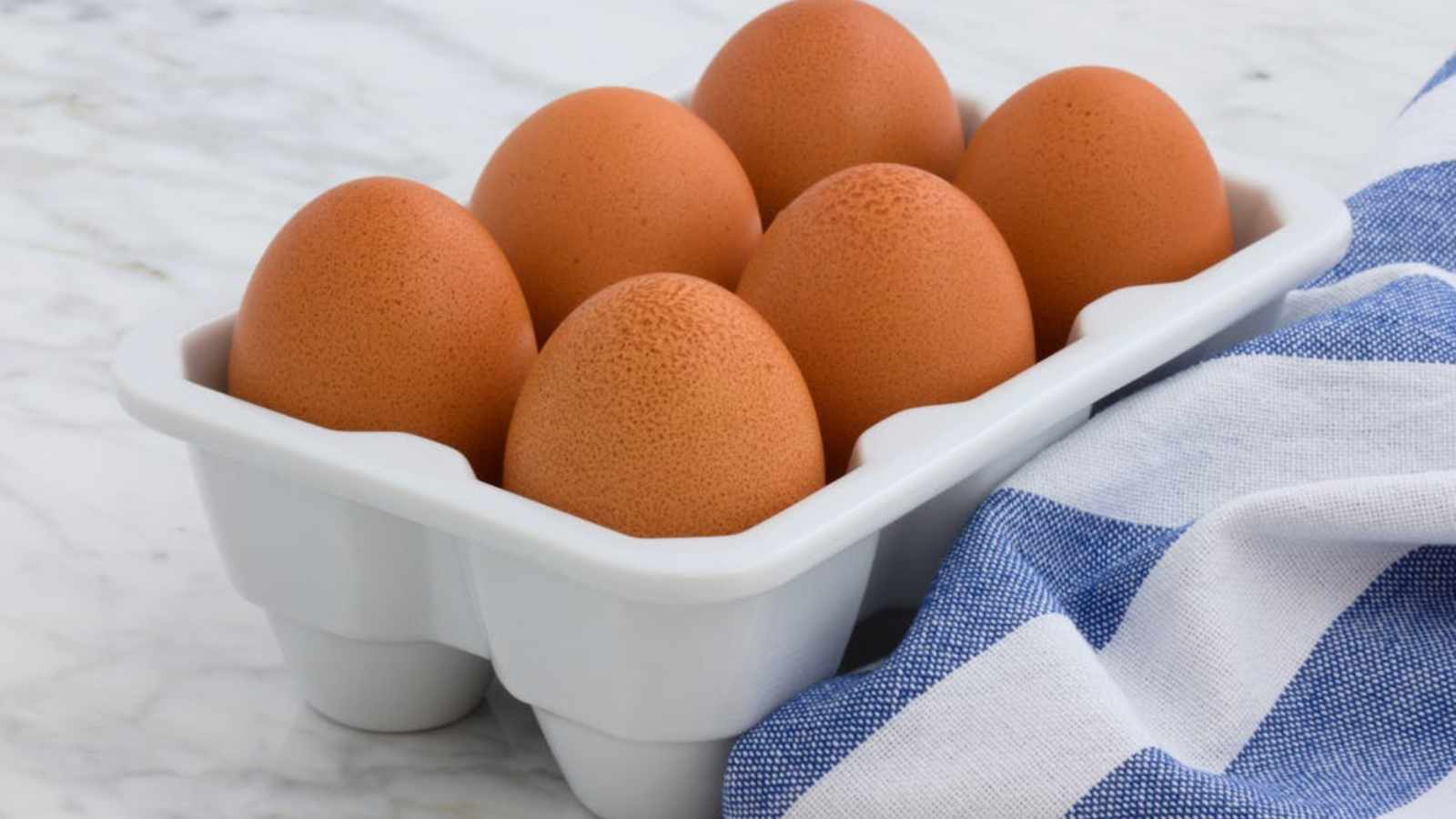
Egg prices have been on a roller‑coaster lately, and you felt it at the breakfast table. In January 2025, the average cost of a dozen eggs hit $4.95, up 96 % from a year earlier, thanks in part to avian flu wiping out millions of hens. Given that eggs are a staple for many households trying to cut costs or use simple proteins, this surge adds a hidden fee when you’d rather be saving.
Even if you swap to something cheaper, that egg sticker shock influences other categories as well. When a foundational item jumps in price, shoppers might cut back on other items or switch brands, affecting overall shopping habits. That means your discretionary ‘side hustle’ of trimming food costs becomes more challenging.
Tariffs Push Up Import‑Heavy Categories

Trade policies and tariffs may sound like distant boardroom talk, but they eventually land in your grocery cart. A NerdWallet report estimates that food prices could rise by 2.6 % to 3.0 % in the short term, driven by increased tariffs on imported food. Imported fruits, vegetables, seafood, and specialty foods often carry an extra cost, which is passed on to you.
If you’ve been thinking you might “save” by buying certain exotic items, you might need to rethink that. For those trying to make every dollar count toward savings or even divert a bit to stocks or REITs, these hidden headwinds matter. You’re not just buying groceries—you’re absorbing global trade shifts.
Labor Shortages Drive Up Costs

Behind every item on the shelf is human work—from planting to processing to stocking. The Economic Research Service (USDA) reported that hired farm‑worker employment rose from about 1.07 million in 2010 to 1.18 million in 2024, but labor costs and scarcity have also grown. When fewer hands are available or wages go up, someone pays—and sadly, it’s often the shopper.
That might mean more expensive bagged salads or higher canned‑food prices as producers try to keep margins. If your budget is tight, these cost pushes force you to make trade‑offs like skipping a non‑essential item or stretching what you’d otherwise put toward savings or a dividend strategy.
Energy Costs Ripple Through the Food System

Tractors, processing plants, warehouses, refrigeration, and delivery trucks all consume energy—and when those costs climb, the effect is sneaky but real. Rising fuel and trucking costs significantly affect food price inflation. Essentially, when you hear about energy costs, it’s not just your home heating or cooling—your dinner is affected too.
So that diesel price spike you heard about two years ago shows up in the price of spinach and even canned soup. It’s one more drag on your pocketbook at a time when you might have preferred putting that extra toward your side hustle or retirement plan instead.
Logistics Bottlenecks Add Pressure

Ports, trucks, rails, and storage facilities all link up to get food to you—and when one link breaks, the cost climbs. According to Global Trade Magazine, the 28‑day average for delayed F&B deliveries hovered around 27.5 %, adding friction and costs to the supply chain. When shipping containers back up or trucks are idle, you feel the squeeze in your grocery cart.
That means your run to the market might cost you more just because the route got longer or the driver sat idle. For anyone budgeting carefully, this kind of hidden cost sneaks up fast.
Save this article
Rising Interest Rates Squeeze Producers

Higher interest rates don’t just hit your credit card—they hit farms and food companies too. Producers with heavier debt loads face greater interest costs, which can reduce their flexibility and raise their cost base. The link may be more indirect, but everything in the food ecosystem is tied together.
That means if a farmer can’t afford the same machinery, yields might drop, supply tightens, and yes, prices go up. For consumers, that’s one more reason your cost to “buy groceries” goes up rather than down.
Corporate Consolidation Limits Competition

A handful of big companies dominate many food categories, and that concentration can reduce pressure to lower prices. For example, the egg sector’s consolidation has been pointed to as part of the recent price spike—egg prices nearly doubled year over year in major cities. When fewer competitors exist, your grocery bill becomes less about cost and more about market power.
This means even if you try to shop around, the price floor you face may be artificially high. And for someone working a job and trying to free up savings, this means fewer places to trim without sacrificing essentials.
Climate Change and Extreme Events

Beyond day‑to‑day weather, the increasing frequency of extreme events is adding long‑term costs to food production. Whether it’s wildfires in California or floods in the Midwest, farmers face greater risk and costs, which are then passed on. In 2022, food‑at‑home prices rose 11.4%, driven partly by such disruptions. The result: you’re paying today for unpredictability that producers face tomorrow.
This means the grocery budget you set may need more buffer than you thought. If you’re trying to build a savings cushion or invest in an ETF, you might need to adjust your plan upward because the cost of goods just shifted.
The Impact of Global Supply Chain Disruptions

While we often think of supply chains as a behind-the-scenes issue, global disruptions have significant consequences on what you pay at checkout. The COVID-19 pandemic caused significant supply chain delays, and the ripple effect continues to affect the food industry, driving up shipping costs and creating product shortages. From factories to transport routes, these disruptions increase costs, which get passed down the line to you.
With less predictability in what foods are available and where, supermarkets adjust their prices accordingly. Whether it’s a shortage of certain fruits, meats, or packaged goods, supply chain disruptions leave you paying more for less variety. Ultimately, these challenges make it harder to plan your grocery trips and stick to your budget.
Key Takeaway

Grocery costs spiking again tells us that while we often think of inflation as a broad trend, the drivers are particular—from eggs and tariffs to energy and logistics. If you want to protect your budget or keep saving, paying attention to these factors matters. Staying aware helps you make smarter choices about where to buy, what to buy, and when to adjust your savings or emergency fund targets.
At the same time, this is a moment to take a hard look at your spending habits. Can you swap brands, adjust meals, shop seasonally, or even rethink what goes into your cart? Your budget may seem squeezed now, but you’re still in the driver’s seat.
Disclaimer: This list is solely the author’s opinion based on research and publicly available information. It is not intended to be professional advice.
Disclosure: This article was developed with the assistance of AI and was subsequently reviewed, revised, and approved by our editorial team.
Like our content? Be sure to follow us.
20 Odd American Traditions That Confuse the Rest of the World

20 Odd American Traditions That Confuse the Rest of the World
It’s no surprise that cultures worldwide have their own unique customs and traditions, but some of America’s most beloved habits can seem downright strange to outsiders.
Many American traditions may seem odd or even bizarre to people from other countries. Here are twenty of the strangest American traditions that confuse the rest of the world.





