
Misleading nutrition advice is quietly worsening symptoms for people with IBS, turning common foods into unnecessary sources of fear and restriction.
Digestive symptoms have a way of sending people down internet rabbit holes, and not always helpful ones. When you are dealing with bloating, discomfort, or unpredictable bathroom habits, it is natural to look for answers.
The problem is that nutrition advice is often oversimplified, taken out of context, or repeated so often that it starts to sound like fact. For people with IBS, which is part of a group of conditions known as Disorders of Gut-Brain Interaction (DGBI), these myths can actually make symptoms worse. Let’s take a closer look at some of the most common ones.
Myth 1: Fiber Fixes Everything
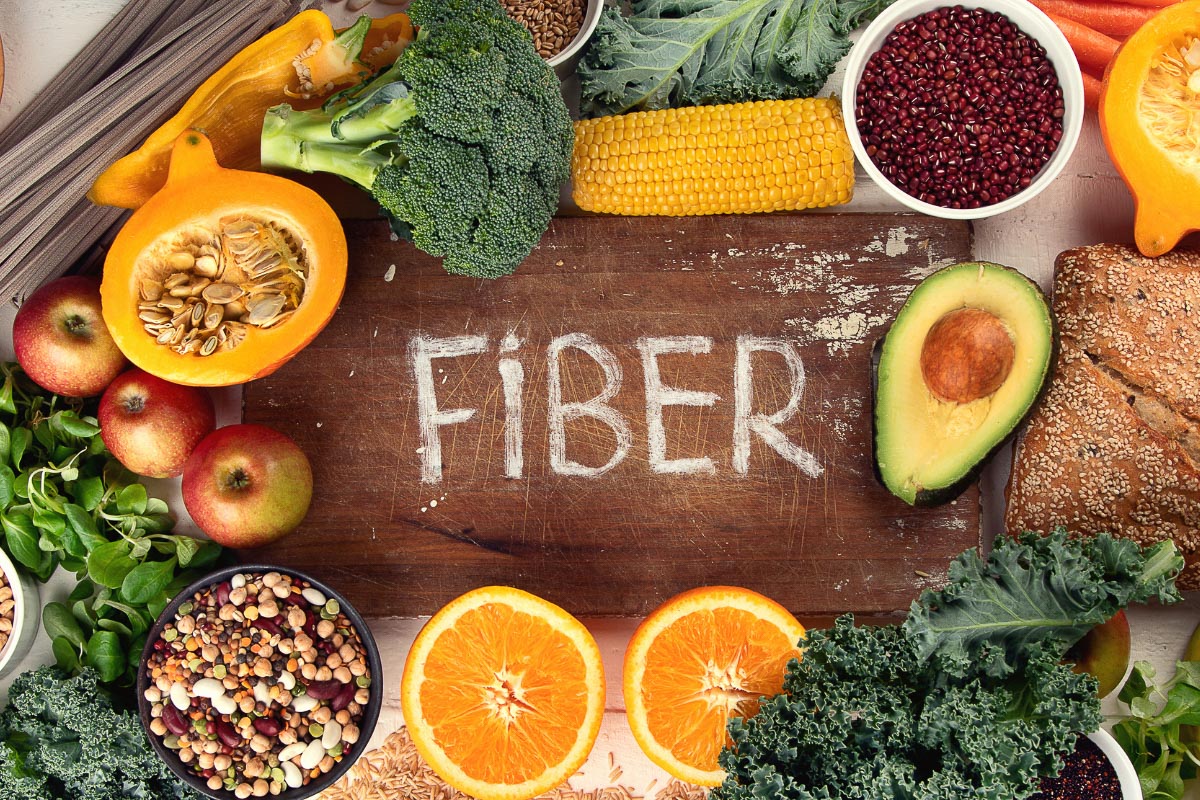
Fiber is often treated like a cure-all for digestive issues, but that is not how it works.
Different types of fiber behave very differently in the gut. Some can help regulate bowel movements, while others can increase gas production and bloating. For someone with IBS, suddenly increasing fiber intake, especially fermentable fibers, can make symptoms significantly worse.
The key is not more fiber, but the right type and amount for your body.
Myth 2: You Should Cut Out All Carbs
Carbohydrates often get blamed for bloating and digestive discomfort, leading many people to drastically reduce or eliminate them.
The reality is that certain carbohydrates, particularly fermentable ones, can trigger symptoms in some individuals. But eliminating all carbs is unnecessary and can lead to an overly restrictive diet.
A more effective approach is identifying specific triggers rather than removing an entire nutrient category.
Myth 3: Gluten Is Always the Problem
Gluten has become a common scapegoat for digestive symptoms, even among people who do not have celiac disease.
In many cases, it is not the gluten itself causing symptoms, but other components in wheat, such as certain fermentable carbohydrates. Removing gluten without understanding the underlying trigger can lead to confusion and unnecessary restriction.
It is important to distinguish between medically diagnosed conditions and symptom-based sensitivities.
Myth 4: Dairy Is Off Limits for Everyone With IBS
Dairy is often the first thing people eliminate when digestive symptoms arise.
While lactose intolerance is common, not everyone with IBS needs to avoid dairy. Some people tolerate lactose-free dairy or certain aged cheeses very well.
Blanket elimination can limit food choices without improving symptoms if dairy is not actually the trigger.
Myth 5: Raw Foods Are Always Better
Raw foods are often associated with health, but they are not always easier to digest.
In fact, raw vegetables can be harder on the digestive system for some people, particularly those with IBS. Cooking can break down fibers and make foods easier to tolerate.
If you notice symptoms after eating raw salads or vegetables, it may be worth experimenting with cooked versions instead.
Myth 6: Probiotics Will Solve the Problem
Probiotics are widely marketed as a solution for gut health, but they are not a one-size-fits-all fix.
Different strains of bacteria have different effects, and not all probiotics are beneficial for every individual. Some may even increase gas and bloating.
Save this article
Choosing a probiotic without guidance can lead to more symptoms rather than fewer.
Myth 7: You Should Avoid Fat to Prevent Symptoms
Fat is sometimes blamed for digestive discomfort, leading people to reduce it significantly.
While very high-fat meals can slow digestion and trigger symptoms in some individuals, fat is an essential nutrient. Completely avoiding it is neither necessary nor beneficial.
Balance and portion size are more important than elimination.
Myth 8: Drinking More Water Will Fix Bloating
Staying hydrated is important, but more water is not a cure for bloating.
In some cases, drinking large amounts of water quickly, especially during meals, can contribute to a feeling of fullness or discomfort.
Hydration should be consistent throughout the day, rather than concentrated at one time.
Myth 9: Eating “Clean” Means Symptom-Free

The idea of so-called “clean eating” is appealing, but it is not a guarantee of digestive comfort.
Foods that are considered healthy, such as certain fruits, vegetables, and whole grains, can still trigger symptoms in people with IBS due to their fermentable carbohydrate content. (PS: there is no clear definition of “clean”).
Healthfulness and digestibility are not always the same thing.
Myth 10: If a Food Causes Symptoms Once, You Should Avoid It Forever
One of the most limiting myths is the idea that a single negative experience with a food means it should be permanently eliminated.
Digestive symptoms can be influenced by many factors, including stress, sleep, and overall diet. A food that causes symptoms one day may be tolerated another day.
Avoiding foods unnecessarily can lead to a very restricted diet and increased anxiety around eating.
The Takeaway
Nutrition advice can be helpful, but only when it is accurate and individualized. Many common beliefs about diet and digestion are based on partial truths or misunderstandings.
For people with IBS and other Disorders of Gut-Brain Interaction, the goal is not to follow rigid rules but to understand how your own body responds. That often means moving away from myths and toward a more flexible, informed approach.
Working with a dietitian can help you navigate this process and find strategies that support both your digestive health and your overall well-being.
Disclosure: This article was developed with the assistance of AI and was subsequently reviewed, revised, and approved by our editorial team.
Like our content? Be sure to follow us on MSN and Newsbreak.
The probiotic myth that trips up IBS sufferers

Probiotics are widely marketed as a gut-health cure, but for many people with IBS they can just as easily make symptoms worse instead of better.
Probiotics are often sold as the easy fix for digestive problems, but that promise can be misleading for people with irritable bowel syndrome. For some, they may offer modest relief. For others, they can bring more bloating, gas, cramping, and bathroom trouble instead of comfort. Learn more.





