

Many people imagine retirement as a time to finally relax, but when hours of television begin to dominate each day, it can signal something deeper than simple rest. Research has consistently linked prolonged screen time among older adults to declines in physical and mental well-being. For example, the World Health Organization has warned that sedentary behavior increases the risk of cardiovascular disease, depression, and cognitive decline, especially in aging populations.
When a retiree turns to TV as their primary companion, it may quietly point to unmet emotional, social, or health needs. Isolation, lack of purpose, mobility challenges, or even early signs of depression can all hide behind the glow of a screen. Recognizing these patterns early matters because what appears to be harmless downtime can sometimes reflect deeper concerns that deserve attention and care.
A quiet signal of depression
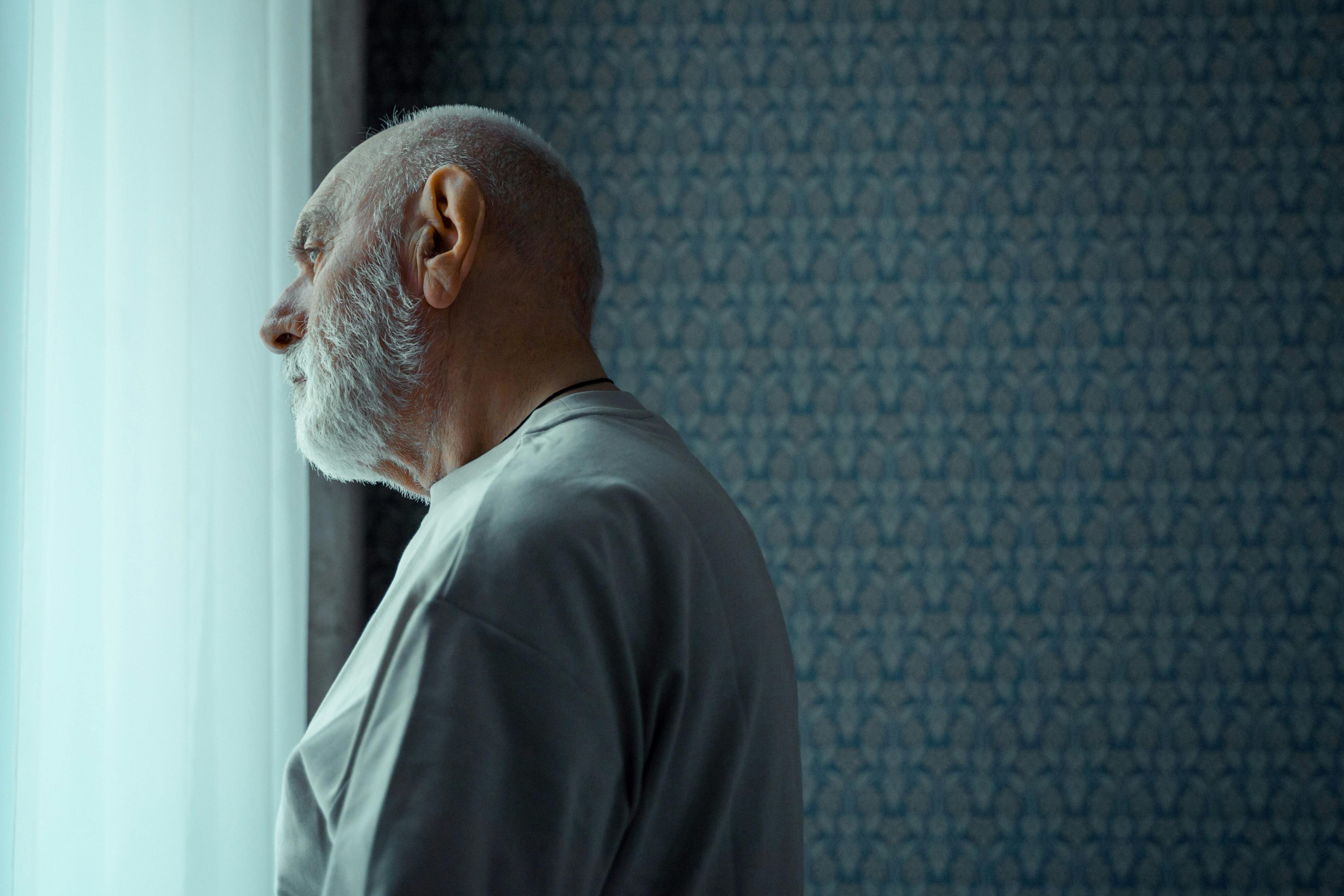
A 2024 study in BMC Geriatrics found a link between longer TV time and higher depression scores in older adults living alone. The correlation was modest. The pattern was clear. When the set stays on all day, it can sound like laughter and news. It can also drown out feelings that feel too loud in an empty room.
TV provides structure when work is gone. Hour blocks. Predictable voices. For a retiree who feels useless or invisible, that predictability can be a lifeline. Or a hiding place. The remote becomes a mood regulator. Volume up when thoughts close in. Channel change when grief edges into focus.
Sedentary hours turning into health risks

The journal Medicine & Science in Sports & Exercise reported that older adults who spent more hours watching TV had a higher risk of mortality than peers who watched less TV. In that study, cutting TV time later in life was associated with lower mortality rates. It is not just the show. It is the hours that are not moving.
The World Health Organization says that adults need at least 150 minutes of moderate activity a week. Many retirees do not reach that threshold. A remote in hand can mean joints stiffen, blood sugar rises, and balance weakens. The chair becomes a second skin. The walk around the block gets postponed to tomorrow. Again.
Loneliness disguised as company
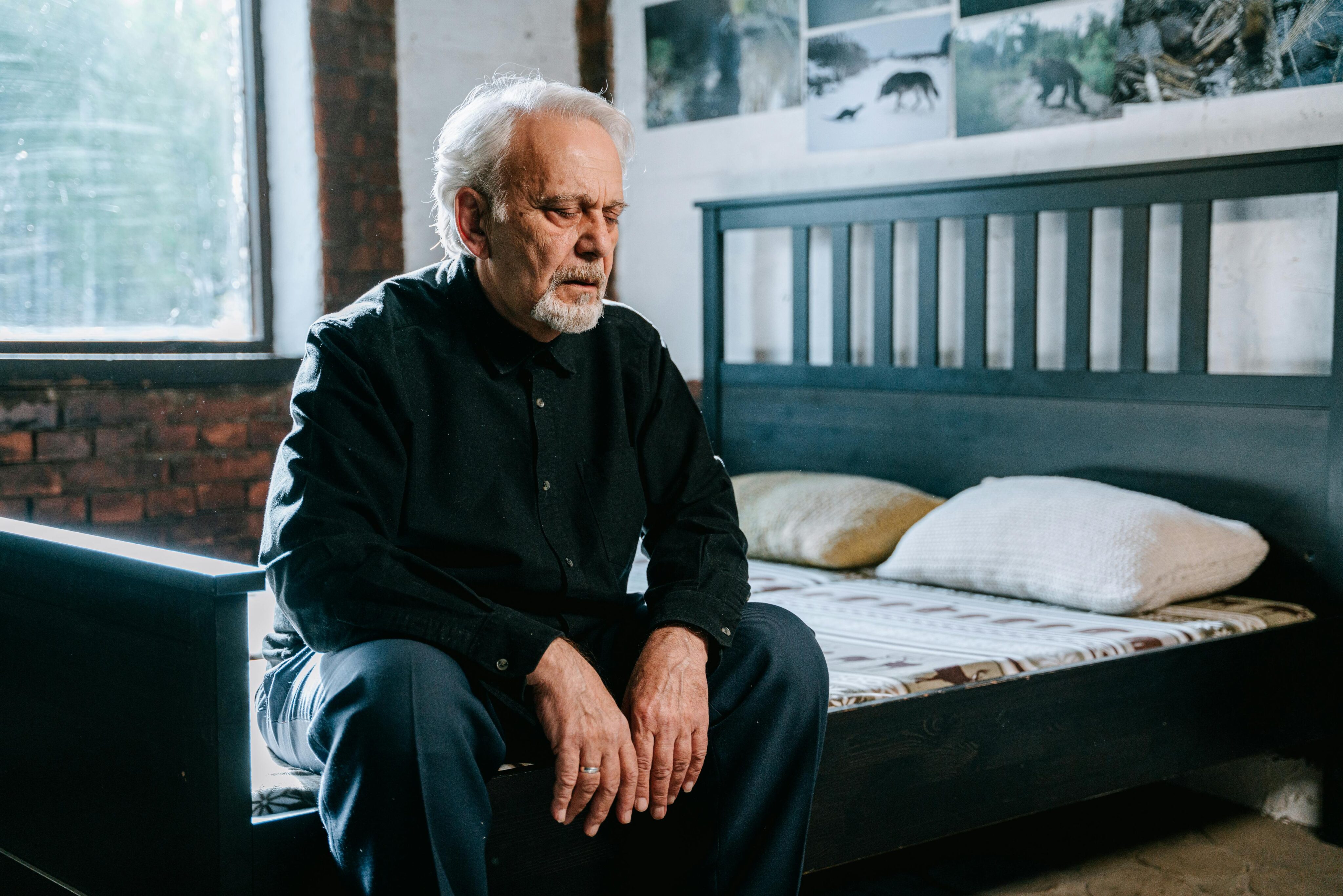
A 2021 paper in The Gerontologist reported that older adults spent about 6.4 hours a day watching TV, roughly 37 percent of their waking time. Those TV blocks were lonelier hours than their off‑screen time, especially for people living alone. The glow filled the room. Not the silence.
A 2025 AARP survey found that 40 percent of Americans aged 45 and older reported feeling lonely. For a retiree whose friends have moved, died, or grown busy, TV can feel like a low‑cost social life. Familiar anchors. Characters are aging slowly. But the tradeoff is harsh. More screen. Fewer invitations. Less practice reaching out.
Cognitive decline hiding in plain sight

A 2023 longitudinal analysis in Frontiers in Neuroscience tracked TV time in older adults. Longer viewing was linked to higher dementia risk later on. Brain scans also showed a decline in regions tied to language and memory. The habit looked harmless. The effect was not.
The Lancet Commission on dementia has warned that lifestyle factors across adulthood can shift dementia risk. Physical inactivity and low cognitive stimulation are on that list. Constant TV offers passive information. It rarely demands effort. Over the years, that passivity can shape the brain’s wiring. Less engagement. Less challenge. More drift.
Hearing loss and the volume creep

The 2020 Lancet Commission described untreated midlife hearing loss as the single largest modifiable dementia risk factor. Many carry that hearing loss into retirement. They simply raise the volume. A blaring set can be less about taste and more about ears that quietly slipped out of focus.
When hearing is strained, conversation feels like work. TV does not ask you to say “pardon” three times. It offers captions, volume buttons, and control. So a retiree may drift from human talk to one‑way noise. The risk is doubled. Untreated hearing loss isolates. The overreliance on TV can deepen that isolation while leaving the underlying problem untouched.
Sleep quietly falling apart
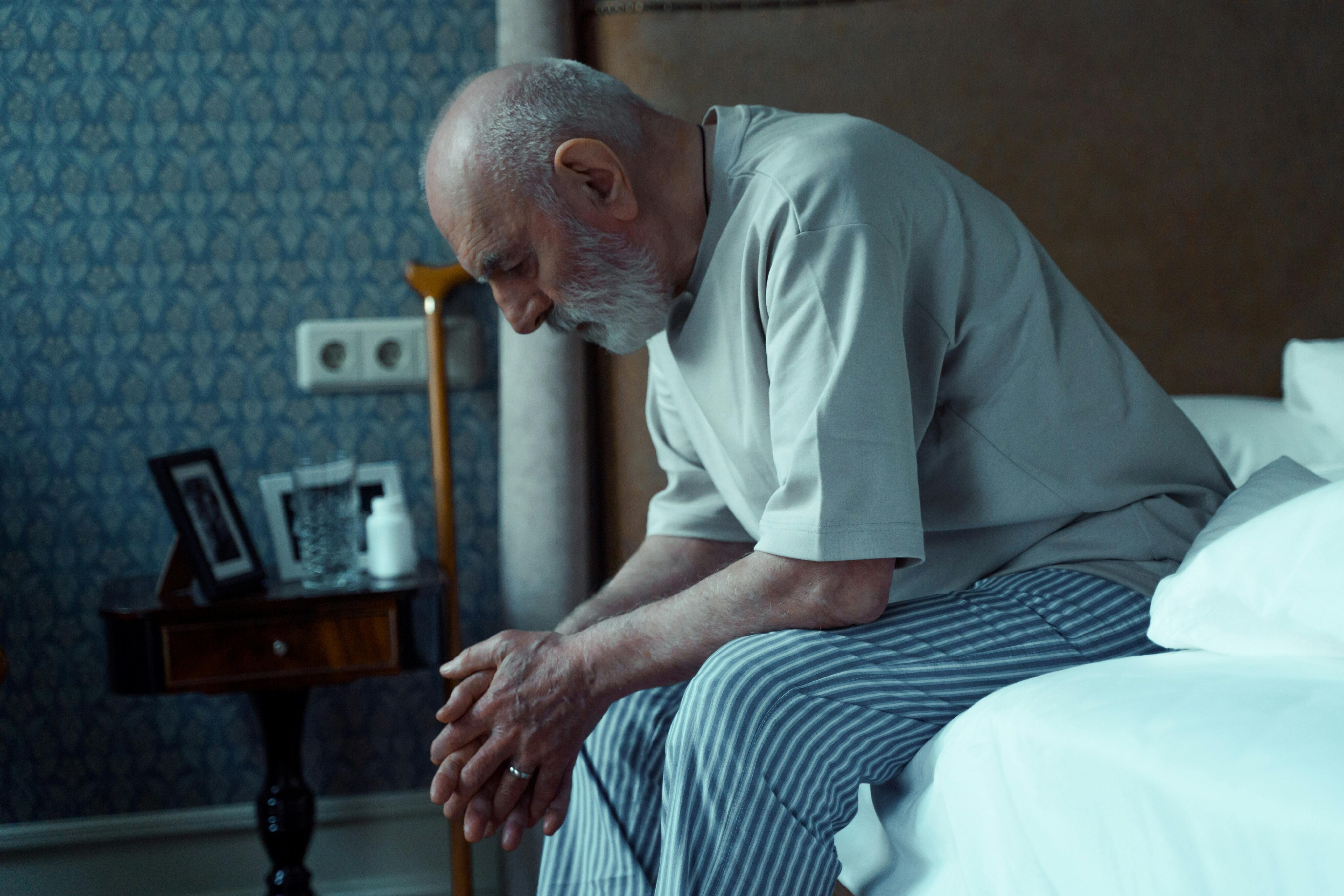
Screen light delays sleep hormones. Sleep labs have repeated that finding for years. For seniors, a glowing TV at midnight can delay melatonin release and disrupt sleep cycles. The body tires. The brain never quite feels restored. Night blurs into one more late rerun.
Poor sleep in older age is tied to a higher risk of falls, memory problems, and mood changes. Yet “I just fall asleep in front of the TV” sounds harmless. It reads as routine, not a red flag. The real story may be insomnia, racing thoughts, or fear of the dark house. The constant flicker keeps the mind from facing the actual night.
Grief that never learned a new language

Save this article
Retirement often coincides with other endings. A spouse dies. A sibling’s health fails. A cherished role disappears. Researchers on social isolation, such as Julianne Holt‑Lunstad, have linked loneliness to higher mortality, on par with smoking many cigarettes a day. Grief multiplies that risk. It rarely arrives alone.
In that context, endless TV looks like a coping mechanism. Grievers talk about “keeping busy,” so they do not break. TV offers a ready distraction without leaving the house. But it can also stall mourning. Instead of telling stories about the person who is gone, the bereaved retiree memorizes dialogue from strangers. The ads change. The ache remains.
An identity vacuum after work ends

The U.S. Bureau of Labor Statistics has found that adults aged 65 and older watch around 4 hours and 14 minutes of TV per day, more than any other age group. Many in that bracket are retired and no longer caring for children. Time opens wide. TV rushes in to fill it.
Work once gave structure, feedback, and small talk. Retirement strips those anchors away. Without new roles, a retiree can feel weightless. The schedule starts to revolve around program slots and sports seasons. The more days follow that pattern, the harder it becomes to imagine alternatives. The question “Who am I without my job?” gets muted by the next episode.
Anxiety about a world that feels too fast

AARP’s 2023 tech trends report notes that more than 80 percent of adults over 50 now stream some kind of content, and 35 percent stream daily. The media ecosystem keeps expanding. For some retirees, that expansion feels like pressure. New apps. New passwords. New social rules. TV, in contrast, feels simple. Turn on. Sit down.
Health organizations report that about a third of adults worldwide are not reaching recommended activity levels. When the outside world feels confusing or hostile, staying home with TV can feel safer than trying new classes or attending community events. Underneath the habit, anxiety hums. Fear of crime. Of illness. Of embarrassment. The screen becomes a moat around a shrinking life.
Money worries that never clock out

Decades of work do not always lead to secure retirements. Many older adults live on fixed incomes where every bill matters. Free television, whether over the air or basic cable already paid for, becomes the cheap pastime. No tickets. No transport. No restaurant tips. Just one more hour.
Financial stress can quietly deepen both depression and physical illness in later life. Yet pride often keeps retirees from admitting how tight things feel. Instead of saying “I cannot afford to go out,” they say “I am fine at home with my shows.” The constant TV is partly entertainment. It is also a budget strategy. A way to avoid confronting hard math in the ledger.
A shrinking social network

The Gerontologist paper on TV and loneliness found that viewing often occurred when people were alone or with only a spouse. Less time was spent in active social situations. Over the years, that pattern can erode not just friendships but the skills of friendship. Jokes, listening, and conflict repair. All grow rusty.
As peers die or move away, retired adults can slip into a smaller orbit without noticing. TV is easy. Calling someone feels vulnerable. Joining a new group feels awkward. The longer someone leans on TV for company, the more foreign real gatherings can feel. What looks like a “homebody” preference may mask a deep fear of no longer knowing how to belong.
Boredom that turned into a habit

The BLS time‑use report framed TV as the largest single leisure activity for Americans, consuming over half of leisure time on average. In older adults, that proportion grows. Habit stacks on habit. You do what you did yesterday. Reach for the same remote. Sit in the same spot. The comfort starts to curdle.
Psychologists sometimes describe retirement adjustment as a second adolescence. Identity is fluid again. Choices matter again. But where teenagers experiment, retirees may retreat. Constant TV can be less about pleasure and more about a numbing routine. No risk. No discovery. Just enough stimulation to avoid asking, “What else could I do with this day?”
Underused strengths waiting offscreen

Not every long TV day is a crisis. The BMC Geriatrics paper on TV and depression found correlations, not destiny. Some retirees simply enjoy their shows. Yet even there, an overfull viewing schedule can hint at underused capacities. Skills, stories, and wisdom that the world has stopped asking for.
AARP’s tech report notes that many adults over 50 are interested in digital tools to improve sleep, habits, or mindfulness. The desire to grow does not die with a job title. When life narrows to channels and streaming menus, that desire has nowhere to go. Under the flicker, there may be a musician who stopped playing, a teacher with no classroom, a neighbor whose kindness has nowhere structured to land.
Disclaimer – This list is solely the author’s opinion based on research and publicly available information. It is not intended to be professional advice.
Like our content? Be sure to follow us





