

Despite its dominance in wellness culture, “clean eating” shows no measurable nutritional advantage, while it does correlate with restrictive and disordered eating patterns.
“Clean eating” is everywhere: on Instagram, in grocery store marketing, and in advice from wellness influencers who swear it changed their lives (we hope you know better by now; do not take your health advice from them).
But here is the catch: the term “clean eating” has no official definition, no federal regulation, and no scientific consensus behind it. Registered dietitians define it differently, food brands use it however they please, and research shows that “clean” recipes are often no healthier than regular ones.
Before you overhaul your diet around a buzzword, it is worth understanding what clean eating actually means, and why the answer might surprise you. Especially if you are already following a restrictive diet, such as the low FODMAP diet, please take our message to heart.
No One Actually Agrees On What It Means
The most fundamental problem with “clean eating” is that no two people define it the same way. Harvard T.H. Chan School of Public Health notes that the terms “clean eating” and “clean diet” are not federally regulated in the U.S., so interpretation by consumers and marketing by the food industry can vary widely.
When one outlet surveyed 12 registered dietitians, every single one gave a different definition of what clean eating means to them. A phrase that means everything to everyone ultimately means nothing at all.
It Started In Bodybuilding, Not Nutrition Science
The term “clean eating” did not originate with doctors or dietitians; it was born in bodybuilding culture in the 1990s, where it simply meant eating high-protein, low-carb, and avoiding junk food to build lean muscle. It later crossed over into mainstream culture through popular diet book series in the 2000s and took on an entirely new meaning.
By the time it hit social media, it had drifted so far from its roots that even its original users would not recognize it. The cultural baggage it carries today has almost nothing to do with evidence-based nutrition.
“Clean” Recipes Are Often No Healthier Than Regular Ones
Researchers analyzed the nutritional content of recipes from 13 popular clean eating blogs and compared them to recipes without clean eating claims. The result was striking: foods labeled “clean” contained the same amounts of energy, sugar, and sodium as foods without those labels.
Both groups were similarly classified as moderate to high in fat, saturated fat, salt, and sugar. Clean eating claims can be genuinely misleading to consumers who believe they are making a healthier choice.
The Word “Clean” Implies Everything Else Is “Dirty”
Language matters more than most people realize when it comes to food and mental health. The European Food Information Council points out that calling certain foods “clean” automatically frames everything outside that definition as “dirty,” “bad,” or morally inferior.
Harvard Health notes that the term “clean” encourages food restriction and an unhealthy preoccupation with eating “correctly.” Dietitians warn that this all-or-nothing thinking sets up unrealistic expectations and can contribute to a genuine fear of food — the opposite of a healthy relationship with eating.
It Can Be A Gateway To Disordered Eating
Researchers studied clean eating behaviors in undergraduates and found meaningful associations between “clean eating” practices and indicators of disordered eating.
A separate study of women found that followers of clean eating websites showed higher levels of dietary restraint compared to women who did not follow those sites. Experts coined the term “orthorexia” back in 1997 to describe an obsessive fixation on “righteous eating” — and many clinicians see clean eating culture as a socially normalized version of exactly that.
Orthorexia Nervosa: An Obsession With “Healthy” Eating
A clinical review published in Federal Practitioner and indexed by the National Institutes of Health describes orthorexia nervosa as “an obsession with healthy eating with associated restrictive behaviors,” one that can lead to malnourishment, loss of relationships, and poor quality of life despite never intending to.
The same review notes that orthorexia diagnostic criteria include dietary restrictions that escalate over time, eliminate entire food groups, and involve increasingly severe “cleanses” regarded as purifying or detoxifying — language that mirrors clean eating culture almost exactly.
What begins as an effort to eat better can quietly cross into a cycle of guilt, shame, and social withdrawal that clinicians now recognize as a legitimate feeding and eating disorder in the DSM-5.
Cutting Out Whole Food Groups Is Not “Cleaner” — It’s Riskier
Many clean eating plans go beyond eating more vegetables — they eliminate entire food groups like dairy, gluten, grains, or legumes without medical reason. The European Food Information Council warns that cutting out carbohydrates or gluten-containing foods can reduce whole grain consumption, which is associated with increased risk of gut cancer, obesity, cardiovascular disease, and type 2 diabetes.
Save this article
Registered dietitians explain that carbohydrates are the body’s primary energy source, and eliminating them can cause fatigue, brain fog, hormonal disruption, and mood instability. “Clean” does not always mean complete.
Social Media Influencers — Not Scientists — Built This Trend
Much of what people “know” about clean eating comes not from registered dietitians or peer-reviewed research, but from bloggers, celebrities, and Instagram influencers.
Research published in Nutrients found that authors of clean eating websites frequently present themselves as health experts or wellness gurus — often without any nutrition qualifications. One UK survey found that four in ten young people ages 18–24 had tried clean eating, with most learning about it through social media. When unqualified influencers shape how millions of people eat, the consequences for vulnerable individuals can be serious.
Young People Are Most Affected By The Messaging
A national U.S. study of adolescents and emerging adults found that 55% had already heard of “clean eating,” with social media listed as the most common source. Researchers noted that many young respondents linked “clean” eating with the idea that natural automatically equals healthy — a logical fallacy that nutrition science does not support.
The same study found significant variation in what respondents believed “clean eating” actually required, reinforcing how inconsistent and confusing the concept really is. For teens already navigating body image pressures, this ambiguity can be especially harmful.
Food Companies Use “Clean” As A Marketing Tool
Because the term is unregulated, food brands are free to stamp “clean” on whatever they sell. This means that a product with “clean” in its branding or marketing copy faces no requirements around actual ingredients, processing methods, or nutritional profile.
Carilion Clinic’s nutrition team notes that the general consensus around “clean eating” shifts depending on who is doing the marketing. For shoppers trying to make genuinely healthier choices, this ambiguity makes an already-confusing food environment even harder to navigate.
What Nutrition Science Actually Recommends Instead
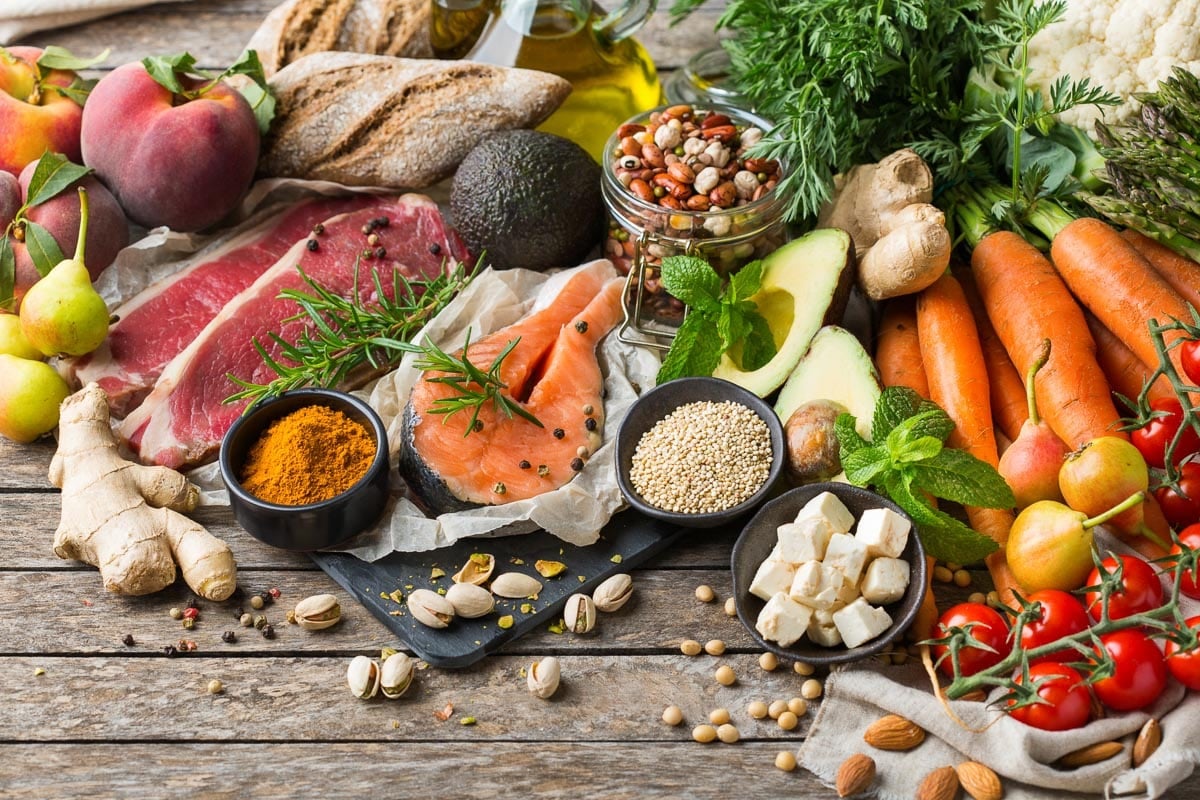
Rather than chasing an undefined idea of “clean,” registered dietitians and national health organizations point to evidence-backed eating patterns with clear definitions. The Mediterranean diet and the DASH diet both have substantial research support and are recommended by the American Heart Association.
These eating styles emphasize whole grains, vegetables, fruits, lean proteins, and healthy fats, without demonizing entire food groups or implying that any food is morally “dirty.” Real healthy eating is flexible, sustainable, and based on overall patterns, not perfection.
A Better Way To Think About What You Eat
Nutrition professionals suggest focusing on what you are adding to your diet: more vegetables, more fiber, more variety, rather than what you are eliminating. Restricting carbohydrates or other “unclean” foods can actually increase food fixation and raise the likelihood of binge eating.
Dietitians note that all-or-nothing thinking can stand in the way of being truly healthy, while progress and balance tend to outlast purity.
The Bottom Line
Clean eating sounds compelling because it sounds simple: just eat “clean” and you will be healthy. But the research tells a more complicated story. There is no official definition, no regulatory standard, and no proven benefit unique to “clean” eating that you cannot get from better-defined, evidence-based dietary guidance.
The most honest thing nutrition science can say about “clean eating” is this: if it pushes you toward more vegetables and whole foods, the instinct is good, the label is not.
Disclosure: This article was developed with the assistance of AI and was subsequently reviewed, revised, and approved by our editorial team.
Like our content? Be sure to follow us on MSN and Newsbreak.
The Intersection of Gut Issues and Eating Disorders
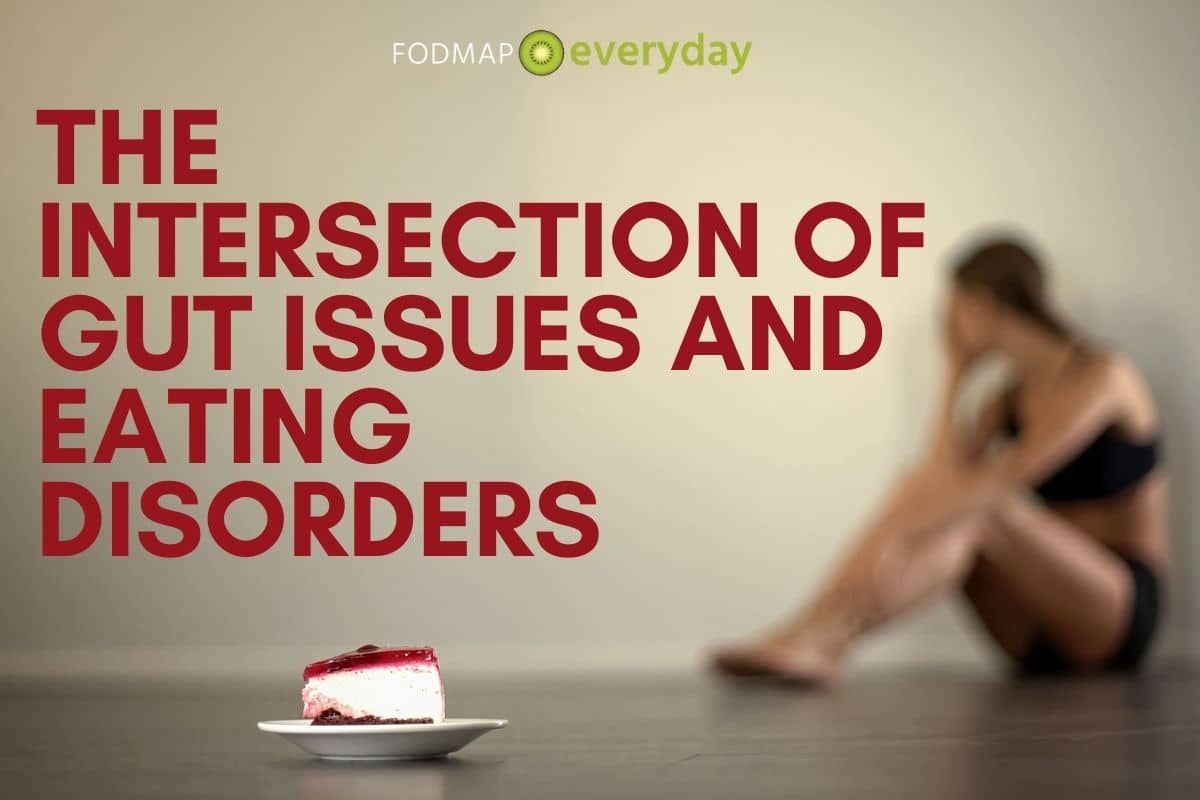
Research shows that there is a significant overlap between functional gastrointestinal disorders (FGIDs), like irritable bowel syndrome (IBS), and eating disorders (ED).
Nearly 50% of individuals with FGIDs have been shown to have disordered eating or a full-blown ED, and some 90%+ of those individuals with a diagnosed ED also have one or more FGIDs. Learn more.





