

January is the month when the grocery receipt learns how to speak.
In December, the numbers are muffled by music and permission. Extra cheese slips into the cart. The good olive oil. A box of cookies meant for no one in particular. A cart that swells with cookies, roasts, and wine because the season has given us permission.
The season forgives excess. January does not. The same aisles, the same beep at checkout. But now the total feels personal, almost accusatory. The bill is higher not only because prices remain elevated, but because January is when everything arrives at once.
The debt.
The discipline.
The reckoning.
Prices That Never Came Back Down

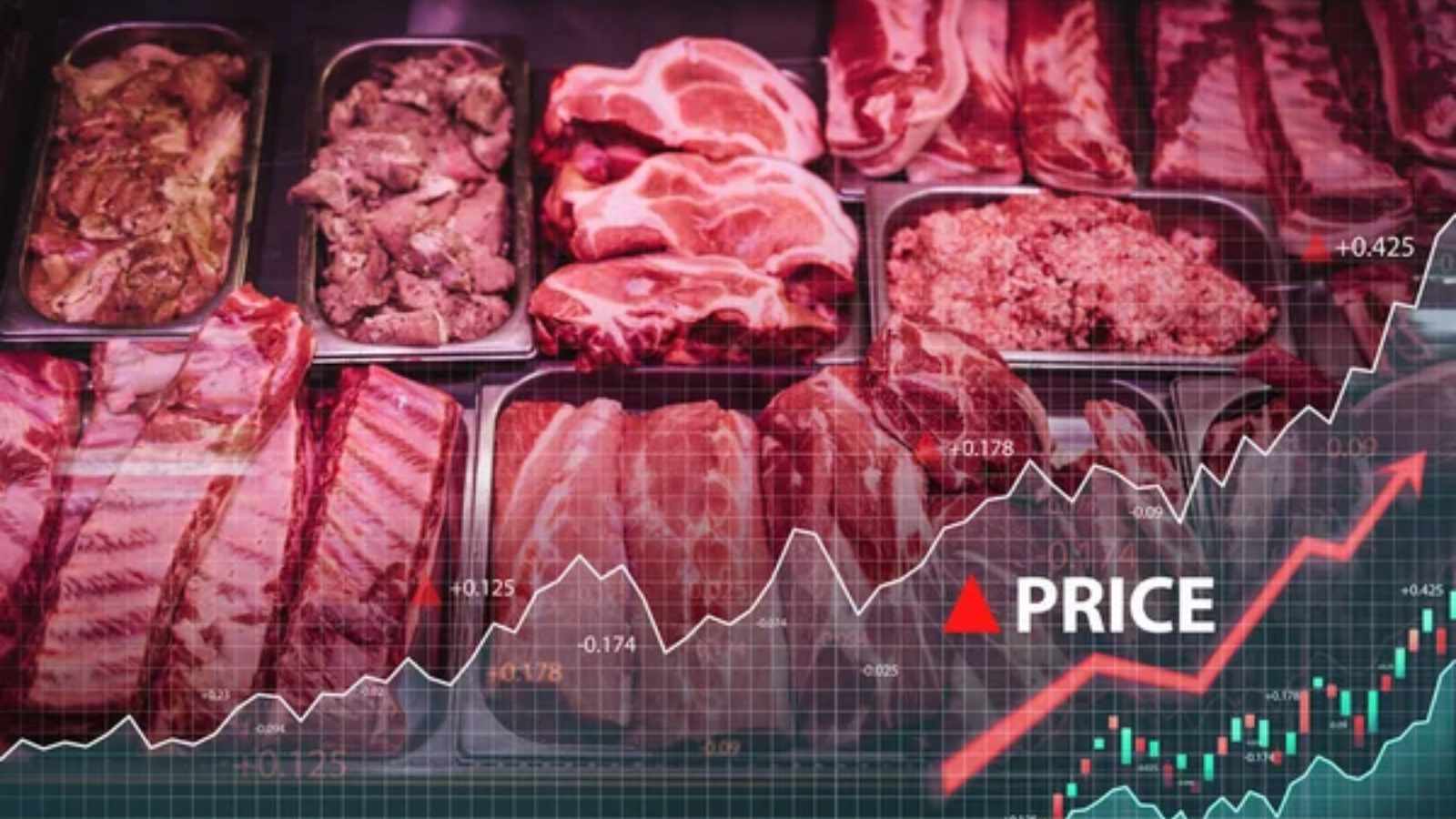
According to Consumer Price Index data and USDA tracking, grocery inflation has cooled since its 2022 peak. That much is true. What those headlines soften is the reality underneath: prices never returned to where they were. Food-at-home costs rose again in January, and the categories that anchor most kitchens (meat, poultry, fish, eggs) remain stubbornly expensive. Egg prices alone surged more than 50 percent year over year.
Zoom out, and the pressure sharpens. Analysis from the Center for Science in the Public Interest shows that since 2019, grocery prices have risen nearly 30 percent. Cooling is not relief. It is simply the absence of a new shock. January often brings a small upward nudge of its own, enough to confirm what shoppers already feel at the shelf: this is the baseline now.
The Credit Card Statement Arrives With Dinner
January grocery bills do not arrive alone. They show up with the credit card statement.
Surveys from LendingTree, reported by CNBC and NBC News, found that roughly a third of Americans carried holiday-specific debt into the new year, averaging more than a thousand dollars per person. Many expect to spend most of the year paying it off. Financial planners have a name for this moment, the financial hangover, when December optimism hardens into January obligation.
Groceries are nonnegotiable. They land alongside higher insurance premiums, medical costs, and school expenses. Something has to give, and the grocery bill becomes the most visible place where restraint is supposed to appear. Each receipt feels like a test of whether the season went too far.
The January Drop That Isn’t Really Less Food

USDA economists have mapped this pivot for years. Food spending spikes in December, then falls sharply, more than 13 percent, in January. On paper, it looks like discipline. In practice, it is reorganization.
People do not eat less. They shop differently. Fewer treats. More store brands. Smaller baskets signal control. In some aisles, spending rises. Peer-reviewed research published in PLOS ONE shows that fruit and vegetable purchases often peak in January, climbing above November and December levels. January is not scarcity. It is substitution.
The “Healthy Cart” That Quietly Costs More
This is where January grocery bills turn strange.
Save this article
Data from Purdue University’s Consumer Food Insights survey show that roughly one in four Americans makes a food- or nutrition-related New Year’s resolution. Grocery behavior follows intention. But a landmark PLOS ONE study tracking real household purchases found that after the holidays, healthy food purchases jumped nearly 30 percent, without a drop in unhealthy food buying. Total calories purchased rose again.
One of the study’s authors, Lizzy Pope, notes: People feel virtuous when they buy healthy food, even if nothing else leaves the cart. Protein powder joins the cookies. Salad kits pile on top of holiday leftovers. The resolution doesn’t replace indulgence; it accumulates beside it.
The result is a cart that looks disciplined and costs more than December’s ever did.
Why January Spending Feels Like Failure

Behavioral economists describe January as a “fresh start” month, which makes every misstep feel moral. December overspending is festive and shared. January overspending feels like a personal lapse.
Consumer sentiment data tracked by Yahoo Finance shows confidence dipping at the start of the year while inflation expectations rise. When people expect prices to keep climbing, every grocery trip feels like confirmation. Retail executives, quoted in industry reporting, describe shoppers making shorter, more frequent trips, trading down to private labels, and prioritizing the number at the bottom of the receipt over long-term value.
Stress doesn’t empty the cart. It changes how it’s filled.
Grocery Stores Know Exactly What Month This Is
Retailers are not surprised by January behavior. Industry data from firms like Kantar show that January is peak season for produce displays, wellness messaging, and protein-forward products.
Promotions rise. Private-label share hits records. Comfort foods linger near health foods, allowing shoppers to build carts that promise redemption without denying pleasure.
January is designed for intention, and priced for reality.
The Month Everything Collides
January grocery bills hurt because January itself carries too much weight. It is the month when celebration ends, but prices persist, when intention costs more than indulgence, when restraint arrives late and expensive.
Nothing is wrong with the shopper. The system does not reset when the calendar does.
By February, the shock dulls. Habits adjust. The cart steadies. But January leaves its mark—a reminder that the hardest part of spending is not the splurge, but the month after, when the music stops, and the receipt remembers everything.
Disclaimer – This list is solely the author’s opinion based on research and publicly available information. It is not intended to be professional advice.
Disclosure: This article was developed with the assistance of AI and was subsequently reviewed, revised, and approved by our editorial team.





