

The real shift in a relationship often happens quietly, and by the time you notice, it might feel like you’re living with a stranger.
It is often said that the opposite of love isn’t hate, but indifference. When a marriage starts to crumble, the signs are rarely as dramatic as a movie scene with screaming matches and thrown plates. Instead, the end of affection often arrives quietly, marked by a gradual cooling of the atmosphere in the home you share.
This emotional shift can be incredibly confusing for the partner who is left trying to figure out what went wrong. You might notice that the air in the house feels heavier or that your interactions feel more like business transactions than conversations between lovers. Recognizing these behavioral changes early is the only way to address the disconnect before the distance becomes permanent.
The Silence Becomes Deafening

Communication is the lifeblood of any relationship, and when love fades, the desire to share small details evaporates. He might stop asking about your day or offering details about his own, reducing your dialogue to mere logistics about bills and schedules. The silence becomes a wall that is harder to climb than any argument.
This withdrawal is often a protective mechanism to avoid emotional intimacy or potential conflict. A study published in the Journal of Social and Personal Relationships found that perceived partner responsiveness is a primary predictor of marital satisfaction, and its absence signals a critical breakdown. When he stops engaging with your inner world, he is signaling that he no longer sees himself as your partner.
He Recoils From Physical Touch

The loss of affection usually manifests physically long before papers are filed. You might notice he pulls away when you brush past him in the hallway or stops reaching for your hand when you are walking together. When he stops reaching out for your touch, he is physically manifesting the emotional distance he feels inside.
This isn’t just about what happens in the bedroom; it is about the casual, non-sexual intimacy that bonds a couple. He may stiffen when you hug him or create a “pillow fortress” in bed to ensure there is no accidental contact during the night. His body language is screaming that he wants space, even if his words haven’t said it yet.
He Becomes Hyper Critical

Behaviors that he once found cute or endearing suddenly become sources of intense irritation. He might snap at you for the way you chew, how you load the dishwasher, or even how you breathe while watching TV. Sudden intolerance for your basic habits is a major red flag of emotional detachment.
This shift often stems from a psychological state called “negative sentiment override,” where a person interprets neutral actions as negative. A study in Family Process highlighted that distressed couples increasingly make negative attributions for their partner’s behavior, creating a cycle of criticism. He is subconsciously looking for reasons to justify his lack of feelings by painting you as the problem.
He Stops Arguing Entirely

Many people assume that fighting is the sign of a failing marriage, but apathy is actually much worse. If he used to get passionate or upset during disagreements but now simply shrugs and walks away, he has checked out. The total absence of conflict is scarier than yelling because it means he has given up on resolving it.
When a man still loves his wife, he fights for the relationship because he wants to be understood and close to her. Stopping the arguments means he no longer cares about the outcome or your opinion. He is preserving his energy for his life outside the marriage rather than investing it in fixing things.
The Phone Becomes A Fortress

Privacy is normal in a marriage, but secrecy is a distinct and dangerous change. If he suddenly starts taking calls in another room, changes his passwords, or keeps his phone face down at all times, he is hiding something. Secrecy regarding his digital life suggests he is building a separate world that you are not allowed to enter.
This behavior, known as “technoference,” creates massive rifts in trust and intimacy. Research published in Psychology of Popular Media confirmed that higher levels of technology interference in relationships are directly linked to lower life satisfaction and higher depression symptoms. He is prioritizing his digital connection over his real-world connection with you.
He Lives A Parallel Life

You might live under the same roof, but your paths rarely cross in meaningful ways. He creates a schedule that minimizes interaction, staying up late after you go to bed or waking up early to leave before you rise. You are sharing a mailing address, but you are no longer sharing a life.
This dynamic turns a marriage into a roommate situation where you coexist without connecting. He stops including you in his weekend plans or assumes you will do things on your own. He is actively structuring his day to avoid the awkwardness of spending time alone with you.
Save this article
Financial Secrecy Begins

Money is often one of the first places a man will assert his independence when he is emotionally exiting a marriage. He might start opening separate accounts, changing passwords to banking apps, or making large withdrawals without discussion. Separating finances without a conversation is often a practical step toward a physical separation down the road.
This behavior is a form of financial infidelity that signals a breach of the marital partnership. A survey by Bankrate found that 2 in 5 U.S. adults who are married or living with a partner keep financial secrets, often leading up to a breakup. He is securing his own future because he no longer views your financial well-being as his responsibility.
Future Plans Evaporate
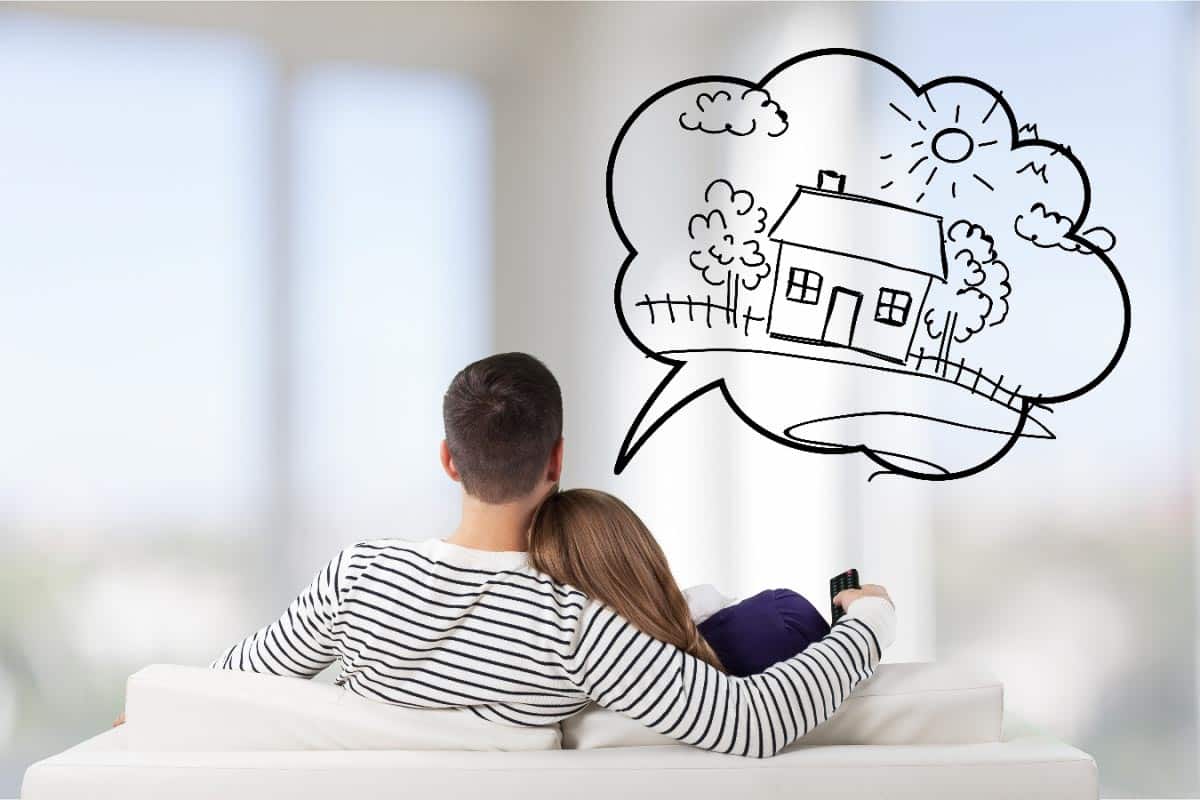
In a healthy marriage, couples constantly talk about the future, from next summer’s vacation to retirement goals. A man who has fallen out of love will stop making long-term plans because he doesn’t see you in his future. His vision of the road ahead no longer includes you, so he stops making promises he doesn’t intend to keep.
If you bring up upcoming holidays or renovations, he might be vague, dismissive, or refuse to commit to anything concrete. He might start using “I” statements instead of “we” when talking about his goals. He is subconsciously preparing for a life where he makes decisions solely for himself.
He Spends More Time Away

Suddenly, work demands seem to increase drastically, or he develops a newfound obsession with a hobby that keeps him out of the house. He creates reasons to be anywhere but home, often leaving you to manage the household and family on your own. He is actively filling his schedule with distractions to avoid the tension and guilt he feels at home.
This avoidance technique allows him to minimize the time he has to pretend everything is normal. He might stay at the office late or spend every weekend on the golf course with friends. Home has become a source of stress for him rather than a sanctuary.
Weaponized Incompetence

He might start claiming he doesn’t know how to do basic chores he has done for years, forcing you to take over. This behavior, often called weaponized incompetence, is a passive-aggressive way to disengage from shared responsibility. He is making himself a burden to push you away and force you into a parental role he resents.
By acting helplessly, he forces you to nag or criticize him, which reinforces his narrative that you are difficult to live with. It creates a dynamic of resentment in which you feel overwhelmed and he feels controlled. He is subconsciously trying to make you the bad guy so he doesn’t have to take the blame for the friction.
Lack Of Empathy

Perhaps the most painful sign is when he stops caring about your feelings or struggles. If you are crying or having a hard time, he might look at you with a blank expression or tell you that you are overreacting. When your pain no longer elicits a reaction from him, the emotional bond has likely been severed completely.
Empathy is the glue of intimacy, and without it, the relationship becomes cold and isolating. A 2021 study in Frontiers in Psychology identified a lack of empathy as a primary characteristic of relationships headed for dissolution. His indifference to your suffering is the clearest sign that his heart has closed off to you.
Key Takeaway

Recognizing these behaviors is painful, but it is the necessary first step toward resolving the limbo of an unhappy marriage. Denial will only prolong the pain for both of you, turning the home into a place of loneliness rather than comfort. You deserve to know the truth about your relationship so you can make informed decisions about your own future.
If you see these signs, it is time to have a direct, honest conversation about where the marriage is heading. Whether you decide to fight for the relationship with counseling or part ways, you cannot fix what you refuse to acknowledge. Staying in a loveless marriage erodes your self-worth, and you owe it to yourself to find a path back to happiness.
Disclaimer: This list is solely the author’s opinion based on research and publicly available information. It is not intended to be professional advice.
Disclosure: This article was developed with the assistance of AI and was subsequently reviewed, revised, and approved by our editorial team.
Like our content? Be sure to follow us.





